

Short answer: buy the Twistura Delta (₹3,360) for the best value, the Twistura D-Minor (₹3,490) for bass, the CCA Phoenix (₹2,178) under ₹3,000, the Simgot EW300 (₹8,499) for a punchy hybrid, or the AFUL Explorer (₹11,499) if you want the highest rated IEM here.
Geekman has covered consumer tech for over 10 years, and this ranking is built the way our buying guides always are: research first, then a hard look at the numbers. For all 16 IEMs we compared drivers, tuning, expert scores from iemranking, accessories, plug options, warranty and live prices at The Audio Store, Headphone Zone, Concept Kart and Amazon.in.
This guide covers wired IEMs from ₹910 to ₹11,499. For cheaper wired pairs see our earphones under 1000 guide, and for wireless pairs see our best earbuds guide. Prices were seen on 25 October 2026.
Find your IEM in 5 quick taps
Short answer: the Twistura Delta is the best value IEM for most people. Turn on JavaScript to use the Finder.
Pick in 30 seconds
Which IEM fits you?
Best value
10 mm dual-chamber dynamic driver · Warm U-shaped tuning · Detachable 2-pin cable
Read review
Most bass
10 mm dual-magnet driver · 3 acoustic filters · Includes Type-C DAC adapter
Read review
Vocals and Bollywood
TiN ceramic dynamic driver · Warm, mid-centric · 3.5mm and 4.4mm plugs
Read review
How I ranked them
The Geekman Score
Each IEM gets a score out of 10 for performance (40%), value (40%) and service (20%). Performance comes from the expert reviews on iemranking, scaled so a 7.1 becomes a 9.0. Value is price against that score. Service looks at the warranty, the accessories and where you can buy it.
See the scores
| # | IEM | Perf. | Value | Service | Overall |
|---|---|---|---|---|---|
| 1 | Twistura Delta | 8.0 | 9.2 | 7.0 | 8.3 |
| 2 | Twistura D-Minor | 7.6 | 8.8 | 7.0 | 8.0 |
| 3 | AFUL Explorer | 9.0 | 7.0 | 7.5 | 7.9 |
| 4 | Simgot EW300 | 8.2 | 7.5 | 8.0 | 7.9 |
| 5 | CCA Phoenix | 7.0 | 8.8 | 7.5 | 7.8 |
| 6 | Truthear Hexa | 7.8 | 7.0 | 8.5 | 7.6 |
| 7 | KZ Duonic | 6.4 | 8.4 | 8.0 | 7.5 |
| 8 | Truthear x Crinacle Zero:Red | 7.2 | 7.2 | 8.0 | 7.4 |
| 9 | KZ Phantom | 7.2 | 7.0 | 8.0 | 7.3 |
| 10 | Tangzu Waner SG 2 Red Lion | 6.8 | 7.6 | 7.5 | 7.3 |
| 11 | Moondrop Chu 3 | 6.2 | 7.2 | 8.5 | 7.1 |
| 12 | Moondrop Aria 2 | 7.6 | 5.8 | 8.5 | 7.1 |
| 13 | COZOY D1 | 6.8 | 7.0 | 7.0 | 6.9 |
| 14 | 7Hz Salnotes Zero | 5.8 | 7.0 | 7.5 | 6.6 |
| 15 | KZ EDX Pro | 4.4 | 7.8 | 8.0 | 6.5 |
| 16 | Moondrop Rays DSP | 7.0 | 5.0 | 8.0 | 6.4 |
Scores weigh performance 40%, value 40% and service 20%. They come from iemranking expert scores, published reviews, listed specs and live prices on 25 October 2026.
Quick picks
| Pick | IEM | Best for |
|---|---|---|
| Best Value IEM Under ₹4,000 | Twistura Delta | A warm, U-shaped single dynamic driver IEM with the best score per rupee in this list, from ₹3,360 |
| Best Bass Under ₹4,000 | Twistura D-Minor | A V-shaped, bass-forward IEM with three acoustic filters and a USB-C DAC adapter in the box, ₹3,490 |
| Best Premium Pick | AFUL Explorer | A warm 1 dynamic + 2 balanced armature hybrid IEM with 3.5mm or 4.4mm plug, from ₹11,499 |
| Best Tribrid Under ₹10,000 | Simgot EW300 | A V-shaped tribrid IEM with dynamic, planar and piezo drivers, swappable nozzles and a DSP edition, from ₹8,499 |
| Best Under ₹3,000 | CCA Phoenix | A Harman-leaning 10 mm LCP dynamic IEM with three filters and a DAC adapter, ₹2,178 |
| Best Neutral Hybrid | Truthear Hexa | A neutral 1 dynamic + 3 balanced armature IEM with clean vocals, from ₹7,999 |
| Best Budget Planar Hybrid | KZ Duonic | A dynamic plus planar hybrid with a U-shaped tuning and three versions, from ₹1,699 |
| Best Neutral Under ₹6,000 | Truthear x Crinacle Zero:Red | A dual dynamic driver IEM tuned by Crinacle with a bass-shelf neutral sound and an impedance adapter, ₹5,499 |
| Best Gaming IEM Under ₹6,000 | KZ Phantom | A gaming-tuned IEM with four tuning switches, a detachable 2-pin cable and a dual-mic option, from ₹5,299 |
| Best for Vocals and Bollywood | Tangzu Waner SG 2 Red Lion | A bass-focused retune of the Wan’er with a controlled midrange, 3.5mm or Type-C, from ₹2,499 |
| Most Popular Budget Pick | Moondrop Chu 3 | A warm Harman-style metal IEM with firm bass, 3.5mm only, ₹2,599 |
| Best for Smooth Vocals | Moondrop Aria 2 | A warm, mid-centric single dynamic driver IEM with swappable 3.5mm and 4.4mm plugs, ₹8,999 |
| Best Bright V-Shape Under ₹4,000 | COZOY D1 | A 10 mm graphene dynamic IEM with a bright V-shaped sound and a big stage, ₹3,340 |
| Divisive Neutral-Bright Classic | 7Hz Salnotes Zero | A 10 mm dynamic IEM with a neutral-bright, vocal-forward sound, from ₹2,049 |
| Cheapest Way to Try an IEM | KZ EDX Pro | A 2 dynamic driver IEM with an electronic crossover and a mic, ₹910 to ₹999 |
| Best for FPS Presets | Moondrop Rays DSP | A dynamic plus planar IEM with a USB-C DSP cable and 20+ game presets, ₹9,390 |
Tap a name to jump to its review. Live prices are in the buy box under each review. Prices change daily and bank offers can lower them.
All 16 picks
Best IEMs in India
Sixteen IEMs are worth considering, from ₹910 to ₹11,499. The top three get a full review below, and the other thirteen get a shorter one. Most of these brands sell through The Audio Store, Headphone Zone and Concept Kart, so the buy boxes show those stores first.
Best Value IEM Under ₹4,000
1. Twistura Delta
8.3Geekman Score
8.0 Performance
9.2 Value
7.0 Service
10 mm dual-chamber dynamic driver · Warm U-shaped tuning · Detachable 2-pin cable · 3.5mm or Type-C with mic · iemranking 6.6
Best for
✓ Bass lovers who still want vocals and treble to stay clean
✓ Gamers who want good imaging with weighty explosions
✓ People who want a premium-feeling metal shell that stays comfortable for hours
Skip if
• You want a great unboxing and accessories (the Twistura D-Minor packs nozzles and a DAC)
• You chase fine micro-detail (it is average there)
• You are very sensitive to treble sparkle (some reviewers found it a bit sharp)
My take: The Delta gets the sound right where it counts: deep, punchy bass that doesn’t bleed into the vocals, clean mids and treble with air but very little sibilance. The zinc alloy shells feel solid and stay comfortable. The let-down is the box: a thin, cheap-feeling cable and basic accessories, which reviewers mention again and again.


Twistura Delta (Concept Kart)


Pros and cons
What I like
+ Deep, punchy bass that doesn’t bleed
+ Clean treble with air, little sibilance
+ Solid zinc alloy shells, comfortable
+ Good imaging for gaming
What I don’t like
• Thin, cheap-feeling stock cable
• Basic accessories
• Average micro-detail
My full review: who it suits, what it is like and how it compares
Who should buy it. A music listener stepping up from a first IEM who wants more bass quality, or a gamer who wants one IEM for music and matches. It comes with a 3.5mm or a Type-C plug, both with a mic. The Type-C version costs a bit more but saves you from carrying a dongle.
Sound. A warm U-shaped tune from a 10 mm LCP dynamic driver in a dual-chamber, dual-magnet setup. The bass is the highlight: sub-bass rumble you can feel and quick, solid kicks, and reviewers agree it stays out of the lower mids. Vocals come through clean, with male voices full and female voices airy, though a few reviewers heard them slightly recessed or warm on bass-heavy tracks. Treble has sparkle and good decay on cymbals, rarely sibilant; a minority found it a little sharp. Technical ability is good for the money in imaging and separation, average in micro-detail.
Fit, cable and build. The zinc alloy shells are a medium size that fits most ears, feel solid and don’t stick out. Reviewers wore them for about three hours without discomfort. The gunmetal finish picks up fingerprints. The cable is thin, the ear hooks a bit stiff, and it can tangle. You get a soft pouch and several pairs of tips, but the pre-installed tips seal best. Warranty is one year on the IEMs and only one month on the cable.
Driving it. At 42 ohm and 120 dB/Vrms it plays loud enough from any phone or Type-C cable. It does open up a little with more power, so a decent dongle or laptop output helps. You don’t need an amplifier.
Delta or D-Minor? Buy the Delta if sound comes first: it has stronger, punchier bass that stays out of the vocals and treble that is rarely sibilant. Pick the D-Minor if you want the better box, with three tuning nozzles, a good cable and a USB-C DAC dongle, and you prefer a wide, vocal-friendly sound over bass.
Delta or Duonic? Both are bassy and fun. The Delta has a warmer U shape, solid zinc shells and treble that rarely bites, so it suits long music sessions. The Duonic has an airy planar top end, four switches, DSP modes on the Type-C version and one of the best mics here, so take it if you game and take calls too.
Key specs
| Driver | 10 mm dual-magnet, dual-chamber dynamic, LCP |
| Impedance and sensitivity | 42 ohm, 120 dB/Vrms |
| Tuning | Warm, U-shaped |
| Cable | Detachable 0.78 mm 2-pin |
| Plug | 3.5mm or Type-C, with mic |
| Warranty | IEM 1 year, cable 1 month |
| iemranking score | 6.9 / 10 reviewer average (6 reviews), 5.6 normalized |
Best Bass Under ₹4,000
2. Twistura D-Minor
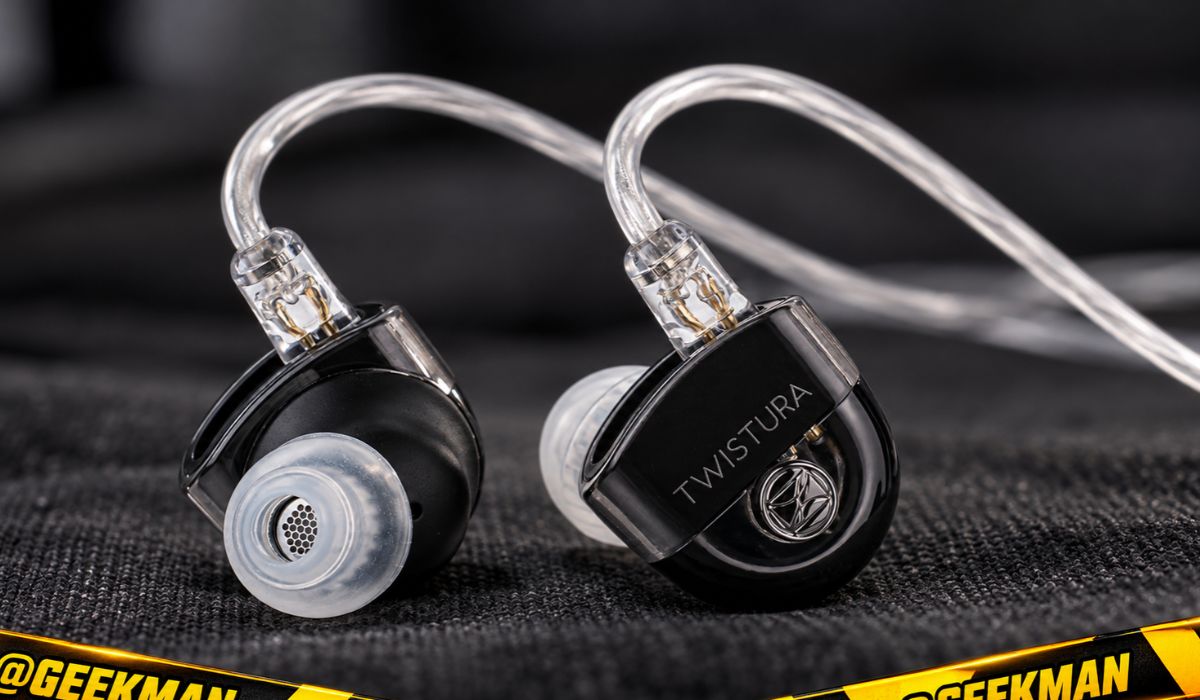
8.0Geekman Score
7.6 Performance
8.8 Value
7.0 Service
10 mm dual-magnet driver · 3 acoustic filters · Includes Type-C DAC adapter · Mic · iemranking 6.4
Best for
✓ Buyers who want to try different sound signatures with one IEM
✓ People who want a complete kit (DAC, pouch, six pairs of tips) with no extra purchases
✓ Listeners who like crisp vocals and wide, airy sound at moderate volume
Skip if
• You want big bass by default (the Twistura Delta or KZ Duonic are bassier)
• You listen loud (reviewers heard sibilance and shouty vocals at high volume)
• You have small ears or dislike unusual shell shapes (fit is subjective; the FiiO JD1 is easier)
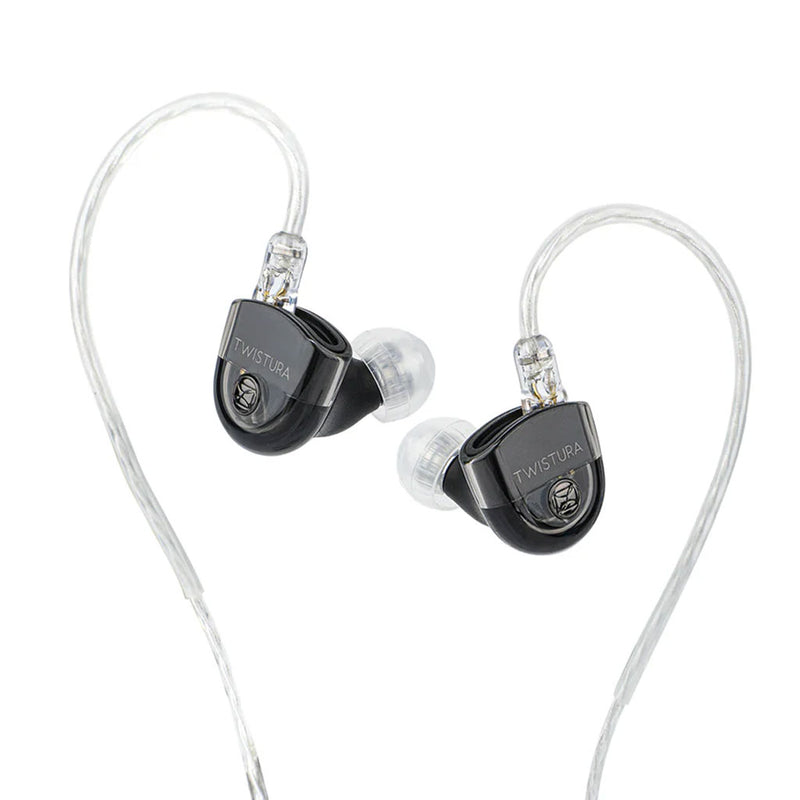
My take: The D-Minor is about value in the box: three screw-on nozzles that change the tuning, a tangle-free silver-plated cable and a CX31993 USB-C DAC dongle, so it works on a Type-C phone straight away. The sound is clear, wide and vocal-friendly rather than bass-heavy. The catches are fit, which depends on your ears, and a tune that gets edgy if you push the volume.
Pros and cons
What I like
+ Three tuning nozzles
+ USB-C DAC dongle, pouch and six pairs of tips included
+ Tangle-free silver-plated cable
+ Wide stage with good separation
What I don’t like
• Sibilance at high volume
• Fit depends on ear shape and tip choice
• Not bassy by default
My full review: who it suits, what it is like and how it compares
Who should buy it. Someone buying their first proper IEM who doesn’t want to buy a DAC separately and likes the idea of changing the sound with nozzles. It also suits people moving up from a Tangzu Wan’er who want a wider sound. Bassheads should look elsewhere: this is not a bass-forward IEM out of the box.
Sound. A 10 mm dual-magnet dynamic driver with an LCP dome, 30 ohm and 108 dB. The black nozzle is the smooth, reference-style one, and the other two add more bass or more bite. Reviewers didn’t fully agree on which colour does what, so try all three. With the bassier blue nozzle, one reviewer found the bass punchy but slightly muddy and lacking texture, while mids stayed clean. Another found the overall sound wide and spacious, with crisp, slightly bright vocals and excellent separation, but not enough bass for war films. Both found it best at moderate volume; at high volume sibilance and shouty vocals creep in.
Fit, cable and build. Zinc alloy front and resin back in an unusual shape. One reviewer found it very comfortable for long sessions; another felt the sticky default tips pushed the IEMs out and had to switch tips, and found long sessions tiring at first. The silver-plated OFC cable is a highlight: tangle-free and well finished, with an in-line mic. One reviewer’s mic cable had no volume buttons, so check the variant. Warranty is one year on the IEMs, one month on the cable.
Driving it. The included DAC dongle uses the CX31993 chip, the same as Audiocular’s D07, and handles Hi-Res playback from a phone. At 30 ohm it is easy to drive, so the dongle has plenty of power for normal listening. You don’t need anything else to get started, which is rare in this class.
D-Minor or Delta? Get the D-Minor if you want everything in the box, including a DAC dongle for a Type-C phone, and a clear, wide sound. Get the Delta if you want bigger bass and can live with a thin stock cable.
D-Minor or Phoenix? Both sound their best through a dongle, but the D-Minor ships with one and the Phoenix does not. The Phoenix is the better gaming IEM, with a full metal shell, a wide stage and sharp imaging. The D-Minor is the easier all-round buy for music, with swappable nozzles and a better cable.
Key specs
| Driver | 10 mm dual-magnet dynamic, LCP dome |
| Impedance and sensitivity | 30 ohm, 108 dB/Vrms |
| Frequency response | 15 Hz to 37 kHz |
| Cable | Detachable 0.78 mm 2-pin, silver-plated OFC, 3.5 mm plug with mic; CX31993 USB-C DAC dongle included |
| Warranty | IEM 1 year, cable 1 month |
| Nozzles | 3 swappable tuning nozzles (black, red, blue) |
Best Premium Pick
3. AFUL Explorer
7.9Geekman Score
9.0 Performance
7.0 Value
7.5 Service
1 dynamic + 2 BA · Warm, bass-tilted · 3.5mm or 4.4mm plug · Detachable 2-pin · iemranking 7.1
Best for
✓ Listeners who want rich bass and a relaxed, fatigue-free top end
✓ Movie and game fans who like weighty effects with accurate direction
✓ People who want a small, secure semi-custom fit they can wear for hours
Skip if
• You want vocals pushed forward (a brighter or more vocal-focused IEM like the Truthear Hexa suits that)
• You want the widest stereo stage (rivals like the FiiO FH3 sound wider)
• You only have a Type-C phone and don’t want to buy a dongle (it has only 3.5mm or 4.4mm plugs)
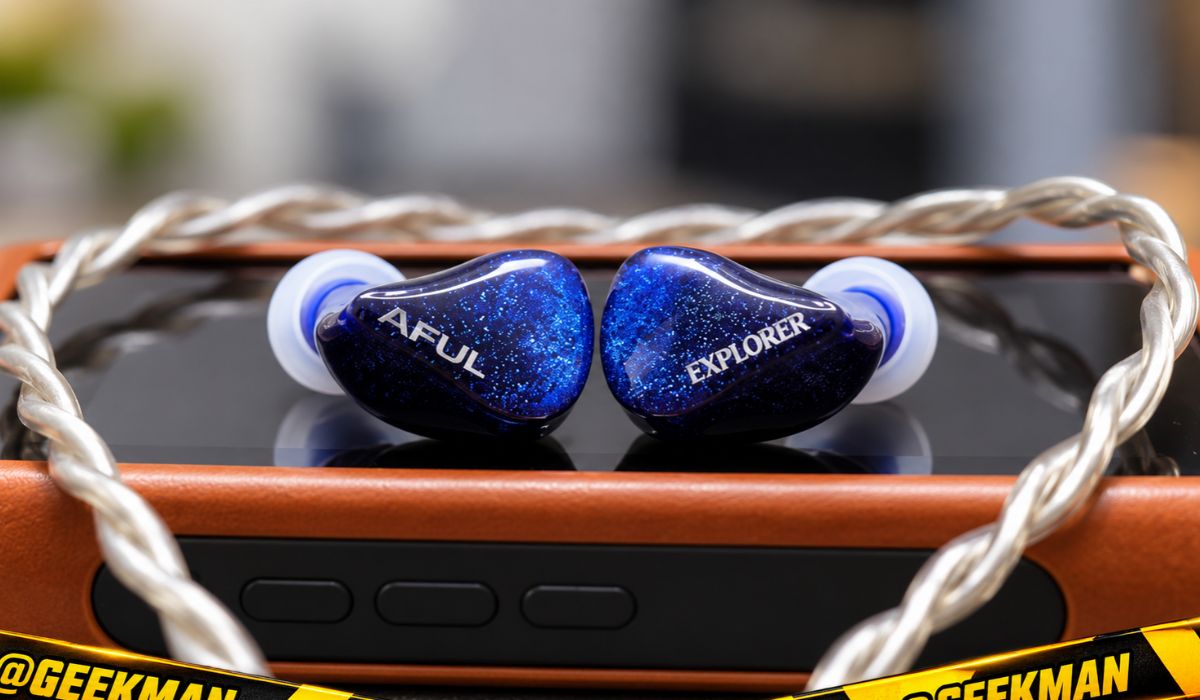
My take: The Explorer is a polished take on a warm, bassy sound. The dynamic driver gives full bass with real impact, two balanced armatures keep the treble smooth yet clear, and the result never sounds muddy or harsh. The catch is that vocals sit a little back in the mix, so it is not the one for vocal lovers, and you need a DAC dongle with a modern phone.

AFUL Explorer (Headphone Zone)

Pros and cons
What I like
+ Warm, weighty bass that stays clear
+ Smooth, non-fatiguing treble with some sparkle
+ Secure, comfortable semi-custom fit
+ Good cable and carry case
What I don’t like
• Vocals sit slightly back
• Stage not the widest
• No Type-C option, needs a dongle on most phones
My full review: who it suits, what it is like and how it compares
Who should buy it. Someone upgrading from a budget IEM who likes bass but is tired of sharp treble. It is easy to listen to for hours, and reviewers found it just as good for films and gaming as for music. It needs a source with a 3.5mm or 4.4mm output, so add a Type-C dongle DAC if your phone has no headphone jack.
Sound. A hybrid of one dynamic driver and two balanced armatures, tuned warm. Bass is mostly sub-bass focused but still carries mid-bass weight above the Harman curve, so kick drums and door slams have real thump. The upper mids are relaxed, which puts vocals slightly into the mix rather than in front. Treble is smooth and rounded with very little sibilance, yet it keeps a bit of sparkle and bite, so the sound is clear rather than dark and thick. Detail comes through even at low volume. The stage is not the widest, but depth and spatial rendering are good, and one reviewer found reverb and room acoustics more believable than on cheaper rivals.
Fit, cable and build. A medium-small semi-custom resin shell with a long, slim nozzle for easy, deep insertion. It sits securely, light enough that one reviewer even sleeps with it in. It isolates strongly, so people sensitive to pressure might notice it. The thick silver-plated cable has little memory, a working chin slider and a 0.78 mm 2-pin connector, with a choice of 3.5mm or 4.4mm balanced plug. You also get a compact carry case and two styles of tips.
Driving it. Low impedance and good sensitivity make it easy to drive from an ordinary dongle DAC; it doesn’t need a dedicated amp. The 4.4mm version only makes sense if your dongle or player has a balanced output. Otherwise pick the 3.5mm cable and any decent Type-C dongle.
Explorer or Hexa? Choose the Explorer if most IEMs sound too bright to you and you want full bass with real impact and smooth treble. Choose the Hexa if you want vocals pushed forward, more detail and a neutral, reference-style sound. Neither has a mic.
Explorer or EW300? Both are warm and smooth for long sessions. The Explorer has more bass impact and strong isolation from its semi-custom shell, but it needs a dongle on a Type-C phone. The EW300 offers swappable nozzles and a Type-C DSP version with a mic, so it is the simpler pick if you don’t own a DAC.
Key specs
| Drivers | 8 mm bio-cellulose dynamic + 2 balanced armatures |
| Impedance and sensitivity | 26 ohm, 108 dB/mW |
| Frequency response | 10 Hz to 30 kHz |
| Cable | 1.2 m silver-plated copper, 0.78 mm 2-pin, 3.5 mm or 4.4 mm balanced plug |
| Warranty | 1 year (AFUL) |
Best Tribrid Under ₹10,000
4. Simgot EW300
7.9Geekman Score
8.2 Performance
7.5 Value
8.0 Service
A warm, smooth tribrid IEM for people who listen to music for hours and hate sharp treble, with swappable nozzles to push the bass further.
Dynamic + planar + piezo · V-shaped tuning · Two swappable nozzles · Standard, HBB or DSP edition · iemranking 6.7
Best for
✓ Music-first listeners who want deep, clean bass without any treble fatigue
✓ Treble-sensitive people who found bright IEMs tiring
✓ Phone users who pick the DSP version and want a Type-C plug, mic and no separate dongle
Skip if
• You mainly game (the CCA Phoenix gives you the same footstep clarity for far less)
• You like sparkle and air on top (the treble is deliberately rolled off)
• You want a mic on the standard or HBB version (only the DSP Type-C version has one)
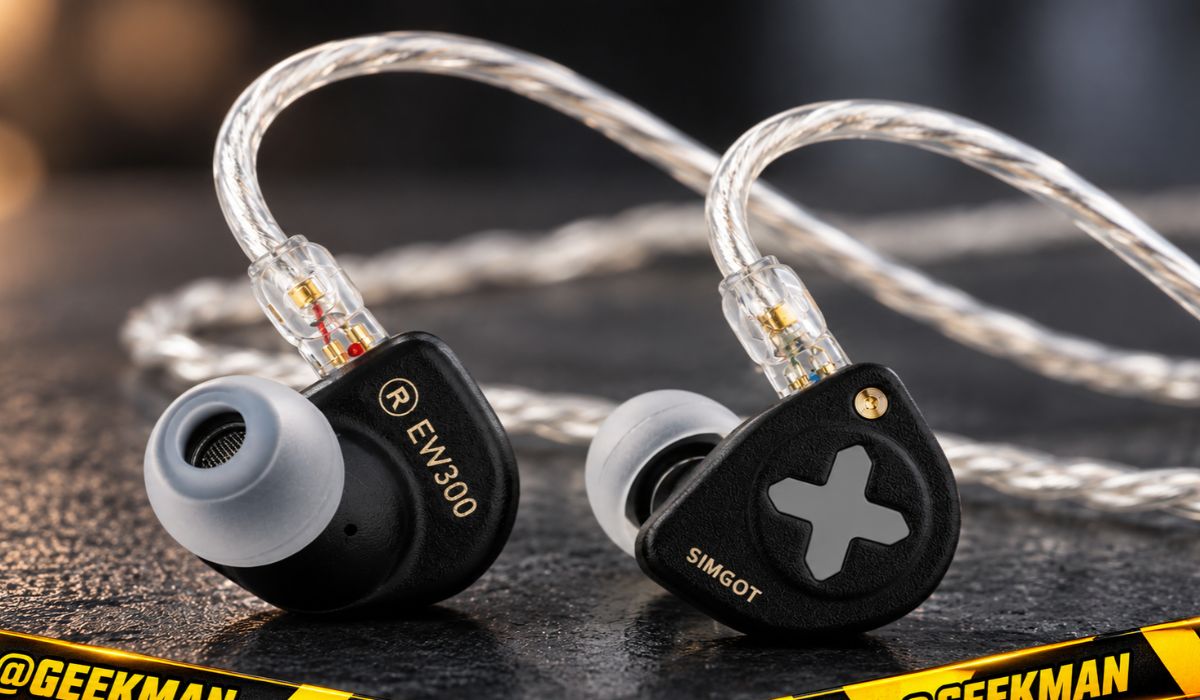
My take: The EW300 is the one I’d pick here if long, relaxed music sessions matter more than anything else. It has a dynamic driver, a planar and a piezo driver per side, and the tune is warm with real sub-bass rumble that stays out of the vocals. The catch is value for gaming: reviewers who compared it with the much cheaper CCA Phoenix heard no real difference in games, and the soundstage is only average for the money.

Simgot EW300 (Headphone Zone)

Up to 11% instant discount on select credit cards; cashback on Amazon Pay ICICI cards Details
- Up to 11% instant discount on select credit cards; cashback on Amazon Pay ICICI cards
Pros and cons
What I like
+ Warm, smooth tune with clean sub-bass
+ Zero treble fatigue, good for long sessions
+ Light, compact metal shells
+ DSP version plugs straight into Type-C with a mic
What I don’t like
• Costs much more than gaming-equal rivals
• Soundstage is only average
• Standard and HBB versions have no mic
My full review: who it suits, what it is like and how it compares
Who should buy it. Someone stepping up from a budget IEM who mostly listens to music and wants a richer, warmer sound without any harshness. It comes in three versions: the standard and HBB editions end in 3.5mm with no mic, and the DSP edition ends in a Type-C plug with a built-in DAC, an inline mic and a remote. For most phone users I’d take the DSP version, since you skip buying a dongle and get a mic for calls and games.
Sound. This is a warm, slightly dark tune. Bass is clearly fuller than on Simgot’s older EW200, with a good amount of sub-bass rumble that does not bleed into the mids. Male and female vocals have body and richness, and instrument separation is good for guitars and drums. Treble is smooth, with the 4 to 6 kHz region and the sibilance zone pulled down, so it stays easy to listen to even at higher volume. Two honest catches: piano can pick up a slightly metallic tone, and the soundstage could be wider. The DSP version rolls off the treble even more than the analog one.
Nozzles and tuning. You get two sets of nozzles in the box. The silver ones are the default and the more balanced choice. The gold nozzles add warmth and bass and cut the treble further, but reviewers found that this makes the top end sound short on detail and the stage a little narrower. Most people will fit the silver pair and leave them there, since swapping nozzles every day is not practical.
Fit, cable and build. The shells are all metal, compact and light, and reviewers found them lighter than the CCA Phoenix, so long gaming or movie sessions are easy. The analog version’s silver-plated cable feels sturdy and premium. The DSP version’s cable is the weaker part: decent materials, but stiffer and less refined than you’d expect at this level. Its L-shaped Type-C plug is handy for gaming with the phone held sideways.
Gaming. Footsteps are clear and gunshot direction is easy to place in BGMI and Free Fire. But a reviewer who played the same games on the CCA Phoenix could not hear a difference, so I would not pay extra for this purely for gaming. If you play a lot and also love music, the DSP version with its mic makes the most sense.
EW300 or Phoenix? Buy the EW300 for hours of relaxed music: warm sub-bass, smooth rolled-off treble and light, compact shells. If you mainly game, buy the Phoenix, since a reviewer who compared the two heard no real difference in games and the Phoenix has the wider stage.
Best Under ₹3,000
5. CCA Phoenix
7.8Geekman Score
7.0 Performance
8.8 Value
7.5 Service
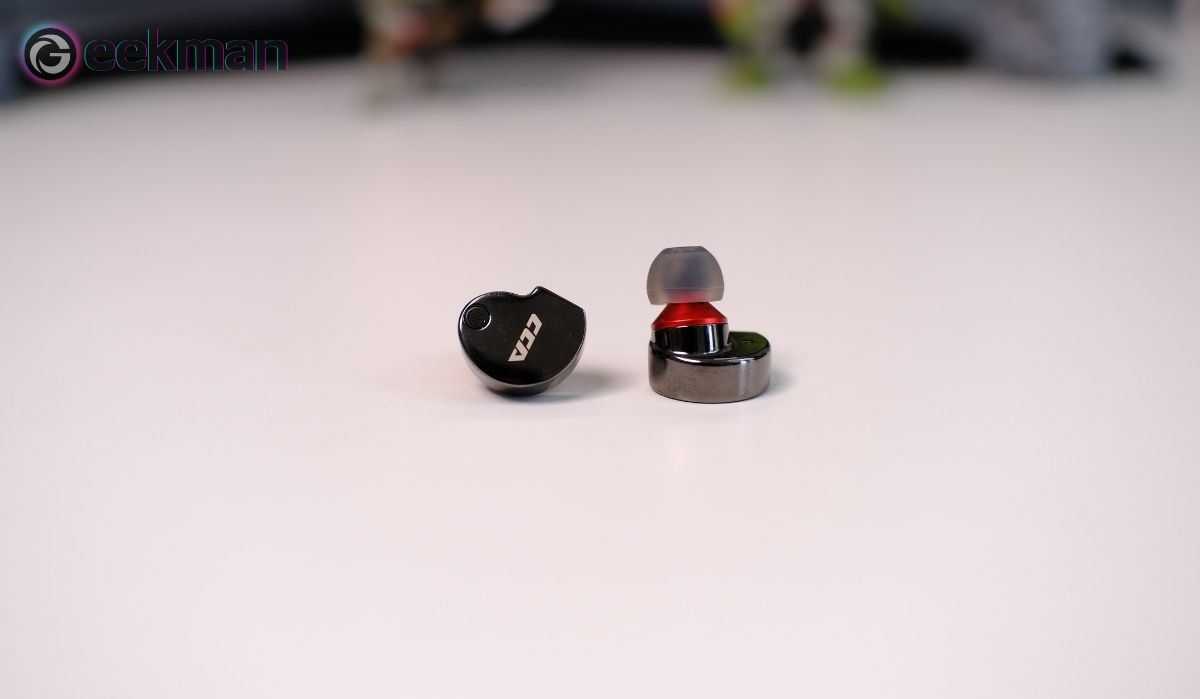
My value pick for gaming plus music: a full metal IEM with a wide stage, sharp imaging and extended treble. Add a cheap dongle and it gets much better.
10 mm dual-magnet LCP driver · 3 acoustic filters + 4 nozzles · DAC adapter included · Mic · iemranking 6.1
Best for
✓ Mobile and PC gamers who want clear footstep direction in BGMI and Valorant
✓ Detail lovers who like extended, airy treble
✓ Buyers who already own a basic Type-C dongle or plan to buy one
Skip if
• Bassheads (bass quantity is moderate; the Red Lion or a KZ Castor suits you better)
• Treble-sensitive listeners (the Simgot EW300 or Wan’er SG are much smoother)
• You want the best sound straight from a phone with no dongle (the Wan’er SG sounds fine from a phone)
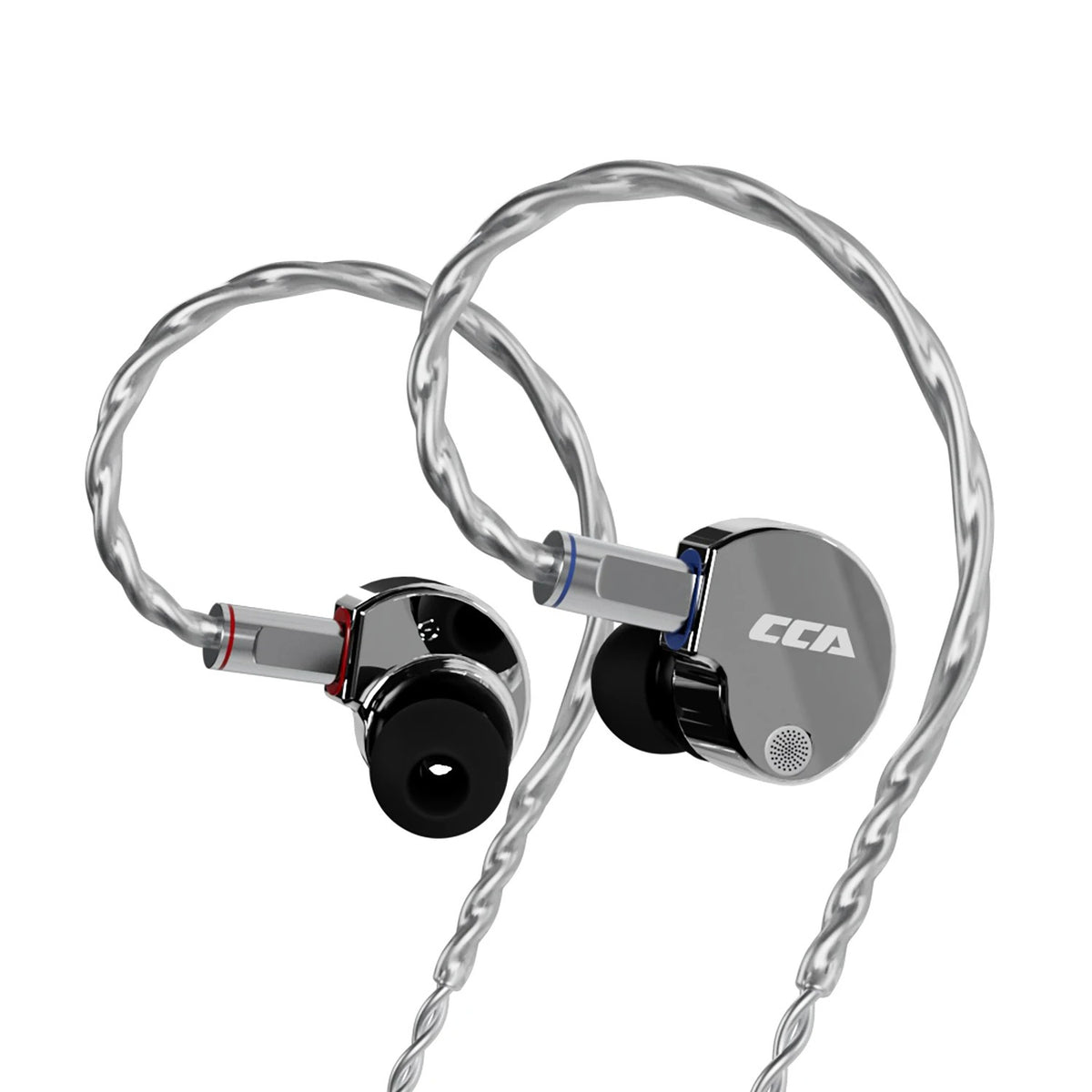
My take: I tested this one, and in my full review I called it the new value champion in its range. It punches above its price on build, soundstage and gaming, and the cable and box feel premium. The honest catch: straight from a phone it is just a decent V-shaped IEM with loose bass and slightly harsh treble at high volume. With even a basic USB-C dongle the sound transforms.
CCA Phoenix (The Audio Store)
Pros and cons
What I like
+ Full metal shell at this price
+ Wide stage and precise imaging for gaming
+ Extended, detailed treble
+ Premium cable and accessories
What I don’t like
• Treble can feel bright at first
• Sounds only average without a dongle
• Metal shell feels heavier over long sessions
My full review: who it suits, what it is like and how it compares
Who should buy it. Someone who wants one IEM for gaming and music and cares about detail and positioning more than big bass. It comes in 3.5mm or Type-C, with or without a mic, in purple, silver and grey. If you buy the 3.5mm version, budget for a basic dongle, because that is where this IEM shows what it can do.
Sound. Bass quantity is moderate but the quality is excellent: sub-bass rumble is clean and stays separate from vocals in busy mixes, though EDM and hip-hop feel a little restrained. Mids have presence and male vocals get warmth, but upper mids can turn slightly shouty at high volume. The treble is the highlight, extended and detailed, and in my testing it was the best I had heard in this budget. Treble-sensitive people may find it bright at first. Soundstage is wide with some height, and imaging is among the best in the segment.
Driving it. This matters more than usual here. Straight from a phone I found it a decent V-shaped IEM and nothing more, with loose bass and a touch of harshness at higher volume. With a basic USB-C dongle the sound transformed: tighter bass, fuller mids and a wider stage. The gain was bigger than I’ve heard from most budget IEMs. At 33 ohm and 108 dB it gets loud easily; it simply sounds better with a cleaner source.
Fit, cable and build. The shell is full metal, which nothing else popular in this range offers, and it feels cold and solid in the hand. It is bean-shaped and I wore it for 3 to 4 hours without real issues, but metal is heavier than plastic and you feel it over long sessions. Isolation is good. The silver-plated cable with 0.78mm 2-pin connectors does not tangle much and feels like an upgrade cable. Two small things: the metal shows fingerprints and dust, and some owners have reported the finish chipping.
Gaming and mic. For gaming I rate it the best IEM in its price bracket right now: footstep direction in BGMI is clear and agent movement in Valorant tracks accurately. The mic is only on the mic variants; it handles daily calls and Discord fine but is not studio quality.
Phoenix or D1? The Phoenix is the better buy for most people: full metal build, a wider stage, top imaging and extended treble once you add a dongle. The D1 is smoother on top, with a punchy mid-bass and a clear inline mic, and one reviewer even preferred it for gaming. Pick the D1 if bright treble bothers you.
Best Neutral Hybrid
6. Truthear Hexa
7.6Geekman Score
7.8 Performance
7.0 Value
8.5 Service
An almost textbook neutral hybrid for listeners who want accuracy and detail over fun, in a small shell that fits and stays put.
1 dynamic + 3 BA · Neutral tuning · Detachable 2-pin · Two tip sets + foam · iemranking 6.5
Best for
✓ Listeners who want a neutral, reference-style tune for every genre
✓ Detail lovers who want strong separation and resolution for the money
✓ People who need a compact, secure fit for long wear or lying down
Skip if
• You want punchy or fun bass (the Truthear Pure or Red Lion are warmer)
• Your recordings are old or poorly mastered (neutral will not flatter them)
• You need a mic (the cable has none)
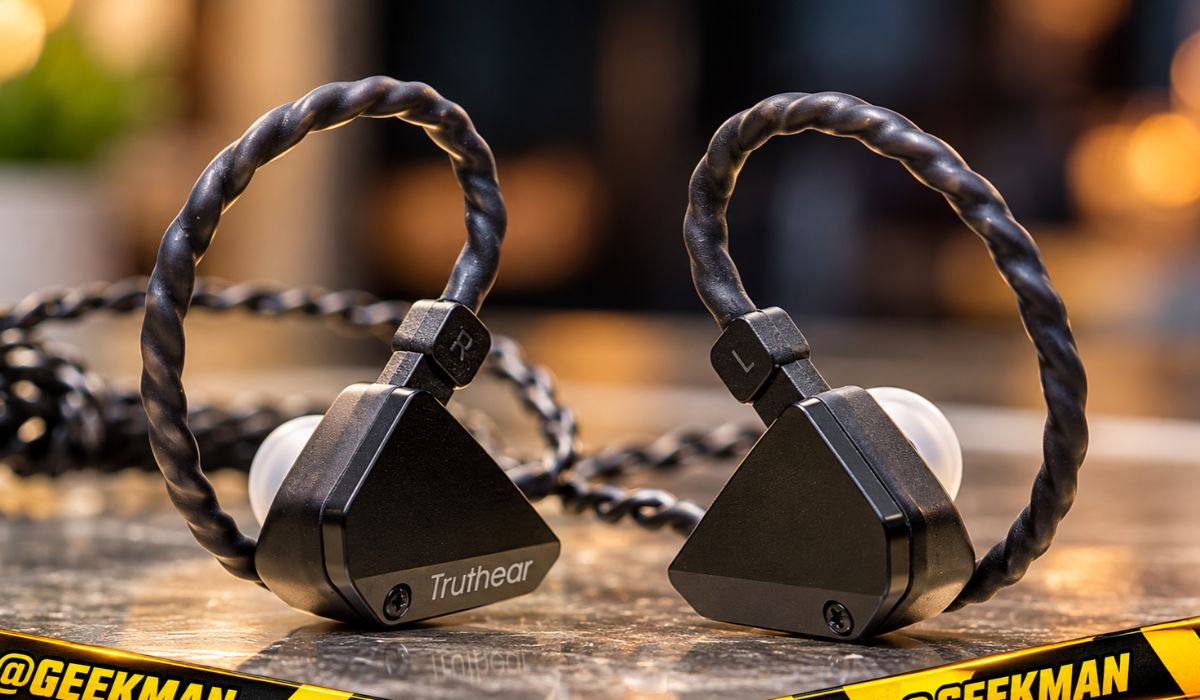
My take: The Hexa is the pick for people who want to hear music as it was mixed. One dynamic driver and three balanced armatures give a neutral tune with a little sub-bass lift, smooth treble that never turns strident, and detail retrieval that reviewers rate among the best in its class. The catch is that it can sound clinical: bass hits a little slow and soft, and vocals can come across slightly sterile next to warmer sets.

Truthear Hexa (Headphone Zone)
Pros and cons
What I like
+ Near-neutral tune with strong detail
+ Smooth treble with no stridence
+ Compact, secure, comfortable fit
+ Easy to drive
What I don’t like
• Bass is a little slow and soft
• Can sound clinical with dull vocals
• No mic option
My full review: who it suits, what it is like and how it compares
Who should buy it. A listener who already knows they like a balanced, uncoloured sound, or someone who mixes, edits or just wants a truthful reference. It is easy to drive from a phone dongle and comes with a 3.5mm cable and no mic. If you are buying your first IEM and want something more fun, the Red Lion or CCA Phoenix will feel more exciting.
Sound. Neutral with a slightly warm lower midrange and a mild sub-bass lift, so kick drums have weight without the bass ever bloating. Mids are uncoloured and precise, and resolution and separation are strong for the price. Treble is smooth and never sharp, which is rare for budget balanced armatures, though it leans to the easy side and some ears want more sparkle and bite on guitar plucks. The soundstage is intimate rather than wide. Bass is not the most articulate: its attack is a little slow and soft, and the drop from sub-bass to mid-bass feels abrupt to some ears. Narrow-bore tips add some thump.
Fit, cable and build. The shells are medium-small, with a metal outer face and a 3D-printed inner shell. The nozzle is about 6.2mm wide but runs straight, so most ears get a comfortable fit, and one reviewer even slept in them. It stays in place better than most IEMs in its range and isolates well. Opinions on the stock cable are split: one reviewer found it light, supple and free of noise, while another called it poor next to the Truthear Pure’s cable. You get a soft pouch, six pairs of silicone tips and one foam pair.
Gaming. The neutral tune and good separation make positional cues easy to follow, and the Hexa is often suggested as a pick for FPS games. Some listeners find its upper mids a little energetic and fatiguing over long sessions, so if you are sensitive to that, try foam tips or a warmer set.
Hexa or Explorer? The Hexa is for accuracy and detail, the Explorer for warmth and bass. If you want vocals forward and the music as it was mixed, the Hexa wins.
Best Budget Planar Hybrid
7. KZ Duonic
7.5Geekman Score
6.4 Performance
8.4 Value
8.0 Service
The most fun and most tunable IEM in this budget: planar treble, punchy bass, four switches, and four DSP modes on the Type-C version.
Dynamic + planar driver · U-shaped tuning · 3 versions · 3.5mm or Type-C · 1 year warranty
Best for
✓ First-time IEM buyers with a Type-C phone who want to experiment with sound
✓ Bass lovers and phone gamers who want clear footsteps in BGMI and Valorant
✓ Comfort-sensitive users who found the Castor Pro heavy
Skip if
• Vocals are your priority (the Tangzu Red Lion or Moondrop Chu II is better)
• Bright treble bothers you
• You want an app EQ (the DSP modes are fixed presets)
My take: I tested this one, and it is the most fun IEM I’d recommend in this budget. One 8mm dynamic driver and one planar per side give fast, punchy bass and an airy, detailed top end, and the switches plus the Type-C version’s four DSP modes change the sound a lot. The catch is that vocals sit a step back and Standard mode can be a little bright. Buy the black Bass Improved switch version, and the Type-C one if you don’t own a DAC (full review).
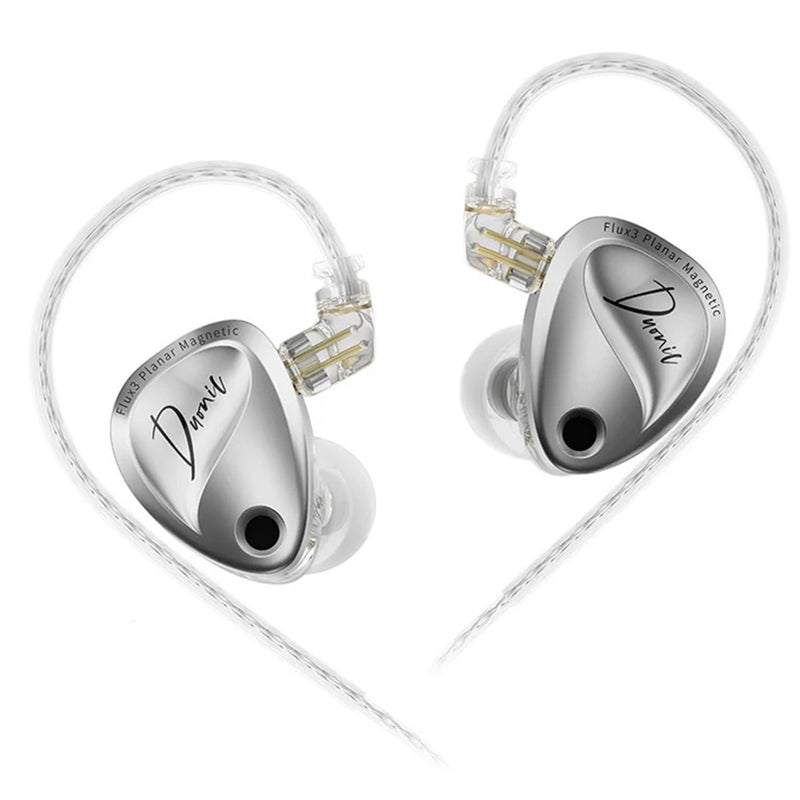
KZ Duonic (Headphone Zone)
Pros and cons
What I like
+ Fast, punchy bass and airy planar treble
+ Four switches plus four DSP modes on Type-C
+ Light and comfortable
+ Very good dual mic
What I don’t like
• Vocals sit back, lower mids are thin
• Can be bright in Standard mode
• Confusing variants; cable tangles
My full review: who it suits, what it is like and how it compares
Who should buy it. A first IEM for someone moving up from earbuds, especially if your phone only has Type-C. The Type-C DSP version needs no dongle and gives four modes (Standard, Bass Boost, Immersive Gaming and Hi-Fi) with an LED that shows which one is on. If you already use a DAC or have a headphone jack, the 3.5mm version costs less. Skip the silver version without switches; I only recommend the black Bass Improved one.
Sound. It is a fun V-shape. Bass is the highlight in my testing: fast, punchy, with real sub-bass rumble, and strong even with every switch off. The planar gives the treble shimmer and an airy feel that is rare at this price, with good micro detail. Vocals are natural but sit a step back, and in Standard mode some people will find the top end bright. Another reviewer found the lower mids too hollow for classical and old rock, so this is a bass-and-sparkle IEM, not a vocal one.
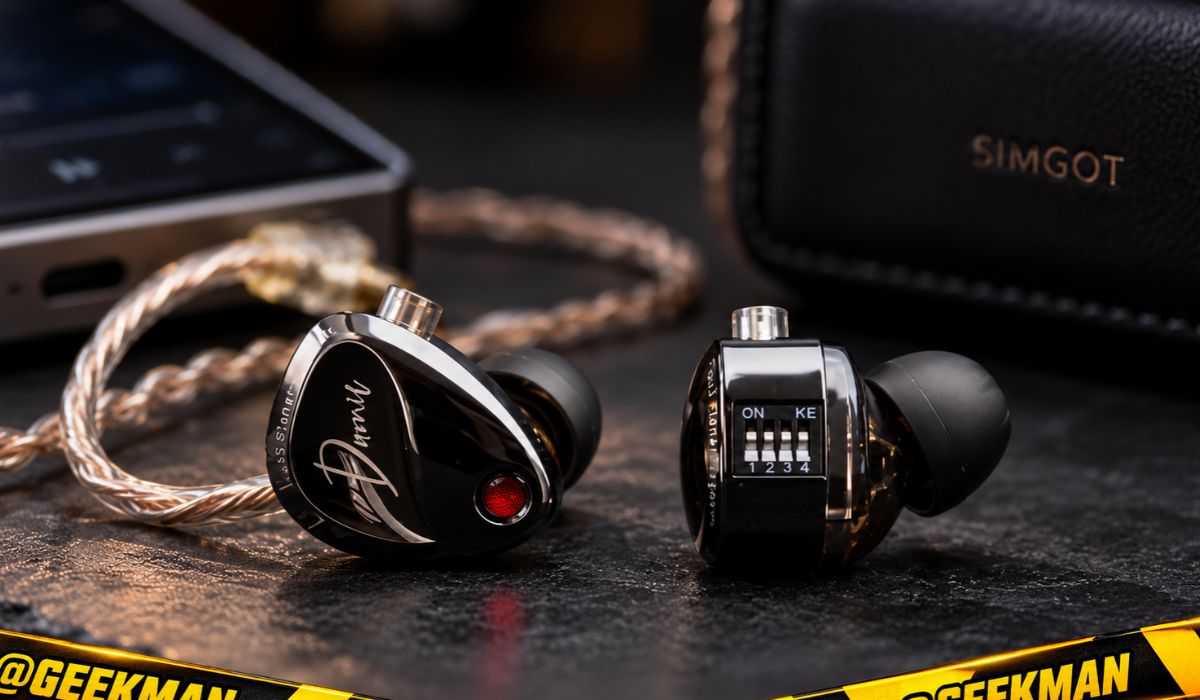
Switches and DSP modes. Switch 1 adds about 1 dB of bass, switches 1 and 2 add about 2 dB, and switches 3 and 4 lift mids and highs in steps. You hear the change, but it won’t transform the IEM; the DSP modes make the bigger difference. My go-to settings were Standard with switches 1 and 3 on for music, Hi-Fi for movies and male vocals, and Immersive Gaming with the switches off for games. There is no app and no EQ slider, and you need the small pin tool in the box to flip the switches.
Fit, mic and gaming. Comfort is where it shines: it is lighter and smaller than the Castor Pro’s zinc shell. The stage is wide and imaging sharp, so footsteps in BGMI and Valorant are easy to place and explosions are fun. The dual 6mm condenser mic is one of the best at this price, and other reviewers found it louder and clearer than typical IEM mics. The cable is decent but not tangle-free, and one reviewer’s unit had a switch panel fitted upside down, so check yours when it arrives.
Duonic or Red Lion? Get the Duonic for punchy bass, airy planar treble, tuning switches and a great mic for gaming and calls. Get the Red Lion if vocals matter most: they sit clearly forward, the treble sparkles without turning sharp and the cable is lovely, though it is weak for competitive gaming.
Best Neutral Under ₹6,000
8. Truthear x Crinacle Zero:Red
7.4Geekman Score
7.2 Performance
7.2 Value
8.0 Service
A warm-neutral, deep-sub-bass IEM for relaxed listening to male vocals, jazz and acoustic tracks, but only if your ears can take a big nozzle.
Dual dynamic drivers · Neutral with bass shelf · 10-ohm bass adapter · Detachable 2-pin · iemranking 6.2
Best for
✓ Listeners into acoustic covers, jazz, lounge and male vocals
✓ Sub-bass fans who want rumble without bloat or muddy vocals
✓ Video editors and podcast listeners who want speech to sound right
Skip if
• You have small ears (the nozzle and shell are large; the Moondrop Chu 3 or Cozoy D1 fit smaller ears)
• You love bright, exciting rock and pop (the CCA Phoenix has far more energy up top)
• You need a mic (there is no mic option)
My take: The Zero:Red is all about smooth, deep sound. Two dynamic drivers give a warm-neutral tune with real sub-bass rumble that never covers vocals, and a 10 ohm adapter in the box adds about 3 dB more bass. The catch is physical: the shell is big and the nozzle is wide, so check your ear size before buying, and treble lovers will find it too safe.
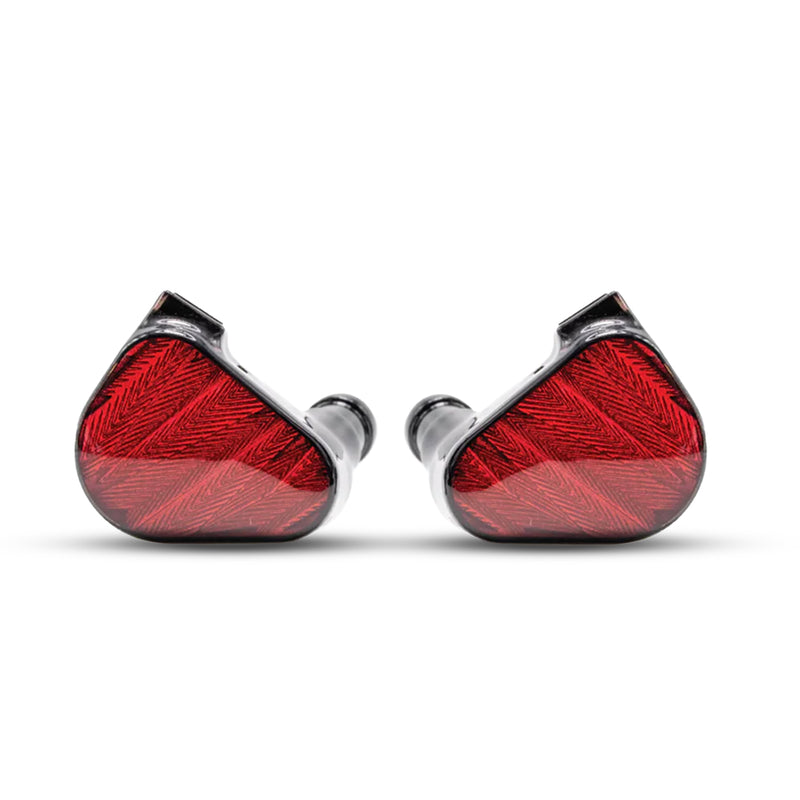
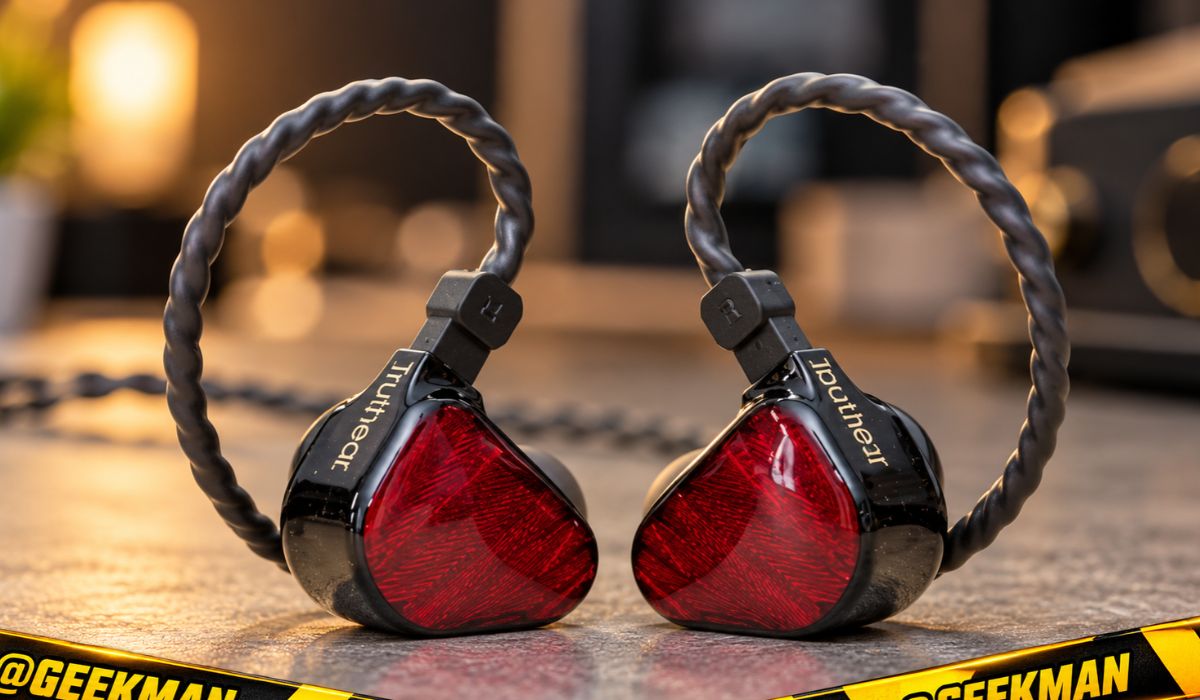
Truthear x Crinacle Zero:Red (Headphone Zone)
Pros and cons
What I like
+ Deep, clean sub-bass that stays out of vocals
+ Smooth, fatigue-free treble
+ Generous box with a bass-boost adapter
+ Very light shells
What I don’t like
• Large shell and wide nozzle limit fit
• Rolled-off treble can sound dull
• No mic, and volume feels weak on weak sources
My full review: who it suits, what it is like and how it compares
Who should buy it. Someone who listens to calm, vocal-led music for hours and wants a warm, rich tone with deep bass. It ends in 3.5mm with no mic, so phone users need a dongle, and a decent one helps because the volume can feel weak from cheaper sources.
Sound. Warm neutral with an enhanced sub-bass. The low end is deep, controlled and tight, and it suits EDM, hip-hop and film scores without overpowering the mids. Male vocals sound deep and smooth. Treble is smooth and relaxed, with a dip in the lower treble that keeps S and T sounds soft. The trade-off: upper air is rolled off, so female vocals, pianos and guitars can sound too smooth or even slightly muffled, and detail is not its strength. The 10 ohm impedance adapter adds about 3 dB of bass but lowers volume a little and softens mid-range resolution.
Fit, cable and build. The resin shell is very light at about 4.5 g per side, but it is physically large and sticks out of the ear, and the nozzle is wide, about 6.8mm at the lip. People with small ears should try their largest-nozzle IEM first. The sunken 2-pin area feels a little fragile, so take care when swapping cables, and it is not a good IEM to sleep in. The silver-plated cable is quiet but plain. The box is generous: six pairs of silicone tips, one foam pair, spare nozzle filters and the impedance adapter.
Gaming. Imaging is surprisingly accurate for direction in Valorant and Rainbow Six, helped by the restrained mid-bass. But the stage feels in-your-head, and in busy fights separation was hit or miss for reviewers, so cues can jumble together. It works for casual FPS play, but a dedicated gaming IEM is better for competitive use.
Zero:Red or Hexa? Both are 3.5mm only with no mic. Take the Zero:Red for warm, deep sub-bass that suits male vocals, jazz and acoustic music, as long as your ears can take its large shell and wide nozzle. Take the Hexa if you want more detail and a small shell that fits almost anyone.
Best Gaming IEM Under ₹6,000
9. KZ Phantom
7.3Geekman Score
7.2 Performance
7.0 Value
8.0 Service
A bright, detailed gaming IEM with a metal shell and bass switches: excellent for hearing footsteps, tiring for long music sessions.
Dynamic driver, N52 magnet · 4 tuning switches · Dual-mic option · 3.5mm or Type-C DSP · iemranking 6.2
Best for
✓ FPS players who want footsteps and reloads to stand out
✓ People who like to tune: four switches change the bass shelf
✓ Players who want a Type-C version with KZ’s DSP presets and a mic
Skip if
• You’re sensitive to treble or listen to music for hours (it is bright and upper-mid forward; the 7Hz Salnotes Zero is calmer)
• You want real bass weight (even with all switches up, bass is light)
• You want plug-and-play EQ with game presets saved to the cable (the Moondrop Rays does that better)
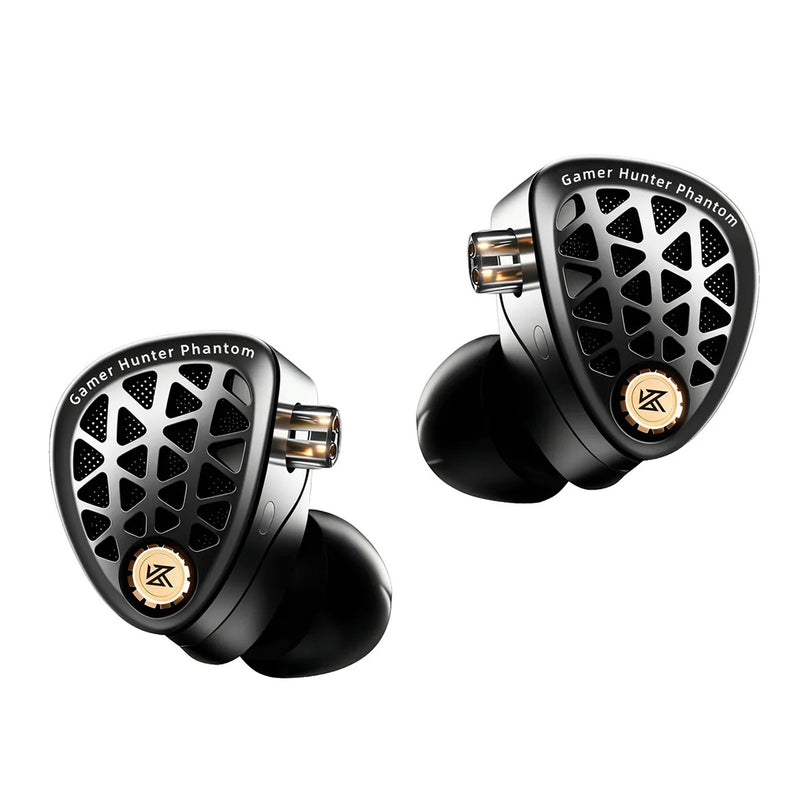
My take: The Phantom is built for hearing things, not feeling them. The metal shell feels premium, the tune is bright with forward upper mids and good treble extension, and that clarity helps in shooters. Even with all four switches up, bass stays light, so for music it can get fatiguing. A small EQ cut around 3 kHz, about 2 dB, makes it much easier to live with.
Pros and cons
What I like
+ Very clear, detailed sound that highlights footsteps
+ Premium die-cast metal shell
+ Switches add bass when you want it
+ 3.5mm and Type-C DSP options with mic
What I don’t like
• Bright tune can tire you on long music sessions
• Bass stays light even with all switches up
My full review: who it suits, what it is like and how it compares
Who should buy it. A competitive FPS player on PC, console or phone who wants an IEM that sharpens footsteps and gunfire direction. Pick the 3.5mm version for controllers and consoles, or the Type-C version, which carries KZ’s DSP sound card with preset modes and virtual 7.1, for phones and PCs. If music is half of what you listen to, a warmer set will be easier on the ears.
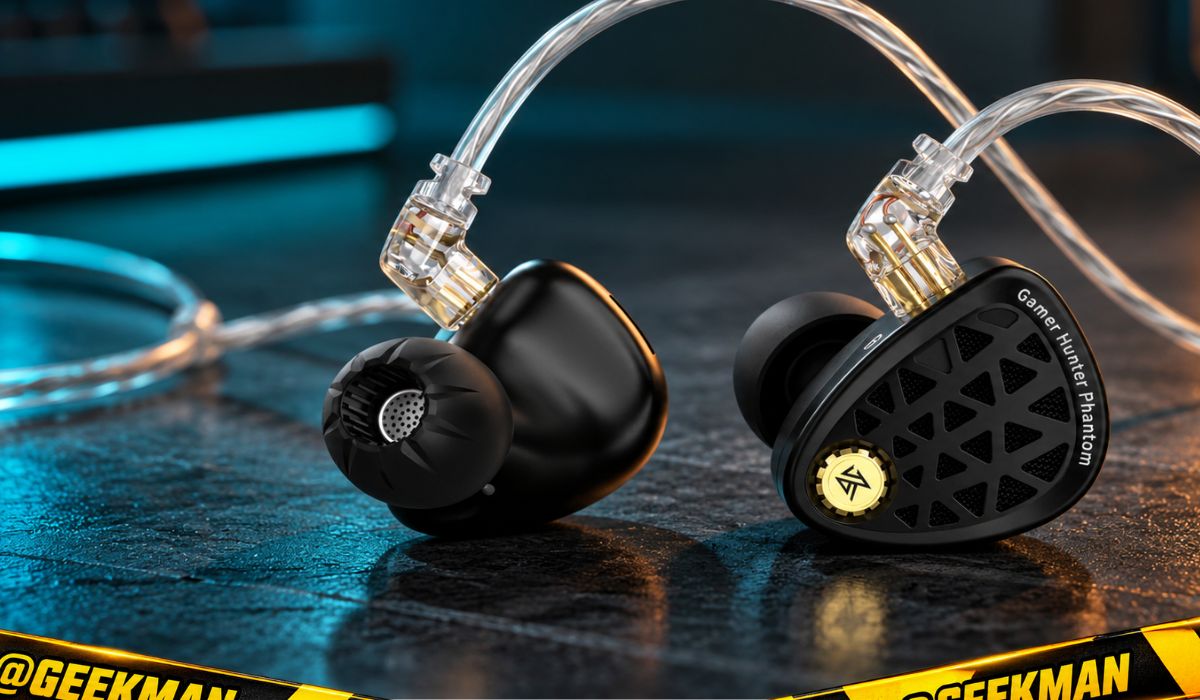
Sound. A single large-diaphragm dynamic driver with a bright, clarity-first tune. On measurements, the switches mainly move the bass shelf, by about 5 dB between all down and all up, while the upper mids and treble stay put. With the switches down it sounds mid-forward and shouty, so most people will run them all up. Even then, bass hits lightly and the treble is more forward than KZ’s own Zenith. Detail and treble extension are good for the price. One reviewer who plays tactical shooters found the bass quality and clarity better than other KZ sets he had used, while another found it too bright for long listening.
Fit, cable and build. The die-cast metal shell feels a clear step above older KZ models and has no sharp edges. There is no fin, and it sits comfortably in most ears. The cable is detachable 0.78mm 2-pin and silver-plated, and the mic versions use a dual-mic array with a mute button on the cable.
Driving it. At 41 ohms with high rated sensitivity, a phone with a basic dongle or the Type-C cable drives it easily; you don’t need an amp. The Type-C version’s DSP card adds preset modes and virtual 7.1. For competitive play I’d stick to plain stereo, which gives the cleanest direction. Because the tune is already bright, avoid pairing it with a dongle that has a hot top end.
Phantom or Rays DSP? The Phantom is brighter and more detail-forward, with a metal shell and a 3.5mm version for consoles, which makes footsteps easy to hear. The Rays DSP is calmer and more neutral, with a USB-C cable that saves EQ and game presets and an AI noise-cancelling mic. For long music sessions too, pick the Rays.
Best for Vocals and Bollywood
10. Tangzu Waner SG 2 Red Lion
7.3Geekman Score
6.8 Performance
7.6 Value
7.5 Service
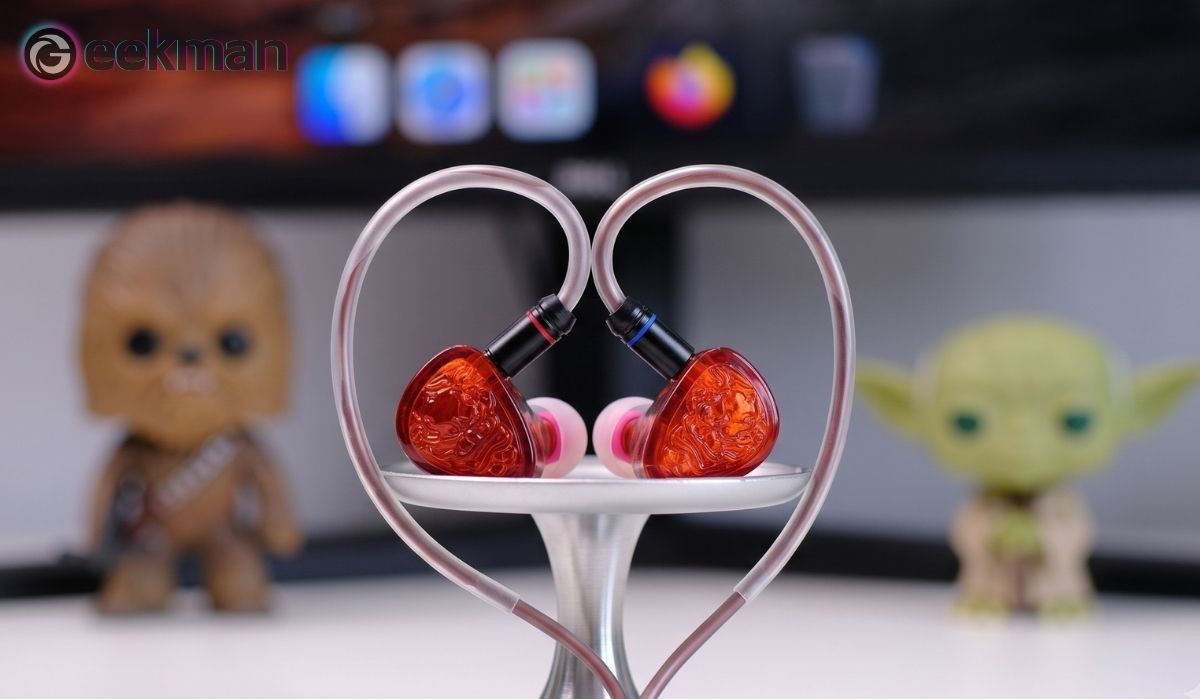
A good-looking, comfortable single-DD IEM with a sub-bass lift, clear vocals and a lovely cable, tuned for Bollywood and pop more than gunfights.
10 mm PET dynamic driver · Warm, bass-tilted neutral · 3.5mm or Type-C · Mic · 1 year warranty
Best for
✓ Music listeners who like Bollywood and pop vocals with a bit of rumble underneath
✓ First-time IEM buyers who want a warm but clean tune
✓ People who want a mic version on 3.5mm or Type-C
Skip if
• Bassheads who want punchy mid-bass (the KZ Castor bass version hits harder)
• Competitive gamers (the CCA Phoenix places footsteps far better)
• You often listen lying down (the soft cable’s ear hooks pop off easily)
My take: The Red Lion is the Wan’er SG 2 with a sub-bass lift, and it is a very easy IEM to like for music: clear, well-placed vocals, enough bass to keep modern songs engaging, and treble with some sparkle that does not turn sharp. Do not buy it as a bass monster, though. The boost is in the deep sub-bass, not the punchy mid-bass, so kicks do not slam.
Tangzu Waner SG 2 Red Lion (Headphone Zone)
Pros and cons
What I like
+ Clear, natural vocals
+ Sub-bass lift without muddiness
+ Premium, soft stock cable
+ Light and comfortable
What I don’t like
• Not punchy enough for real bassheads
• Soft ear hooks slip off when lying down
• Weak for competitive gaming
My full review: who it suits, what it is like and how it compares
Who should buy it. Someone who mainly streams music, especially Bollywood, pop and vocal tracks, and wants a reliable IEM with a good cable and plenty of tips. It comes as 3.5mm with or without a mic, or Type-C with a mic, and at 20 ohm it is easy to drive from a phone.
Sound. Tangzu describes it as neutral with a bass boost, and the boost sits mainly below 60 Hz. You feel rumble in film scores and electronic tracks, but the 80 to 300 Hz punch zone is not raised, so it is a bass-tilted IEM rather than a bass-heavy one. Vocals are clear and well positioned, the strong point Tangzu’s Wan’er line is known for, and the treble adds detail and some sparkle without getting sharp. The difference from the original Wan’er SG is there but not huge.
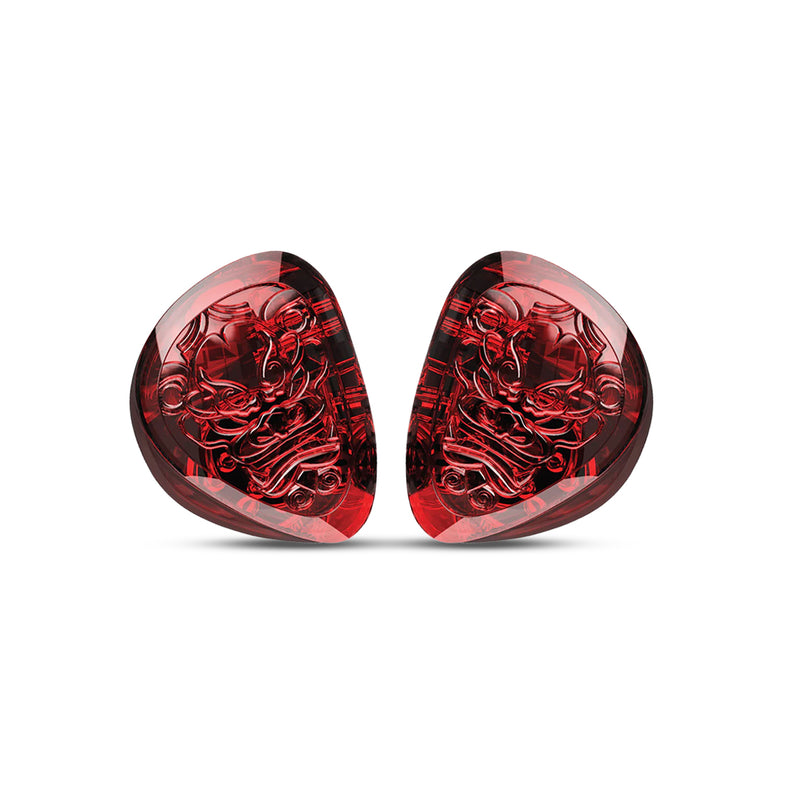
Fit, cable and build. The red resin shells are light, compact and comfortable for long sessions, and the lion-face faceplate looks great. The soft, velvety maroon cable feels premium, better than some far pricier stock cables. Its weakness is the soft ear hook: when you lie in bed or tilt your head, a small tug pops the hooks off your ears, which one reviewer had to fix daily. The magnetic pouch is soft rather than protective, attracts dust, and its magnets can come loose. You get six pairs of tips across two types.
Gaming. Fine for story games and open-world titles, where the bass adds atmosphere. For competitive shooters it struggles: the stage lacks depth, judging footstep distance is hard, and the bass during gunfights becomes tiring. Some owners have also reported cable fragility and channel imbalance, so test both sides as soon as it arrives.
Red Lion or Chu 3? Pick the Red Lion for music: clear vocals and clean, deep bass, and Indian reviewers preferred it over the Chu 3 for listening. Pick the Chu 3 for its tiny metal shell and build, but note it is 3.5mm only with no mic and its sub-bass can sound boomy.
Most Popular Budget Pick
11. Moondrop Chu 3
7.1Geekman Score
6.2 Performance
7.2 Value
8.5 Service
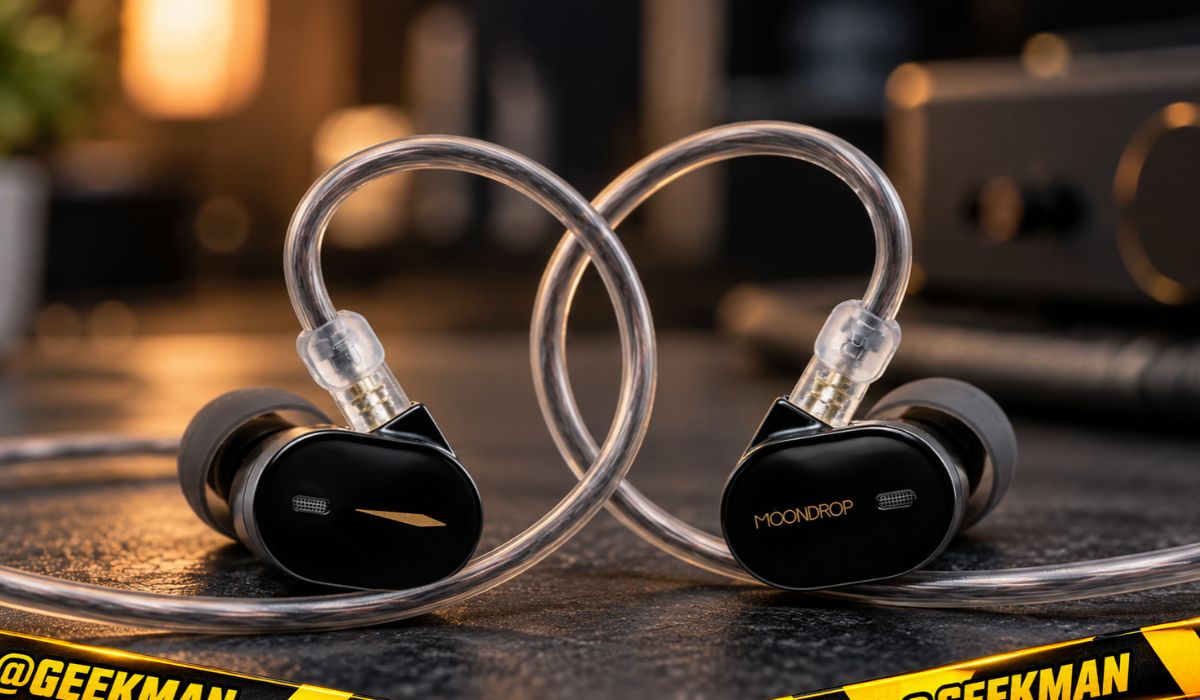
A tiny, beautifully built metal IEM with clean mids and treble, held back by a boomy sub-bass that not every ear will enjoy.
10 mm Al-Mg dynamic driver · Warm Harman tuning · All-metal shell · 3.5mm, no mic · 1 year warranty
Best for
✓ People with small ears who struggle with most IEM shells
✓ Gamers who already have a separate mic and want a compact, comfortable metal IEM
✓ Listeners who like a mid-focused tune with a strong sub-bass lift
Skip if
• You want clean, tight bass (the Red Lion and CCA Phoenix sound clearer in the low end)
• You need a mic or Type-C plug (it is 3.5mm only, with no mic)
• You live in a humid city and sweat a lot (the brass nozzle can tarnish)
My take: The Chu 3 is a mixed bag. The build is superb and the tiny shell fits almost any ear, and the mids and treble are well tuned, with clean vocals and no harshness. But the raised sub-bass can sound boomy and muddy, and Indian reviewers rated it below the Red Lion for music. I’d buy it for fit and build, not for sound value.
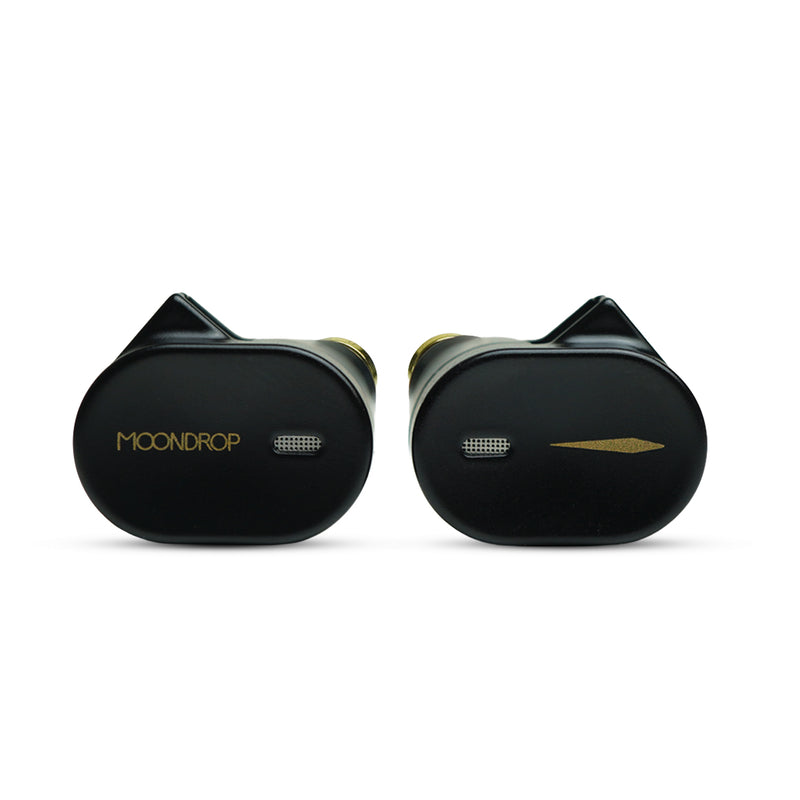
Moondrop Chu 3 (Headphone Zone)
Pros and cons
What I like
+ Tiny shell fits almost every ear
+ Excellent metal build
+ Clean mids and smooth treble
+ Good imaging for games
What I don’t like
• Sub-bass can sound boomy and muddy
• 3.5mm only, no mic
• Brass nozzle can tarnish; flimsy cable and pouch
My full review: who it suits, what it is like and how it compares
Who should buy it. Someone who has found most IEMs too big, or who wants a pocketable metal IEM for gaming with a separate mic. It ends in 3.5mm only and has no mic version, so phone users need a dongle and gamers need another mic for voice chat.
Sound. It follows Moondrop’s JM-1 target with a strong sub-bass lift. Reviewers agree the bass is raised and can turn boomy, especially on drums; one Indian reviewer compared it to an auto-rickshaw rumble and found it muddied clarity. Another review called the bass firm and well defined, just short on texture, so your taste will decide this. The rest is good: mids are slightly forward and clean, vocals sit well in the mix, upper mids are clear and the lower mids lean, and treble has some sparkle without sibilance, though some cymbals sound thin.
Fit, cable and build. This is its strength. The zinc-alloy shells are very small, solidly made and look great in silver, and they seal well in almost every ear size. The weak points are around it: the brass nozzle can tarnish or corrode over time, a known Chu 2 complaint that Moondrop did not fix; the stock cable looks nice but feels flimsy and plain; and the soft pouch is floppy, with a velcro tie that sticks to its lining.
Gaming. The clean mids and focused imaging work well for FPS games, and the compact shell is comfortable for long matches. Directionality is decent for the price. The missing mic is the main problem for mobile gamers.
Chu 3 or Aria 2? Both are Moondrop metal IEMs with no mic. The Chu 3 is far smaller and suits small ears, with clean mids and smooth treble. The Aria 2 is warmer and more musical and has a swappable 3.5mm and 4.4mm plug, but its shells are heavy.
Best for Smooth Vocals
12. Moondrop Aria 2
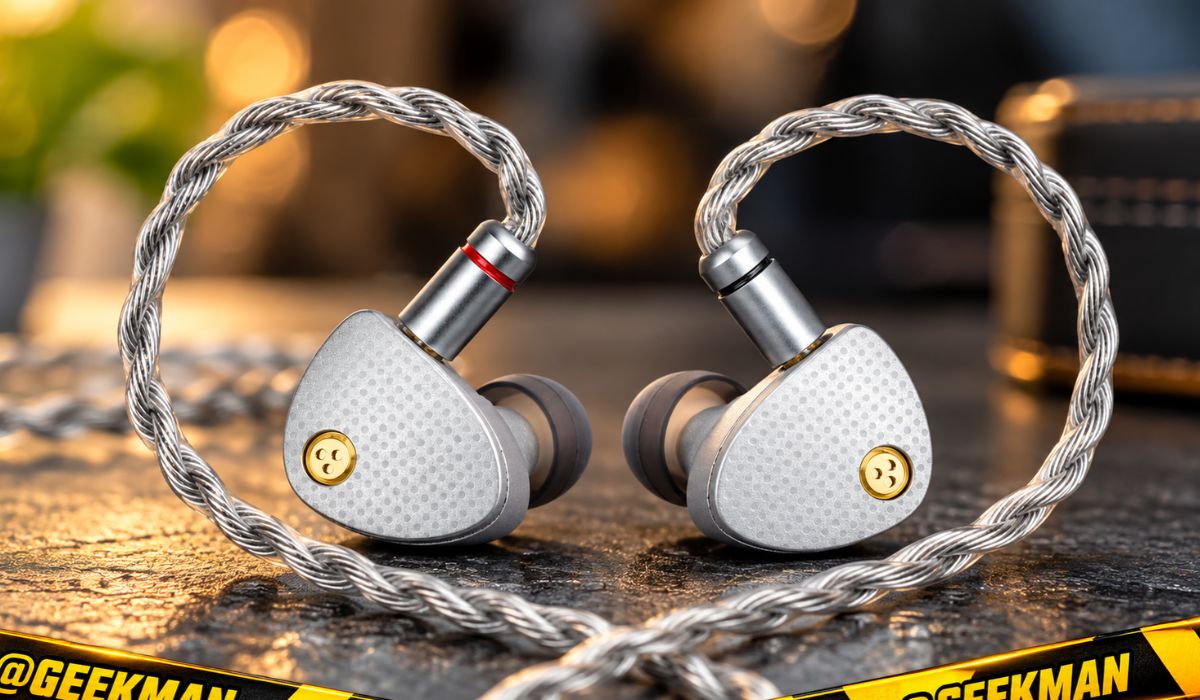
7.1Geekman Score
7.6 Performance
5.8 Value
8.5 Service
A well-built, easy-to-drive single-DD IEM with a warm, musical tune and a swappable 3.5mm/4.4mm cable, but average technical performance for its price.
TiN ceramic dynamic driver · Warm, mid-centric · 3.5mm and 4.4mm plugs · Replaceable nozzle · iemranking 6.4
Best for
✓ Music listeners who want a warm, coherent tune with mid-bass body
✓ Owners of a balanced 4.4mm dongle who want to use it
✓ People who care about a premium cable and metal build
Skip if
• Competitive FPS players (depth and separation are weak; the CCA Phoenix or Cozoy D1 do better)
• You want top detail for the money (the Truthear Hexa resolves more)
• You have small ears or hate heavy shells (the Chu 3 is far smaller)
My take: The Aria 2 sounds pleasant and full, and the cable with its swappable 3.5mm and 4.4mm plugs is a real plus. But it costs more than the CCA Phoenix and does not beat it on detail or gaming, and the shells are heavy. I’d buy it only for its warm tone and build, ideally in a sale.
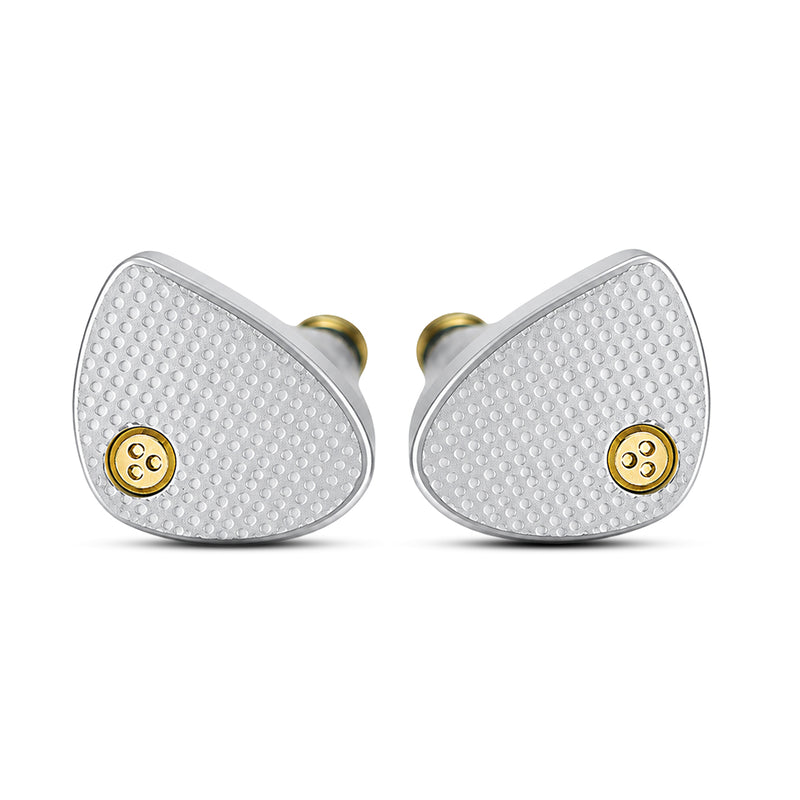
Pros and cons
What I like
+ Warm, musical, coherent tune
+ Swappable 3.5mm and 4.4mm plug
+ Premium braided cable and metal build
+ Easy to drive
What I don’t like
• Average technical performance for the price
• Heavy shells can cause pressure
• Only three pairs of tips, no mic
My full review: who it suits, what it is like and how it compares
Who should buy it. A music listener who wants a warm, smooth single-dynamic IEM and likes the idea of using a balanced 4.4mm dongle later. The cable’s plug unscrews and swaps between 3.5mm and 4.4mm. There is no mic and no Type-C version.
Sound. The tune is warm and coherent, with a mid-bass bump rather than deep sub-bass, so drums have body and the overall sound is fun rather than analytical. Mids are warm with good lower-mid weight, and treble rises after a dip and stays bright without grinding. Some listeners find the upper mids shouty, and the stock tips soften clarity; better tips helped one reviewer. Technical performance is average: imaging is a bit vague and resolution trails pricier sets.
Fit, cable and build. The metal shells look smart with gold accents and the removable brass nozzle tip lets you change the filter. They are heavy, though, and sit a little proud of the ear, which can cause pressure spots over long sessions; other users found them comfortable. The braided cable is the highlight, with low noise and a sturdy, premium feel. Only three pairs of silicone tips come in the box, which is stingy at this price.
Gaming. Left and right imaging is fine, but depth perception and separation are weak, which hurts in tactical shooters. A competitive player found CS2 gunfire overly bright and tiring and judged distance poorly, while it was fine in Apex. For casual gaming it is enjoyable; for ranked FPS, look elsewhere.
Aria 2 or Phoenix? For most people, the Phoenix. It beats the Aria 2 on detail and gaming, and it has a mic option. Buy the Aria 2 only if you love its warm tone and want the modular 4.4mm plug.
Best Bright V-Shape Under ₹4,000
13. COZOY D1
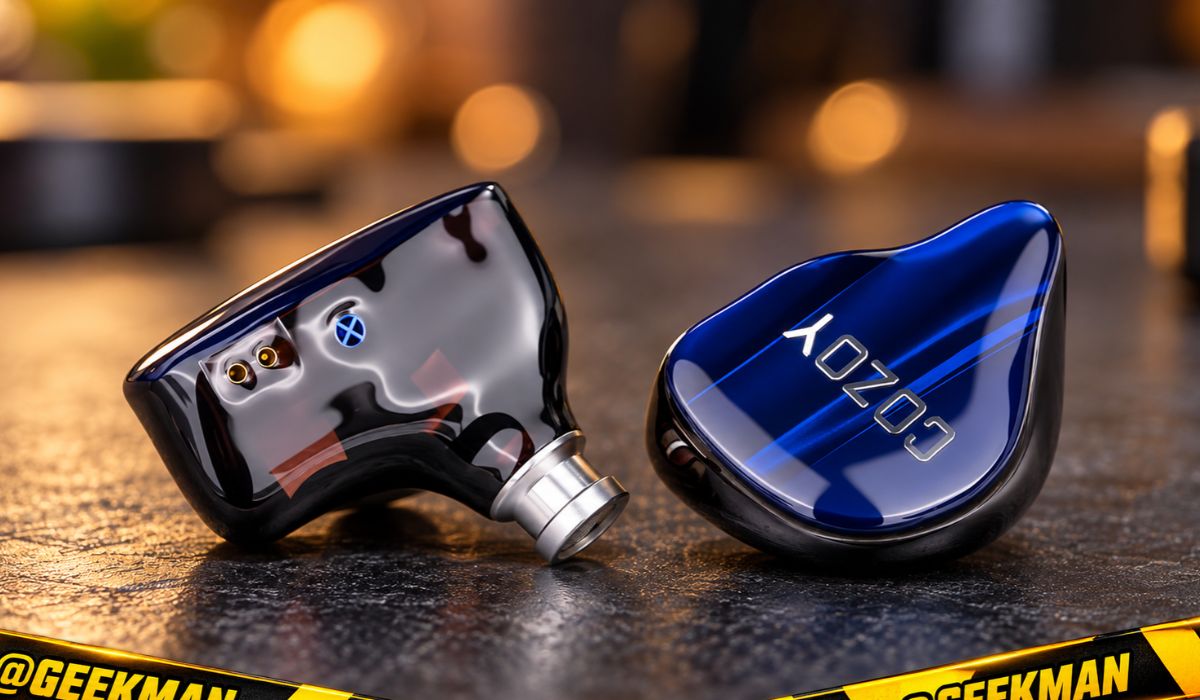
6.9Geekman Score
6.8 Performance
7.0 Value
7.0 Service
A safe, balanced single-DD IEM with a clear inline mic and strong imaging, good for mobile gamers who also listen to a lot of music.
10 mm graphene dynamic driver · Bright V-shaped · Mic · 3.5mm · 1 year warranty
Best for
✓ Mobile gamers who want clear positioning even in chaotic fights
✓ Upgraders coming from a basic IEM who want a balanced, honest tune
✓ People with small to medium ears who want a light, comfortable shell
Skip if
• Bassheads (deep bass is limited; the Truthear Zero:Red or Red Lion go deeper)
• Treble-sensitive listeners who play metal or bright tracks
• You want a carry case in the box (none is included)
My take: The D1 is a well-judged all-rounder. Cozoy itself describes the bass as moderate and the vocals as centred, and that is what reviewers heard: a relaxed but not dark sound with a solid mid-bass punch, natural vocals and crisp treble. It also games very well. The catches are a lean low end for bass lovers, low sensitivity that wants a decent dongle, and no carry case.

COZOY D1 (The Audio Store)
Pros and cons
What I like
+ Strong imaging for gaming
+ Balanced, natural tune with clean mid-bass punch
+ Clear inline mic with controls
+ Light, comfortable shell, seven tip pairs
What I don’t like
• Limited deep bass
• Low sensitivity needs a decent dongle
• No carry case or chin slider
My full review: who it suits, what it is like and how it compares
Who should buy it. A mobile gamer or music listener stepping up from a cheaper IEM who wants one balanced pair for both. The mic version has an inline mic with volume and play/pause buttons, and one reviewer’s raw mic recording stayed clear with an inverter and AC running nearby.
Sound. Balanced and easy to listen to. Sub-bass is present but not deep, and the mid-bass has a solid, controlled punch, so songs feel lively without bloat. Vocals are centred and natural for both male and female singers, and the midrange stays clear in busy film music. Treble is crisp, and most reviewers called it smooth, but one found certain instruments slightly harsh and chaotic, and another noted it can get prominent on bright or metal recordings. Lower mids are slightly lean. Flange tips bring out more treble and foam tips calm it down.
Gaming. This is a highlight. Reviewers found imaging excellent, with left and right and enemy position clear even with grenades going off and many players fighting. One gamer preferred it over pricier IEMs and the CCA Phoenix for gaming, though that is one opinion.
Fit, cable and driving it. The medical-grade resin shell is compact and light, and very comfortable for most people, though larger ears may find it small and the short nozzle may need longer tips. The purple braided silver-plated cable is soft, low on memory and has a metal 3.5mm plug, but no chin slider. You get seven pairs of tips including foam and flanged ones, but no case. Sensitivity is on the low side at 100 dB/Vrms, so a decent Type-C dongle is a good idea for enough volume.
D1 or Zero:Red? Pick the D1 if you have small ears, want a mic and play mobile games, since its compact shell fits easily and its imaging is strong. Pick the Zero:Red if deep bass and smooth relaxed sound matter more and its big nozzle fits you.
Divisive Neutral-Bright Classic
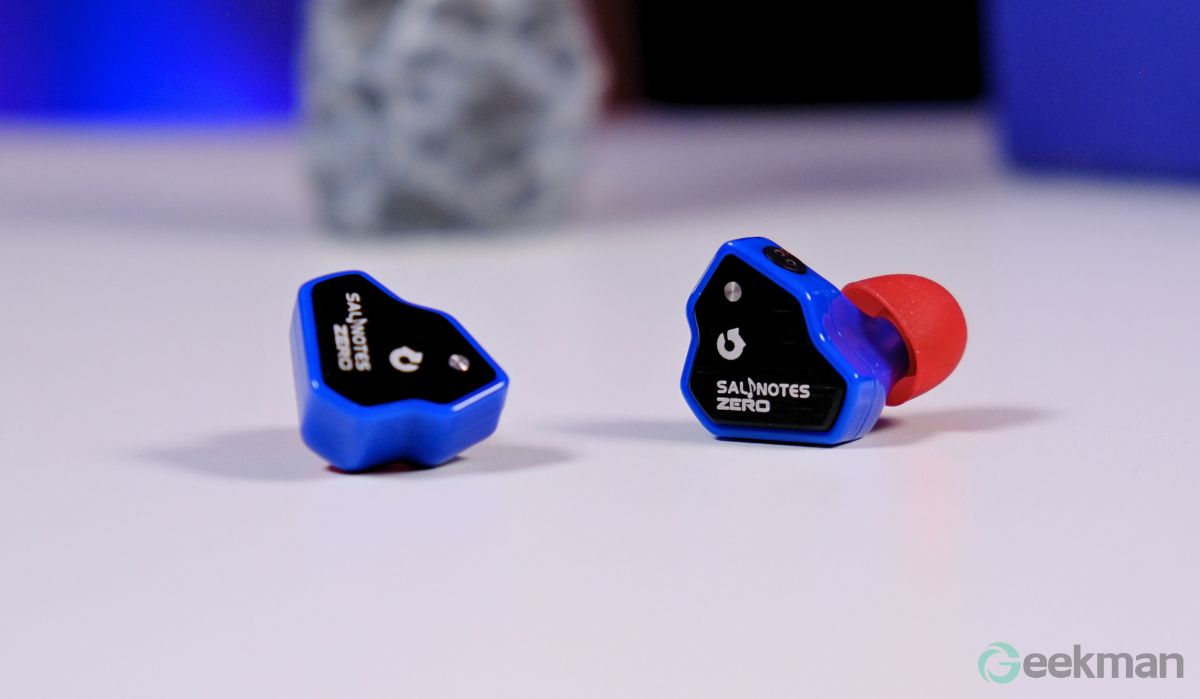
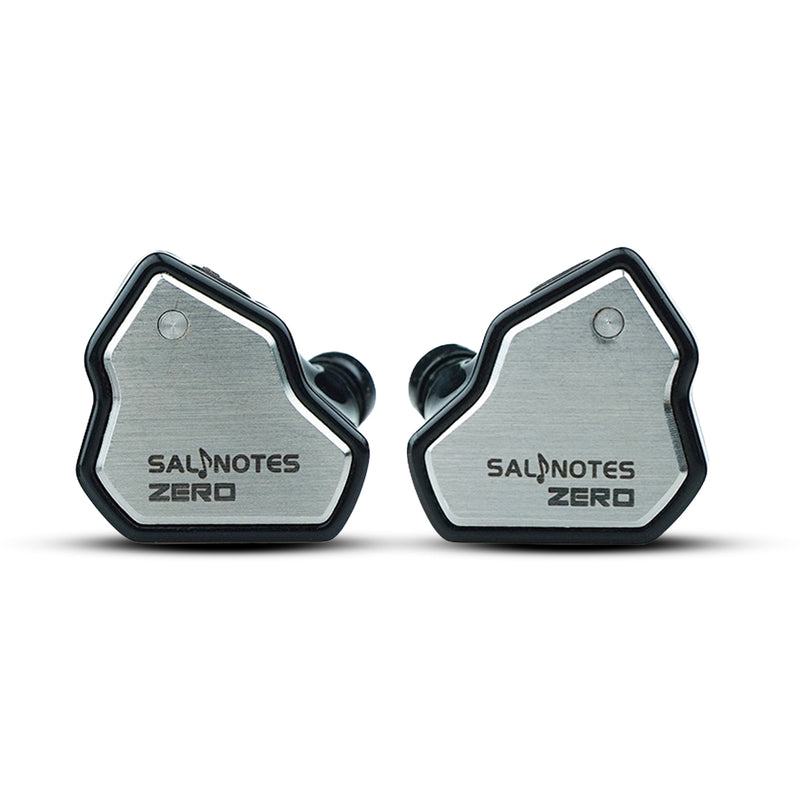
14. 7Hz Salnotes Zero
6.6Geekman Score
5.8 Performance
7.0 Value
7.5 Service
My pick for natural, balanced sound on a small budget: excellent mids, tight bass and imaging that works well in shooters.
10 mm dynamic driver · Neutral-bright · 3.5mm or Type-C · Mic versions · iemranking 5.5
Best for
✓ Listeners who want natural vocals and detail rather than bass
✓ Budget FPS players who want clear footsteps and direction
✓ Long listening or gaming sessions (light and comfortable)
Skip if
• Bassheads, or mostly EDM and hip-hop (the KZ Castor Pro has a fun V-shaped tune)
• You want a warmer, more relaxed sound (the Moondrop Chu II or Salnotes Zero 2 suit you better)
• You swap cables often (the 2-pin socket may loosen over time)
My take: I used it as my daily driver for about a month, and it is one of the best budget IEMs for anyone who wants things to sound real. The mids are among the best at this price, the bass is tight and clean, the treble is bright but not harsh, and imaging works well in shooters. It isn’t for bass lovers, and my one durability worry is the 2-pin connector. My full review has the details.
7Hz Salnotes Zero (Headphone Zone)
Pros and cons
What I like
+ Natural, balanced tuning with excellent mids
+ Clear footsteps and good imaging
+ Comfortable and well isolating
+ Good cable with metal remote
What I don’t like
• Not for bass lovers
• 2-pin connector may loosen over time
My full review: who it suits, what it is like and how it compares
Who should buy it. Someone stepping up from basic earphones who wants clean, balanced sound for vocals, acoustic, jazz or classical music, plus competitive games. It comes in a 3.5mm version with mic and a Type-C version. There is also a blue Headphone Zone edition; it sounds exactly the same, only the colour and branding change. I tested this one; my full review covers it in more depth.
Sound. A 10mm dynamic driver with a metal composite diaphragm, tuned close to the Harman target with slightly less sub-bass. Bass is tight and controlled and leans toward sub-bass, so you feel rumble when a track has it but not a heavy mid-bass punch, and nothing bleeds into the mids. The mids are the star: male and female vocals sound clear and natural, and instruments have good separation. Upper mids are lifted for detail and the treble is on the bright side without being harsh; foam tips or a small EQ cut fix it if you are sensitive. Soundstage is decently wide.
Gaming. The lifted upper mids and fairly wide stage make footsteps clear and direction easy to judge in FPS games. Explosions sound clean but not thrilling, so story and action games feel less exciting than on a V-shaped set. For competitive shooters on a small budget, it is a solid choice.
Fit, cable and build. A plastic shell with a metal faceplate. It looks blocky but is light, and in my review two or three other people tried it with no fit complaints. The medium shell seals well and blocks a lot of outside noise. The stiff upper part of the cable takes the weight off your ears, which helps comfort. The 0.78mm 2-pin OFC cable is nearly tangle-free, with a metal plug and a metal in-line remote. My only worry is that the 2-pin socket may loosen over time if you swap cables often.
Driving it and mic. At 32 ohms and 108 dB, any phone dongle or the Type-C version drives it fine; you don’t need an amp. The single mic with three buttons (volume up, volume down and a centre button for calls and music) is decent for daily calls and casual gaming, about what you’d expect from a good wired pair.
Salnotes Zero or Phantom? Both image well in shooters. The Salnotes Zero is calmer and more natural, with some of the best mids at this level, so it is the better choice if you also listen to music for hours. The Phantom is brighter and more detail-forward with a metal shell, and it can tire you on long sessions.
Cheapest Way to Try an IEM
15. KZ EDX Pro

6.5Geekman Score
4.4 Performance
7.8 Value
8.0 Service
The fun, bass-forward budget IEM I tested, and the easy one to recommend because the Headphone Zone edition gives you both 3.5mm and Type-C.
Dual 10 mm dynamic drivers · V-shaped · Mic · 3.5mm or Type-C · iemranking 4.8
Best for
✓ Bollywood, pop and movies with a punchy, energetic V-shaped sound
✓ A Type-C phone with no jack and you want an IEM that just plugs in
✓ Calls and gaming on wired earphones with a usable inline mic
Skip if
• You prefer balanced or neutral tuning (the KZ Eldar is calmer)
• You are sensitive to bright treble or ‘s’ and ‘sh’ sounds
• You want deep, clean sub-bass rumble more than mid-bass punch (the FiiO JD10 hits deeper)
My take: I tested the Headphone Zone x KZ EDX Pro and it is still one of the easiest wired picks for most people, mainly for the energetic V-shaped tuning, the light comfortable shells and the option of a Type-C cable. The treble can get sharp at high volume and the stock tips are basic. Keep the volume sensible and it is a lot of earphone for the money. Read my full review.

Pros and cons
What I like
+ Energetic V-shaped sound with punchy bass
+ Very light and comfortable for long sessions
+ 3.5mm and Type-C options with a good inline mic
+ Durable, soft, detachable cable
What I don’t like
• Treble gets sharp at high volume
• Stock ear tips are basic
My full review: who it suits, what it is like and how it compares
Who should buy it. Most first-time IEM buyers who like a lively sound for music, movies and games. The Headphone Zone edition is the version to get because it comes with 3.5mm or USB Type-C, while the regular EDX Pro is 3.5mm only and needs a separate cable for Type-C phones. If you want a calm, neutral sound, this is the wrong pick.
Sound. It is a proper V-shape. The bass is punchy with good sub-bass depth and more weight than the older EDX, though mid-bass can get a little boomy, and in my testing male vocals sounded slightly muddy on some tracks. Upper mids are the best part: female vocals are clean and smooth and instruments are well layered. Treble is bright, crisp and detailed, and it can turn sharp at high volume; other reviewers also noticed ‘sh’ sounds standing out, which a small EQ cut fixes. Soundstage is decent rather than wide, and left-right placement stays clear even in busy tracks.
Fit, cable and build. The shells are light and I watched several episodes back to back without any discomfort. Noise isolation is strong once the tips seal, blocking most outdoor noise. The ear tips are the weak point; better aftermarket tips are worth adding. The cable is soft, rubbery and tangle-resistant, and I expect it to last 3 to 4 years; replacements are cheap. Note that some sellers’ versions ship with a single medium tip, so check the box contents.
Mic and gaming. The inline mic records a clear, natural voice, better than most wired earphones at this level. It works well indoors and decently in traffic, though like any inline mic some background noise gets in. The Type-C version has a slightly improved mic. For games, the open upper mids make footsteps easy to pick out and the bass gives explosions some weight.
Driving it. It is very easy to drive: the Headphone Zone edition is rated 16 ohm and 110 dB, so any phone or laptop gets it loud. The Type-C cable has its own DAC, so it plugs straight into modern phones without a dongle.
EDX Pro or Salnotes Zero? Get the EDX Pro if you want punchy, fun V-shaped bass and a ready Type-C cable option. Get the Salnotes Zero if you want natural, balanced sound with better mids and less sharp treble, and you don’t need big bass.
Best for FPS Presets
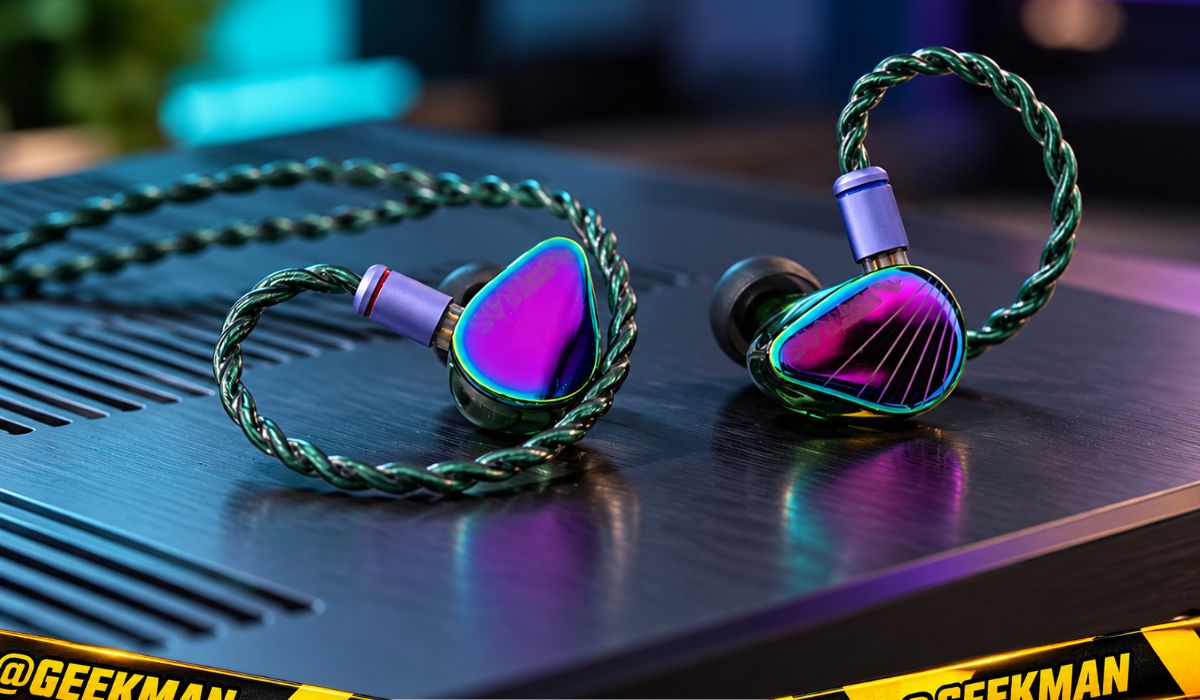
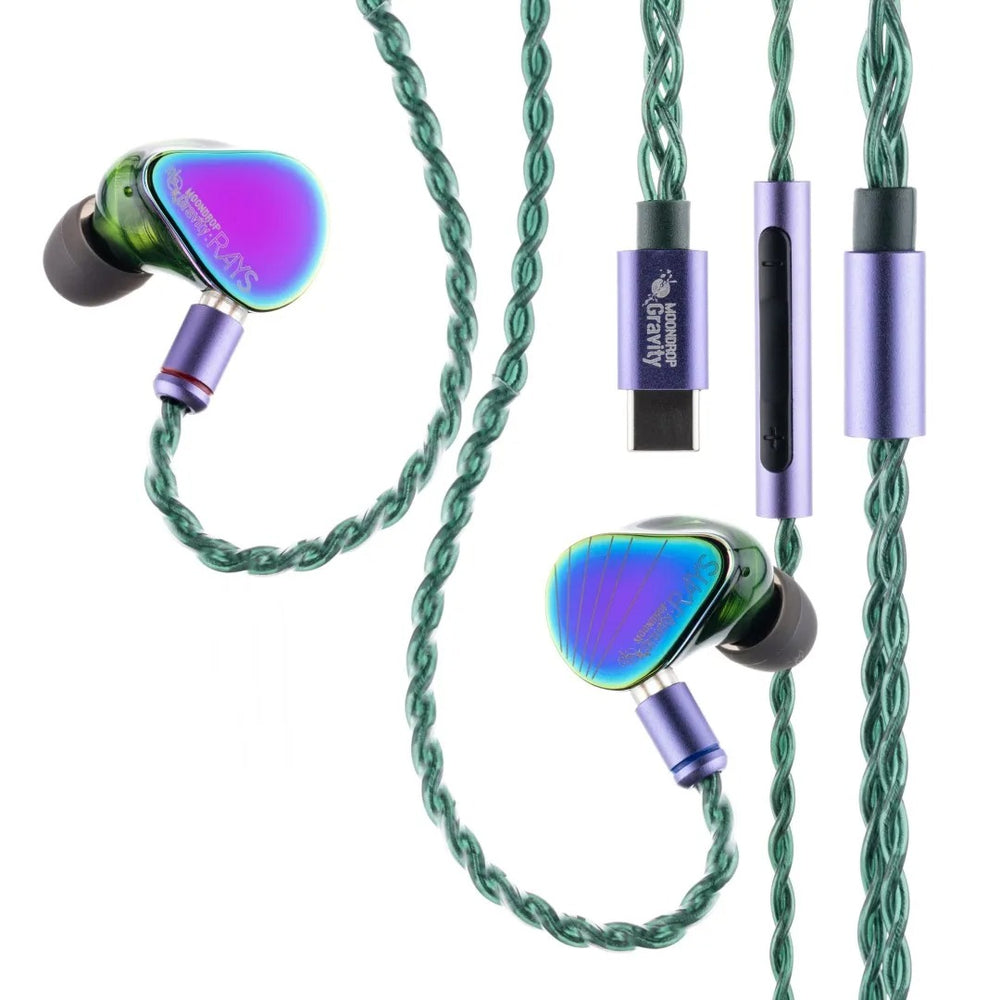
16. Moondrop Rays DSP
6.4Geekman Score
7.0 Performance
5.0 Value
8.0 Service
An all-in-one USB-C gaming IEM: a DSP cable with game presets and saved EQ, an AI noise-cancelling mic, and a calm, neutral tune.
Dynamic + planar drivers · V-shaped · USB-C DSP · 20+ game presets · iemranking 6.1
Best for
✓ PC, phone or tablet gamers who want plug and play without buying a DAC
✓ Valorant players who want clean imaging and no harsh gunfire
✓ Anyone who wants to tweak EQ once and have it saved to the cable
Skip if
• You want big bass and rumble (it is neutral; a V-shaped set suits you better)
• You need a 3.5mm plug for a console controller (the DSP cable is USB-C only; the KZ Phantom has a 3.5mm version)
• You play quiet games at full volume (max volume through the DSP can feel low)
My take: The Rays makes sense if you don’t want to buy a dongle or amp: the cable holds the sound card, a mic and Moondrop’s EQ with presets for more than 20 games. Reviewers liked the default tune best: neutral, natural mids, relaxed treble and quick, clean bass. The catches are a modest maximum volume through the DSP, distant cues that thin out in busy fights, and a mic that sounds far away unless you lift it toward your mouth.
Moondrop Rays DSP (The Audio Store)
Pros and cons
What I like
+ DSP cable with game presets and saved EQ
+ Neutral, non-fatiguing tune
+ Accurate imaging for FPS
+ Comfortable small resin shells
What I don’t like
• Max volume through the DSP can feel low
• Mic sounds distant unless held close
• Cable tangles easily
My full review: who it suits, what it is like and how it compares
Who should buy it. A PC gamer, or someone who plays on a USB-C phone or tablet, who wants one cable that does everything. It plugs in with no drivers, and a USB-A extension is included for desktops. Moondrop’s web software lets you set parametric EQ, load presets for Valorant, Apex, PUBG and others, and share or download community tunings; settings save to the cable. If you game on a controller with a 3.5mm jack, this is not the one.
Sound and gaming. A 10mm dynamic driver handles bass and mids and a 6mm planar driver handles treble. The default DSP tune is neutral and natural with a relaxed top end, so gunfire and abilities never turn shouty. Bass is quick and clean but not big. Imaging is accurate for footsteps and reloads, and one reviewer called Valorant its best game. Width is above average but depth is limited, and in crowded Apex or Call of Duty fights, distant cues fall away. Reviewers preferred the default tune to the per-game presets, which pushed gunfire up and thinned the sound.
Fit, cable and build. The 3D-printed resin shells are small and light and sit flush in the ear, so they stay comfortable for long sessions, even lying on your side with a phone. The included tips are basic. The braided cable connects to the IEMs with standard 0.78mm 2-pin plugs, and it tangles easily, more so with the extension attached. Moondrop covers the cable for a much shorter period than the earphones.
Mic. The in-line mic uses a dedicated chip for AI noise cancelling. One reviewer recorded with an inverter, fan and AC running and got a clean voice; another found it sounded distant when hanging at chest level and much cleaner when held near the mouth. Fine for squad chat, not a streaming mic.
Driving it. At 30 ohms and 120 dB/Vrms, it is driven by the DSP and DAC inside its own cable, so no amp is needed. The limit is that cable’s output: at 100% volume, some quieter games felt a little low to one reviewer, and there is no gain switch to push further.
Rays DSP or Phantom? The Rays DSP is the calmer, more neutral one with better software and a noise-cancelling mic, but it is USB-C only. The Phantom suits you if you need a 3.5mm plug or want the brightest footstep detail.
Sound signatures
V-shaped, U-shaped, neutral or warm: what each IEM sounds like
Tuning is the first thing to decide, because it matters more than price. The table uses the tuning iemranking lists, or the one the expert reviews describe, so you can match it to the music you play.
| IEM | Tuning | Drivers | Plug | iemranking | Price |
|---|---|---|---|---|---|
| AFUL Explorer | Warm, bass-tilted | 1 DD + 2 BA | 3.5mm or 4.4mm | 7.1 | ₹11,499 |
| Simgot EW300 | V-shaped | DD + planar + piezo | 3.5mm, or Type-C (DSP) | 6.7 | ₹8,499 |
| Twistura Delta | Warm, U-shaped | 1 DD | 3.5mm or Type-C | 6.6 | ₹3,360 |
| Truthear Hexa | Neutral | 1 DD + 3 BA | 3.5mm | 6.5 | ₹7,999 |
| Moondrop Aria 2 | Warm, mid-centric | 1 DD | 3.5mm and 4.4mm | 6.4 | ₹8,999 |
| Twistura D-Minor | V-shaped, bass | 1 DD | 3.5mm (Type-C adapter) | 6.4 | ₹3,490 |
| Zero:Red | Neutral, bass shelf | 2 DD | 3.5mm | 6.2 | ₹5,499 |
| KZ Phantom | Neutral, bass boost | 1 DD | 3.5mm or Type-C | 6.2 | ₹5,299 |
| CCA Phoenix | Mild V, bright | 1 DD | 3.5mm or Type-C | 6.1 | ₹2,178 |
| Moondrop Rays DSP | V-shaped | DD + planar | USB-C DSP | 6.1 | ₹9,390 |
| COZOY D1 | Bright V | 1 DD | 3.5mm | 6.0 | ₹3,340 |
| Tangzu Red Lion | Neutral, bass boost | 1 DD | 3.5mm or Type-C | 5.9 | ₹2,499 |
| KZ Duonic | U-shaped | DD + planar | 3.5mm or Type-C | 5.8 | ₹1,699 |
| Moondrop Chu 3 | Warm Harman | 1 DD | 3.5mm | 5.7 | ₹2,599 |
| 7Hz Salnotes Zero | Neutral-bright | 1 DD | 3.5mm or Type-C | 5.5 | ₹2,049 |
| KZ EDX Pro | V-shaped | 2 DD | 3.5mm or Type-C | 4.8 | ₹910 |
iemranking scores are the site’s normalised expert average out of 10. Prices were seen on 25 October 2026 and move daily.
V-shaped
Boosted bass and treble. Fun and punchy, but the mids sit back. Examples: Simgot EW300, Twistura D-Minor, KZ EDX Pro.
U-shaped and warm
Full bass and soft treble. Easy on the ears for long sessions. Examples: AFUL Explorer, Twistura Delta, KZ Duonic.
Neutral and Harman
Closer to flat, with clean vocals. Examples: Truthear Hexa, Zero:Red, Moondrop Chu 3.
Bright
Extra treble for detail and sparkle. Can tire sensitive ears. Examples: COZOY D1, CCA Phoenix, 7Hz Salnotes Zero.
Drivers explained
Dynamic, balanced armature, planar: what the drivers do
Dynamic driver
A small speaker cone. Gives natural bass and a full body. Most IEMs here use one.
Balanced armature
A tiny reed that handles mids and treble. Gives detail and speed. The Hexa has three, the Explorer two.
Planar driver
A thin film between magnets. Adds clean mids and treble. The KZ Duonic and Moondrop Rays have one.
Hybrid and tribrid
Mix two or three types. The EW300 combines dynamic, planar and piezo drivers.
More is not better
The ₹3,360 Delta has one driver and outscores IEMs with five.
Tuning wins
How the maker tunes the sound matters more than the driver count.
Match it to your use
Which IEM for what you listen to
Bollywood and vocals
Tangzu Red Lion, Moondrop Aria 2 or Truthear Hexa.
Rock and metal
AFUL Explorer, which Gizaudio called great for rock and metal.
Bass and EDM
Twistura D-Minor, KZ Duonic or Simgot EW300.
Gaming
KZ Phantom or Simgot EW300. See our wired gaming guide.
USB-C phones and iPhone 15 or later
Twistura Delta Type-C, CCA Phoenix with its adapter, or Tangzu Red Lion Type-C.
Your first IEM
CCA Phoenix, KZ Duonic or Tangzu Red Lion.
Questions other guides skip
The questions most IEM lists leave out
These are the things buyers get wrong. Each one is matched against spec sheets and the expert reviews cited here.
1 · Why does a ₹3,360 IEM beat a ₹11,499 one?
Our score weighs value as much as performance. The AFUL Explorer has the highest expert score, but the Twistura Delta costs a third as much and scores close enough to win on value. If money is no issue, the Explorer is the better IEM.
2 · Is the Moondrop Chu 3 as good as people say?
Headphones.com calls it a top budget IEM. iemranking’s expert reviews are mixed, with a 5.7 average and complaints of boomy mid-bass. It is a reasonable pick, not an obvious winner.
3 · Do sponsored reviews change a score?
One of the five reviews of the Twistura Delta was sponsored by Twistura. That reviewer still scored it 6.5 and criticised the treble. Removing it would not change the ranking much.
4 · Do I need to burn in an IEM?
I found no measurement-based evidence that burn-in changes the sound in a way you can hear. I do not rank any IEM on burn-in claims.
5 · Why are three famous IEMs missing?
The Truthear Gate, Tanchjim Ola II and Kiwi Ears Cadenza scored 5.8, 5.1 and 5.5 on iemranking with consistent complaints about treble and bass. They are not missing by accident.
The buying guide
How to choose an IEM
Plug
3.5mm for laptops and DAC dongles, Type-C for phones, 4.4mm for balanced amps.
Cable
Pick 0.78 mm 2-pin, so you can replace or upgrade it later.
Fit
A good seal gives the bass. Try all the tips in the box.
Mic
Check that the version you buy has one.
Power
All picks work on a phone. A DAC helps only on phones without a 3.5mm jack.
Warranty
Most are 1 year on the IEM and 1 month on the cable. Keep the invoice.
1 · Plug and DAC
Phones without a 3.5mm jack need a USB-C adapter or a Type-C version. A dongle with a good DAC chip gives clean output. See our DAC guides linked below.
2 · Fit and tips
Most complaints about bass or hollow vocals are fit problems. If the bass sounds thin, try a larger or different tip first.
3 · Genuine sellers
Buy from The Audio Store, Headphone Zone, Concept Kart or Amazon.in sellers that list a brand warranty. Prices can vary widely, so check more than one.
Other IEMs I looked at
Truthear Gate (₹2,520). iemranking score 5.8 with strident treble and hollow mids in several reviews.
Tanchjim Ola II (₹4,940). Score 5.1. Reviewers reported boomy bass and sharp treble.
Kiwi Ears Cadenza (₹3,790). Score 5.5. Metallic, grainy treble was a repeat complaint.
COZOY D2 (₹5,590). A better D1, scored 6.6, with 4 expert reviews only.
7Hz Zero 2 (₹2,790). Scored 6.0 and has more bass than the Zero, but fewer fans for gaming.
Simgot EW200 (₹4,990). Score 5.9 and V-shaped.
CCA CRA Pro (about ₹1,000). Score 3.4, with harsh, unfocused treble.
The verdict
Which IEM should you buy?
Best value: Twistura Delta, at ₹3,360. Check price
Best bass: Twistura D-Minor, at ₹3,490. Check price
Highest rated: AFUL Explorer, at ₹11,499. Check price
Best tribrid: Simgot EW300, at ₹8,499. Check price
Best under ₹3,000: CCA Phoenix, at ₹2,178. Check price
Best neutral hybrid: Truthear Hexa, at ₹7,999. Check price
Best for vocals: Tangzu Red Lion, at ₹2,499. Check price
Not sure? Buy the Twistura Delta for ₹3,360, or the CCA Phoenix for ₹2,178 if you want to spend less.
More buying guides from Geekman
Popular IEMs I’d skip
Some IEMs stay popular long after better ones arrive. These are the names I still see recommended, and a pick from this list does the job better.
Blon BL-03. The 2019 budget hit still gets recommended, but Crinacle had to remove the cable’s memory wire to make it fit, warned about unit variation and said aftermarket tips and a cable eat into its value. The Truthear x Crinacle Zero:Red or 7Hz Salnotes Zero are easier picks today.
KZ ZAS. Eight drivers per side, but Chifiwire found recessed mids, treble peaks and poor coherence, and said cheaper sets outclass it. The Tangzu Waner SG 2 Red Lion uses one well tuned dynamic driver and sounds more even.
KZ ZS10 Pro X. MajorHiFi found recessed mids and some piercing highs that can turn sibilant. The Moondrop Chu 3 is the pick I would take instead.
KZ ZAX. Headphonesty found its upper mids and lower treble sharp and tiring on long sessions, with sparse accessories and a thin cable. The Simgot EW300 and Truthear Hexa are better tuned upgrades.
Best IEM in India FAQ
Which is the best IEM in India?
On our score the Twistura Delta at ₹3,360 is the best IEM overall, because it has the best iemranking score under ₹5,000. The AFUL Explorer at ₹11,499 has the highest expert score of the 16 at 7.1 out of 10, and is the pick if you want a warm, premium sound.
What is the best IEM under ₹5,000?
The Twistura Delta (₹3,360) and the Twistura D-Minor (₹3,490) score 6.6 and 6.4 on iemranking. For brighter sound, the COZOY D1 at ₹3,340 is an option. See our best IEMs under 5000 guide.
Which IEM has the most bass?
The Twistura D-Minor, the KZ Duonic bass improved version and the Tangzu Red Lion are the bass-forward picks here. The AFUL Explorer has bass weight in a warm sound, and the KZ EDX Pro has punchy but rough bass at ₹910.
Which IEM is best for vocals?
The Tangzu Red Lion and the Moondrop Aria 2 have natural, smooth vocals, and the Truthear Hexa has the cleanest neutral vocals. The AFUL Explorer is warm and relaxed.
Which IEM is best for gaming?
The KZ Phantom and the Simgot EW300 (gaming score 6.4) fit gaming best. Our best wired gaming earphones guide compares the Phantom, Moondrop Rays and Sony INZONE E9 in detail.
Do IEMs need a DAC or an amp?
Not for these. Their impedance runs from 16 to 42 ohm and the sensitivity is 100 to 122 dB, so a phone can drive them. A DAC dongle helps on a phone without a 3.5mm jack and can improve sound a little. See our best Type-C DACs and best portable DAC amps guides.
Will these work with a phone that has no 3.5mm jack?
Yes, with a USB-C to 3.5mm adapter or a Type-C version. The Twistura Delta, Twistura D-Minor and CCA Phoenix include or sell a DAC adapter or Type-C version, and our best Type-C earphones guide lists more.
What does V-shaped, U-shaped and neutral mean?
A V-shaped IEM boosts bass and treble over the mids. A U-shaped one boosts bass and upper treble but keeps the mids full. A neutral IEM stays close to flat or to the Harman target. A warm IEM has more bass and softer treble.
Why is the Moondrop Chu 3 not number one?
Headphones.com rates it highly, but iemranking reviewers score it a mixed 5.7 out of 10 and several heard boomy bass and hollow vocals. It is a good IEM, but cheaper picks with higher scores beat it on value.
Why are the Truthear Gate and Tanchjim Ola II missing?
iemranking scores the Gate 5.8 with a user score of 4.5, and the Ola II 5.1, with reviewers reporting boomy bass and sharp treble. We left both out, and they are listed under the IEMs we looked at but did not pick.
Where should I buy IEMs in India?
The Audio Store, Headphone Zone and Concept Kart are the main Indian IEM stores, and each sells brand-warranty units. Amazon.in carries mainly KZ and CCA. Compare prices, because the same IEM can differ by ₹2,000.
Do these IEMs come with a warranty?
Yes. All 16 have a 1 year warranty from the brand or the store. On several the cable is covered for only 1 month.