

Short answer: buy the Twistura Delta (₹3,360) for the best value, the Twistura D-Minor (₹3,490) for bass, the CCA Phoenix (₹2,178) under ₹3,000, the Simgot EW300 (₹8,499) for a punchy hybrid, or the AFUL Explorer (₹11,499) if you want the highest rated IEM here.
Geekman has covered consumer tech for over 10 years, and this ranking is built the way our buying guides always are: research first, then a hard look at the numbers. For all 16 IEMs we compared drivers, tuning, expert scores from iemranking, accessories, plug options, warranty and live prices at The Audio Store, Headphone Zone, Concept Kart and Amazon.in.
This guide covers wired IEMs from ₹910 to ₹11,499. For cheaper wired pairs see our earphones under 1000 guide, and for wireless pairs see our best earbuds guide. Prices were seen on 25 October 2026.
Find your IEM in 5 quick taps
Short answer: the Twistura Delta is the best value IEM for most people. Turn on JavaScript to use the Finder.
Pick in 30 seconds
Which IEM fits you?
Best value
Twistura Delta at ₹3,360, or CCA Phoenix at ₹2,178.
Most bass
Twistura D-Minor at ₹3,490, or KZ Duonic from ₹1,699.
Vocals and Bollywood
Tangzu Red Lion at ₹2,499, or Moondrop Aria 2 at ₹8,999.
Gaming
KZ Phantom at ₹5,299, or Simgot EW300 at ₹8,499.
Highest rated
AFUL Explorer at ₹11,499, scored 7.1 on iemranking.
Cheapest way in
KZ EDX Pro at ₹910 to ₹999.
The ranking
How I ranked these IEMs
Each IEM gets a score out of 10 for performance (40%), value (40%) and service (20%). Performance comes from the expert reviews on iemranking, scaled so a 7.1 becomes a 9.0. Value is price against that score. Service looks at the warranty, the accessories and where you can buy it.
See the scores
| # | IEM | Perf. | Value | Service | Overall |
|---|---|---|---|---|---|
| 1 | Twistura Delta | 8.0 | 9.2 | 7.0 | 8.3 |
| 2 | Twistura D-Minor | 7.6 | 8.8 | 7.0 | 8.0 |
| 3 | AFUL Explorer | 9.0 | 7.0 | 7.5 | 7.9 |
| 4 | Simgot EW300 | 8.2 | 7.5 | 8.0 | 7.9 |
| 5 | CCA Phoenix | 7.0 | 8.8 | 7.5 | 7.8 |
| 6 | Truthear Hexa | 7.8 | 7.0 | 8.5 | 7.6 |
| 7 | KZ Duonic | 6.4 | 8.4 | 8.0 | 7.5 |
| 8 | Truthear x Crinacle Zero:Red | 7.2 | 7.2 | 8.0 | 7.4 |
| 9 | KZ Phantom | 7.2 | 7.0 | 8.0 | 7.3 |
| 10 | Tangzu Waner SG 2 Red Lion | 6.8 | 7.6 | 7.5 | 7.3 |
| 11 | Moondrop Chu 3 | 6.2 | 7.2 | 8.5 | 7.1 |
| 12 | Moondrop Aria 2 | 7.6 | 5.8 | 8.5 | 7.1 |
| 13 | COZOY D1 | 6.8 | 7.0 | 7.0 | 6.9 |
| 14 | 7Hz Salnotes Zero | 5.8 | 7.0 | 7.5 | 6.6 |
| 15 | KZ EDX Pro | 4.4 | 7.8 | 8.0 | 6.5 |
| 16 | Moondrop Rays DSP | 7.0 | 5.0 | 8.0 | 6.4 |
Scores weigh performance 40%, value 40% and service 20%. They come from iemranking expert scores, published reviews, listed specs and live prices on 25 October 2026.
Quick picks
| Pick | IEM | Best for |
|---|---|---|
| Best Value IEM Under ₹4,000 | Twistura Delta | A warm, U-shaped single dynamic driver IEM with the best score per rupee in this list, from ₹3,360 |
| Best Bass Under ₹4,000 | Twistura D-Minor | A V-shaped, bass-forward IEM with three acoustic filters and a USB-C DAC adapter in the box, ₹3,490 |
| Best Premium Pick | AFUL Explorer | A warm 1 dynamic + 2 balanced armature hybrid IEM with 3.5mm or 4.4mm plug, from ₹11,499 |
| Best Tribrid Under ₹10,000 | Simgot EW300 | A V-shaped tribrid IEM with dynamic, planar and piezo drivers, swappable nozzles and a DSP edition, from ₹8,499 |
| Best Under ₹3,000 | CCA Phoenix | A Harman-leaning 10 mm LCP dynamic IEM with three filters and a DAC adapter, ₹2,178 |
| Best Neutral Hybrid | Truthear Hexa | A neutral 1 dynamic + 3 balanced armature IEM with clean vocals, from ₹7,999 |
| Best Budget Planar Hybrid | KZ Duonic | A dynamic plus planar hybrid with a U-shaped tuning and three versions, from ₹1,699 |
| Best Neutral Under ₹6,000 | Truthear x Crinacle Zero:Red | A dual dynamic driver IEM tuned by Crinacle with a bass-shelf neutral sound and an impedance adapter, ₹5,499 |
| Best Gaming IEM Under ₹6,000 | KZ Phantom | A gaming-tuned IEM with four tuning switches, a detachable 2-pin cable and a dual-mic option, from ₹5,299 |
| Best for Vocals and Bollywood | Tangzu Waner SG 2 Red Lion | A bass-focused retune of the Wan’er with a controlled midrange, 3.5mm or Type-C, from ₹2,499 |
| Most Popular Budget Pick | Moondrop Chu 3 | A warm Harman-style metal IEM with firm bass, 3.5mm only, ₹2,599 |
| Best for Smooth Vocals | Moondrop Aria 2 | A warm, mid-centric single dynamic driver IEM with swappable 3.5mm and 4.4mm plugs, ₹8,999 |
| Best Bright V-Shape Under ₹4,000 | COZOY D1 | A 10 mm graphene dynamic IEM with a bright V-shaped sound and a big stage, ₹3,340 |
| Divisive Neutral-Bright Classic | 7Hz Salnotes Zero | A 10 mm dynamic IEM with a neutral-bright, vocal-forward sound, from ₹2,049 |
| Cheapest Way to Try an IEM | KZ EDX Pro | A 2 dynamic driver IEM with an electronic crossover and a mic, ₹910 to ₹999 |
| Best for FPS Presets | Moondrop Rays DSP | A dynamic plus planar IEM with a USB-C DSP cable and 20+ game presets, ₹9,390 |
Tap a name to jump to its review. Live prices are in the buy box under each review. Prices change daily and bank offers can lower them.
All 16 picks
Best IEMs in India
Sixteen IEMs are worth considering, from ₹910 to ₹11,499. The top three get a full review below, and the other thirteen get a shorter one. Most of these brands sell through The Audio Store, Headphone Zone and Concept Kart, so the buy boxes show those stores first.
Best Value IEM Under ₹4,000
1. Twistura Delta
8.3 Overall
8.0 Performance
9.2 Value
7.0 Service
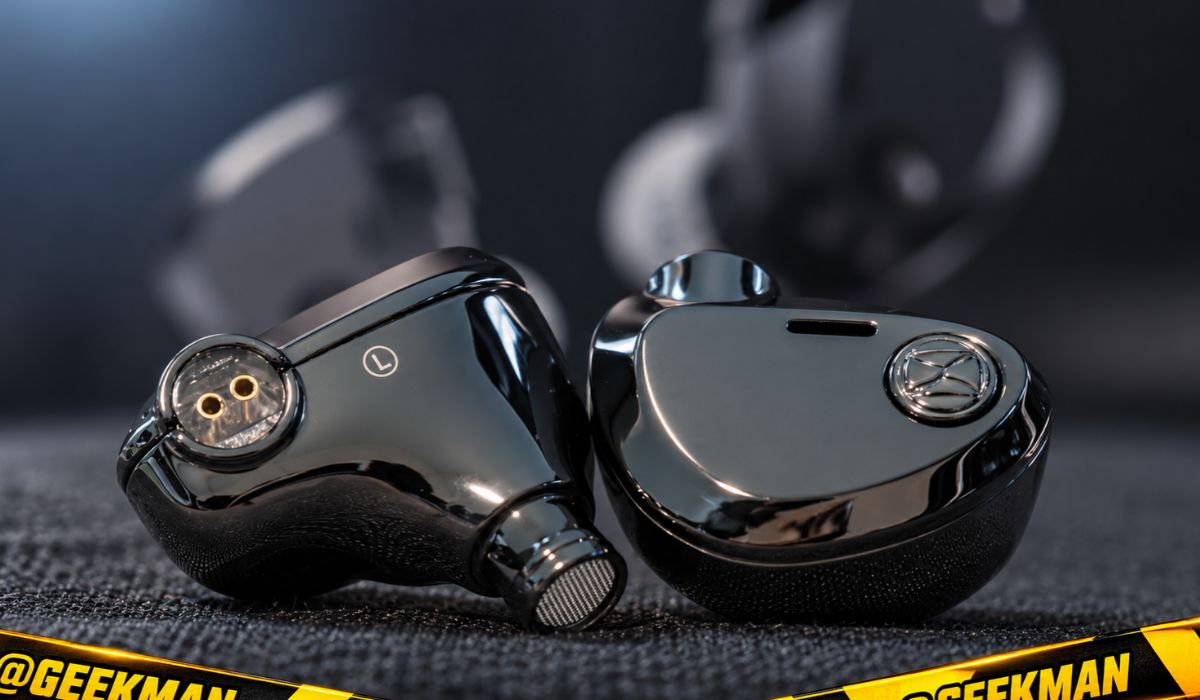
10 mm dual-chamber dynamic driver · Warm U-shaped tuning · Detachable 2-pin cable · 3.5mm or Type-C with mic · iemranking 6.6
Best for
✓ First-time IEM buyers
✓ Listeners who want smooth, non-fatiguing treble
✓ Anyone who wants the most score for under ₹4,000
Not ideal for
– Treble lovers who want sparkle and air
– Buyers who need a roomy soundstage
– People who want a spare 3.5mm version in stock at every store
Verdict: The best value IEM here. Five expert reviews average a favourable score, and it costs far less than the premium picks above ₹7,000.


Twistura Delta (Concept Kart)


Pros and cons
What we like
+ Highest score under ₹5,000
+ Smooth, easy-to-listen-to tuning
+ Priced from ₹3,360
What we don’t like
– Treble lacks air
– Limited sub-bass
– Stock cable is thin
Twistura Delta review: warm 10mm LCP driver with a zinc alloy shell
The Twistura Delta is a single dynamic driver IEM with a 10 mm LCP diaphragm, dual magnets and a dual-cavity chamber. The shell is electroplated zinc alloy with medium nozzles and pressure vents, impedance is about 42 ohm, and the maker quotes a very high sensitivity, so a phone drives it easily. Tuning is a warm U shape with a bass shelf of roughly 10 to 11 dB centred on the mid-bass, good sub-bass extension, a forward warm midrange and enough treble lift to avoid dullness. Timbre is organic and polished, which makes it sound full rather than analytical.
My take: the Delta is the budget-tier pick in this list for anyone who wants a warm, musical IEM for pop, Bollywood, hip-hop and film scores. Buy the 3.5 mm version for a jack or dongle and the USB-C DSP version only for a phone with no jack. Money-wise, add a Rs 800 to Rs 1,500 dongle and a better tip set, such as KBear 07 style wide-bore tips, because the stock tips feel flimsy and cleaner power tightens the bass. About Rs 2,000 of extras gets you a setup that competes with far costlier sets. Skip it if you want bright, analytical tuning.
Twistura Delta fit, cable and mic
The stock cable is a 0.78 mm two-pin OFC lead with a black rubber sheath, plain but functional, available in 3.5 mm or USB-C form with or without a mic. The inline mic is decent for calls. Seven pairs of tips across three styles come in the box with a small cloth pouch instead of a hard case. The all-metal shell is heavier than resin sets and I would feel it on a long flight, but the shape sits flush and seals easily. Isolation is good for a vented dynamic driver, and bass feels narrower on weak sources, so a dongle helps with a laptop or an older phone.
Twistura Delta warranty and India buying advice
Twistura sells through Linsoul, whose terms are one year on the IEMs and a shorter window on the cable for manufacturing defects. In India, buy from an authorised distributor or established audio retailer that gives a GST invoice, and ask who handles claims and whether the cable is covered separately. On delivery, check equal channel level, firm two-pin sockets and a clean faceplate. Copies of popular Chi-Fi sets exist, so a price far below the street range is a warning, not a bargain.
Twistura Delta vs COZOY D1 and Twistura D-Minor: who should buy it
The Delta falls short on neutrality, treble air and detail, and the plain cable and tips look basic near the top of its budget. Against the COZOY D1, the Delta is warmer and fuller, while the D1 is cleaner and more resolving. Against the Twistura D-Minor, the Delta has better treble, technicality and dynamics. Buy the Twistura Delta if you want one safe, warm all-rounder that makes everyday music enjoyable. If you want accuracy or sparkle, look at the D1 or the Simgot EW300 instead.
Key specs
| Driver | 10 mm dual-magnet, dual-chamber dynamic, LCP |
| Impedance and sensitivity | 42 ohm, 120 dB/Vrms |
| Tuning | Warm, U-shaped |
| Cable | Detachable 0.78 mm 2-pin |
| Plug | 3.5mm or Type-C, with mic |
| Warranty | IEM 1 year, cable 1 month |
| iemranking score | 6.6 / 10 (5 reviews) |
| Price on 25 Oct 2026 | ₹3,360 Concept Kart, ₹3,760 The Audio Store (Type-C) |
Best Bass Under ₹4,000
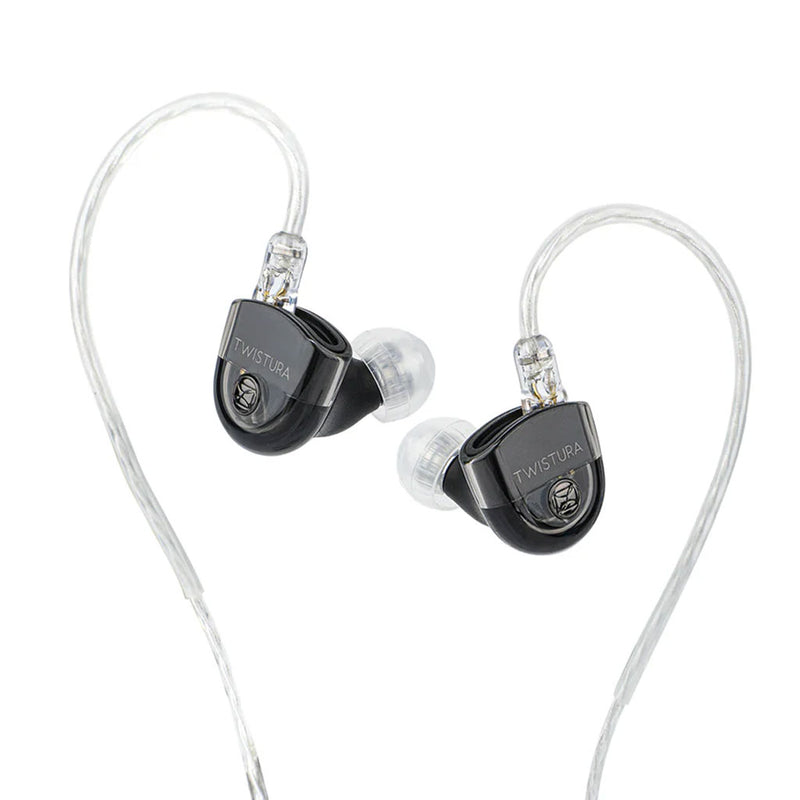
2. Twistura D-Minor
8.0 Overall
7.6 Performance
8.8 Value
7.0 Service
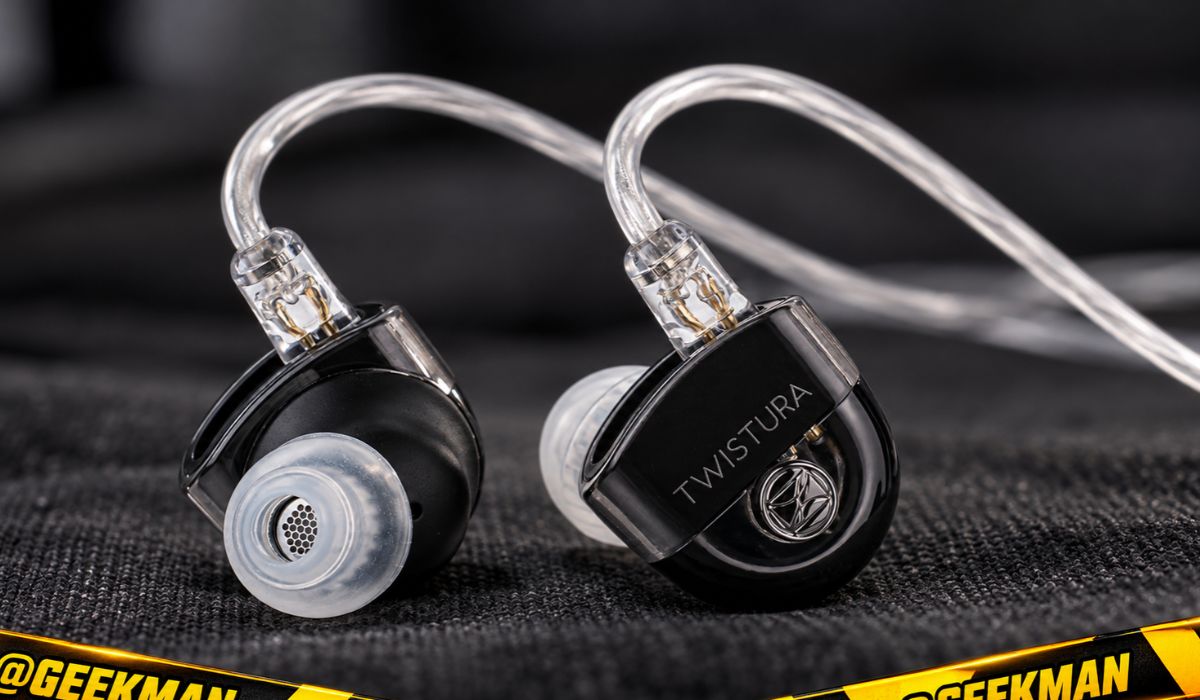
10 mm dual-magnet driver · 3 acoustic filters · Includes Type-C DAC adapter · Mic · iemranking 6.4
Best for
✓ Bass lovers on a budget
✓ Phone users who want an adapter in the box
✓ People who like to tune the sound
Not ideal for
– Treble-sensitive listeners who want neutral
– Anyone who wants maximum detail
– Buyers who dislike thin cables
Verdict: The best bass-forward IEM under ₹4,000, and the best accessory kit of the budget picks.
Pros and cons
What we like
+ Bass-forward and fun
+ Three filters, four nozzles, DAC adapter included
+ Priced at ₹3,490
What we don’t like
– Treble is relaxed and modest in detail
– Thin cable
– Cable warranty is only 1 month
Twistura D-Minor review: three filter tubes and a complete accessory kit
The Twistura D-Minor uses a 10 mm dual-magnet dynamic driver with an LCP dome composite diaphragm, rated at 30 ohm, 108 dB and a stated 15 Hz to 37 kHz. The front chamber is zinc alloy and the rear is 3D resin, so the shells are compact and light. Three interchangeable filter tubes change the tuning: Reference is balanced and linear, Classical opens the stage and moves the mids forward, and Pop adds mid-bass warmth and a brighter top. Out of the box the signature leans slightly to the low end, with more mid-bass than sub-bass and a credible, not large, stage.
My take: the D-Minor is the pick for someone who does not yet know what they like, because the three tubes teach what a small tuning change sounds like. I would leave the Reference tube in for everyday listening. It suits pop, rock, acoustic and vocal tracks and stays easy over long sessions. The money angle is the bundle: two tip families, a rigid tip holder, a faux leather case, a mini USB dongle and a cable are included, so extra spend is nearly zero. It will not satisfy bassheads or detail hunters, and for those listeners a pricier set in this list makes more sense.
Twistura D-Minor fit, cable and mic
Shells are small and comfortable over several hours, and isolation is discreet rather than strong because of the vented driver. The cable is a four-conductor silver-plated OFC type on 0.78 mm two-pin connectors, slim and light, ending in a 3.5 mm plug. A mic version and a no-mic version are sold, so match the variant to your use. Insertion depth changes the sound, with shallow giving lighter bass and deeper adding weight. Keep the filter tubes in the holder, because they are small and easy to lose, and handle the slim cable gently.
Twistura D-Minor warranty and delivery checks
The maker’s terms through Linsoul are one year on the IEMs and three months on the cable, with a 30 day return window for sealed units. In India, buy from a seller that gives a GST invoice and names who handles claims, since shipping a faulty unit abroad is slow and costly. On delivery, fit each tube in turn and check that both channels match, and confirm the dongle and case are present. Avoid unusually cheap offers, because copies of popular Twistura models exist.
Twistura D-Minor vs Twistura Delta and COZOY D1: who should buy it
The D-Minor’s weak points are modest detail and shallow bass, and the Pop filter can sound less controlled on bright recordings at high volume. Against the Twistura Delta, the Delta has better treble and dynamics for a bit more money. Against the COZOY D1, the D1 is cleaner and more neutral, while the D-Minor is warmer and more forgiving. Buy the D-Minor if you want a friendly tuning, a full accessory kit and room to experiment. Skip it if you want the sharpest imaging in this list.
Key specs
| Driver | 10 mm dual-magnet dynamic, LCP dome |
| Impedance and sensitivity | 30 ohm, 108 dB/Vrms |
| Frequency response | 15 Hz to 37 kHz |
| Cable | Detachable 2-pin, silver-plated OFC |
| Warranty | IEM 1 year, cable 1 month |
| Price on 25 Oct 2026 | ₹3,490 The Audio Store |
Best Premium Pick
3. AFUL Explorer
7.9 Overall
9.0 Performance
7.0 Value
7.5 Service
1 dynamic + 2 BA · Warm, bass-tilted · 3.5mm or 4.4mm plug · Detachable 2-pin · iemranking 7.1
Best for
✓ Listeners who want a warm, relaxed sound
✓ Rock and metal fans who want bass weight
✓ Buyers who plan to use a DAC amp
Not ideal for
– Treble lovers who want air and sparkle
– Anyone under ₹10,000
– People with very small ears
Verdict: The highest rated IEM in this list. It is warm and smooth, so it suits people who find most IEMs too bright.

AFUL Explorer (Headphone Zone)

Pros and cons
What we like
+ Highest iemranking score in this list
+ Warm, smooth and easy to listen to
+ Choice of 3.5mm or 4.4mm plug
What we don’t like
– Costs ₹11,499
– Treble air is limited
– No mic, sparse accessories
AFUL Explorer review: a 1DD plus 2BA hybrid with a smooth, dark-leaning tuning
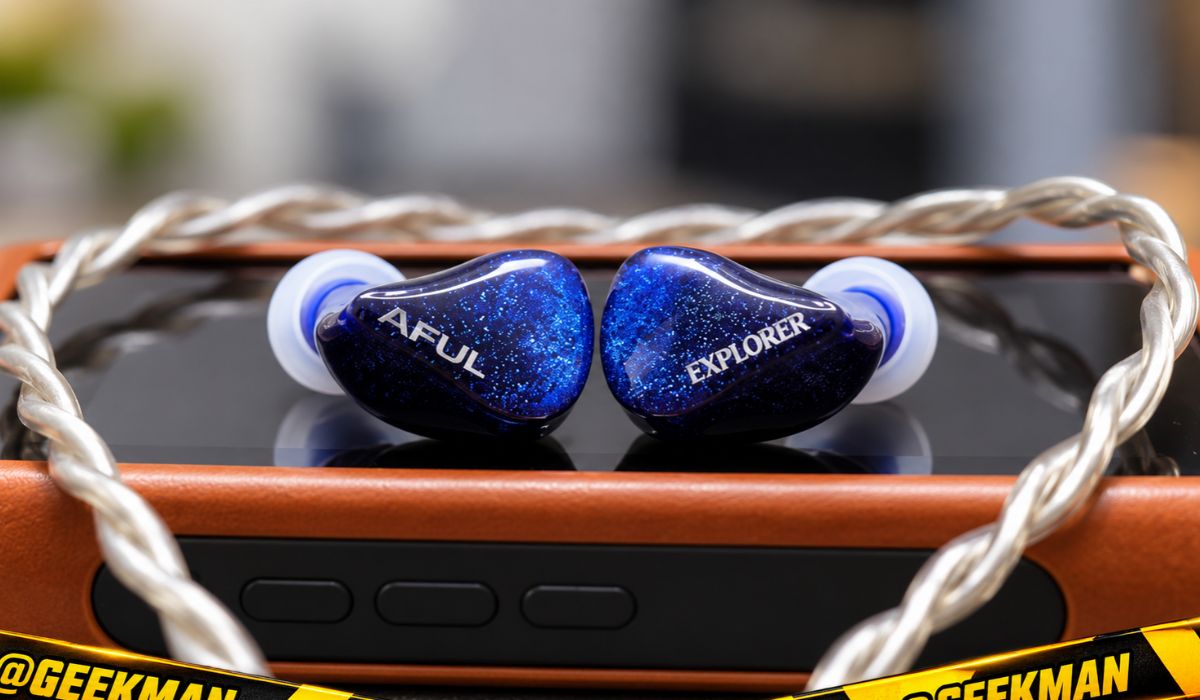
The AFUL Explorer is a hybrid IEM with one 8 mm bio-cellulose dynamic driver for the lows and two aluminium-alloy dual-balanced armature drivers for mids and highs, joined by a multi-layer electronic crossover. Impedance is 26 ohm and sensitivity about 108 dB, so it is easy to drive. The cable is a braided 200-core silver-plated copper type on 0.78 mm two-pin connectors, with 3.5 mm termination and a 4.4 mm version offered separately. Two tip types are supplied: blue with a narrower bore for tighter bass, white with a wider bore for more treble. The sound is laid-back and smooth, neutral to dark, with strong sub-bass and heavy note weight.
My take: the Explorer is for long, relaxed listening to rock, pop, soul and film scores where smoothness beats sparkle. It is forgiving of bright, poorly mastered tracks, treble sibilance is minimal, and the stage and imaging are above average. It sits in the upper-middle of this list, so the money question is whether you need a hybrid at all. If you do, a good source helps, but the easy 26 ohm load means a basic dongle is enough. I would pick it over brighter hybrids if your ears tire quickly, and skip it if you want treble detail.
AFUL Explorer fit, cable and daily use
The shell has smooth contours and no hot spots, and it is comfortable enough for all-day wear. Isolation is good for a vented hybrid, though not especially strong. The cable is light and better built than most in its class, but there is no interchangeable plug system, so choose 3.5 mm or 4.4 mm when you order. There is no inline mic in the standard version. Tip choice changes the balance noticeably, so try both bores before judging the sound, and keep the unused pair for later.
AFUL Explorer warranty and fake-unit checks
AFUL is a niche brand, so after-sales support in India depends almost entirely on the seller. Ask for a GST invoice and written warranty terms, usually one year on manufacturing defects, and confirm who handles claims. On delivery, check equal channel level, a firm two-pin grip and a clean crossover with no rattles. Because a hybrid is expensive to replace, test it thoroughly in the first week and keep the box until the return window ends.
AFUL Explorer vs Simgot EW300 and Truthear Hexa: who should buy it
The Explorer falls short on vocal naturalness, since voices can sound breathy, on treble detail and on isolation. Against the Simgot EW300, the EW300 is warmer and punchier with a planar and piezo top end, while the Explorer is smoother. Against the Truthear Hexa, the Hexa is brighter and more analytical, and the Explorer is darker and easier. Buy the AFUL Explorer if you want a smooth, forgiving hybrid with strong sub-bass for long listening. Skip it if you want sparkle or crisp vocals.
Key specs
| Drivers | 8 mm bio-cellulose dynamic + 2 balanced armatures |
| Impedance and sensitivity | 26 ohm, 108 dB/mW |
| Frequency response | 10 Hz to 30 kHz |
| Cable | 1.2 m silver-plated copper, 2-pin |
| Warranty | 1 year (AFUL) |
| Price on 25 Oct 2026 | ₹11,499 Headphone Zone |
Best Tribrid Under ₹10,000
4. Simgot EW300
Geekman score 7.9/10 · Performance 8.2 · Value 7.5 · Service 8.0
Dynamic + planar + piezo · V-shaped tuning · Two swappable nozzles · Standard, HBB or DSP edition · iemranking 6.7
Best for
✓ Listeners who want a punchy, detailed V-shape
✓ Gamers who want a technical set
✓ Buyers who like tuning with nozzles and foams
Not ideal for
– Treble-sensitive listeners (DSP edition especially)
– People with small ears (short nozzles)
– Anyone who wants a warm, relaxed sound
Verdict: The most technical IEM under ₹10,000 here. It is punchy, with a good stage, and the DSP edition adds a USB-C plug.

Simgot EW300 (Headphone Zone)

Up to 6% instant discount on select credit cards +1
- Up to 6% instant discount on select credit cards
- Cashback with Amazon Pay ICICI Bank Credit Cards
Simgot EW300 review: a tribrid with a dynamic, planar and piezo driver
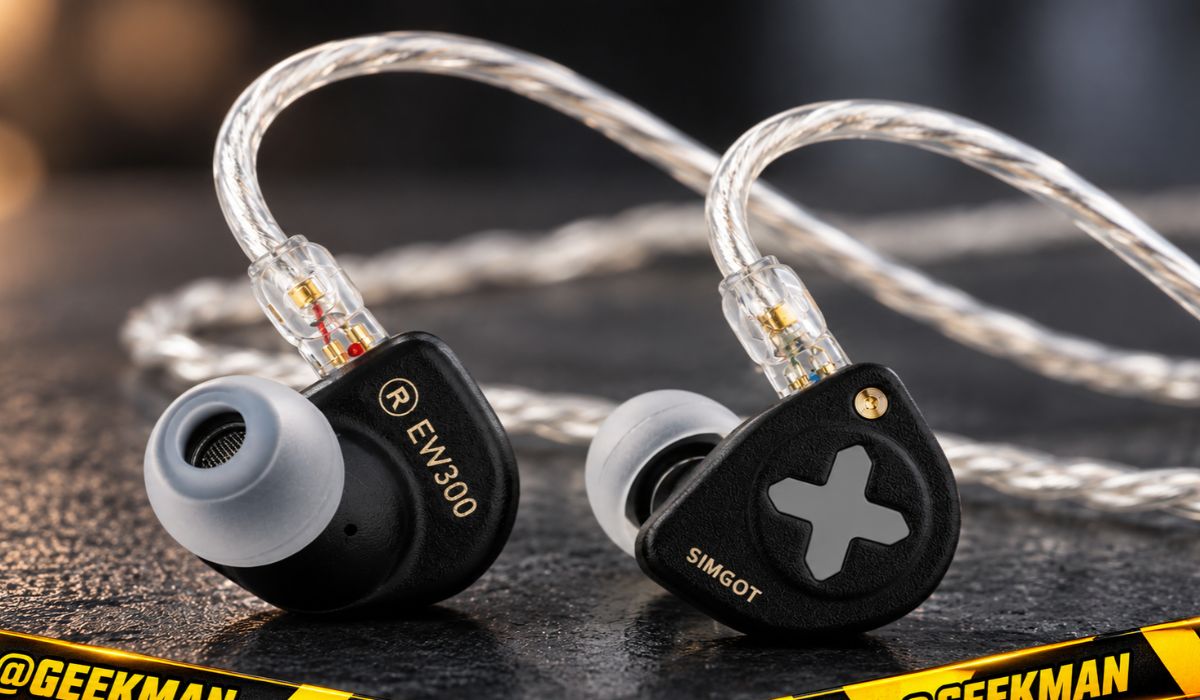
The Simgot EW300 is a tribrid IEM with a 10 mm dual-chamber dynamic driver using a ceramic composite diaphragm, a 6 mm annular planar magnetic driver and a ceramic piezoelectric driver for the highs. Impedance is 28 ohm, sensitivity is 121 dB with the silver-plated steel nozzle and 119 dB with the gold-plated copper nozzle, and the stated range is 8 Hz to 40 kHz. The cable is a detachable silver-plated OFC lead on 0.78 mm two-pin connectors with a 3.5 mm plug. The box carries two nozzle sets, three tips, four tuning foams, six silicone rings and a case. The sound is warm and slightly dark with punchy, deep bass and lush mids.
My take: the EW300 is the warm, rich choice at the upper end of this list. Vocals sound thick without turning muddy, bass is deep and defined, and treble is never bright. It suits pop, R and B, rock, jazz vocals and film. It is not the most airy or the most detailed set, and it works as a side-upgrade to the Simgot EW200 rather than a replacement. In money terms it is easy to drive, so a basic dongle is enough, and the included nozzles, foams and rings let you tune it without buying anything. A better tip, such as a wide-bore silicone, tightens bass slightly.
Simgot EW300 fit, nozzles and daily use
The compact CNC-machined metal shell sits comfortably and stays light. Two nozzles change the balance: the steel nozzle with a red ring follows Simgot’s own target with more mid-bass and upper treble, and the gold copper nozzle with a purple ring is closer to Harman and more V-shaped, though the differences are subtle. The STD version has no mic, and a DSP edition with USB-C and a mic is also sold, so choose the one that fits your phone. Isolation is good for a vented set.
Simgot EW300 warranty and India service
Simgot is an established brand with Indian distribution through audio specialists. Retail terms mention a two-year warranty badge for the model, but the actual terms vary by seller, so ask for them in writing with a GST invoice and confirm who processes claims. On delivery, check equal channel level, the full accessory kit including both nozzle sets and foams, and a firm two-pin grip. Buy from an authorised store, because popular Simgot models attract copies.
Simgot EW300 vs Simgot EW200 and Truthear Hexa: who should buy it
The EW300 falls short on air, fine treble nuance and sheer detail, and it can sound dark on some recordings. Against the Simgot EW200, the EW300 is warmer, fuller and more dynamic, while the EW200 has brighter treble and a larger stage. Against the Truthear Hexa, the Hexa is brighter and more analytical, and the EW300 is thicker and more intimate. Buy the Simgot EW300 if you want a lush, punchy, easy-to-drive IEM with tuning options. Skip it if you want an airy, bright sound.
Best Under ₹3,000
5. CCA Phoenix
Geekman score 7.8/10 · Performance 7.0 · Value 8.8 · Service 7.5
10 mm dual-magnet LCP driver · 3 acoustic filters + 4 nozzles · DAC adapter included · Mic · iemranking 6.1
Best for
✓ Buyers under ₹3,000
✓ Vocal and acoustic listeners
✓ People who want filters to tune the sound
Not ideal for
– Bass lovers
– Treble-sensitive listeners
– Anyone who wants maximum sub-bass
Verdict: The best sound for ₹2,178. Its tuning is clean and vocal-led, though the upper mids can run hot.
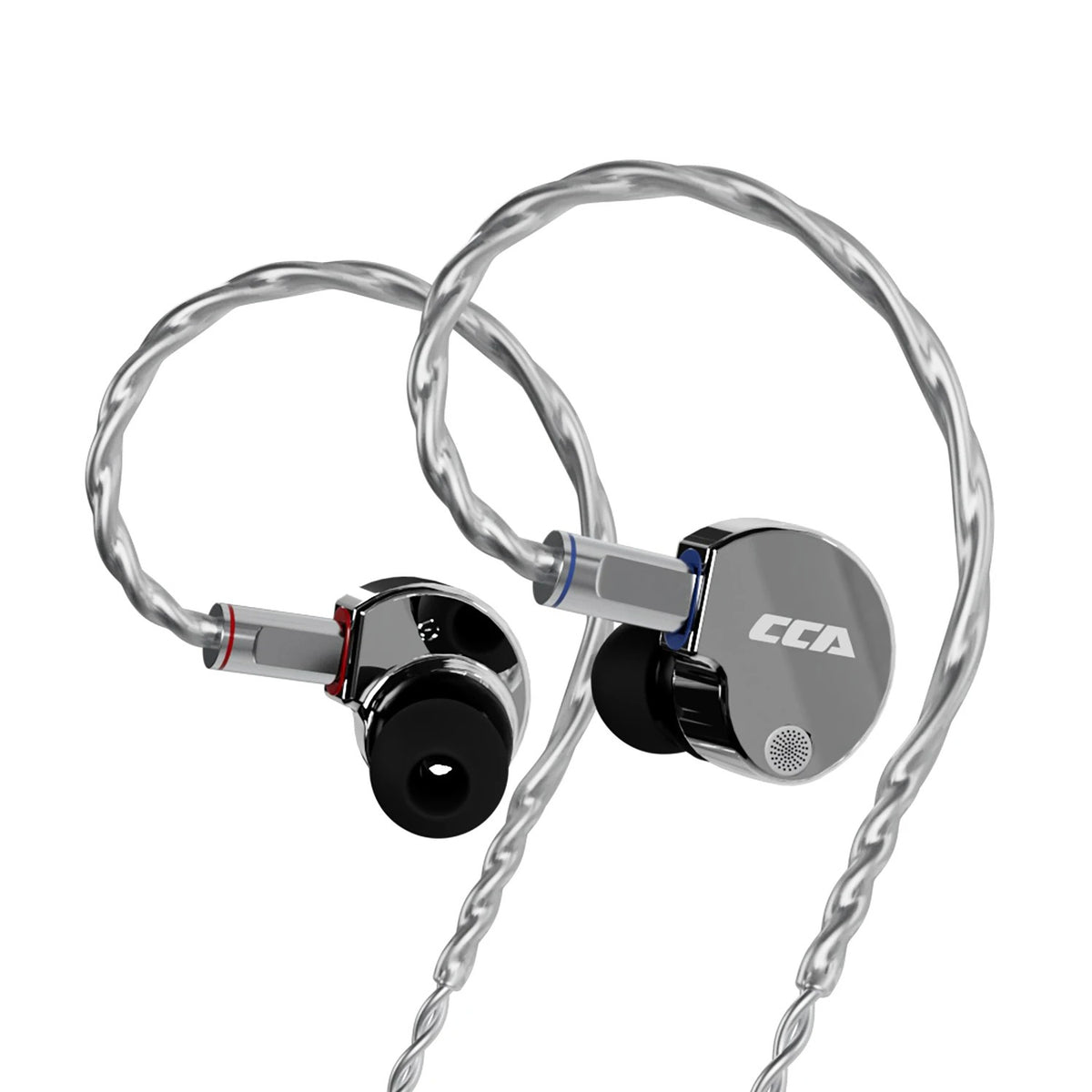
CCA Phoenix (The Audio Store)
CCA Phoenix review: a Harman-aimed all-metal single driver IEM
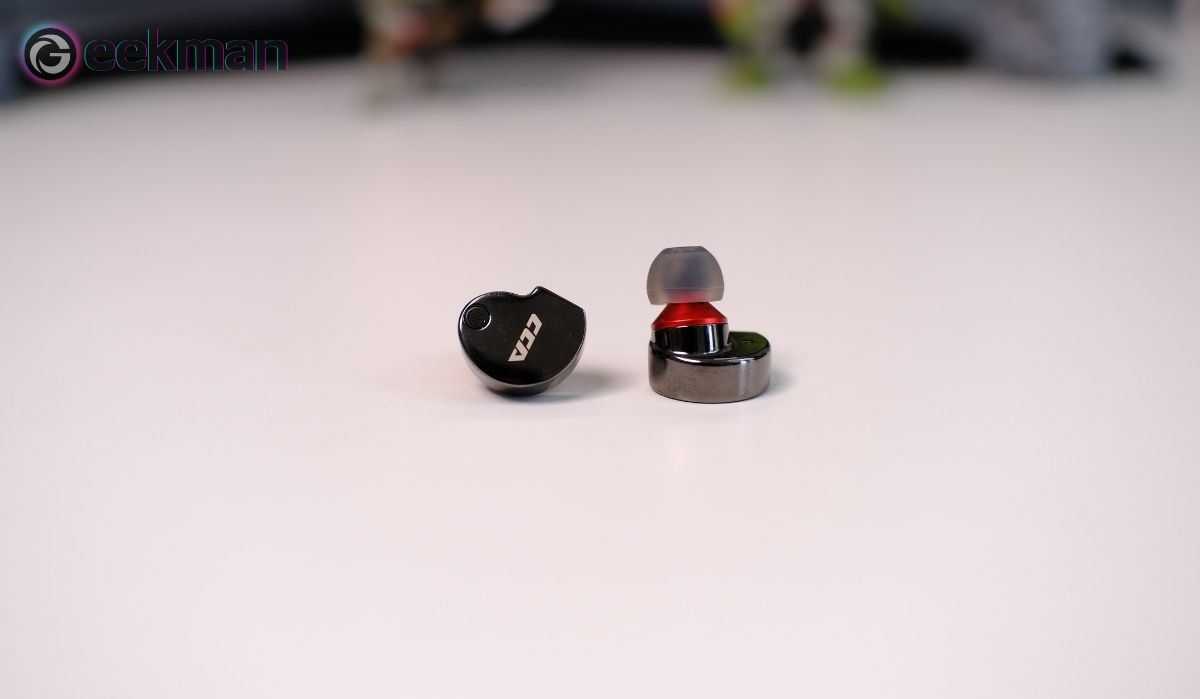
The CCA Phoenix is a single 10 mm dual-magnet dynamic driver IEM with an LCP diaphragm, rated at 33 ohm and 108 dB with a stated 20 Hz to 40 kHz range. The shell is 5-axis CNC machined zinc alloy, unusual at its price, and the tuning aims at a Harman-style target. In practice it sounds neutral with slight brightness: bass is lean, fast and controlled, mids are forward and spacious with good layering, and treble is extended and airy with controlled sibilance. The stage is wide and tall and imaging is precise, which is why it is one of the strongest gaming IEMs in this list. It is the set that most rewards a clean source.
My take: the Phoenix is for people who find warm, bass-heavy IEMs tiring. It suits rock, jazz, acoustic and vocals, and it is excellent for competitive games where footsteps and reloads must be placed accurately. Kick drums feel polite, and the treble can sound bright at first, though wide-bore tips and a few dozen hours of use settle it. The money angle is that a USB-C dongle at Rs 800 to Rs 1,500 tightens bass, adds mid weight and calms treble, and a few hundred rupees of wide-bore tips help further. About Rs 2,000 of extras makes it sound like a far costlier set.
CCA Phoenix fit, cable and mic
The metal shells feel cold, solid and weighty, which reads as premium but adds up over three or four hours. The bean shape is similar in size to most IEMs here, and isolation is good enough to cut traffic, office and gym noise. The cable is a 4-core, 156-strand silver-plated braid on 0.78 mm two-pin connectors, well built and tangle resistant. Four variants exist: 3.5 mm or Type-C, each with or without a mic and inline remote. The mic handles calls and voice chat but is not studio quality. A magnetic leather pouch is in the box.
CCA Phoenix warranty and delivery checks
CCA’s global terms give one year on the IEMs and three months on the cable for manufacturing defects. In India, buy from a seller that provides a GST invoice and states who handles claims. On delivery, check the faceplate engraving, equal channel level, firm two-pin plugs and the colour you ordered, and test a Type-C version with your own phone before the return window closes. Because the Phoenix is popular, lookalikes exist, and a price far below the normal range deserves suspicion.
CCA Phoenix vs Truthear Hexa and Simgot EW300: who should buy it
The Phoenix falls short on bass impact and midrange body, the metal shell adds weight, and upper mids can turn shouty at high volume. Against the Truthear Hexa, the Hexa has more refined treble and a more resolving hybrid presentation, while the Phoenix is leaner and much cheaper. Against the Simgot EW300, the EW300 is warmer and punchier, and the Phoenix is brighter and more precise. Buy the CCA Phoenix if you want a neutral, bright, premium-feeling IEM for games and critical listening and will pair it with a cheap dongle. Skip it if bass weight is your priority.
Best Neutral Hybrid
6. Truthear Hexa
Geekman score 7.6/10 · Performance 7.8 · Value 7.0 · Service 8.5
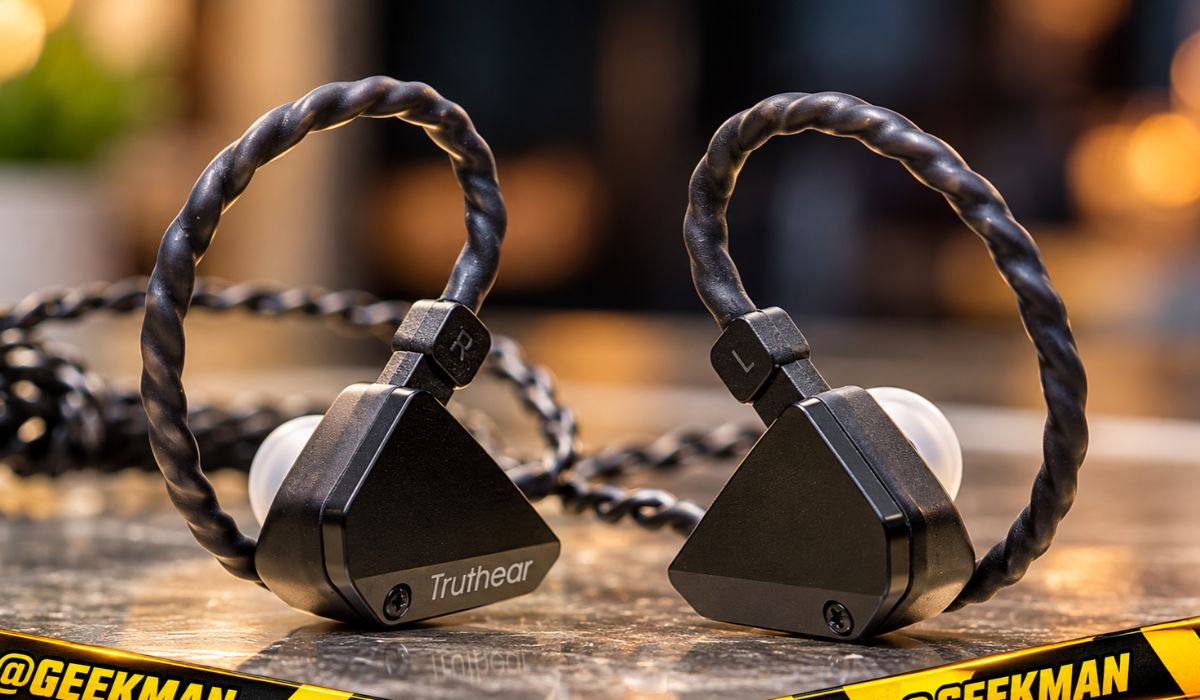
1 dynamic + 3 BA · Neutral tuning · Detachable 2-pin · Two tip sets + foam · iemranking 6.5
Best for
✓ Vocal and acoustic listeners
✓ People who want a neutral sound
✓ Buyers who want a clean hybrid for studio-style listening
Not ideal for
– Bass lovers
– Treble-sensitive listeners
– Anyone who wants big sub-bass impact
Verdict: The neutral, vocal-clean pick. Bass is light, so it is not for everyone.

Truthear Hexa (Headphone Zone)
Truthear Hexa review: one dynamic driver plus three balanced armatures
The Truthear Hexa is a hybrid IEM with a 10 mm LCP dynamic driver for lows, a custom twin balanced armature for mids and a custom balanced armature for highs. Impedance is 20.5 ohm, sensitivity 120 dB and the stated range 8 Hz to 40 kHz. The shell is 3D-printed medical-grade resin with a CNC aluminium faceplate, and the cable is a quad-strand silver-plated OFC lead, 1.2 m, with a 3.5 mm plug and 0.78 mm two-pin connectors. Two silicone tip types in S, M and L and a pair of foam tips are included with a faux-leather pouch. Sound is clean, with controlled sub-bass, restrained mid-bass, slightly recessed mids and extended, slightly forward treble.
My take: the Hexa is the technical choice for listeners who want detail, a wide stage and fast transients without a huge outlay. It suits acoustic, jazz, indie, classical and electronic music with clean production. Vocals can sound a little distant and bass slam is moderate. The treble can feel lit up for treble-sensitive ears, and it takes a week or two to adjust, with a gentle EQ cut around 7 to 9 kHz helping. A dongle DAC gives a meaningful lift in dynamic range. It sits near the top of this list, so spend your extras on a good source rather than a cable.
Truthear Hexa fit, cable and daily use
The resin shell is light, with a large nozzle that suits medium to large ears, and small-eared buyers should test the fit before committing. Isolation is good. The cable is workable but not premium, ends in 3.5 mm single-ended and has no balanced termination, so a 4.4 mm cable costs extra. The pouch is a folding wallet type with a small opening that is awkward to load. There is no mic in the standard configuration. Because the sound is bright, tip choice matters, and wide-bore silicone softens the top end.
Truthear Hexa warranty and what to check
A warranty card is included, and the standard term for the category is one year on manufacturing defects, so ask the seller for the exact terms and who handles claims in India. Insist on a GST invoice. On delivery, check equal channel level, a clean faceplate, a firm two-pin grip and that both tip families and the foam pair are present. Truthear is widely copied, so buy from an authorised seller and treat a cheap offer with suspicion. Keep the box and invoice for the whole warranty.
Truthear Hexa vs Moondrop Aria 2 and Simgot EW300: who should buy it
The Hexa falls short on vocal closeness, bass slam and treble forgiveness, and the shell can be tight for small ears. Against the Moondrop Aria 2, the Aria 2 is warmer and better for vocals and long sessions, while the Hexa is brighter and more analytical. Against the Simgot EW300, the EW300 is thicker and more intimate, and the Hexa is cleaner and airier. Buy the Truthear Hexa if you want a technical, wide-staged hybrid with extended treble and are ready to adjust to it. Skip it if you want warm or relaxed tuning.
Best Budget Planar Hybrid
7. KZ Duonic
Geekman score 7.5/10 · Performance 6.4 · Value 8.4 · Service 8.0
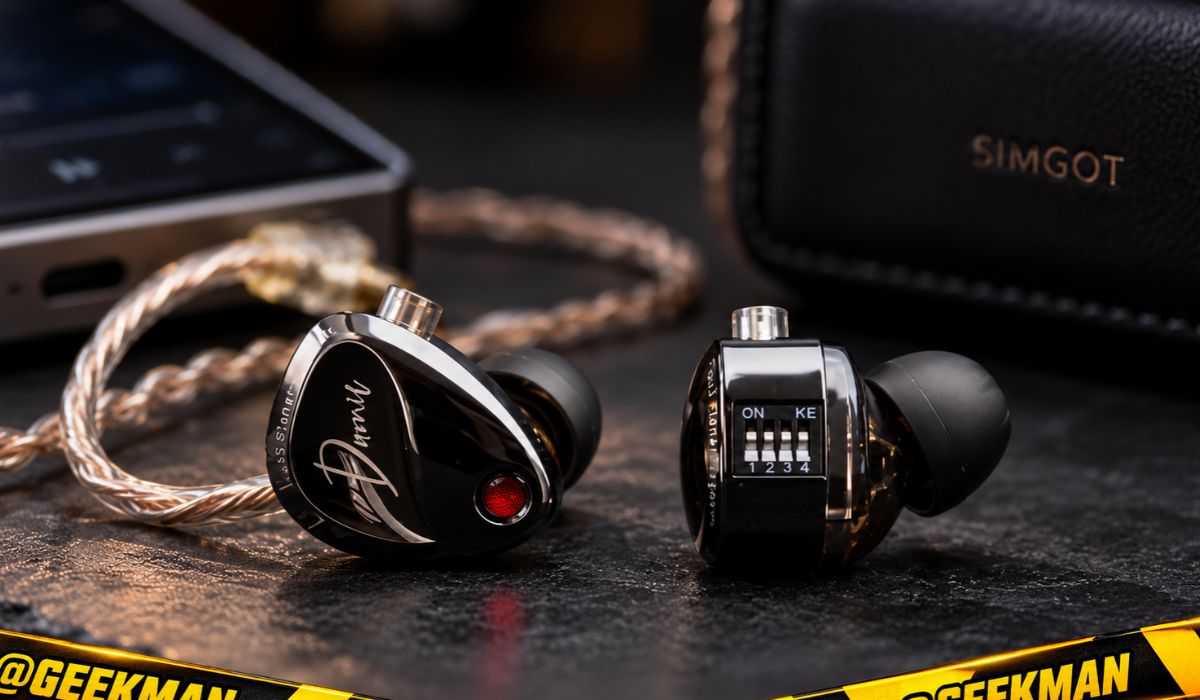
Dynamic + planar driver · U-shaped tuning · 3 versions · 3.5mm or Type-C · 1 year warranty
Best for
✓ Bass lovers on a budget
✓ People who want a planar driver under ₹2,000
✓ Phone users (Type-C version)
Not ideal for
– Competitive gamers (limited depth)
– People who want a very neutral sound
– Buyers who want a premium finish
Verdict: A fun, bass-forward set under ₹2,000. The standard version is the one to buy. Full details in my KZ Duonic detailed review.
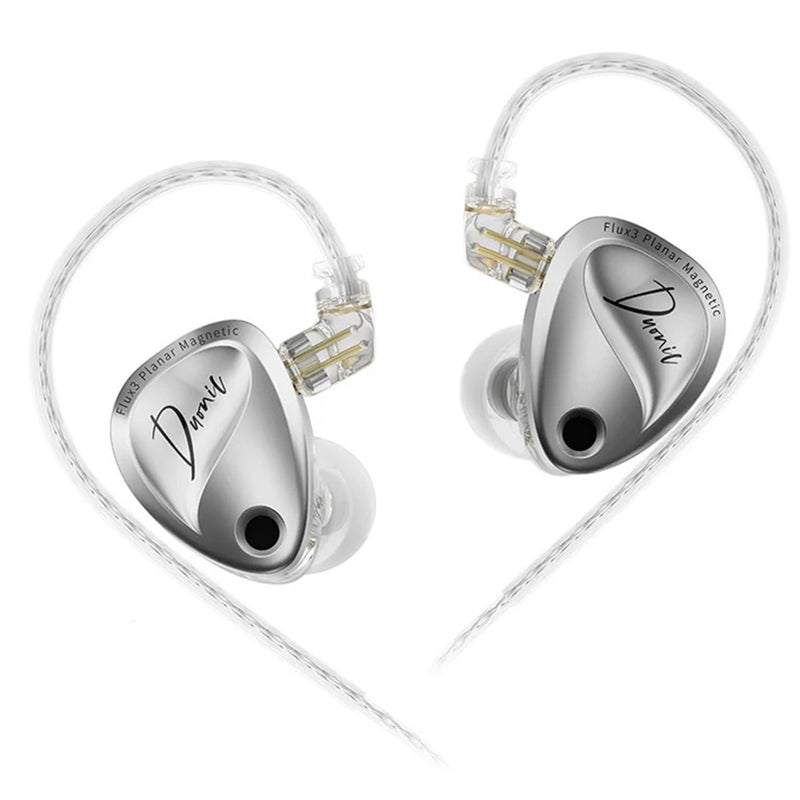
KZ Duonic (Headphone Zone)
KZ Duonic review: a planar plus dynamic hybrid with a sparkly top
The KZ Duonic pairs a Flux3 triple-magnet planar driver with a super-linear dynamic driver. Impedance is 24 ohm without switches and 22 to 28 ohm with them, sensitivity is 103 dB and the stated range 10 Hz to 20 kHz. KZ sells standard, switch and bass versions. The cable is silver-plated with a recessed two-pin connector, and mic variants have dual 6 mm condenser mics. The tuning is a U or slightly V shape with mid-bass slam rather than sub-bass rumble, energetic upper mids and a sparkly treble. It is fun-tuned rather than neutral, and imaging is the most praised trait.
My take: the Duonic is for pop, EDM, rock and gaming listeners who want bass punch and sparkle at the low end of this list. Positional cues are precise enough to help in BGMI and similar games. The top end can turn sharp or sibilant depending on the unit, and mids can lose definition on busy tracks, so treble-sensitive people should look elsewhere. I would pick the standard version for simplicity. For money, a better tip set at a few hundred rupees tames treble, and a spare KZ cable is worth buying early since the recessed connector limits cable choice.
KZ Duonic fit, mic and build
The compact, low-profile shell does not feel bulky and isolation is good for its size. Mic variants carry dual condenser mics with improved sensitivity, so calls sound clearer than on older KZ sets. The switch edition uses small switches and a tool that is easy to lose. Build is light plastic and metal with a functional stock cable. A real caution is unit to unit variation: some units have channel imbalance or uneven treble, so test both sides carefully in the return window.
KZ Duonic warranty and delivery checks
The maker’s terms are one year on the IEMs and three months on the cable for manufacturing defects, and Indian retailers usually give one year from the invoice date with a short cable cover and replacement window. Ask for a GST invoice and written terms. On delivery, run a left-right test to check channel balance, confirm the connector grips and check that tips and any tuning tool are present. KZ is widely copied, so buy from an authorised seller and avoid unusually cheap offers.
KZ Duonic vs KZ EDX Pro and CCA Phoenix: who should buy it
The Duonic falls short on treble smoothness, quality control consistency and cable choice, and it can fatigue sensitive ears. Against the KZ EDX Pro, the Duonic is faster and airier with better imaging, while the EDX Pro is cheaper and boomier. Against the CCA Phoenix, the Phoenix is more refined in build and tonal balance, and the Duonic is more energetic. Buy the KZ Duonic if you want bass punch, sparkle and precise imaging at a budget price and will test the unit on arrival. Skip it if you want smooth, neutral treble.
Best Neutral Under ₹6,000
8. Truthear x Crinacle Zero:Red
Geekman score 7.4/10 · Performance 7.2 · Value 7.2 · Service 8.0
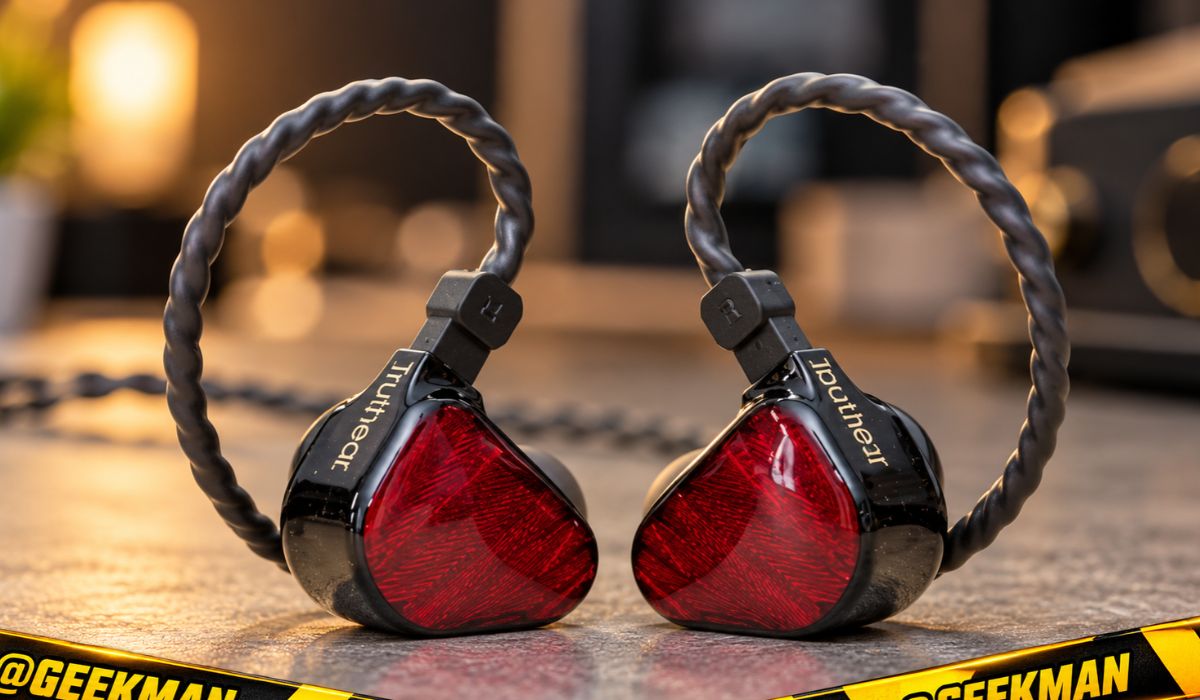
Dual dynamic drivers · Neutral with bass shelf · 10-ohm bass adapter · Detachable 2-pin · iemranking 6.2
Best for
✓ Listeners who want a Harman-leaning neutral sound
✓ Buyers who like adapters to add bass
✓ Wired gamers who want a clean sound
Not ideal for
– People with small ear canals (wide nozzle)
– Bass lovers who want slam
– Anyone who wants high detail
Verdict: A well-balanced, accessory-rich neutral set. Fit is the main risk because the nozzle is very wide.
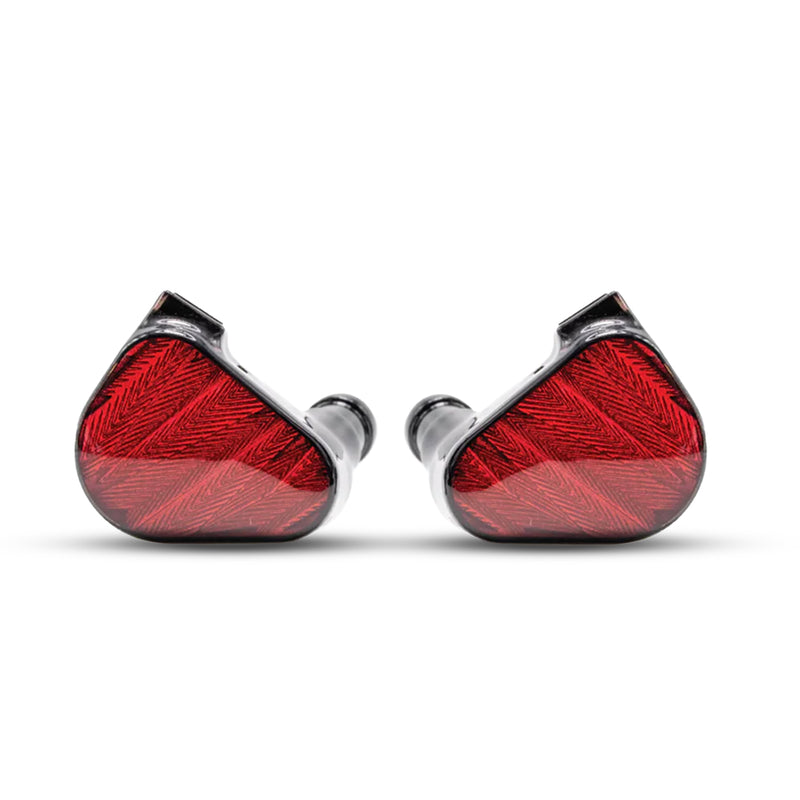
Truthear x Crinacle Zero:Red (Headphone Zone)
Truthear x Crinacle Zero:Red review: dual dynamic drivers with an impedance adapter
The Truthear x Crinacle Zero:Red uses two dynamic drivers, a 10 mm unit for bass and a 7.8 mm unit for mids and treble, with LCP diaphragms. Impedance is 17.5 ohm, sensitivity 117.5 dB, and the stated range is 20 Hz to 40.5 kHz. The tuning follows Crinacle’s IEF target with less bass than the original Zero. The box includes six pairs of silicone tips, foam tips, a 10 ohm impedance adapter that adds about 3 dB of bass and a pouch. Sound is well balanced with a neutral midrange, neither bright nor laid-back treble and enough bass for most music, though some tracks want more.
My take: the Zero:Red is for listeners who want a smooth, balanced, reference-leaning sound and are willing to match it to a good source. It is highly amp-dependent, and the same IEM can sound dry and flat on one source and organic on another. Weak phone output loses presence and punch, and dynamics are poor at low volume. The money angle is that a good dongle DAC is not optional here, so budget Rs 1,500 or more for one, and try the impedance adapter for extra bass. Without that match, the Simgot EW200 is the safer buy.
Truthear x Crinacle Zero:Red fit, cable and daily use
The composite resin housing is large and the nozzles are very long, so it may protrude from the ear and does not suit everyone. The cable is detachable, silver-plated and of decent quality with built-in ear hooks. The supplied tips are okay but nothing special. Isolation is moderate. There is no mic in the standard version. Because fit is the main variable, try the tips in the box and consider a wide-bore pair to improve seal. Try it at home with your own source before deciding.
Truthear x Crinacle Zero:Red warranty and fake checks
The maker’s standard terms for the category are one year on manufacturing defects, so ask the seller in writing with a GST invoice and confirm who handles claims in India. On delivery, check equal channel level, a firm two-pin grip and that the 10 ohm adapter, foam tips and pouch are present. Truthear is widely copied, so buy from an authorised store and treat a bargain price as a warning. Keep the adapter safe, since it is small and easily lost.
Truthear x Crinacle Zero:Red vs Simgot EW300 and COZOY D1: who should buy it
The Zero:Red falls short on source flexibility, dynamics at low volume and fit, and some will find the mids dry. Against the Simgot EW300, the EW300 is warmer and more forgiving, while the Zero:Red is more neutral. Against the COZOY D1, the D1 is cheaper and easier, and the Zero:Red is smoother and flatter. Buy the Truthear x Crinacle Zero:Red if you want a balanced, neutral tuning and have a good dongle. Skip it if you listen straight from a phone.
Best Gaming IEM Under ₹6,000
9. KZ Phantom
Geekman score 7.3/10 · Performance 7.2 · Value 7.0 · Service 8.0
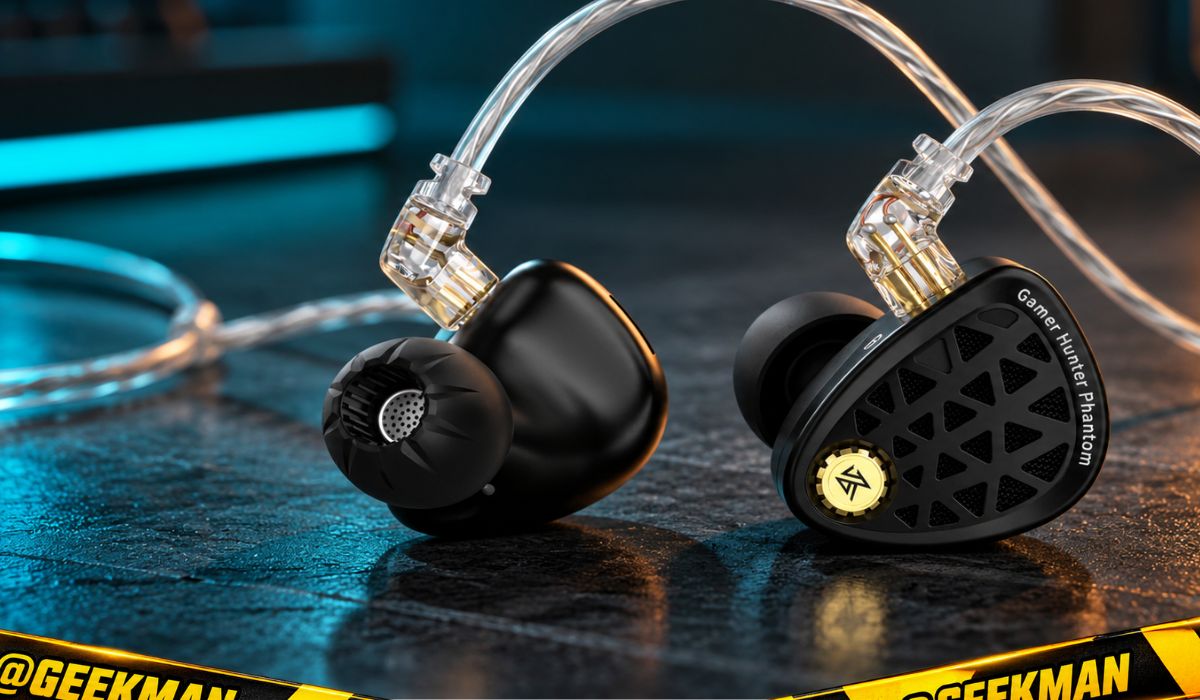
Dynamic driver, N52 magnet · 4 tuning switches · Dual-mic option · 3.5mm or Type-C DSP · iemranking 6.2
Best for
✓ Gamers who want a tunable IEM
✓ Buyers who want clear detail
✓ Phone and PC players
Not ideal for
– Bass lovers
– Buyers under ₹3,000
– People who want the Type-C DSP version in stock today
Verdict: The best-balanced gaming IEM under ₹6,000. See our full gaming guide for how it compares with the Rays and the Sony.
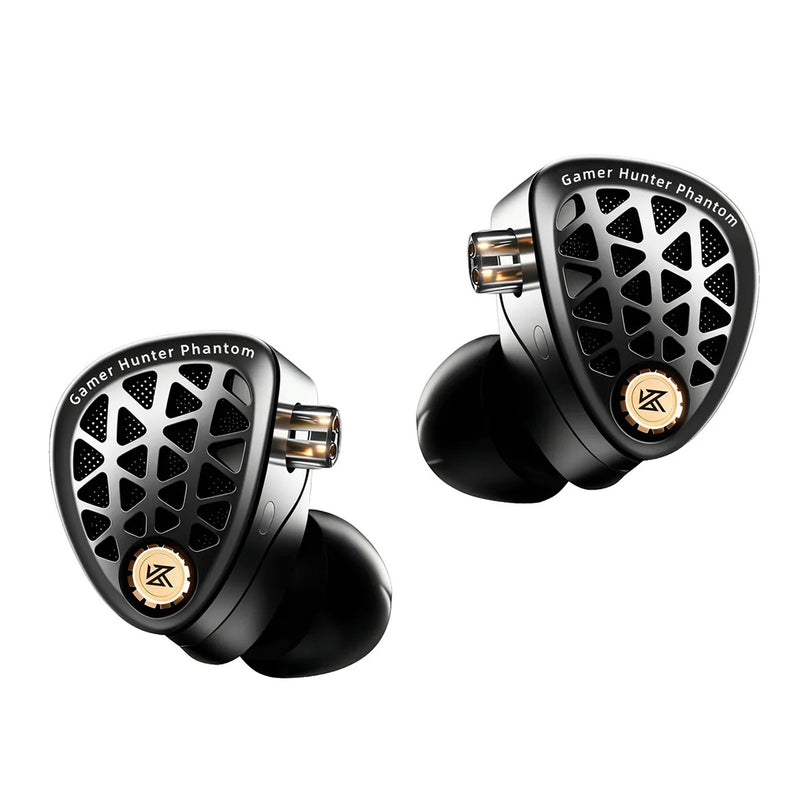
KZ Phantom review: a full-metal single driver with four tuning switches
The KZ Phantom is a single dynamic driver IEM with a large-diaphragm driver in a full-metal die-cast, closed-back shell with an over-ear hook. Impedance is 41 ohm, sensitivity is quoted very high at 128 dB, and the stated range is 20 Hz to 40 kHz. The cable is a detachable silver-plated dual-parallel lead of about 120 cm on 0.78 mm two-pin connectors, in 3.5 mm or Type-C form with mic options. Four physical switches adjust the tuning, and the Type-C version is described with a DSP sound card and four presets. A Bluetooth module is sold separately. Default tuning is a mild V with a bass shelf, clean and detailed, with airy crisp treble.
My take: the Phantom is a gaming-leaning IEM that also handles pop and electronic music. Separation, layering and background blackness are good for the money, and the physical switches let you change the balance without an app. The upper mids can be forward or shouty, the top end can be overly sparkly, and bass impact is limited, so bass lovers should look elsewhere. Switch steps are coarse compared with proper EQ. For money, a good tip set matters more than extras, and because the load is 41 ohm, a cheap dongle helps volume and control on weaker phones. Treat it as a technical set with a flashy look.
KZ Phantom fit, cable and mic
The metal shell feels sturdy and the shape sits smoothly in the ear, holding tips well, though metal adds weight over long sessions. Isolation is decent for a closed design. The detachable silver-plated cable is standard 0.78 mm two-pin, so replacements are easy. Mic options include a dual-mic array on some versions, so choose the variant that fits your use. The four switches are small, so keep a note of your preferred positions. The box holds the IEM, a manual and a warranty card, so plan to buy a pouch and better tips.
KZ Phantom warranty and what to check
The maker’s terms are one year on the IEM and three months on the cable for manufacturing defects. In India, ask the seller for a GST invoice and written terms and confirm who handles claims. On delivery, cycle every switch position and check that both channels change together, confirm the connector grips and test the Type-C version with your own phone. KZ is widely copied, and a very cheap offer is a warning sign. Keep the box and invoice until the warranty ends.
KZ Phantom vs CCA Phoenix and KZ Duonic: who should buy it
The Phantom falls short on bass impact, midrange smoothness and switch precision, and its micro-detail is budget tier. Against the CCA Phoenix, the Phoenix is more neutral and refined, while the Phantom is more tweakable. Against the KZ Duonic, the Duonic is bassier and more fun, and the Phantom is cleaner. Buy the KZ Phantom if you want a metal-shelled, switchable, gaming-leaning IEM with clean detail. Skip it if you are sensitive to forward upper mids.
Best for Vocals and Bollywood
10. Tangzu Waner SG 2 Red Lion
Geekman score 7.3/10 · Performance 6.8 · Value 7.6 · Service 7.5
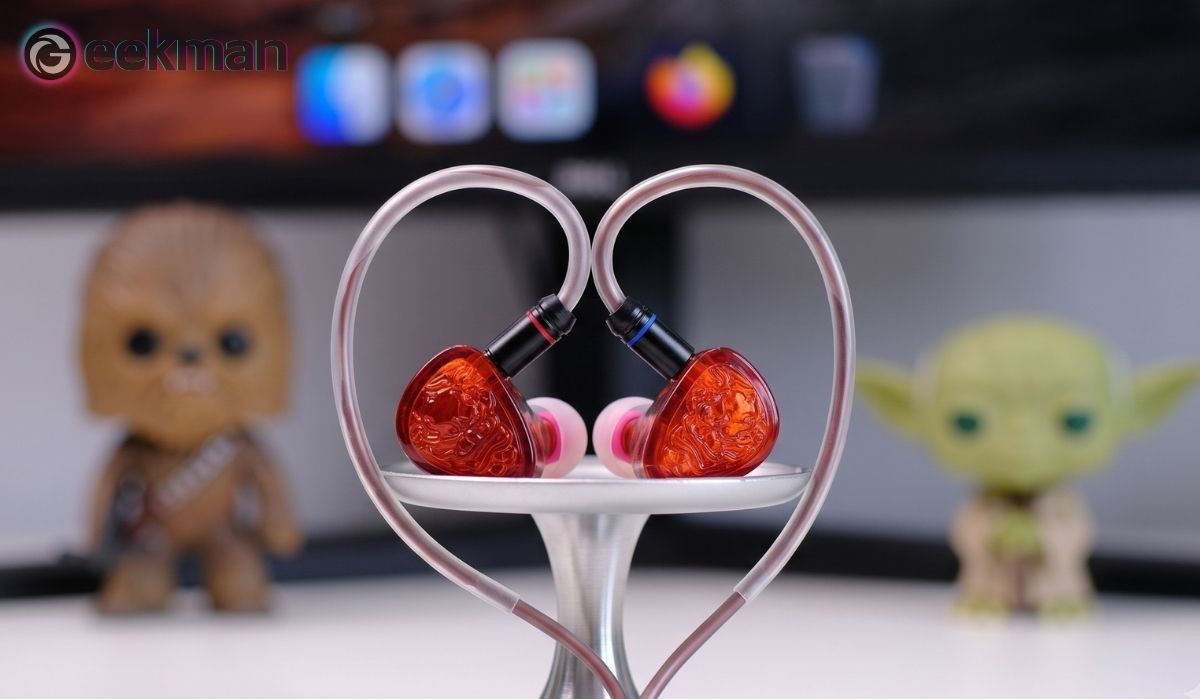
10 mm PET dynamic driver · Warm, bass-tilted neutral · 3.5mm or Type-C · Mic · 1 year warranty
Best for
✓ Vocal-heavy listeners (Bollywood, acoustic)
✓ First-time IEM buyers who want a safe pick
✓ Phone users (Type-C version)
Not ideal for
– Treble-heads
– People who want top-end detail
– Gamers who need depth
Verdict: A safe, easy sound for Indian music. It is not the most detailed IEM here, but it is smooth, bass-rich and forgiving.
Tangzu Waner SG 2 Red Lion (Headphone Zone)
Tangzu Waner SG 2 Red Lion review: warm, vocal-forward and easy to drive
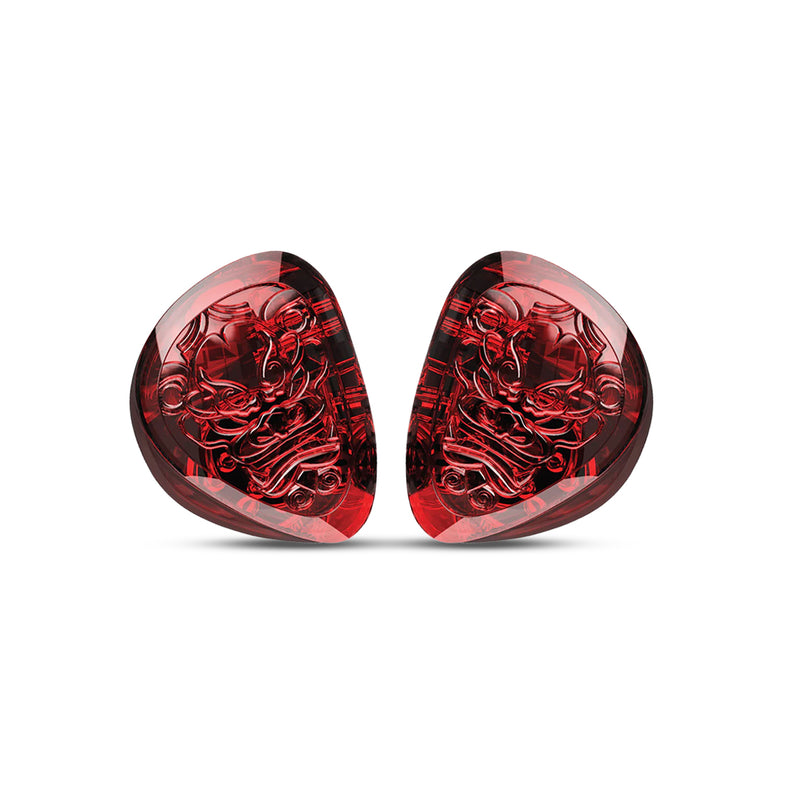
The Tangzu Waner SG 2 Red Lion is a single 10 mm dynamic driver IEM with an enhanced PET diaphragm. Impedance is around 19 to 20 ohm, sensitivity is 113.5 dB and the stated range is 20 Hz to 40 kHz. The shells are translucent red resin, the connector is a standard 0.78 mm two-pin, and the cable is red and braided. Two tip sets, HE Sonic and Sancai, a silicone case and a microfibre cloth are in the box. Tuning is warm and vocal-centric, with a fuller low end, body in the midrange and smooth treble. It is easy to drive from any phone, dongle or laptop jack.
My take: this is the IEM for Bollywood, ghazals, soft rock, hip-hop and casual gaming where voices matter. Singers sound close and rich, bass adds warmth, and nothing is sharp enough to tire you. It is less suited to acoustic jazz, classical and competitive shooters, since the top end is gentle. The money angle is the generous kit, which means almost no add-on spend, and no dongle is needed. Choose between 3.5 mm without a mic, 3.5 mm with a mic and Type-C with a mic to match your phone. It is the easiest recommendation in this list for someone coming from earbuds.
Tangzu Waner SG 2 Red Lion fit and daily use
The resin shells are light and comfortable, and the two-pin connection allows cable swaps. The warm tuning stays gentle at volume, so it works well on trains, at a desk and late at night. Isolation is average for a vented dynamic driver. Mic variants have an inline mic that handles calls. The translucent red resin can show scratches over time, so keep it in the supplied case. The red edition also came with an exclusive cable strap while stock lasted.
Tangzu Waner SG 2 Red Lion availability, warranty and fakes
In India the Red Lion has been sold in limited drops through Headphone Zone that sold out within days, which creates a risk. When stock is out, resellers list it at inflated rates or ship lookalikes, so wait for an authorised restock instead of paying a markup. Ask for a GST invoice and written warranty terms, usually one year on manufacturing defects with a shorter cable period. On delivery, check the red resin finish, equal channel level and that both tip sets and the case are present.
Tangzu Waner SG 2 Red Lion vs Moondrop Chu 3 and Moondrop Aria 2: who should buy it
The Red Lion falls short for detail hunters and anyone wanting a bright, airy sound, and stock can be hard to find. Against the Moondrop Chu 3, the Chu 3 has more bass and a more neutral midrange, while the Red Lion is warmer and more vocal. Against the Moondrop Aria 2, the Aria 2 is a more refined step up with a metal shell and balanced cable options. Buy the Tangzu Waner SG 2 Red Lion if you want a warm, easy, vocal-first IEM with a generous kit. Skip it if you want sparkle.
Most Popular Budget Pick
11. Moondrop Chu 3
Geekman score 7.1/10 · Performance 6.2 · Value 7.2 · Service 8.5
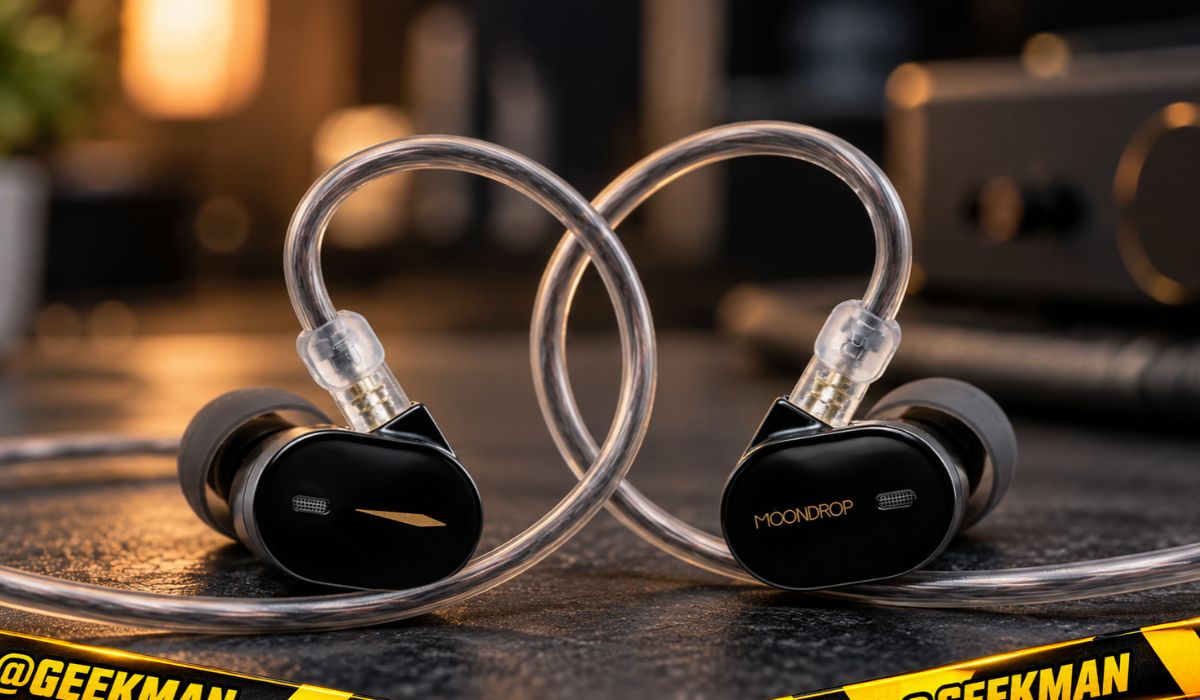
10 mm Al-Mg dynamic driver · Warm Harman tuning · All-metal shell · 3.5mm, no mic · 1 year warranty
Best for
✓ Buyers who want a well-known brand under ₹3,000
✓ Bass-leaning listeners
✓ People who like metal builds
Not ideal for
– Listeners who want clean vocals and air
– Phone users who want a mic
– Anyone who wants Type-C
Verdict: A well-built, popular IEM, but reviewers split on its bass. Headphones.com loves it, iemranking reviewers are mixed.
Moondrop Chu 3 (Headphone Zone)
Moondrop Chu 3 review: a compact metal IEM with elevated, firm bass
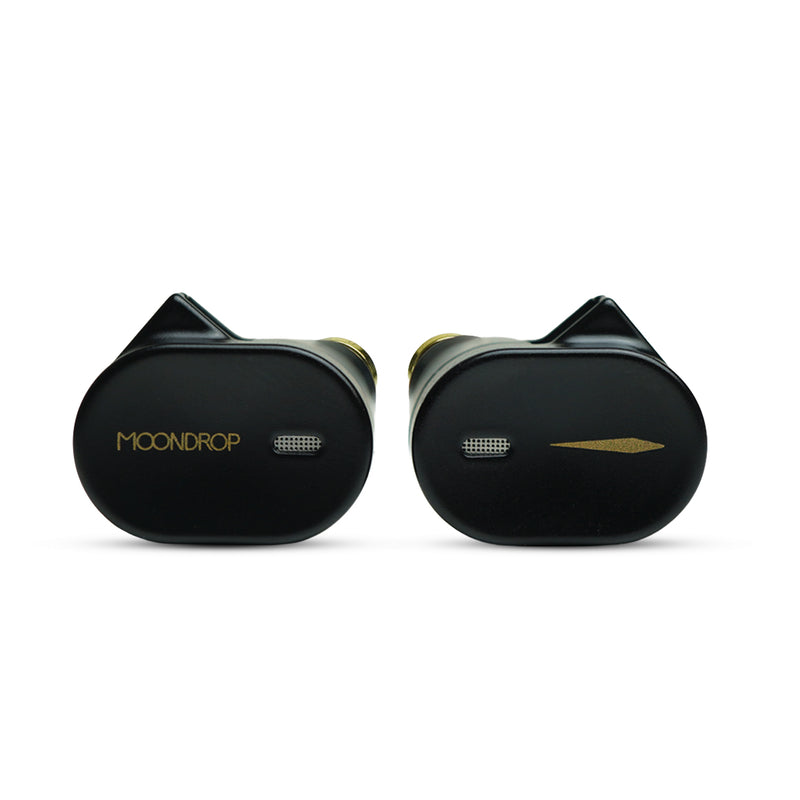
The Moondrop Chu 3, also written Chu III, is a single 10 mm dynamic driver IEM with an Al-Mg alloy composite diaphragm. Impedance is 16 ohm, sensitivity 118 dB and distortion is rated at 0.1 percent or lower. The bean-shaped zinc alloy shell has a 6 mm nozzle angled for a deep fit, and the cable is a plain detachable 3.5 mm unit on a 0.78 mm two-pin connector. Independent measurements show a balanced to mildly V-shaped response with elevated bass extending into the sub-bass, a focused midrange with clear upper mids and a mid-treble lift. Bass is boomy on drum notes but firm and defined rather than loose.
My take: the Chu 3 is for people who want tight, deep, elevated bass without losing vocals. It suits pop, EDM, hip-hop and film soundtracks, and the focused mids keep voices clear over the bass. It is less suitable for lush warm mids, and treble peaks can thin out cymbals. For money, wide-bore tips at a few hundred rupees often improve the seal and bass, and a Rs 800 to Rs 1,500 dongle is optional because 118 dB sensitivity makes it easy to drive. A mic cable is a cheap add-on since no mic comes standard.
Moondrop Chu 3 fit and care
The metal shell is small and solid with a prominent rear vent. The brass nozzle may oxidise over time, so wipe it dry after workouts and avoid humid bags. Fit is deep, which gives good isolation but means a wrong tip size can cause discomfort, so test sizes early. The cable is basic. Soundstage extends just past the ears with some height, and imaging is coherent for the class. Silicone tips in S, M and L are supplied, and the angled nozzle suits wide-bore replacements.
Moondrop Chu 3 warranty and fake-unit risk in India
Moondrop is widely copied, so fake or unbranded units circulate. Buy the Chu 3 from an authorised seller that gives a GST invoice and written warranty terms, typically one year from the maker, and ask who handles claims in India. On delivery, check the box printing, the engraving on the shells, equal channel level and a firm two-pin grip. A price far below the normal range is a warning sign, since the genuine product holds a stable street price.
Moondrop Chu 3 vs Moondrop Aria 2 and Tangzu Waner SG 2 Red Lion: who should buy it
The Chu 3 falls short on sub-bass texture, treble smoothness and comfort for some ears, and it has no mic. Against the Moondrop Aria 2, the Aria 2 has tighter bass, a wider stage and better build, and the Chu 3 costs far less. Against the Tangzu Waner SG 2 Red Lion, the Red Lion is more vocal-centred, while the Chu 3 has deeper bass. Buy the Moondrop Chu 3 if you want a compact, bass-forward IEM with clear vocals and a metal build. Skip it if you want neutral tuning or a mic.
Best for Smooth Vocals
12. Moondrop Aria 2
Geekman score 7.1/10 · Performance 7.6 · Value 5.8 · Service 8.5
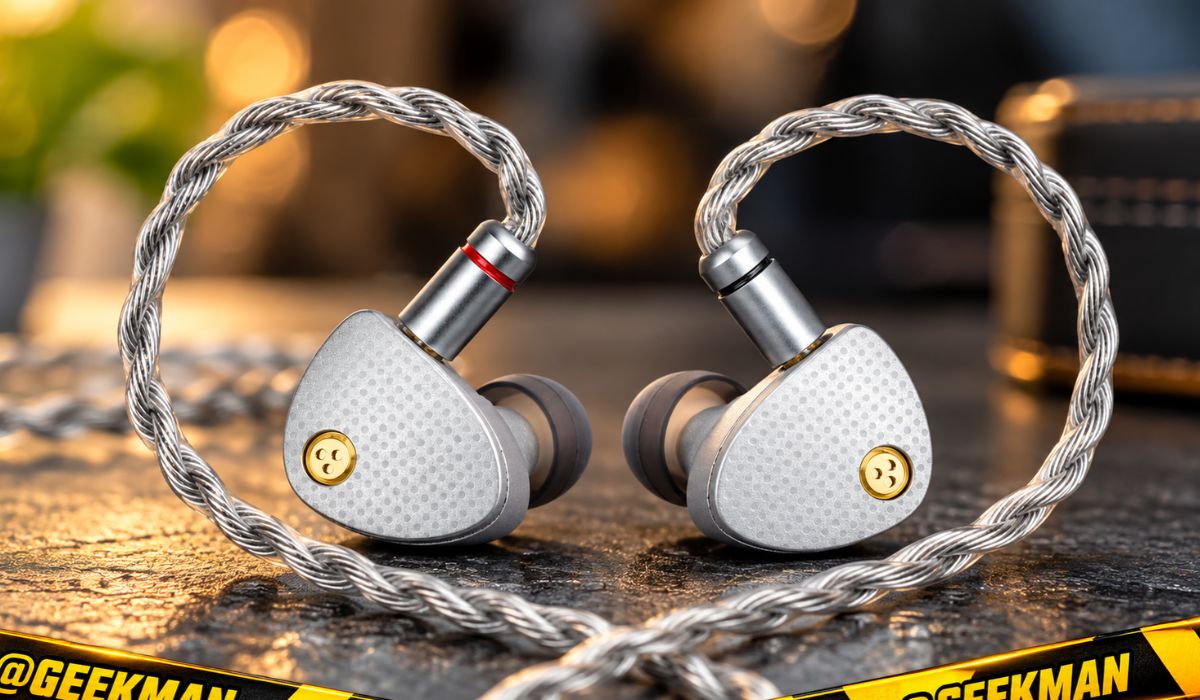
TiN ceramic dynamic driver · Warm, mid-centric · 3.5mm and 4.4mm plugs · Replaceable nozzle · iemranking 6.4
Best for
✓ Vocal and acoustic fans
✓ People who want a smooth, non-fatiguing sound
✓ Buyers who use both 3.5mm and 4.4mm sources
Not ideal for
– Bass lovers who want slam
– Buyers on a budget
– Anyone who wants high resolution
Verdict: A smooth, warm vocal IEM. At ₹8,999 it is the weakest value here.
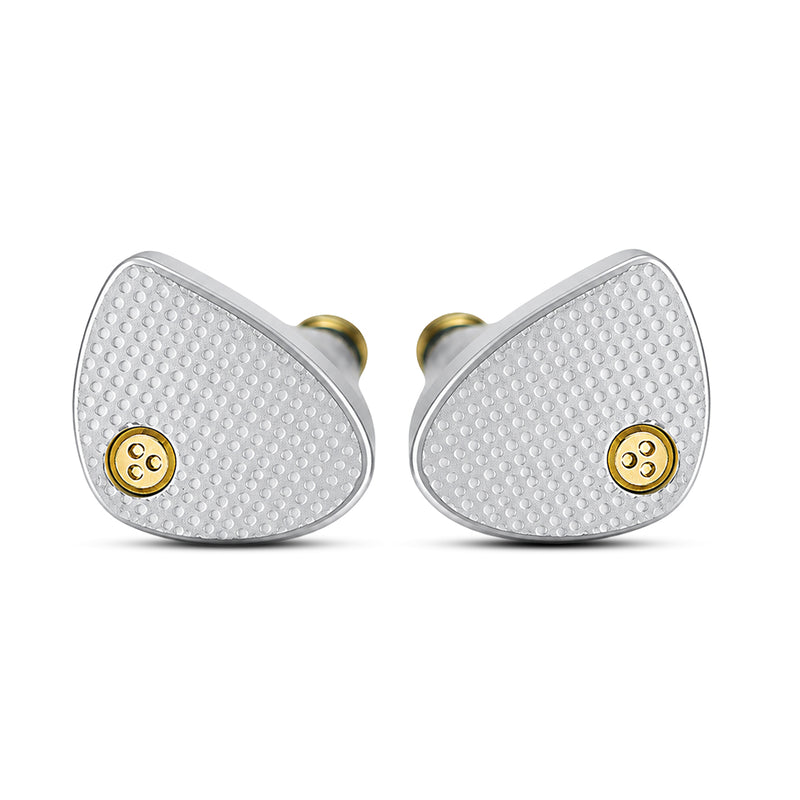
Moondrop Aria 2 review: a VDSF-tuned single driver with a modular cable
The Moondrop Aria 2 is a single 10 mm dynamic driver IEM with a ceramic-coated spherical dome composite diaphragm, a composite magnetic circuit and an independent brass cavity. Impedance is 33 ohm and sensitivity 122 dB, so any phone, dongle or laptop jack drives it. The shell is alloy-cast and precision-milled with a replaceable brass nozzle, and the cable is a detachable 0.78 mm two-pin type with interchangeable 3.5 mm and 4.4 mm plugs. Three silicone tips and a leather case are included. The tuning follows Moondrop’s VDSF target, a Harman derivative warmer in the mid-bass: meaty mid-bass, recessed sub-bass, airy vocals and a comfortable, not aggressive, treble.
My take: the Aria 2 is the polished choice for vocals, pop, rock and acoustic music, and long sessions never tire. Female vocals are airy without peakiness, instruments avoid a plasticky timbre, and the stage has good depth. Sub-bass is polite and cymbals lack some sparkle, so electronic and treble-focused listeners should look elsewhere. It is a refinement of the original Aria rather than a generational leap, so skip it if you own that. For money, plan about Rs 800 to Rs 1,000 on better tips such as SpinFit or Moondrop spring tips, since seal affects bass.
Moondrop Aria 2 fit, cable and build
The CNC-milled zinc alloy shell has real weight, and the ergonomic curve is unchanged from the original Aria, so if that fit you, this will too. The cable is well braided with low microphonics, and the plug uses a screw-on collar instead of a press-fit. Standard pin orientation means aftermarket cables work. The balanced 4.4 mm plug is a real advantage if you use a balanced dongle or DAP. No mic is included in the standard cable. The replaceable brass nozzle helps clear wax.
Moondrop Aria 2 warranty and fake-unit risk
Moondrop is widely copied, so buy the Aria 2 only from an authorised seller that gives a GST invoice and written warranty terms, usually one year from the maker, and ask who handles claims in India. On delivery, check the box printing, shell engraving, both plug types and the case, plus equal channel level and a firm two-pin grip. A price well below the usual range suggests a fake or old stock. Keep the invoice for the full warranty period.
Moondrop Aria 2 vs Truthear Hexa and Moondrop Chu 3: who should buy it
The Aria 2 falls short on sub-bass authority, treble sparkle and value for people who already own the first Aria. Against the Truthear Hexa, the Hexa is brighter and more analytical with better detail, while the Aria 2 is better for vocals and long sessions. Against the Moondrop Chu 3, the Chu 3 is far cheaper and bassier, and the Aria 2 has tighter bass, a wider stage and a better build. Buy the Moondrop Aria 2 if you want one warm, coherent IEM for vocals and acoustic music with balanced cabling. Skip it if you want sub-bass slam or treble sparkle.
Best Bright V-Shape Under ₹4,000
13. COZOY D1
Geekman score 6.9/10 · Performance 6.8 · Value 7.0 · Service 7.0
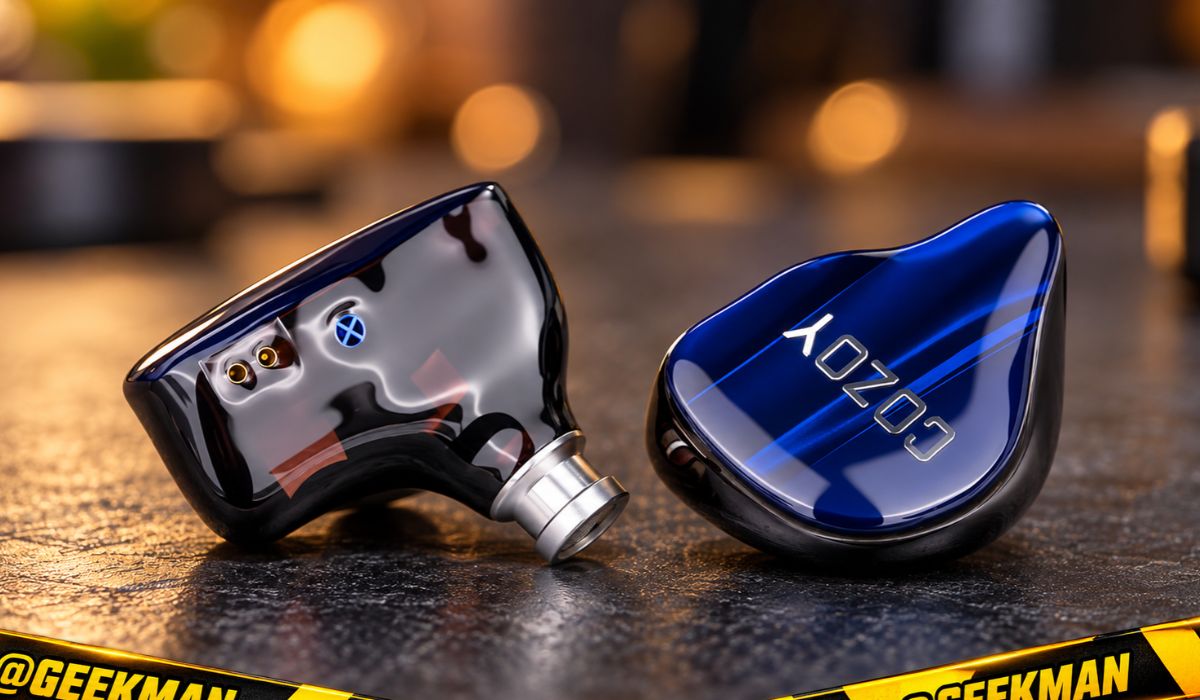
10 mm graphene dynamic driver · Bright V-shaped · Mic · 3.5mm · 1 year warranty
Best for
✓ Listeners who like a bright, energetic sound
✓ Buyers who want a big stage
✓ People who like punchy bass
Not ideal for
– Treble-sensitive listeners
– Long listening sessions at high volume
– People who want a warm sound
Verdict: Fun and bright with a surprisingly big stage. It can tire sensitive ears.

COZOY D1 (The Audio Store)
COZOY D1 review: graphene driver with a Harman-leaning tuning
The COZOY D1 uses a single 10 mm dynamic driver with a graphene diaphragm in a dual-magnet, dual-cavity design. Impedance is 32 ohm and sensitivity is 100 dB, lower than most rivals, so it likes a decent source and a little more volume. Tuning sits close to a 2019 Harman curve with a slight V lean: the bass shelf peaks near 9 dB, upper mids carry a mild boost, the lower midrange is slightly recessed and the pinna gain reaches about 10 dB. The result is clean, controlled bass, a lean and clear midrange and a bright, detailed top, more analytical than musical, closer to 40 and 60 than a warm set.
My take: the D1 is for people who want clarity without paying for a hybrid. It suits acoustic, indie, jazz, vocal pop and podcasts and keeps busy music clean. It is not bass-heavy, so hip-hop and EDM fans will find it light, and it can sound glary or metallic on bright recordings and bright sources. For money, seven tip pairs come in the box, but a pack of wide-bore silicone tips at a few hundred rupees is the sensible upgrade, and a warm or neutral USB-C dongle in the Rs 800 to Rs 1,500 range helps if your phone is bright. More power does not help beyond a solid dongle.
COZOY D1 fit, shell and cable
The shells are black 3D-printed resin with blue and purple faceplates and medium-length silver alloy nozzles about 6 mm wide. They are lightweight and ergonomic, so once the seal is right they stay comfortable for long sessions. The cable is a purple braided 4-core, 216-strand silver-plated copper lead on 0.78 mm two-pin connectors with a 3.5 mm plug, better than most stock cables here. There is no mic variant in the standard package, so it is a music IEM rather than a call IEM. The wrong tip will thin the bass noticeably, so try all three tip styles.
COZOY D1 warranty and buying safely in India
COZOY is a newer brand, so India support depends on the retailer. Insist on a GST invoice and a written warranty term, normally one year on manufacturing defects with accessories and cable covered for less, and ask who handles the claim. On delivery, check equal channel level, firm two-pin sockets and that the foam, triple-flange and narrow-bore tip sets are all present. Lookalike offers of popular budget IEMs do appear, so a price dramatically below the street rate is a reason to step back.
COZOY D1 vs Twistura Delta and Truthear Hexa: who should buy it
The D1 falls short for bass lovers, for people who want lush mids and for anyone listening through a bright source. Against the Twistura Delta, the Delta is warmer and fuller while the D1 is cleaner. Against the Truthear Hexa, the Hexa is a step up in detail and treble refinement but costs much more. Buy the COZOY D1 if you want a clean, Harman-leaning, detailed single driver that sounds clear without sharp edges, with a neutral or warm source to pair it with. Skip it if you want warmth.
Divisive Neutral-Bright Classic
14. 7Hz Salnotes Zero
Geekman score 6.6/10 · Performance 5.8 · Value 7.0 · Service 7.5
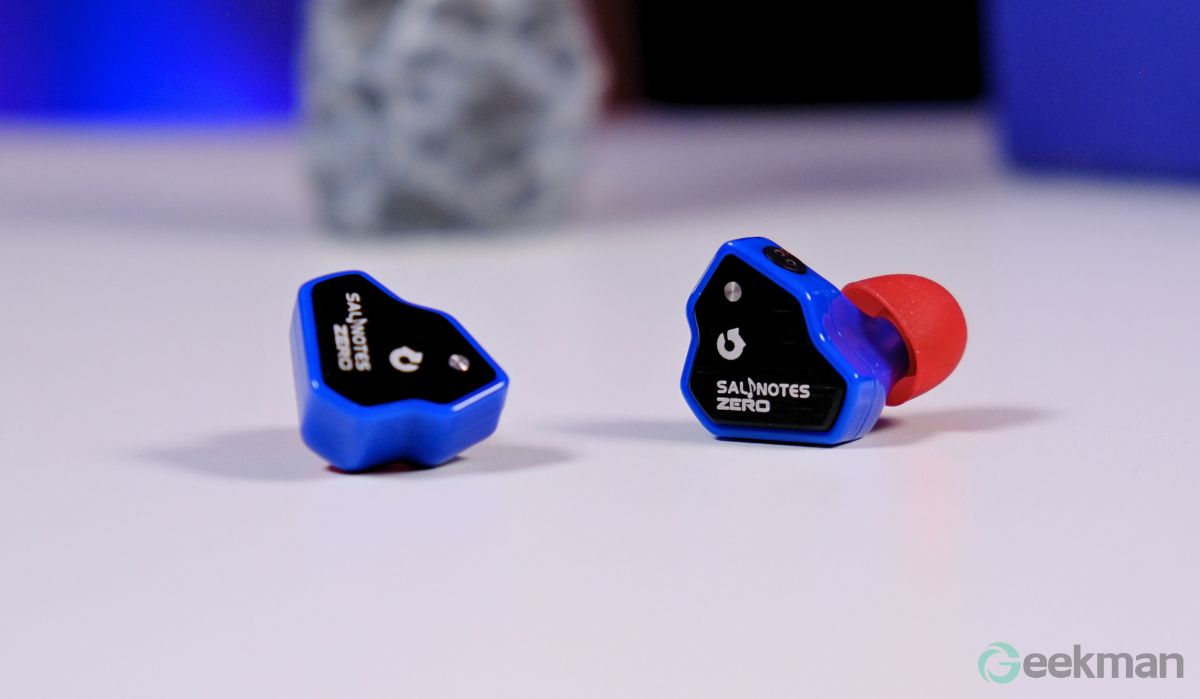
10 mm dynamic driver · Neutral-bright · 3.5mm or Type-C · Mic versions · iemranking 5.5
Best for
✓ Listeners who like a clean, bright sound
✓ Vocal fans
✓ Buyers who want to swap cables
Not ideal for
– Bass lovers
– Treble-sensitive listeners
– Anyone who wants slam and dynamics
Verdict: Reviewers either love it or hate it. It is clean and vocal, with weak bass and a bright top end.
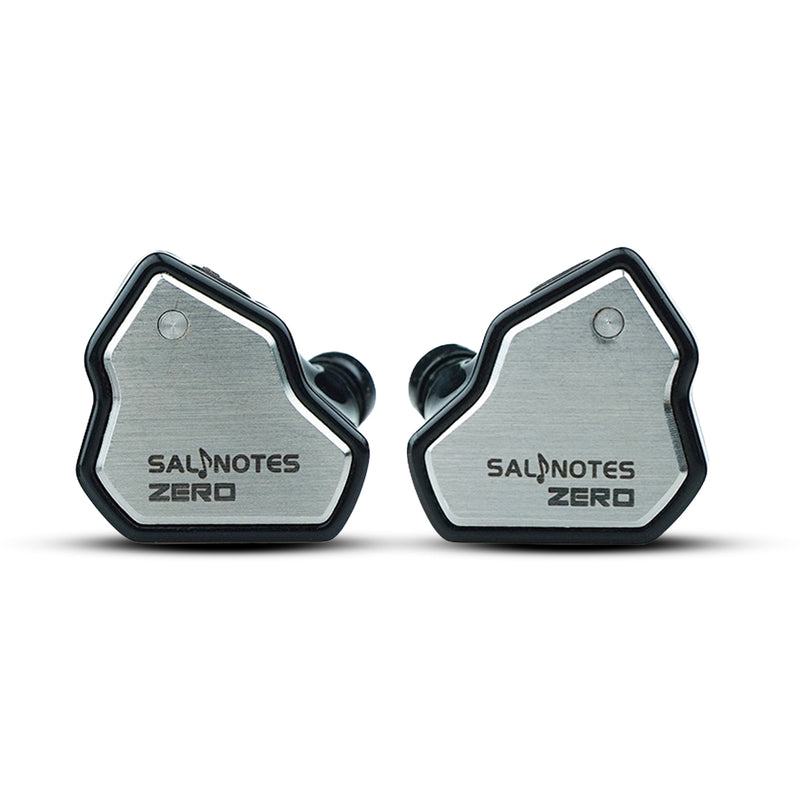
7Hz Salnotes Zero (Headphone Zone)
7Hz Salnotes Zero review: a neutral, mid-centric 10mm IEM with a wide stage
The 7Hz Salnotes Zero is a single 10 mm dynamic driver IEM with a tiny 3D-printed shell and a large metallic backplate. Impedance is about 32 ohm, sensitivity is quoted around 108 dB and the stated range is 10 Hz to 20 kHz, with distortion under 1 percent. The two pins sit on a diagonal, which helps fit and isolation, and the cable is thin but strong on a 0.78 mm two-pin connector with no chin guard. Tuning is neutral and mid-centric with a forward presentation, and the stage is wide for the price, close to a half circle on live recordings. Bass is modest and the body is on the thin side.
My take: the Zero is for people who want clean vocals, a wide stage and a reference-style balance, including those who like to EQ. It suits acoustic, indie, jazz, podcasts and competitive gaming where positional accuracy matters. Pop with heavy bass sounds light, and strings can sound thin. The money angle is that the best upgrade is free: a gentle 3 dB low-shelf in a music app gives the body the stock tuning lacks. Then spend a few hundred rupees on tips for a better seal. A basic dongle is optional because the load is easy. For a budget reference-style set, it is hard to beat.
7Hz Salnotes Zero fit, cable and daily use
The shell is tiny and light, comfortable for small ears and for lying down, and the metal backplate looks sharp. Isolation is average because of the vented design. The cable is thin and has no chin slider, so it can tangle and add microphonics when it rubs a collar, and I would handle it gently. There is no mic in the standard version, so use it as a music and game IEM unless you add a mic cable. The nozzle is short, so deep-fit fans may want longer tips.
7Hz Salnotes Zero warranty and fake checks
7Hz sets reach India through audio retailers, and the usual terms are one year on manufacturing defects with a short cable window. Ask for a GST invoice and written terms, and confirm who handles claims. On delivery, check equal channel level, a firm two-pin grip and a clean metal backplate. Fakes of well-known 7Hz models exist, so buy from an authorised seller and distrust very low prices. Keep the invoice for the first year.
7Hz Salnotes Zero vs Tangzu Waner SG 2 Red Lion and CCA Phoenix: who should buy it
The Zero falls short on bass punch, body and treble air, and electronic or bass-heavy music sounds thin. Against the Tangzu Waner SG 2 Red Lion, the Red Lion is warmer and more vocal, while the Zero is cleaner and wider. Against the CCA Phoenix, the Phoenix is brighter with a metal build and better imaging, and the Zero is more natural in the mids. Buy the 7Hz Salnotes Zero if you want a neutral, wide-staged, mid-centric IEM for vocals, games and EQ experiments. Skip it if you want warmth or bass.
Cheapest Way to Try an IEM
15. KZ EDX Pro
Geekman score 6.5/10 · Performance 4.4 · Value 7.8 · Service 8.0

Dual 10 mm dynamic drivers · V-shaped · Mic · 3.5mm or Type-C · iemranking 4.8
Best for
✓ First-time IEM buyers on a tight budget
✓ Bass lovers on a budget
✓ People who want a spare pair
Not ideal for
– Treble-sensitive listeners
– Anyone who wants a refined sound
– Long listening at high volume
Verdict: The cheapest way to try an IEM. It is bass-heavy and the treble is rough, so keep the volume down.

KZ EDX Pro review: a 112 dB V-shaped IEM with a flat OFC cable
The KZ EDX Pro uses a 10 mm dual magnetic circuit dynamic driver in a resin cavity with metal ornaments and PU ear hooks. Impedance is 24 ohm, sensitivity 112 dB and the stated range 10 Hz to 20 kHz. The cable is a flat 5N OFC type of about 125 cm on a 0.75 mm two-pin connector, and the mic is a high-definition condenser with single-button control. The tuning is V-shaped. Bass is punchier than on the older EDX with good sub-bass rumble, though the mid-bass can boom. Upper mids are the strength, with clean female vocals and good instrument detail, and the treble is bright and detailed but can turn sharp at high volume.
My take: the EDX Pro suits films, series, gaming and pop when you want volume and punch for very little money. Footsteps in games are easy to place and the stage is decent for the price. It is not subtle: male vocals can sound muddy on some tracks, bass can boom and treble gets harsh if you push the volume. The money angle is simple. The Headphone Zone version includes both 3.5 mm and Type-C connectors and a free case, and the regular version has only the 3.5 mm plug, so match the code on the carton to what you ordered, and add better tips for a few hundred rupees.
KZ EDX Pro fit, mic and comfort
Lightweight shells and PU ear hooks give a secure fit that suits long viewing sessions, and isolation is strong with good tips. The mic has metal mesh plates and gives clear voice indoors and decent voice outdoors, though traffic noise leaks into calls. The flat rubberised cable feels durable and tangles less than thin round cables. Treat the stock tips as a placeholder and replace them early. Test the mic on day one and return the set inside the replacement window if it is dead.
KZ EDX Pro warranty and India service
The Indian distributor gives one year from the invoice date on manufacturing defects only, one month on the cable and a seven-day replacement window, and the Headphone Zone version follows the seller’s own terms. Keep the invoice, test the mic and both channels as soon as the box arrives and report faults quickly. Check that the cable, tips and any case are in the box. Buy from an authorised seller, because the EDX Pro is widely copied and fakes often have weak mics and uneven channels.
KZ EDX Pro vs KZ Duonic and Truthear x Crinacle Zero:Red: who should buy it
The EDX Pro falls short on mid-bass control, treble smoothness and tip quality, and it lacks refinement. Against the KZ Duonic, the Duonic is faster and airier, while the EDX Pro is cheaper and boomier. Against the Truthear x Crinacle Zero:Red, the Zero:Red is far smoother and more balanced but needs a good source and costs much more. Buy the KZ EDX Pro if you want the liveliest sound for the least money for movies and games. Skip it if you want natural vocals.
Best for FPS Presets
16. Moondrop Rays DSP
Geekman score 6.4/10 · Performance 7.0 · Value 5.0 · Service 8.0
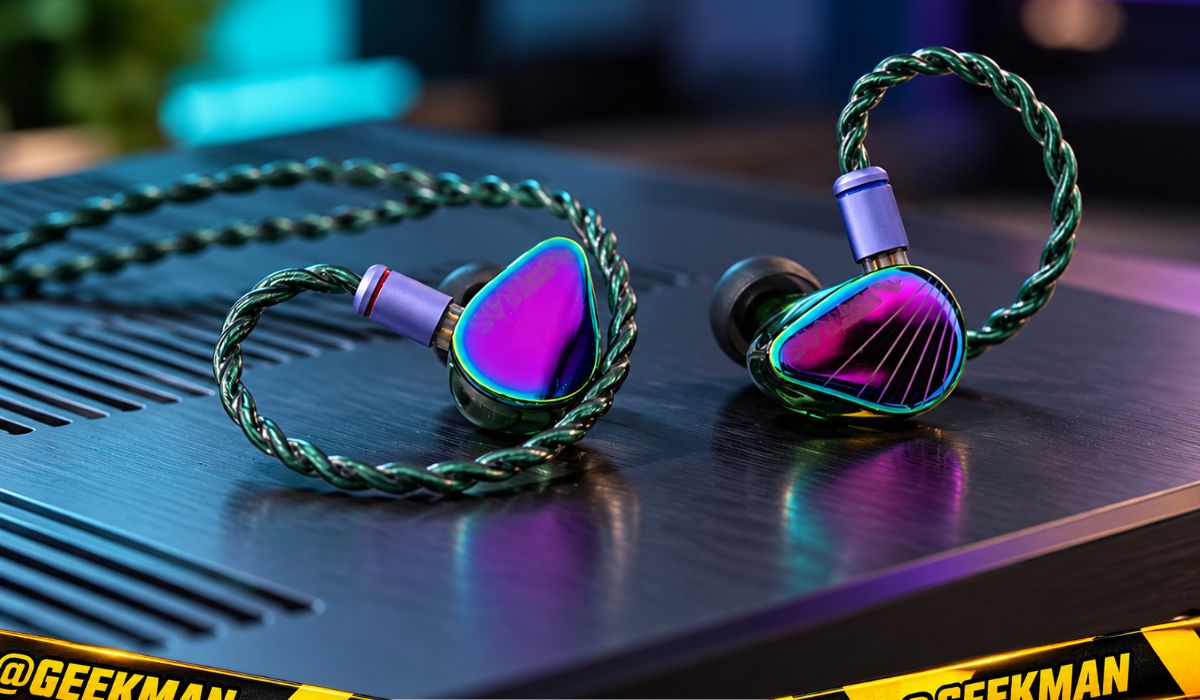
Dynamic + planar drivers · V-shaped · USB-C DSP · 20+ game presets · iemranking 6.1
Best for
✓ Competitive FPS players
✓ Buyers who want presets and an EQ editor
✓ Phone and PC gamers who want one cable
Not ideal for
– Buyers under ₹5,000
– People who want a roomy soundstage
– Anyone who wants a swappable cable
Verdict: The most gamer-focused IEM here, but it costs ₹9,390 and reviewers say a cheaper Moondrop sounds almost the same.
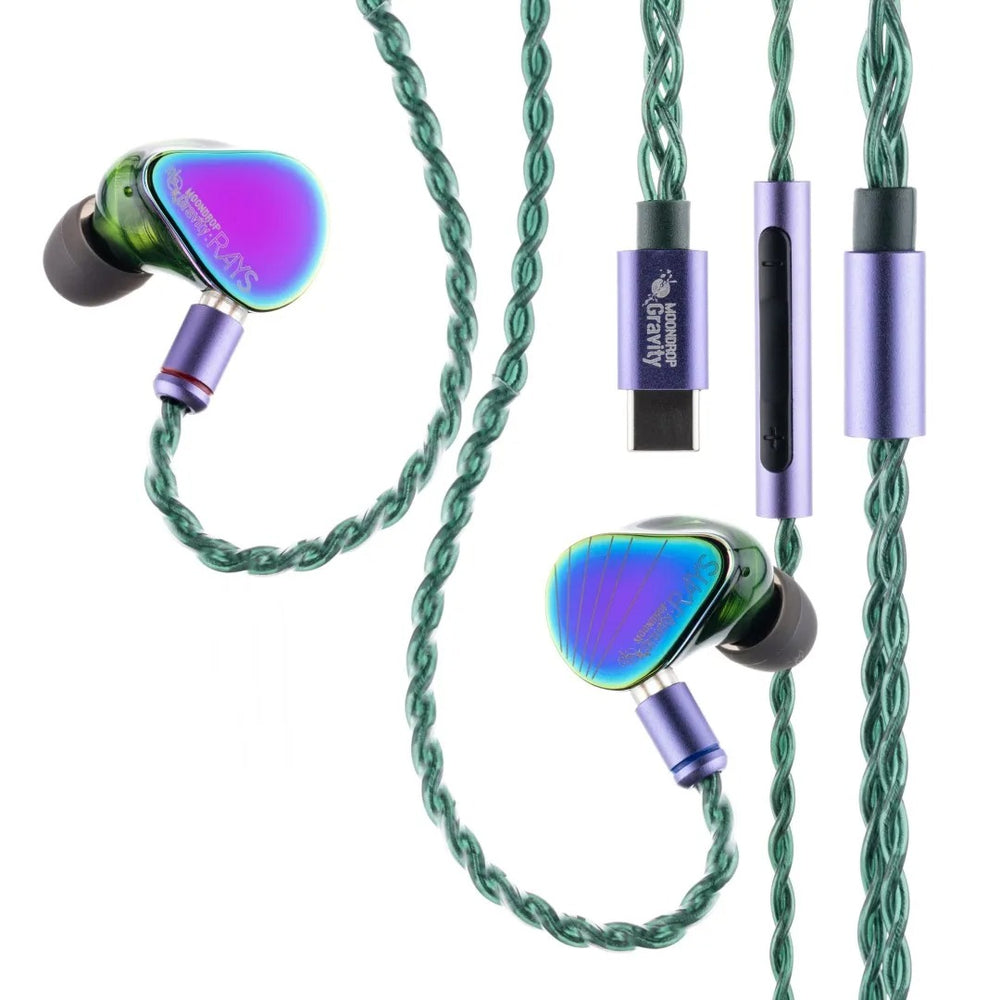
Moondrop Rays DSP (The Audio Store)
Moondrop Rays DSP review: a dynamic plus planar IEM with a built-in sound card
The Moondrop Rays DSP pairs a 10 mm dynamic driver with a 6 mm planar magnetic driver. The spec table gives 18.5 ohm impedance, though the data sheet lists 30 ohm, with 120 dB sensitivity and a stated range of 7 Hz to 39 kHz. The cable is a USB-C lead with a built-in DSP for custom equalisation, on 0.78 mm two-pin connectors that are not modular, and the box has a case and silicone tips. The mic module has a single button and AI noise cancellation. Sound is mostly neutral with a smooth, controlled top end: bass is present but not boosted, mids are centred and relaxed, and treble handles sibilance well.
My take: the Rays DSP is the plug-and-play pick for a USB-C phone or laptop where you want EQ, calls and games from one cable. Moondrop’s Link app and web interface give a full EQ, FPS presets and presets that mimic other Moondrop IEMs, and settings are stored in the DSP so they follow the IEM across devices. It is not for 3.5 mm users, and dynamics are its weakest area. The money angle is no dongle and no cable purchase, only tips, and a few hundred rupees on foam or wide-bore tips helps comfort. Skip it if you want a detachable analog cable.
Moondrop Rays DSP fit, mic and daily use
The shell sits deep and flush with no protrusion, and the stable seal suits most ear sizes and side-lying gaming. Isolation is strong. Overall comfort is average because the tips are plain and the accessories are sparse, with no foam or alternative bores. The glossy faceplate shows fingerprints. The single-button mic module is usable for calls and its AI noise cancellation helps outdoors. Latency is claimed under 5 ms, and a USB-A to USB-C adapter is included for desktops. Soundstage is wide but short on depth and height.
Moondrop Rays DSP warranty and fake-unit risk
Moondrop is widely copied, so buy the Rays DSP from an authorised seller that gives a GST invoice and written warranty terms, usually one year from the maker, and ask who handles claims in India. On delivery, check the box printing, test the USB-C cable on your own phone and laptop, confirm the app connects and the EQ saves, and check equal channel level. A price far below the normal range suggests a fake. Because the DSP cable is not modular, a cable fault ends the set, so keep the invoice.
Moondrop Rays DSP vs Moondrop Aria 2 and Simgot EW300: who should buy it
The Rays DSP falls short on dynamics, depth, mid-bass cleanliness and accessories, and its cable is not replaceable. Against the Moondrop Aria 2, the Aria 2 is warmer, better for vocals and has a modular analog cable, while the Rays DSP offers EQ. Against the Simgot EW300, the EW300 is warmer and punchier, and the Rays DSP is more neutral and tweakable. Buy the Moondrop Rays DSP if you use USB-C sources and want EQ, a mic and neutral tuning in one cable. Skip it if you want a detachable cable.
Sound signatures
V-shaped, U-shaped, neutral or warm: what each IEM sounds like
Tuning is the first thing to decide, because it matters more than price. The table uses the tuning iemranking lists, or the one the expert reviews describe, so you can match it to the music you play.
| IEM | Tuning | Drivers | Plug | iemranking | Price |
|---|---|---|---|---|---|
| AFUL Explorer | Warm, bass-tilted | 1 DD + 2 BA | 3.5mm or 4.4mm | 7.1 | ₹11,499 |
| Simgot EW300 | V-shaped | DD + planar + piezo | 3.5mm, or Type-C (DSP) | 6.7 | ₹8,499 |
| Twistura Delta | Warm, U-shaped | 1 DD | 3.5mm or Type-C | 6.6 | ₹3,360 |
| Truthear Hexa | Neutral | 1 DD + 3 BA | 3.5mm | 6.5 | ₹7,999 |
| Moondrop Aria 2 | Warm, mid-centric | 1 DD | 3.5mm and 4.4mm | 6.4 | ₹8,999 |
| Twistura D-Minor | V-shaped, bass | 1 DD | 3.5mm (Type-C adapter) | 6.4 | ₹3,490 |
| Zero:Red | Neutral, bass shelf | 2 DD | 3.5mm | 6.2 | ₹5,499 |
| KZ Phantom | Neutral, bass boost | 1 DD | 3.5mm or Type-C | 6.2 | ₹5,299 |
| CCA Phoenix | Mild V, bright | 1 DD | 3.5mm or Type-C | 6.1 | ₹2,178 |
| Moondrop Rays DSP | V-shaped | DD + planar | USB-C DSP | 6.1 | ₹9,390 |
| COZOY D1 | Bright V | 1 DD | 3.5mm | 6.0 | ₹3,340 |
| Tangzu Red Lion | Neutral, bass boost | 1 DD | 3.5mm or Type-C | 5.9 | ₹2,499 |
| KZ Duonic | U-shaped | DD + planar | 3.5mm or Type-C | 5.8 | ₹1,699 |
| Moondrop Chu 3 | Warm Harman | 1 DD | 3.5mm | 5.7 | ₹2,599 |
| 7Hz Salnotes Zero | Neutral-bright | 1 DD | 3.5mm or Type-C | 5.5 | ₹2,049 |
| KZ EDX Pro | V-shaped | 2 DD | 3.5mm or Type-C | 4.8 | ₹910 |
iemranking scores are the site’s normalised expert average out of 10. Prices were seen on 25 October 2026 and move daily.
V-shaped
Boosted bass and treble. Fun and punchy, but the mids sit back. Examples: Simgot EW300, Twistura D-Minor, KZ EDX Pro.
U-shaped and warm
Full bass and soft treble. Easy on the ears for long sessions. Examples: AFUL Explorer, Twistura Delta, KZ Duonic.
Neutral and Harman
Closer to flat, with clean vocals. Examples: Truthear Hexa, Zero:Red, Moondrop Chu 3.
Bright
Extra treble for detail and sparkle. Can tire sensitive ears. Examples: COZOY D1, CCA Phoenix, 7Hz Salnotes Zero.
Drivers explained
Dynamic, balanced armature, planar: what the drivers do
Dynamic driver
A small speaker cone. Gives natural bass and a full body. Most IEMs here use one.
Balanced armature
A tiny reed that handles mids and treble. Gives detail and speed. The Hexa has three, the Explorer two.
Planar driver
A thin film between magnets. Adds clean mids and treble. The KZ Duonic and Moondrop Rays have one.
Hybrid and tribrid
Mix two or three types. The EW300 combines dynamic, planar and piezo drivers.
More is not better
The ₹3,360 Delta has one driver and outscores IEMs with five.
Tuning wins
How the maker tunes the sound matters more than the driver count.
Match it to your use
Which IEM for what you listen to
Bollywood and vocals
Tangzu Red Lion, Moondrop Aria 2 or Truthear Hexa.
Rock and metal
AFUL Explorer, which Gizaudio called great for rock and metal.
Bass and EDM
Twistura D-Minor, KZ Duonic or Simgot EW300.
Gaming
KZ Phantom or Simgot EW300. See our wired gaming guide.
USB-C phones and iPhone 15 or later
Twistura Delta Type-C, CCA Phoenix with its adapter, or Tangzu Red Lion Type-C.
Your first IEM
CCA Phoenix, KZ Duonic or Tangzu Red Lion.
Questions other guides skip
The questions most IEM lists leave out
These are the things buyers get wrong. Each one is matched against spec sheets and the expert reviews cited here.
1 · Why does a ₹3,360 IEM beat a ₹11,499 one?
Our score weighs value as much as performance. The AFUL Explorer has the highest expert score, but the Twistura Delta costs a third as much and scores close enough to win on value. If money is no issue, the Explorer is the better IEM.
2 · Is the Moondrop Chu 3 as good as people say?
Headphones.com calls it a top budget IEM. iemranking’s expert reviews are mixed, with a 5.7 average and complaints of boomy mid-bass. It is a reasonable pick, not an obvious winner.
3 · Do sponsored reviews change a score?
One of the five reviews of the Twistura Delta was sponsored by Twistura. That reviewer still scored it 6.5 and criticised the treble. Removing it would not change the ranking much.
4 · Do I need to burn in an IEM?
I found no measurement-based evidence that burn-in changes the sound in a way you can hear. I do not rank any IEM on burn-in claims.
5 · Why are three famous IEMs missing?
The Truthear Gate, Tanchjim Ola II and Kiwi Ears Cadenza scored 5.8, 5.1 and 5.5 on iemranking with consistent complaints about treble and bass. They are not missing by accident.
The buying guide
How to choose an IEM
Plug
3.5mm for laptops and DAC dongles, Type-C for phones, 4.4mm for balanced amps.
Cable
Pick 0.78 mm 2-pin, so you can replace or upgrade it later.
Fit
A good seal gives the bass. Try all the tips in the box.
Mic
Check that the version you buy has one.
Power
All picks work on a phone. A DAC helps only on phones without a 3.5mm jack.
Warranty
Most are 1 year on the IEM and 1 month on the cable. Keep the invoice.
1 · Plug and DAC
Phones without a 3.5mm jack need a USB-C adapter or a Type-C version. A dongle with a good DAC chip gives clean output. See our DAC guides linked below.
2 · Fit and tips
Most complaints about bass or hollow vocals are fit problems. If the bass sounds thin, try a larger or different tip first.
3 · Genuine sellers
Buy from The Audio Store, Headphone Zone, Concept Kart or Amazon.in sellers that list a brand warranty. Prices can vary widely, so check more than one.
Other IEMs I looked at
Truthear Gate (₹2,520). iemranking score 5.8 with strident treble and hollow mids in several reviews.
Tanchjim Ola II (₹4,940). Score 5.1. Reviewers reported boomy bass and sharp treble.
Kiwi Ears Cadenza (₹3,790). Score 5.5. Metallic, grainy treble was a repeat complaint.
COZOY D2 (₹5,590). A better D1, scored 6.6, with 4 expert reviews only.
7Hz Zero 2 (₹2,790). Scored 6.0 and has more bass than the Zero, but fewer fans for gaming.
Simgot EW200 (₹4,990). Score 5.9 and V-shaped.
CCA CRA Pro (about ₹1,000). Score 3.4, with harsh, unfocused treble.
The verdict
Which IEM should you buy?
Best value: Twistura Delta, at ₹3,360. Check price
Best bass: Twistura D-Minor, at ₹3,490. Check price
Highest rated: AFUL Explorer, at ₹11,499. Check price
Best tribrid: Simgot EW300, at ₹8,499. Check price
Best under ₹3,000: CCA Phoenix, at ₹2,178. Check price
Best neutral hybrid: Truthear Hexa, at ₹7,999. Check price
Best for vocals: Tangzu Red Lion, at ₹2,499. Check price
Not sure? Buy the Twistura Delta for ₹3,360, or the CCA Phoenix for ₹2,178 if you want to spend less.
More buying guides from Geekman
Best IEM in India FAQ
Which is the best IEM in India?
On our score the Twistura Delta at ₹3,360 is the best IEM overall, because it has the best iemranking score under ₹5,000. The AFUL Explorer at ₹11,499 has the highest expert score of the 16 at 7.1 out of 10, and is the pick if you want a warm, premium sound.
What is the best IEM under ₹5,000?
The Twistura Delta (₹3,360) and the Twistura D-Minor (₹3,490) score 6.6 and 6.4 on iemranking. For brighter sound, the COZOY D1 at ₹3,340 is an option. See our best IEMs under 5000 guide.
Which IEM has the most bass?
The Twistura D-Minor, the KZ Duonic bass improved version and the Tangzu Red Lion are the bass-forward picks here. The AFUL Explorer has bass weight in a warm sound, and the KZ EDX Pro has punchy but rough bass at ₹910.
Which IEM is best for vocals?
The Tangzu Red Lion and the Moondrop Aria 2 have natural, smooth vocals, and the Truthear Hexa has the cleanest neutral vocals. The AFUL Explorer is warm and relaxed.
Which IEM is best for gaming?
The KZ Phantom and the Simgot EW300 (gaming score 6.4) fit gaming best. Our best wired gaming earphones guide compares the Phantom, Moondrop Rays and Sony INZONE E9 in detail.
Do IEMs need a DAC or an amp?
Not for these. Their impedance runs from 16 to 42 ohm and the sensitivity is 100 to 122 dB, so a phone can drive them. A DAC dongle helps on a phone without a 3.5mm jack and can improve sound a little. See our best Type-C DACs and best portable DAC amps guides.
Will these work with a phone that has no 3.5mm jack?
Yes, with a USB-C to 3.5mm adapter or a Type-C version. The Twistura Delta, Twistura D-Minor and CCA Phoenix include or sell a DAC adapter or Type-C version, and our best Type-C earphones guide lists more.
What does V-shaped, U-shaped and neutral mean?
A V-shaped IEM boosts bass and treble over the mids. A U-shaped one boosts bass and upper treble but keeps the mids full. A neutral IEM stays close to flat or to the Harman target. A warm IEM has more bass and softer treble.
Why is the Moondrop Chu 3 not number one?
Headphones.com rates it highly, but iemranking reviewers score it a mixed 5.7 out of 10 and several heard boomy bass and hollow vocals. It is a good IEM, but cheaper picks with higher scores beat it on value.
Why are the Truthear Gate and Tanchjim Ola II missing?
iemranking scores the Gate 5.8 with a user score of 4.5, and the Ola II 5.1, with reviewers reporting boomy bass and sharp treble. We left both out, and they are listed under the IEMs we looked at but did not pick.
Where should I buy IEMs in India?
The Audio Store, Headphone Zone and Concept Kart are the main Indian IEM stores, and each sells brand-warranty units. Amazon.in carries mainly KZ and CCA. Compare prices, because the same IEM can differ by ₹2,000.
Do these IEMs come with a warranty?
Yes. All 16 have a 1 year warranty from the brand or the store. On several the cable is covered for only 1 month.