
When I first held the CCA Phoenix, I genuinely thought there had been a mix-up with the price tag. A full metal IEM at this price? In a category where almost every popular option uses plastic? It didn’t add up.
After two weeks of testing the Phoenix against pretty much every popular IEM in this price bracket — the Tangzu Wan’er SG 2 Red Lion, KZ Castor Pro, Moondrop Chu 2, 7Hz Salnotes Zero — I have a clearer picture of what this earphone actually is. And more importantly, who it’s for.
Here’s the full breakdown.
Quick verdict
The CCA Phoenix is a ₹2,400 IEM that punches well above its price on build, soundstage, and gaming performance. It is the only earphone in this price range with a full metal zinc alloy shell, and its Harman-tuned V-shape signature opens up noticeably when paired with a budget DAC dongle. It isn’t a basshead IEM and it isn’t the warmest for vocals, but for everything else in this segment it’s hard to ignore.
Buy it if: you want premium build, detailed sound, gaming-grade imaging, or you already own a DAC.
Skip it if: you want warm vocal-forward sound or you need a built-in mic by default.





CCA Phoenix specifications
| Feature | Detail |
|---|---|
| Driver | 10mm dual-magnet dynamic, LCP diaphragm |
| Impedance | 33Ω |
| Sensitivity | 108dB |
| Frequency response | 20Hz – 40kHz |
| Connector | 0.78mm 2-pin detachable |
| Cable | 4-core, 156-strand silver-plated |
| Shell | Aerospace-grade zinc alloy, 5-axis CNC |
| Tuning | Harman-style V-shape |
| Variants | 3.5mm or Type-C, each with or without mic |
| Colors | Silver, dark grey, purple |
What you get in the box
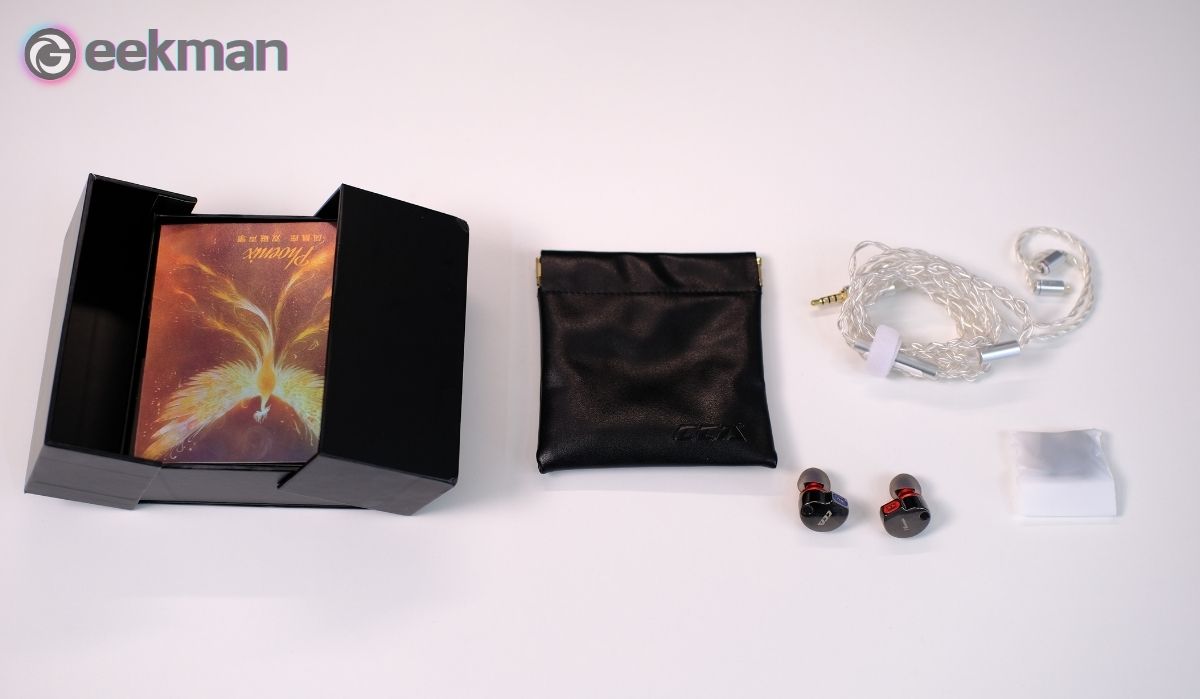
The packaging is a step above what you would expect at this price. A slide-open box, a 3D welcome card, a magnetic-flap leather storage pouch (the kind you’ll actually use, not throw away), the IEMs themselves, the cable, and multiple silicone ear tip sizes.
Nothing about the unboxing feels like a sub-₹2,500 product. If someone handed this to you blind, you’d probably guess ₹4,000-5,000.
Build quality: full metal in a sea of plastic
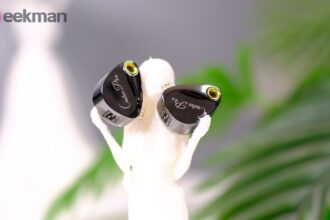
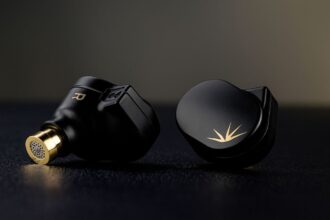
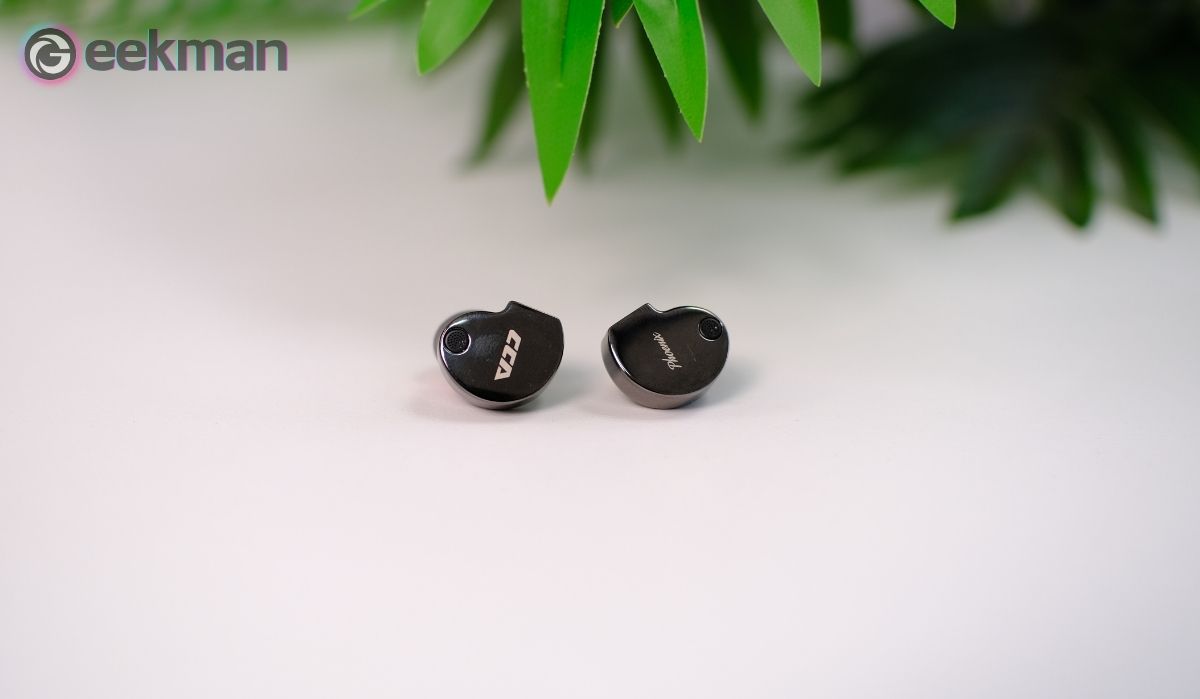
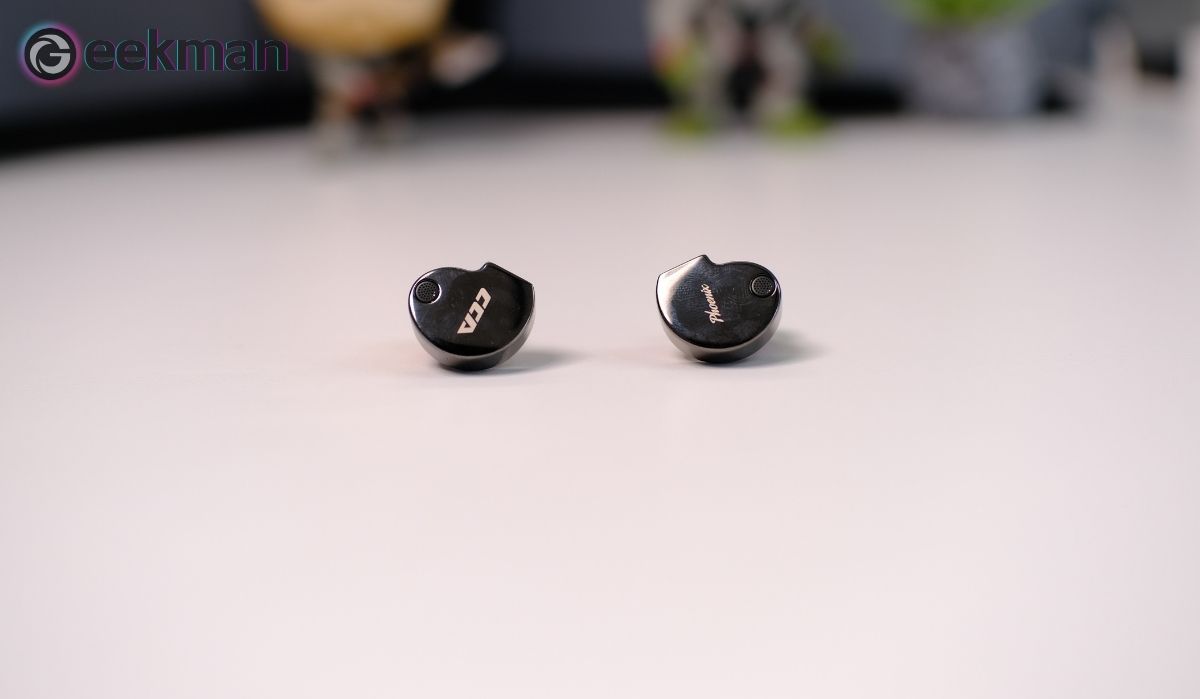
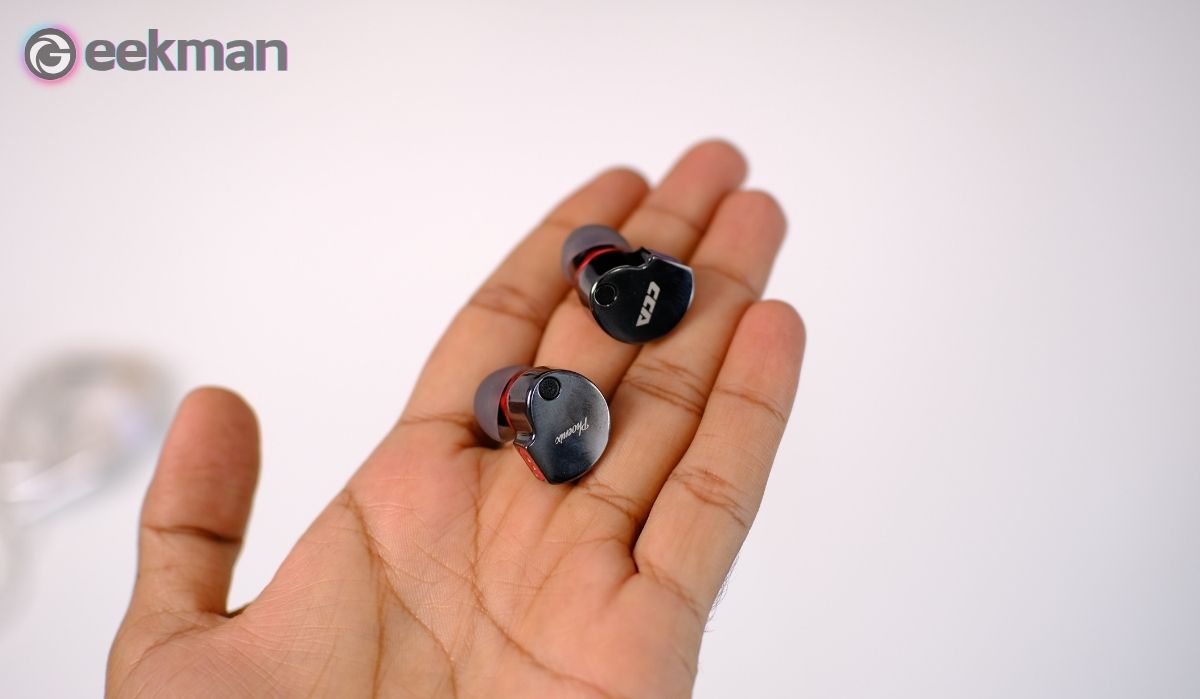
This is where the Phoenix earns most of its reputation. The shell is full metal — aerospace-grade zinc alloy, CNC machined on five axes. It feels cold to the touch, has reassuring weight, and looks genuinely premium. “Phoenix” is engraved on the right side, “CCA” on the left. The gold-colored vents add visual interest without going overboard.
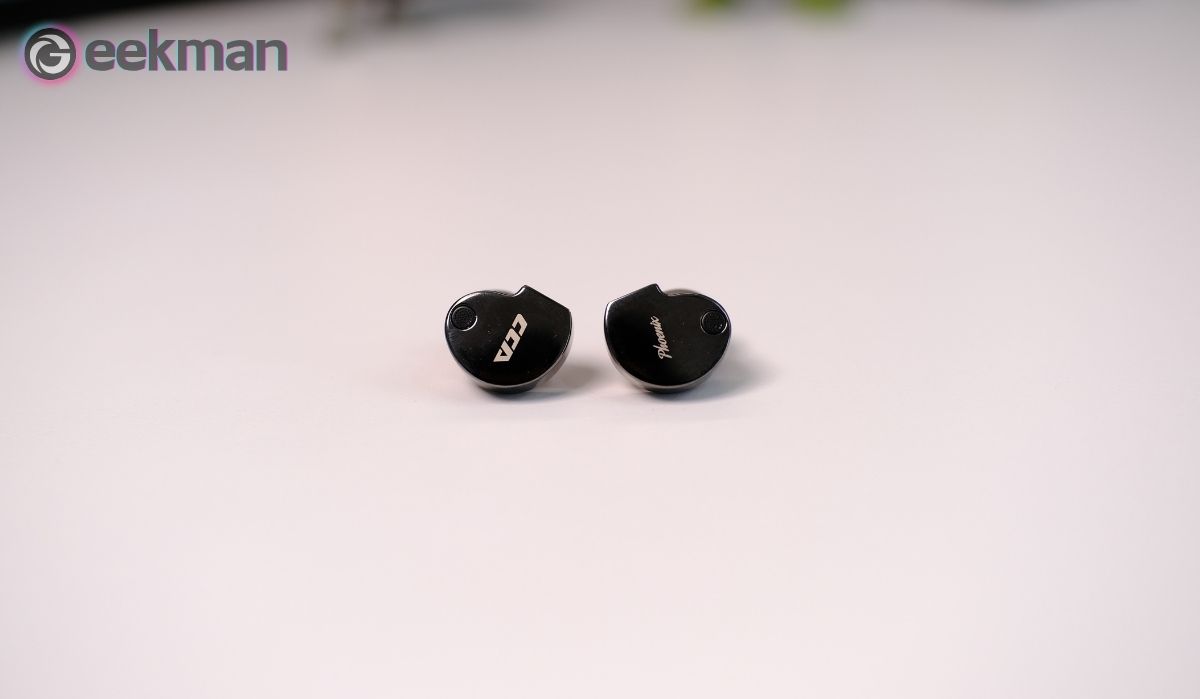
I picked up the silver variant. The dark grey looks equally clean in person. The purple is more of a love-it-or-hate-it option — bold if that’s your thing.
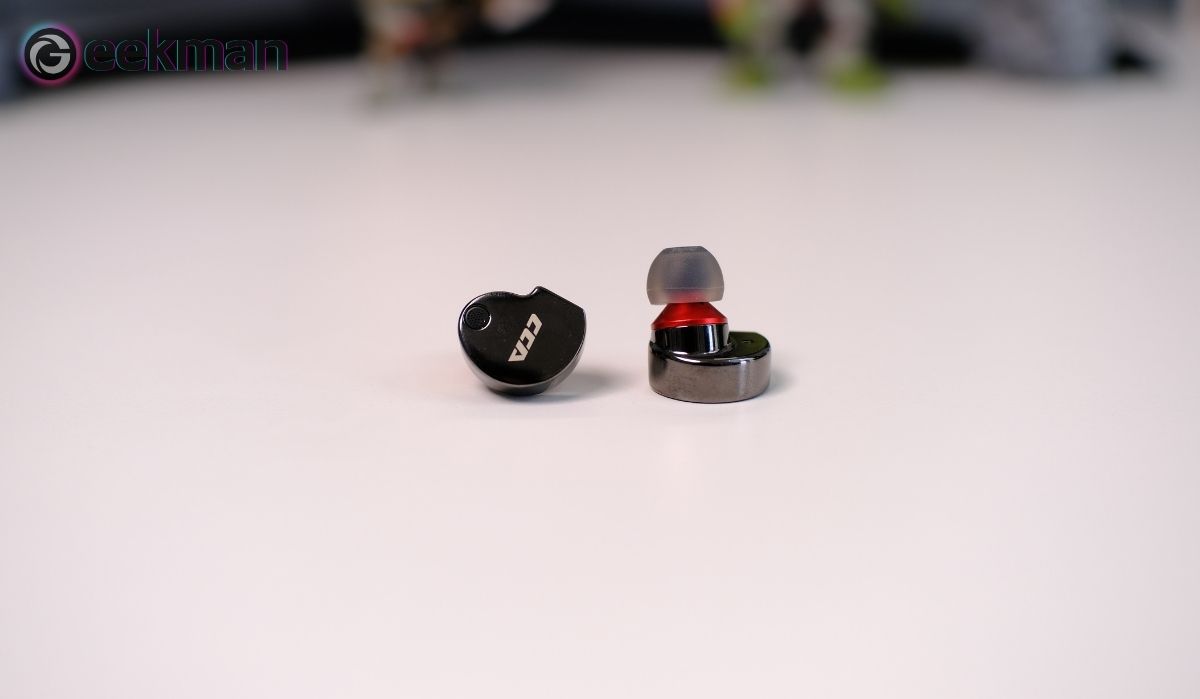
The bigger point is this: in this entire price range, no other popular IEM offers a full metal shell. The Tangzu Wan’er SG 2 Red Lion is resin and plastic. So is the Salnotes Zero. So is the Moondrop Chu 2. The KZ Castor Pro is plastic too. The Phoenix is the only one giving you metal, and you can feel it the moment you pick it up.
Is the CCA Phoenix comfortable?
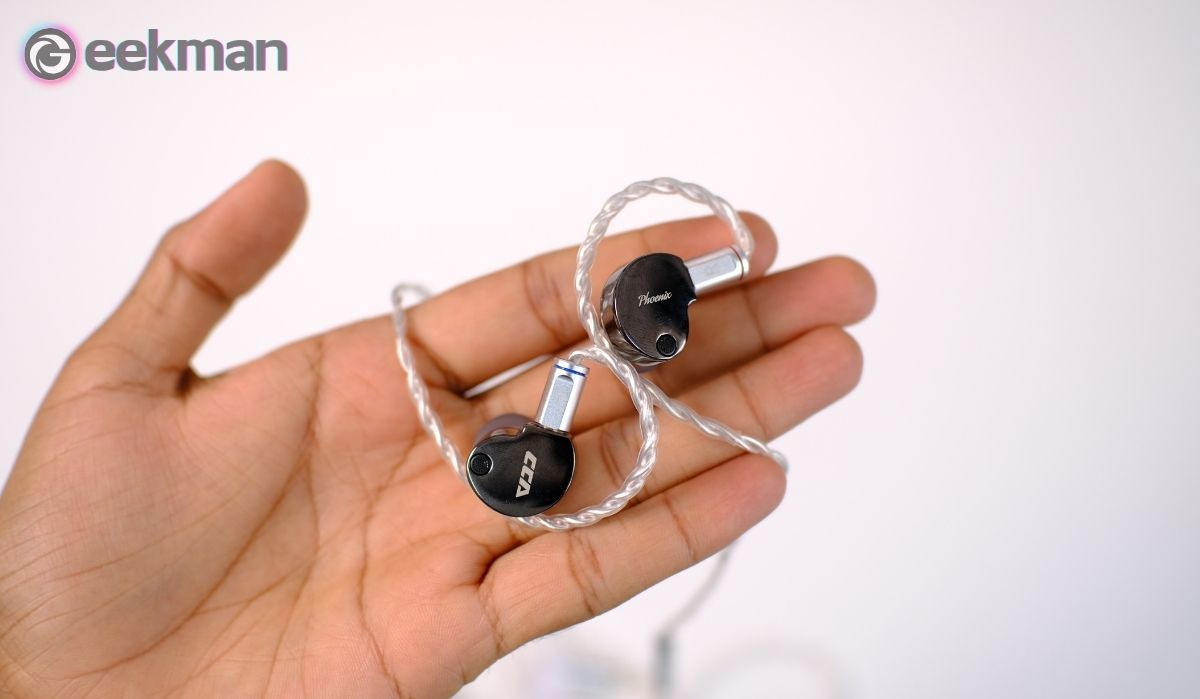
Mostly yes, with some honest caveats. The shell is bean-shaped with smooth curves and isn’t unusually large — it’s similar in size to most IEMs in this range, definitely smaller than the Castor Pro. I wore it for 3-4 hours at a stretch without real issues.
But it is metal, and metal is heavier than plastic. Over long sessions you will feel it more than you would a Wan’er or a Chu 2. A few Reddit users have flagged comfort concerns, and while I didn’t find them deal-breaking, I can see where they’re coming from. If you’re very sensitive to in-ear weight, factor this in.
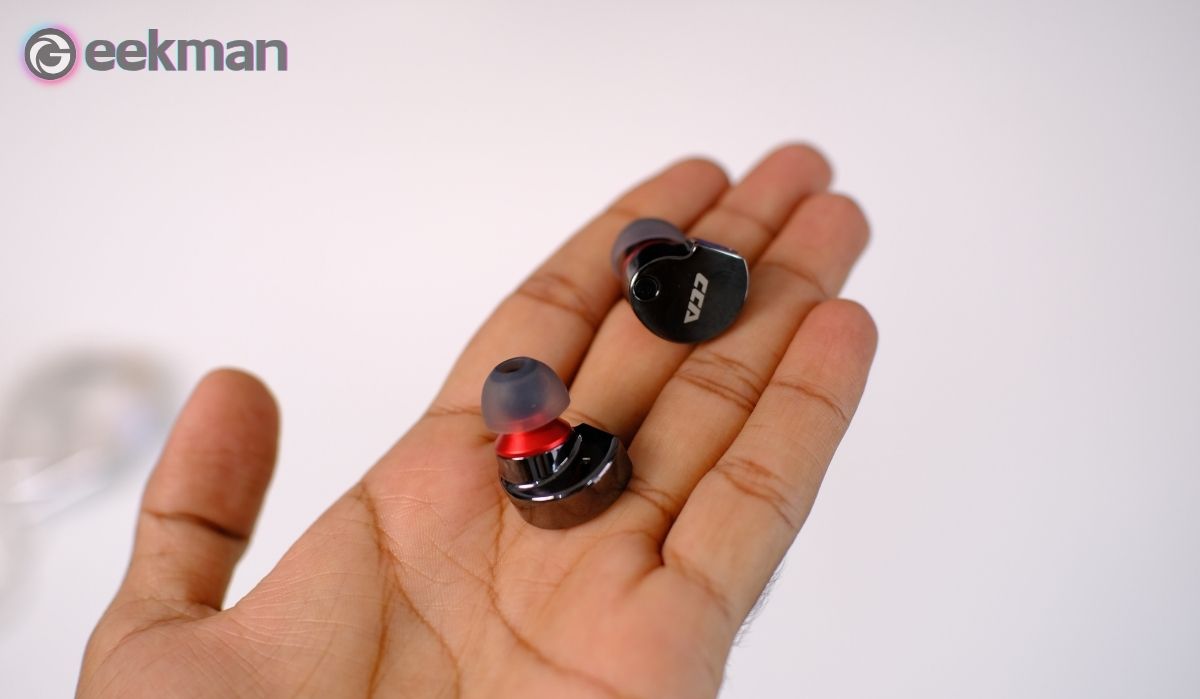
Noise isolation is good. The shell design seals well, and ambient sound — traffic, office chatter, gym noise — gets noticeably cut. Solid for daily commute use.
The cable and microphone
The included cable is one of the more premium ones I’ve seen at this price. It’s a 4-core 156-strand silver-plated cable with a gold-plated jack and a 0.78mm 2-pin detachable connector. It looks the part, and more importantly, it feels well-built. Won’t tangle obsessively. Won’t snap on you.
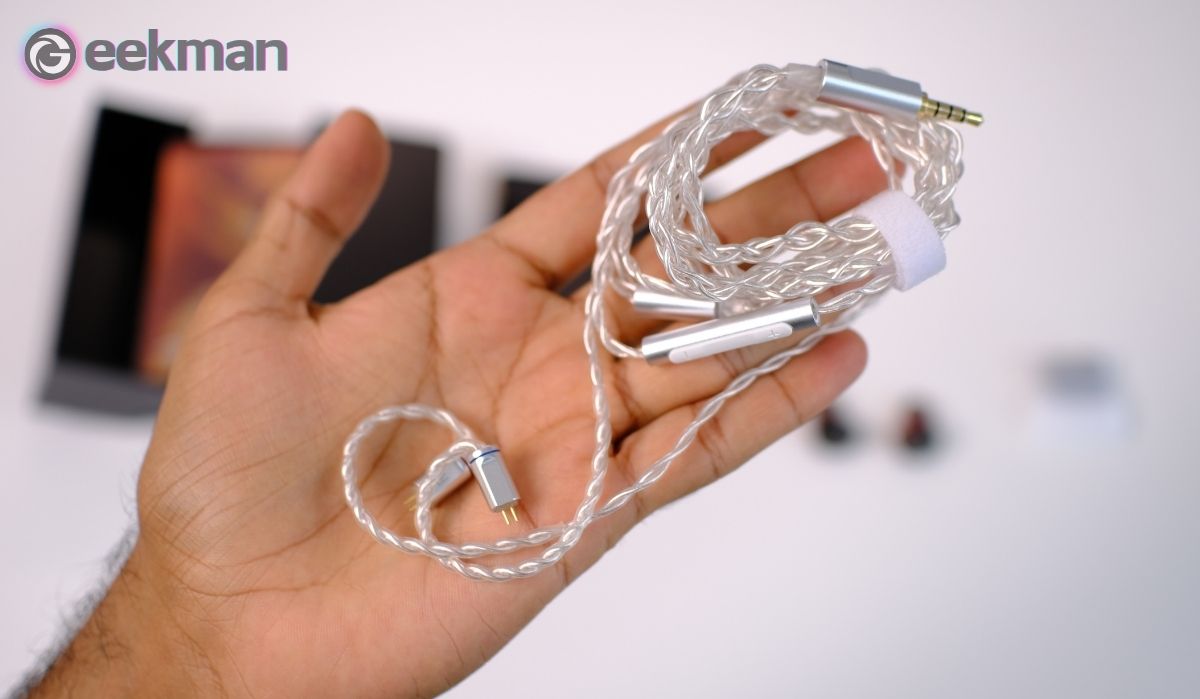
CCA sells the Phoenix in four variants:
- 3.5mm without mic
- 3.5mm with mic and inline remote (play/pause, volume up/down)
- Type-C without mic
- Type-C with mic and inline remote
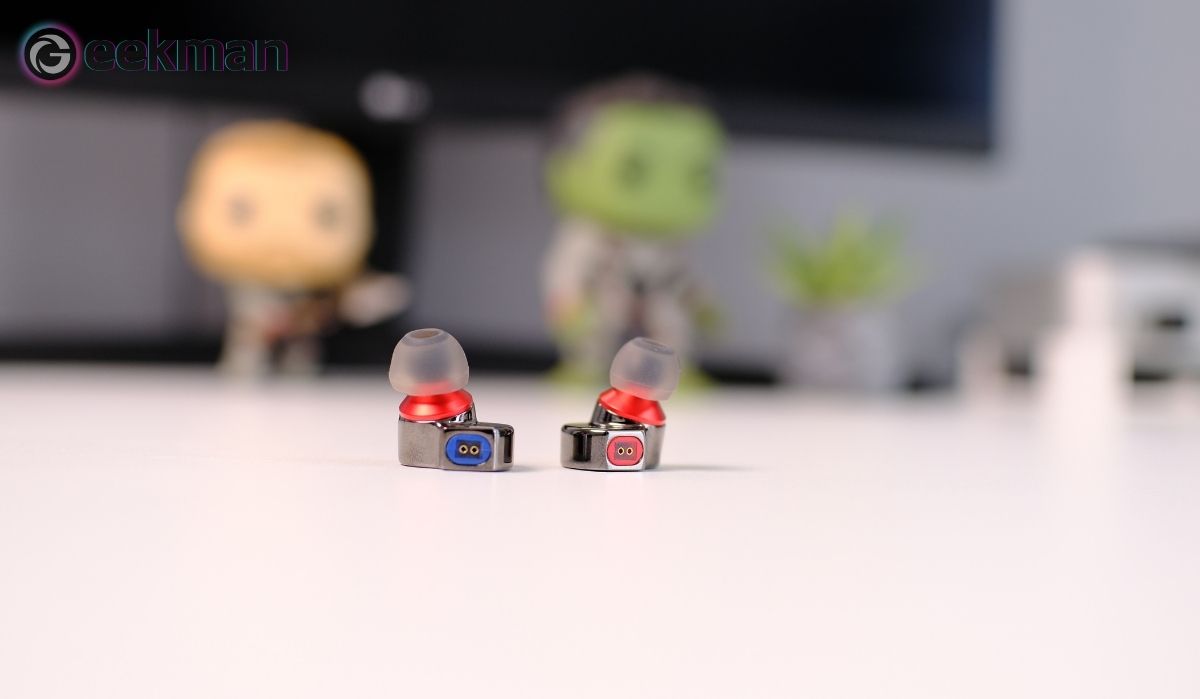
I went with the 3.5mm without-mic version because I use an external DAC. If you’re going to plug this straight into a phone that no longer has a headphone jack — which is most phones now — the Type-C version makes the most sense and saves you the cost of a separate USB-C dongle.
The mic on the with-mic variants is fine. Same quality you’d expect from any wired earphone microphone — it handles daily calls and Discord without any issue, but don’t expect studio quality.

How does the CCA Phoenix actually sound?
This is the part that matters most. The Phoenix uses a 10mm dual-magnet dynamic driver with an LCP — Liquid Crystal Polymer — diaphragm. In simple terms, LCP is a stiff, fast material that allows quicker transients (the attack and decay of notes) and lower distortion. It’s a step up from the standard PET diaphragms in IEMs like the Wan’er Red Lion.
The tuning is Harman-style V-shape: bass and treble are lifted, mids sit slightly recessed. But here’s where the Phoenix differs from a typical budget V-shape — the mids aren’t buried. They have presence. They’re back in the stage, sure, but not missing. That’s surprisingly rare at this price.
Bass
The sub-bass has clean rumble. You feel it in the chest on tracks that have real low-end content. Mid-bass is punchy and tight, and importantly, it doesn’t bleed into the mids. A lot of budget IEMs muddy up vocals because the bass spreads — the Phoenix doesn’t. The separation between bass and vocals stays clean even on dense mixes.
That said, this isn’t a basshead IEM. Quantity is moderate; quality is excellent. If you want the speaker-style slam of the Castor Pro, the Phoenix will feel restrained. For EDM, hip-hop, action soundtracks, you’ll still feel the kicks and the impact, but it won’t overwhelm you.
Mids
Lower mids are warm. Male vocals — Arijit, KK, Atif — get nice body and weight. There’s something rich about how they sit in the mix.
Upper mids carry a little extra energy in the pinna gain region (2-4kHz). Female vocals and higher-pitched instruments come through clean and detailed. Strings get bite. On a few tracks at high volume this region can edge into slightly shouty — a normal Harman tuning behavior, and most listeners won’t consciously notice it. If you’re sensitive to upper-mid energy, it’s worth knowing.
Treble
This is probably the Phoenix’s strongest area. The treble is extended, airy, and sparkly. Cymbals, hi-hats, strings — they all get the shine and detail they need. Resolution at this price is genuinely impressive. I’d argue the Phoenix has the best treble I’ve heard in any sub-₹2,500 IEM so far.
One honest caveat. If you’re treble-sensitive, the Phoenix can feel bright initially. 30-50 hours of regular use tames it slightly. Switching to wider-bore ear tips like SpinFit or Tangzu Tang Sancai also helps. Most people settle into it within a week.
Soundstage and imaging
This is where the Phoenix moves into a different conversation entirely. The soundstage is wide. There’s a sense of air between instruments that you rarely get in this price bracket. Vertical cues are clear — you can tell when sounds come from above or below.
Imaging precision puts it in the top 2-3 IEMs in this segment, easily. And this is why the Phoenix is, in my opinion, the best gaming IEM under ₹2,500 right now. BGMI footsteps come through with clear directionality. In Valorant you can track agent movement and ability sounds with real accuracy. If you play competitively, this matters a lot.
The DAC pairing thing nobody talks about
Here’s something I didn’t expect, and most reviews skip past it. The Phoenix scales noticeably with a DAC.
When I first plugged it straight into my phone, my impression was: this is a decent V-shape IEM. Nothing extraordinary. Bass felt a bit loose. Treble was a touch harsh at higher volumes. It was fine.
Then I plugged in a basic USB-C DAC dongle — the kind that costs ₹800-1,500. The sound transformed. Bass tightened up. Mids gained weight. The treble that previously felt bright became sparkly and pleasant. The soundstage opened wider.
This kind of scaling happens with all IEMs to some degree. But the difference on the Phoenix was more pronounced than I’ve heard from most budget IEMs. The Wan’er Red Lion, the Salnotes Zero, the Chu 2 — they all sound about 95% of their best straight from a phone. The Phoenix sounds noticeably better with a DAC.
If you already have a DAC, or you’re willing to spend ₹1,000 extra on one, the Phoenix punches well above its category. The combination starts to challenge IEMs in the ₹5,000+ range.
If you’re going to stick to phone-only listening, the Phoenix is still good, but its real edge shrinks. Other IEMs in this range close the gap.


CCA Phoenix vs the competition
CCA Phoenix vs Tangzu Wan’er SG 2 Red Lion
The Red Lion is currently one of India’s best-selling IEMs at this price point. It’s priced around ₹1,800, so the Phoenix is roughly ₹200 more.
The Red Lion has warmer, more vocal-forward tuning. Bollywood, jazz, acoustic — it shines on these. Vocals feel lush and carry emotional pull. If you’re primarily a vocal listener, the Red Lion is the better fit for that specific use case.
But on technical performance — soundstage, imaging, detail, separation — the Phoenix is clearly ahead. And the build quality gap is significant: metal versus plastic.
Verdict: Vocal-centric music, tighter budget → Red Lion. Detail, gaming, premium build → Phoenix.


CCA Phoenix vs KZ Castor Pro
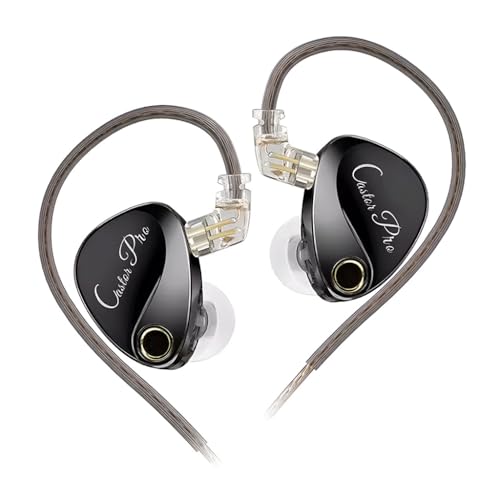
The Castor Pro is a basshead IEM priced around ₹1,700-2,200, with tuning switches that let you boost bass further. It hits hard. For EDM, hip-hop, action soundtracks, the slam is on another level.
But it’s plastic, the shell runs large (some users have fit issues), and on overall technicalities the Phoenix is more refined.
Verdict: Pure bass focus → Castor Pro. Balanced V-shape with detail → Phoenix.
CCA Phoenix vs Moondrop Chu 2
The Chu 2 sits between ₹1,500 and ₹2,000. It’s clean, neutral-bright, and the smallest IEM in this comparison — great for small ears. But the bass is light. Build is plastic.
In a direct comparison, the Phoenix wins on bass quality, soundstage, imaging, and build. The Chu 2’s real edge is fit for small-eared users.
Verdict: Small ears or you want a clean reference signature → Chu 2. Everything else → Phoenix.
CCA Phoenix vs 7Hz Salnotes Zero
The Salnotes Zero is a reference-tuned IEM in the ₹1,500-1,800 range. Neutral, studio-like, designed for critical listening or mixing work. It’s a different beast from the Phoenix.
Against the Phoenix, the Salnotes Zero feels less exciting for casual listening — less bass impact, smoother treble. For fun listening or gaming, the Phoenix is more engaging.
Verdict: Mixing, critical listening, reference sound → Salnotes Zero. Daily enjoyment, gaming, engaging sound → Phoenix.

Quick comparison table
| IEM | Price | Build | Sound signature | Best for |
|---|---|---|---|---|
| CCA Phoenix | ₹2,110 | Full metal | V-shape with detail | Gaming, technicalities |
| Wan’er SG 2 Red Lion | ₹1,999 | Plastic | Warm, vocal-forward | Bollywood, vocals |
| KZ Castor Pro | ₹1,700-2,200 | Plastic | Bass-heavy V | Basshead, EDM |
| Moondrop Chu 2 | ₹1,500-2,000 | Plastic | Neutral-bright | Small ears, reference |
| 7Hz Salnotes Zero | ₹1,500-1,800 | Plastic | Reference neutral | Mixing, critical listening |
Who should buy the CCA Phoenix?
Buy it if:
- You want a full metal premium build at a sub-₹2,500 budget
- You play competitive games (BGMI, Valorant, CS) and care about footstep precision
- You already own a DAC dongle, or you’re open to investing ₹800-1,500 in one
- You want a V-shape signature with real detail retrieval
- You value soundstage and imaging more than warmth
Skip it if:
- Your budget is strictly ₹2,000 and you can’t stretch
- You want a basshead IEM with maximum slam
- You only listen to vocal-centric music — the Red Lion is the better pick
- You need a mic by default, out of the box
- You’re highly sensitive to upper-treble brightness
Final verdict
If your budget caps at ₹2,000 and you mostly listen to vocal music through a phone, get the Wan’er SG 2 Red Lion. It’s still one of the best ₹2,000 IEMs in India.
If you have ₹2,200 to spend and own a DAC or plan to buy one, the CCA Phoenix is the pick. Paired with a budget dongle, it gets you an experience that genuinely competes with IEMs in the ₹5,000+ range.
The Phoenix has its quirks — it isn’t the warmest, isn’t the most comfortable for sensitive users, and it needs a DAC to fully shine. But it gets the fundamentals more right than I expected at this price. CCA has finally stepped out from under KZ’s shadow and built something with a clear identity, and the Phoenix is the strongest evidence of that shift.
For ₹2,000-2,500 right now, this is my pick.