
If you’re buying your first IEM or switching from wireless earbuds to wired, the KZ Castor Pro is the one I’d point you toward. Not because it sounds the best in every category (it doesn’t). But because it does something no other IEM under ₹2,000 does — it lets you figure out what kind of listener you actually are.
That probably sounds vague, so let me explain. Most IEMs at this price give you one fixed sound. Buy a Moondrop Chu II, you get neutral. Buy a Salnotes Zero, you get warm. Don’t like it? Too bad. The Castor Pro has four physical tuning switches that change how it sounds. And it has dual dynamic drivers — the only IEM under ₹2,000 with two dedicated 10mm drivers instead of one. I checked.
I tested this for about two weeks as my daily IEM — commute, music sessions, gaming, movie nights. Here’s what I found.
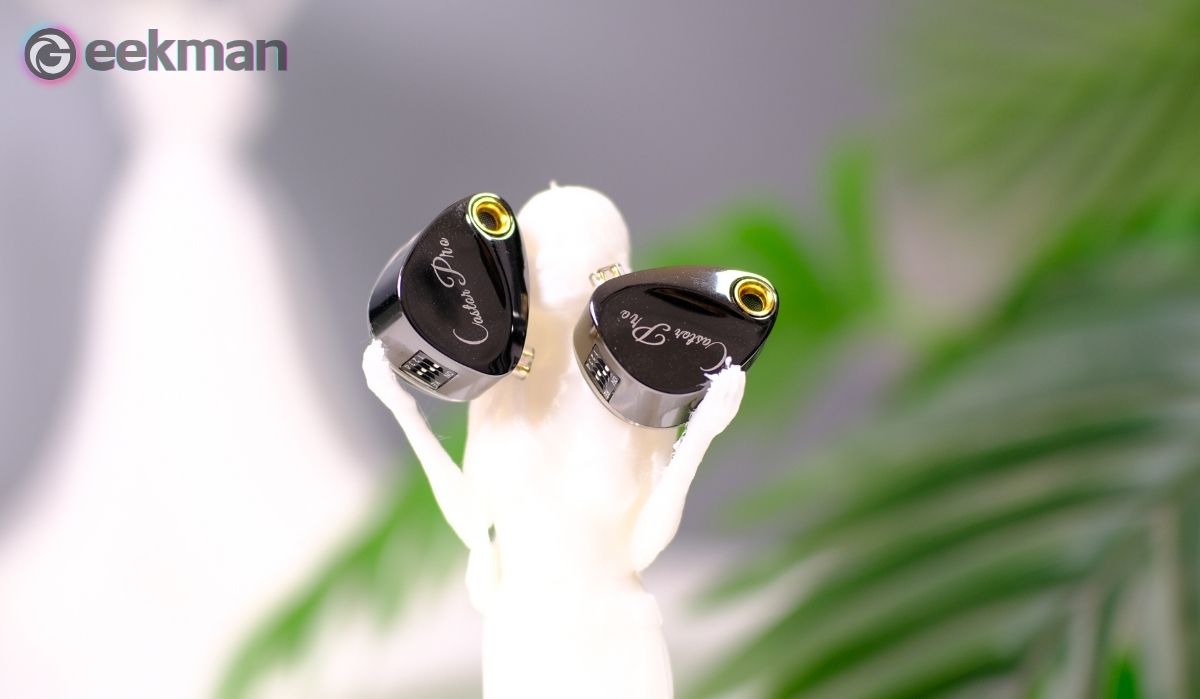


Two things that separate the KZ Castor Pro from everything else at this price
There are plenty of good IEMs under ₹2,000. The Moondrop Chu II, 7Hz Salnotes Zero, Tangzu Wan’er Red Lion, CCA Phoenix, Truthear Gate — all solid picks, all with their own strengths. I’ve tested most of them. But the Castor Pro has two features that none of them offer. Not at this price, and honestly, not even at ₹3,000–4,000.
Dual 10mm dynamic drivers
Every other IEM I just listed uses a single driver to handle everything — bass, vocals, treble, all from one little speaker. The Castor Pro stacks two 10mm drivers inside each earpiece. The bottom driver handles only bass (roughly 20Hz to 200Hz). The top driver handles vocals and treble. An electronic crossover splits the signal between them.
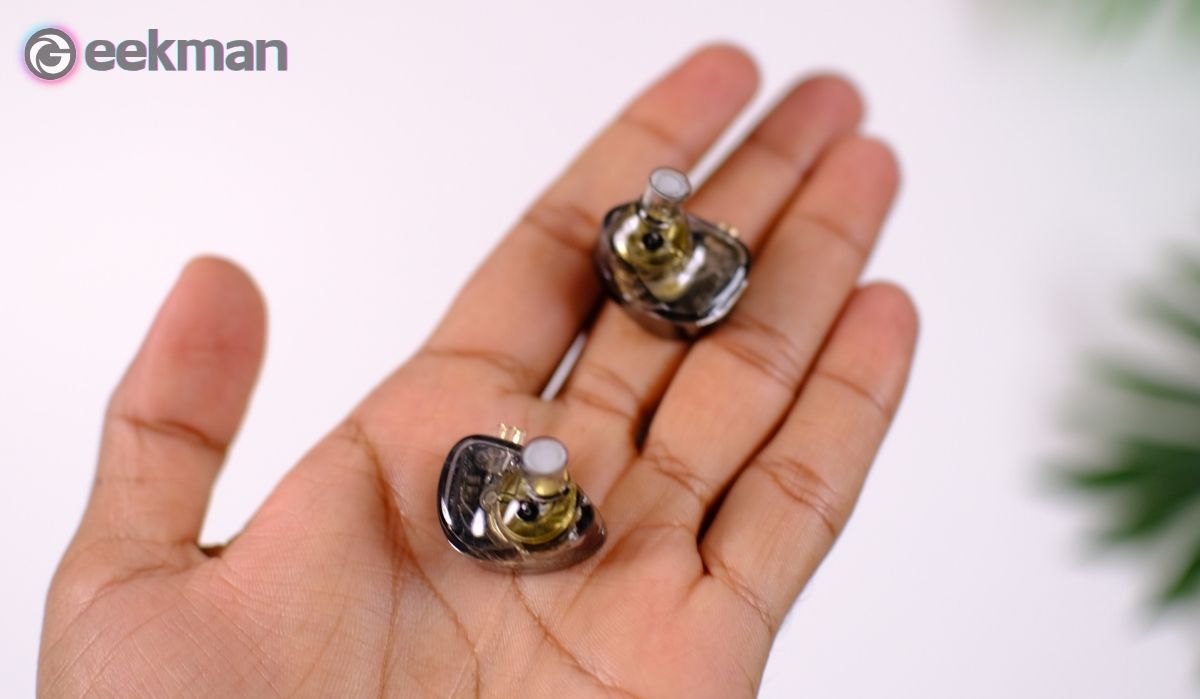
What does this mean when you’re actually listening? Four things I noticed:
Bass doesn’t bleed into vocals. On single-driver IEMs, heavy bass tracks tend to make vocals sound muddy — everything gets mashed together. That didn’t happen here. I played bass-heavy tracks back to back, and the vocals stayed clear on top. The two drivers aren’t competing for the same airspace.
Instruments are easier to pick apart. Guitar sits in its lane, tabla in another, singer in another. On complex tracks with a lot going on simultaneously, the separation is noticeably better than what I heard on the Salnotes Zero or the Wan’er Red Lion.
Soundstage feels wider than expected. Music feels like it’s happening in front of you, not crammed inside your ears. This is partly the dual-driver design moving more air. In gaming, I could tell whether footsteps were coming from left or right — more on that later.
At louder volumes, the sound stays cleaner. A single driver handling all frequencies at high volume tends to distort. With the workload split across two drivers, the KZ Castor Pro holds together better when you push the volume up.
4 tuning switches — and why they matter more than EQ apps
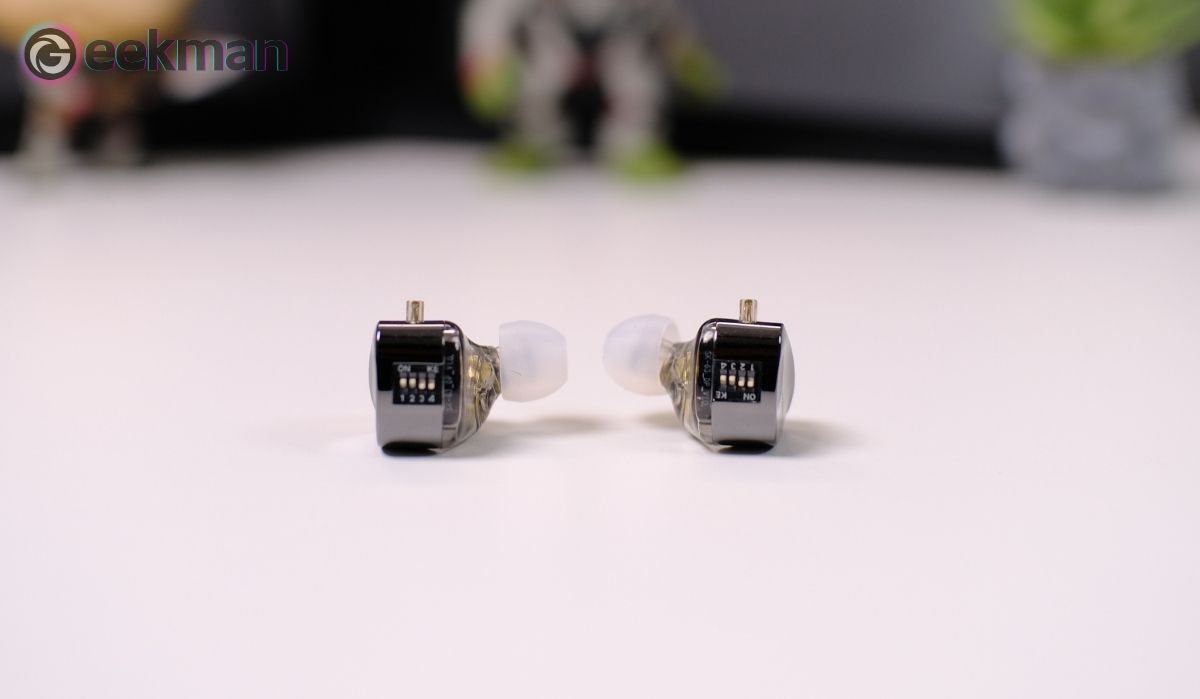
Each earpiece has four tiny DIP switches. The bottom two control bass. The top two control mid-high frequencies (vocals and treble, not just treble — a lot of review sites get this wrong).
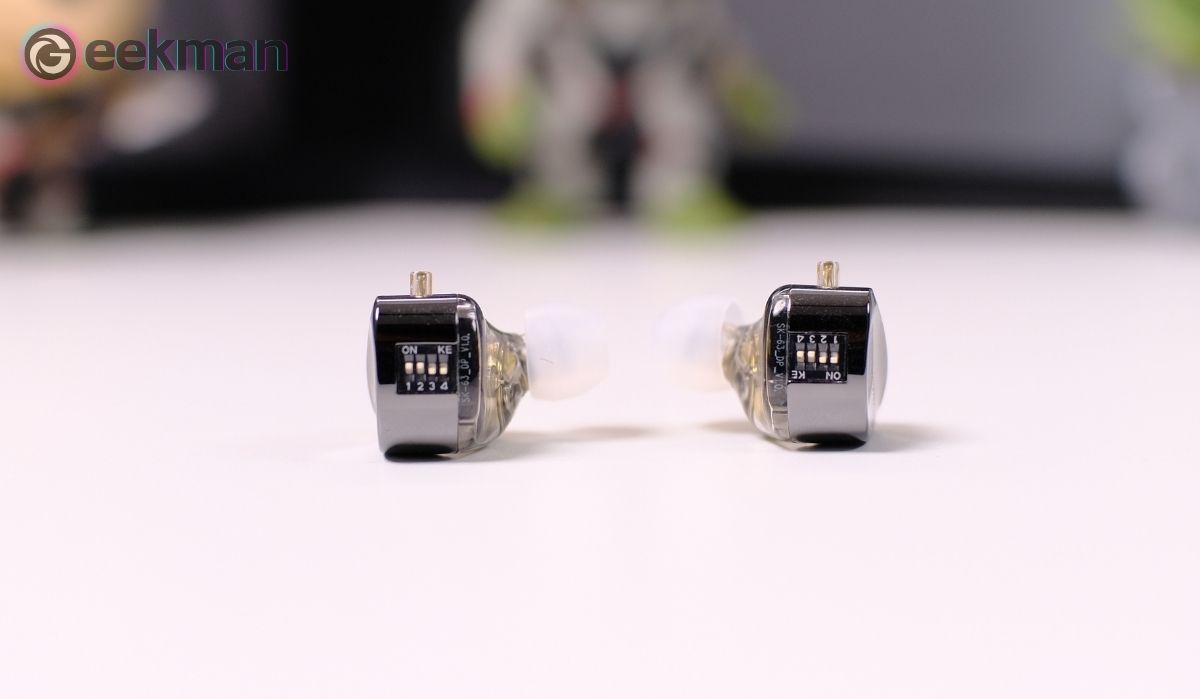
Here’s how the combinations actually work:
| What You Want | Switch Setting | What Changes |
|---|---|---|
| Daily all-rounder | Switch 1+2 ON, 3+4 OFF | Nice bass boost, natural mids |
| Full energy (EDM, party) | All 4 ON | Everything boosted, V-shape fun |
| Vocals forward (Bollywood, acoustic) | Switch 1+2 OFF, 3+4 ON | Mids-highs up, bass stays natural |
| Gaming (competitive FPS) | All OFF or only Switch 3 ON | Clean, neutral, better spatial cues |
| Late night / relaxed | Only Switch 1 ON | Light warmth, nothing aggressive |
Now, someone reading this might think — I can do the same thing with an EQ app. And technically, yes. An EQ app gives you more control. But there are three reasons switches work better for most people.
First, EQ settings are app-specific. Set up EQ in Spotify, and it won’t carry over to YouTube. Or PUBG. Or WhatsApp calls. Physical switches work everywhere — any app, any device, any source. Plug into your phone, laptop, tablet, DAC — same tuning, always.
Second, software EQ introduces digital processing artifacts. Phase distortion, potential clipping if you boost too much. Physical switches use acoustic filters — no digital processing, no artifacts. The sound stays cleaner.
Third, and this is the big one for first-time buyers: most people don’t know how to use EQ. Which frequency should you boost? What’s Q value? 250Hz or 300Hz? Switches are dead simple — flip up, flip down, listen. No knowledge needed.
Sound quality — what’s actually good and what’s not
I want to be clear about both sides here, because this IEM has real strengths and real compromises.
Bass
This is where the Castor Pro is genuinely the best in its price range. The dedicated bass driver makes a real difference. Sub-bass has a deep rumble you can feel — the kind you get in a cinema during an explosion scene. Mid-bass (the punchy thump of a tabla or kick drum) is tight and controlled. It doesn’t bleed, it doesn’t get loose or boomy.
With switches 1+2 ON, the bass gets even more powerful — if you enjoy EDM, hip-hop, or Bollywood tracks with heavy low end, this configuration hits. With all switches OFF, the bass cleans up to a more neutral presentation. Either way, it stays tight. I didn’t hear the kind of muddy, smeared bass that plagues a lot of budget IEMs and wireless earbuds.
Among every IEM I’ve tested under ₹2,000, the Castor Pro has the best bass. The Tangzu Red Lion comes close in quantity but sounds slightly looser. The Salnotes Zero is warm but lacks the same sub-bass depth. The CCA Phoenix and Moondrop Chu II aren’t bass IEMs at all.
Vocals (Mids)
Vocals are clear. Male and female voices both come through with decent detail, and instruments sit in their own space without stepping on each other. Nothing sounds muddy or congested.
But — and this is an honest assessment — the vocals aren’t the star of the show here. They’re balanced, present, and clean, but they don’t jump forward the way they do on the Moondrop Chu II or the CCA Phoenix. The Castor Pro is a bass-first IEM, and the mids take a slightly recessed position as a result.
If you flip switches 3+4 ON, the mid-high frequencies get a boost, and vocals do come forward. It’s a noticeable improvement — maybe 1-2 dB — not a transformation, but enough to matter. Most review sites say switches 3 and 4 only affect treble. That’s incorrect. They boost mid AND high frequencies, which means vocals get pushed forward too.
If you primarily listen to vocal-heavy music — Arijit Singh, Shreya Ghoshal, acoustic tracks — the Moondrop Chu II is honestly the better choice for that specific use case. But for general listening where you want everything to sound good without anything dominating, the Castor Pro does the job.
Treble
Smooth and safe. That’s the best way I can describe it. The treble doesn’t stab your ears, doesn’t cause fatigue, and I was able to use this for 2+ hours continuously without any discomfort. Detail retrieval is good — you’ll hear little things in tracks that budget earbuds miss entirely. Hi-hats, cymbal shimmer, acoustic guitar string textures, all present.
But it’s not the sharpest or most revealing treble in this segment. The CCA Phoenix pulls ahead here — it resolves more micro-detail, more air, more sparkle. The trade-off is that the Phoenix can get harsh and sibilant on certain tracks. The Castor Pro never does that. I prefer the Castor Pro’s approach for daily use — I’d rather miss a tiny bit of detail than have my ears ring after 30 minutes.
Soundstage and gaming
Wider than average for a budget IEM. The dual-driver setup helps here — more air moving, frequencies split across two drivers, the result is a more spacious presentation than what most single-driver IEMs at this price can manage.
For gaming specifically, the Castor Pro performed well in PUBG and Valorant. Footstep direction was identifiable — not pinpoint-accurate like the CCA Phoenix (which has the widest stage in this segment), but clearly left, right, behind, front. With switches set to all OFF or only switch 3 ON, the sound gets clean and spatial, which is the ideal gaming configuration.
The CCA Phoenix is the better pure gaming IEM if competitive FPS is your priority. But the Phoenix has almost no bass, so explosions and gunshots feel flat. The Castor Pro gives you both — decent directional audio AND bass impact. For all-round gaming, I’d pick the Castor Pro.
Overall sound verdict
The Castor Pro is a fun, safe, versatile IEM. It’s the bass king at this price, the treble won’t hurt you, the soundstage is solid, and the switches give you flexibility nobody else offers. It’s not a vocal-forward or analytical IEM — if that’s what you want, look at the Chu II or Phoenix. But for someone who listens to a mix of everything and wants one IEM that handles it all reasonably well, this is it.
Build quality, comfort, and cable
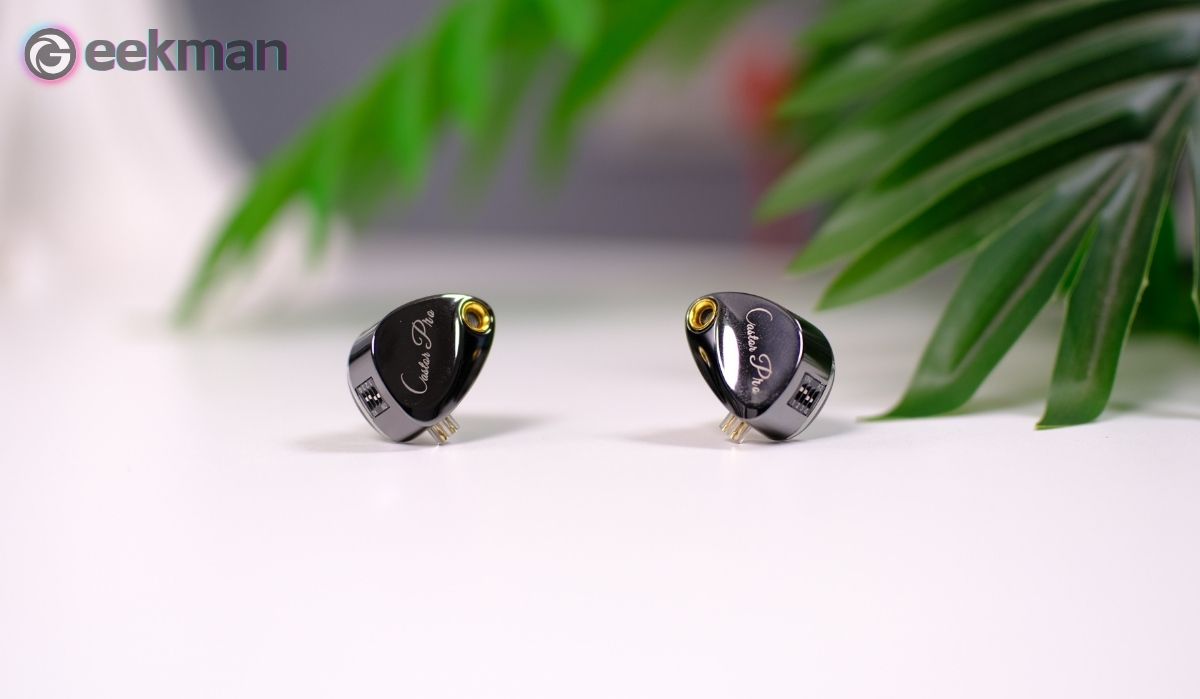
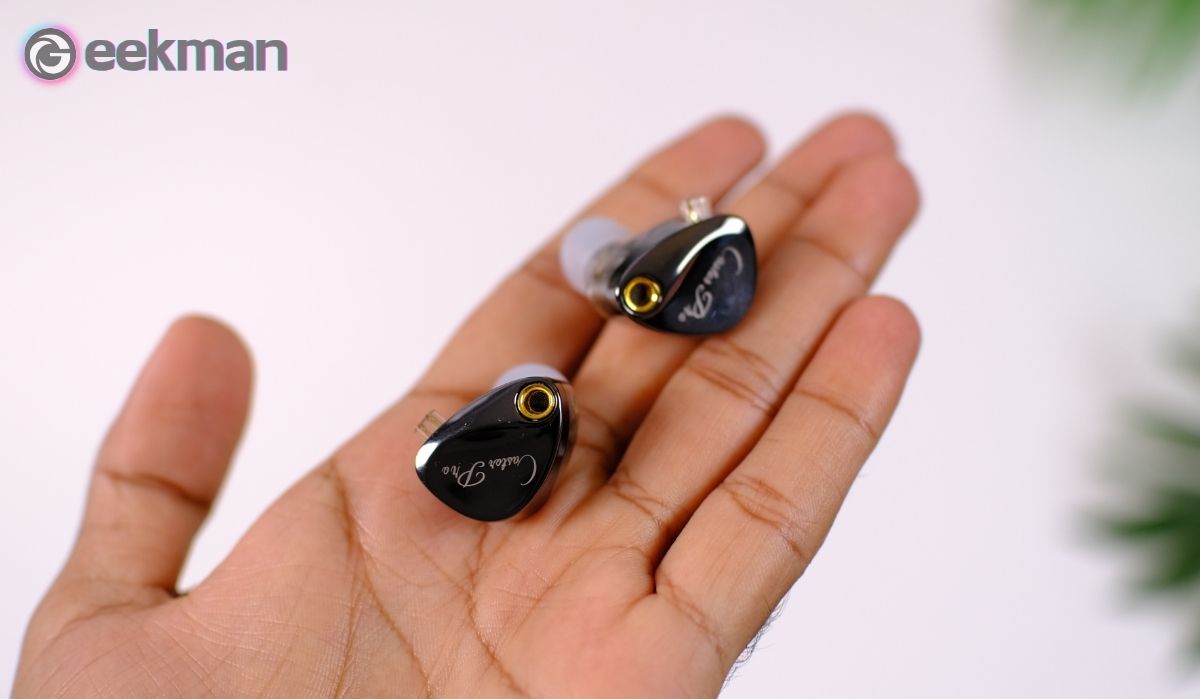
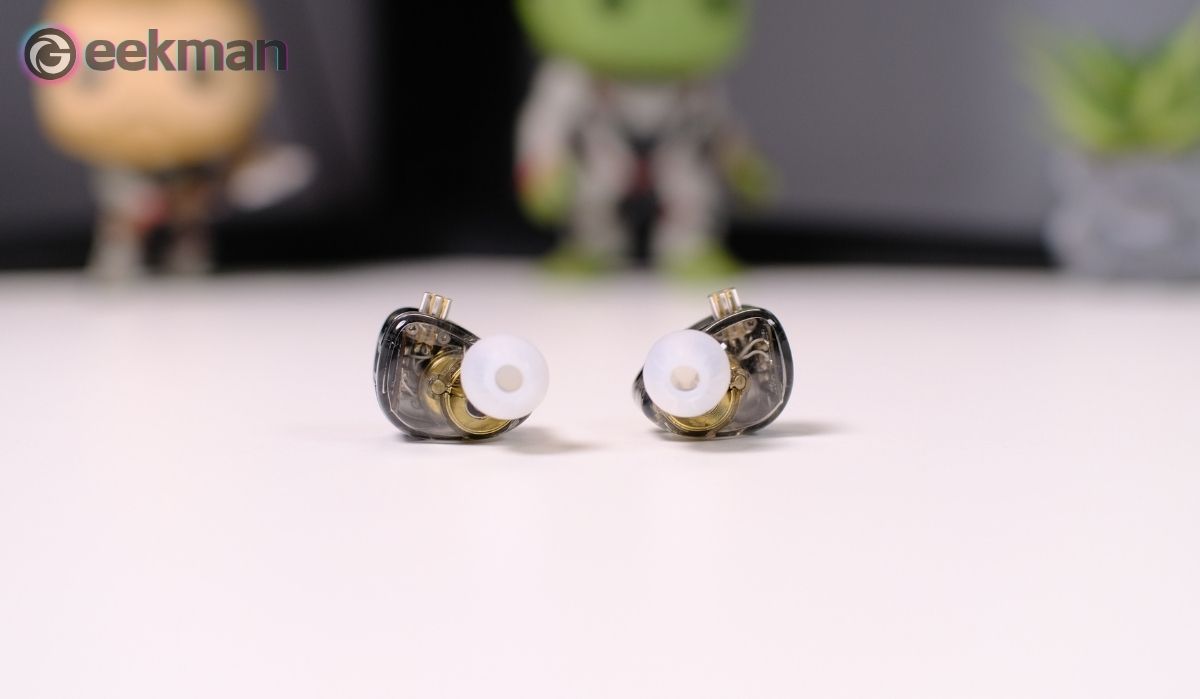
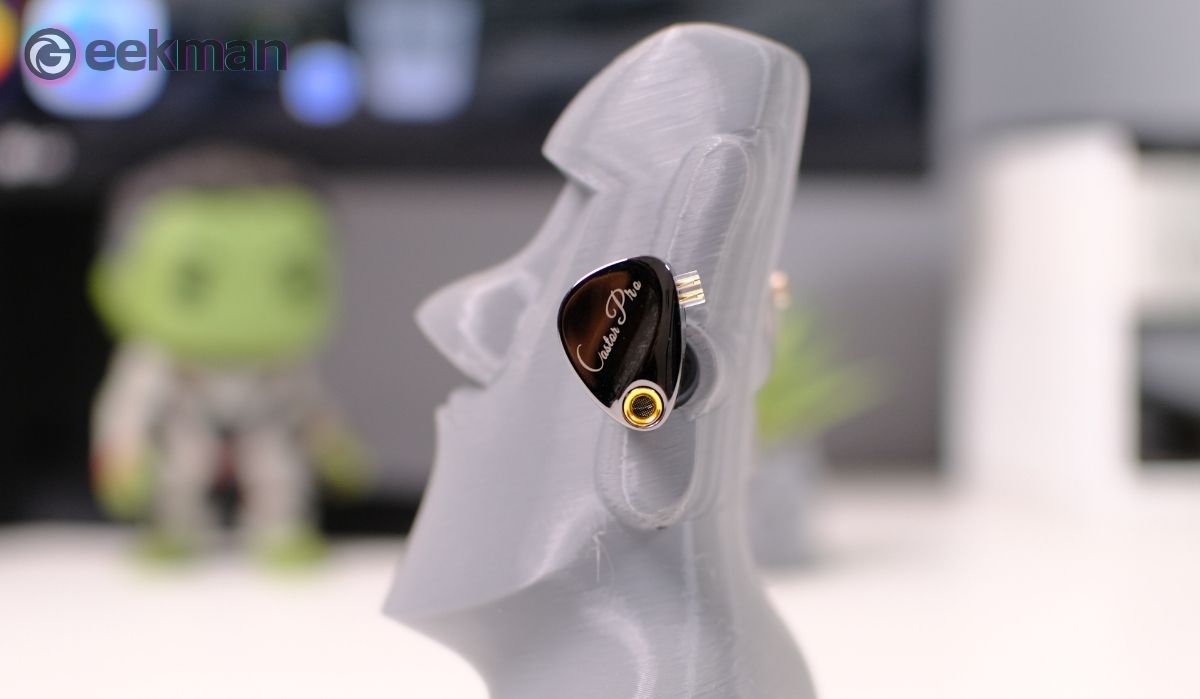
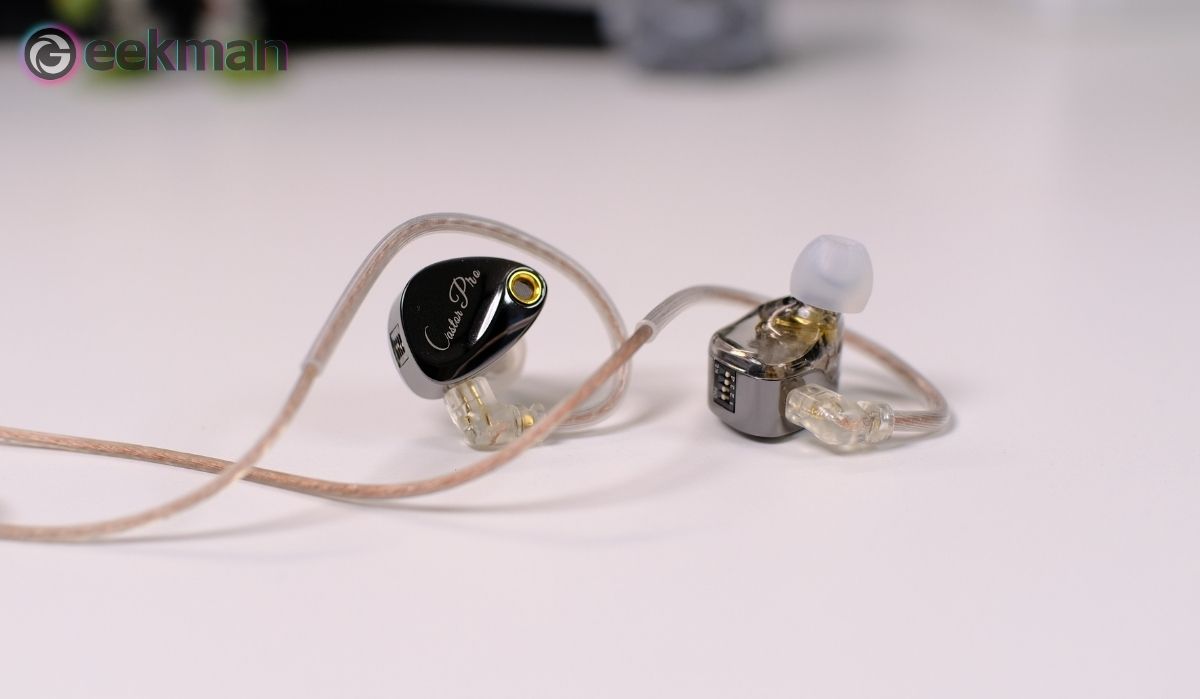
The shell is a mix of zinc alloy faceplate and transparent resin back. It looks good — you can see both drivers through the clear back, which is a nice visual detail. Build feels solid for the price, though it’s not full metal like the CCA Phoenix or Moondrop Chu II.
Comfort is fine for 2-3 hour sessions. The shell shape follows the ear’s contour reasonably well, and the nozzle goes deep enough for a secure fit with good passive isolation. Slightly on the heavier side because of the dual drivers and metal faceplate, but it didn’t bother me during extended use. If you have very small ears or are particularly sensitive to weight, the Chu II (smaller, lighter) might be more comfortable.
The stock Starline ear tips are mediocre. This is my one strong recommendation — replace them. Better tips (Divinus Velvet, SpinFit, or even just a different silicone set in the ₹200-300 range) dramatically improve both the seal and the bass response. If you try this IEM with stock tips and the bass feels weak, it’s probably a seal issue, not the IEM.
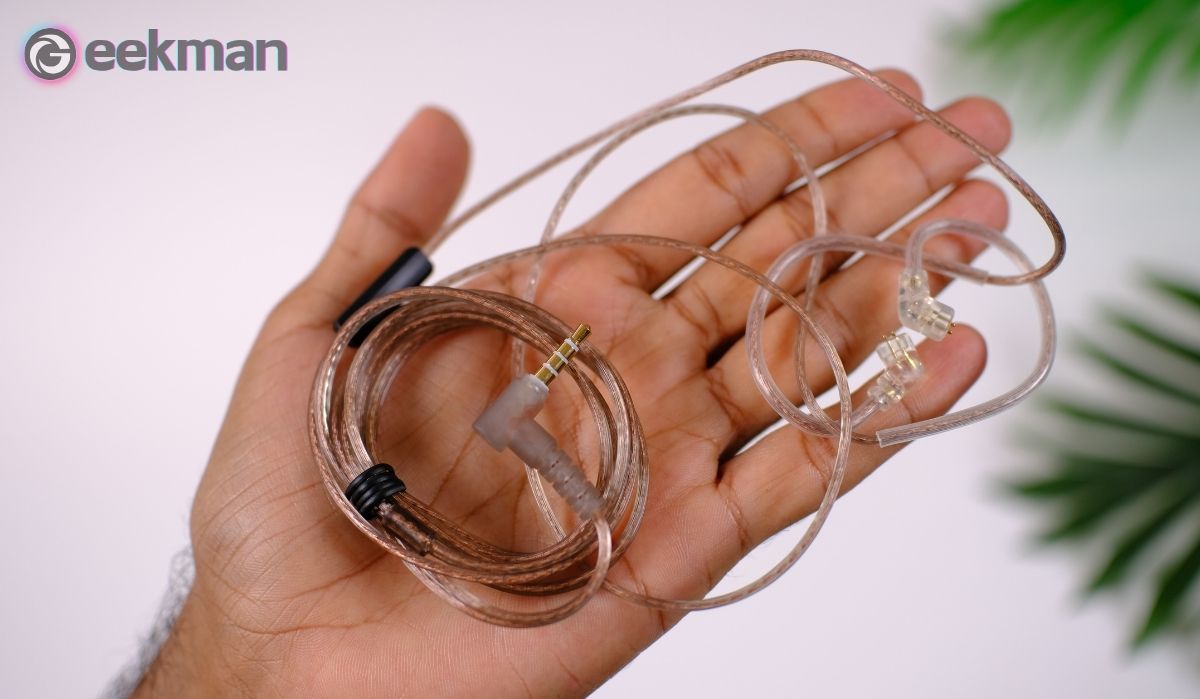
The cable is OFC copper, flat transparent style, 120cm, detachable with 0.75mm 2-pin connectors. It works. Signal quality is fine. But the cable itself feels basic — flat cables tangle in pockets, and there’s some microphonics (you can hear the cable rub when walking). One thing worth knowing: the 0.75mm pin size is KZ’s own standard, not the more common 0.78mm that Moondrop, Tangzu, and CCA use. Aftermarket cable options are more limited as a result, though 0.78mm cables do physically fit (the 0.03mm difference is small enough).
Quick note on the Castor Pro X variant — it’s the same IEM but with a USB Type-C cable and a built-in KT0211L DAC chip, priced around ₹1,990-2,399. If your phone has a 3.5mm jack, get the regular Castor Pro. If it doesn’t, the Pro X saves you from buying a separate dongle.
How it compares with the competition
I’ve tested or closely evaluated the five IEMs people are most likely cross-shopping with the Castor Pro. Here’s how they stack up, category by category.
| Category | Winner | Runner-up | Notes |
|---|---|---|---|
| Bass | KZ Castor Pro | Tangzu Red Lion | Castor Pro’s dual driver gives it the deepest, tightest bass. Nobody comes close. |
| Vocals | Moondrop Chu II | CCA Phoenix | Chu II has the most detailed, forward vocals. Castor Pro’s vocals are clear but recessed. |
| Treble/Detail | CCA Phoenix | Moondrop Chu II | Phoenix is the sharpest — but can be harsh. Castor Pro is smoother, safer. |
| Soundstage | CCA Phoenix | KZ Castor Pro | Phoenix is widest. Castor Pro is second — dual drivers help. |
| Gaming (FPS) | CCA Phoenix | KZ Castor Pro | Phoenix for competitive direction. Castor Pro for all-round gaming (direction + bass impact). |
| Bass impact (gaming) | KZ Castor Pro | Tangzu Red Lion | Phoenix has no bass for explosions. Castor Pro gives you both worlds. |
| Build quality | CCA Phoenix | Moondrop Chu II | Phoenix is full CNC metal. Castor Pro is metal + resin hybrid. |
| Accessories | Tangzu Red Lion | Truthear Gate (cable) | Red Lion’s included tips alone are worth ₹500+. Castor Pro’s stock tips need replacing. |
| Versatility | KZ Castor Pro | Nobody close | 4 switches = bass mode, vocal mode, gaming mode, relax mode. Unique in this segment. |
KZ Castor Pro vs Moondrop Chu II
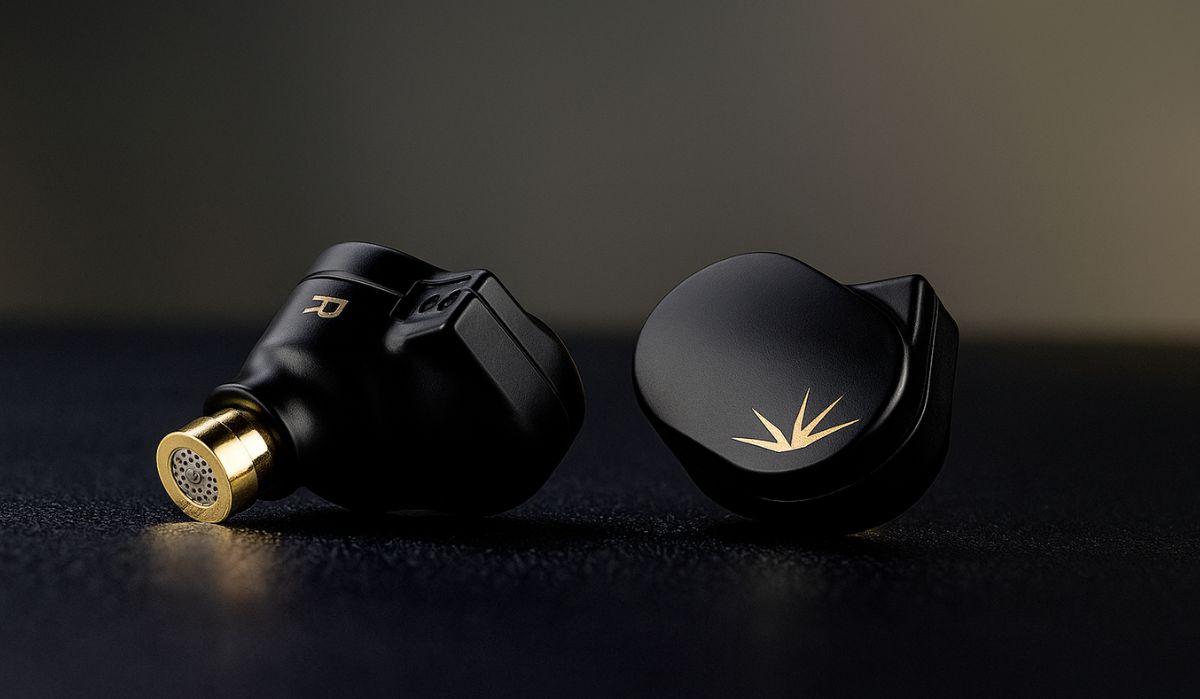
The Chu II is the more analytical, vocal-forward IEM. If you primarily listen to singing-heavy music and want maximum clarity, the Chu II wins. But it has a narrow soundstage, minimal bass impact, and the brass nozzle can tarnish in humid Indian weather. The Castor Pro is the more fun, more versatile pick — stronger bass, wider stage, and the switches give you flexibility the Chu II can’t match.
KZ Castor Pro vs 7Hz Salnotes Zero
The 7HZ Salnotes Zero is the safe community recommendation — warm, balanced, Crinacle-tuned. It’s a plug-and-play experience with no confusion. But it doesn’t win any specific category. The Castor Pro beats it in bass depth, soundstage width, and versatility. If you want zero friction and a proven warm sound, get the Zero. If you want more from your ₹1,500, get the Castor Pro.

KZ Castor Pro vs Tangzu Wan’er Red Lion
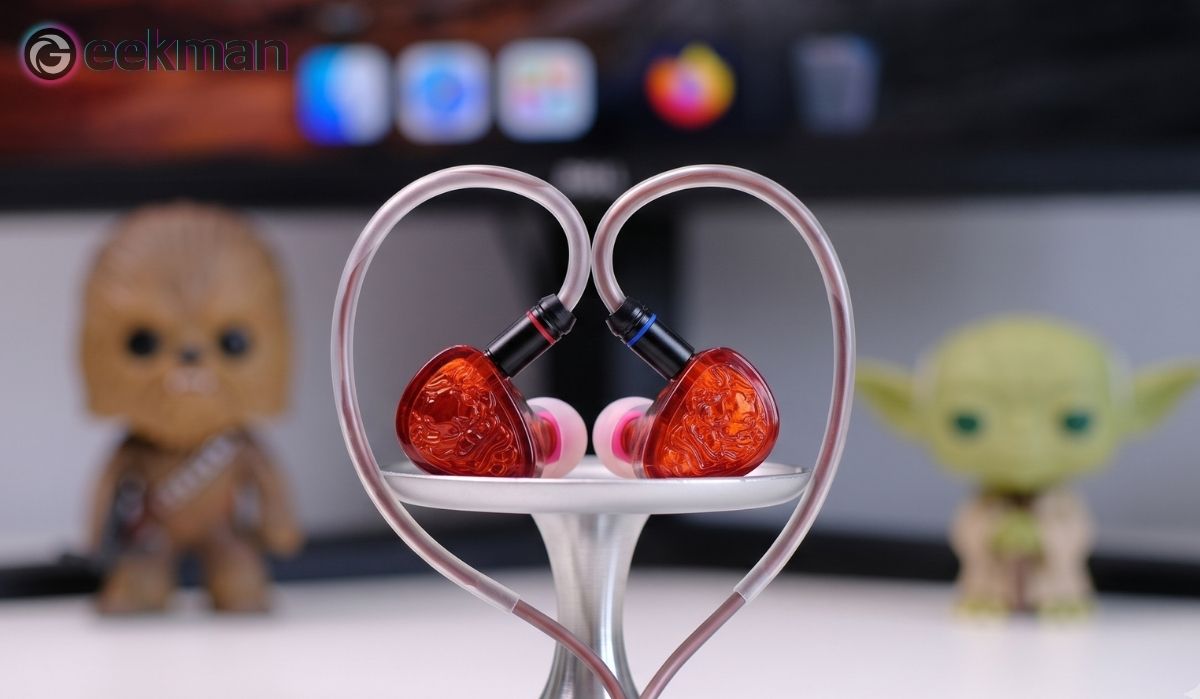
The Red Lion is the vocal-warm IEM. Bollywood and acoustic music sound lush and engaging on it. The accessories are outstanding — Sancai and He Sonic tips in the box, beautiful packaging. But its treble is rolled off (you’ll miss sparkle and detail), and the bass, while full, is slightly loose compared to the Castor Pro’s tighter delivery. Pick the Red Lion for warm vocal music. Pick the Castor Pro for everything else.
KZ Castor Pro vs CCA Phoenix
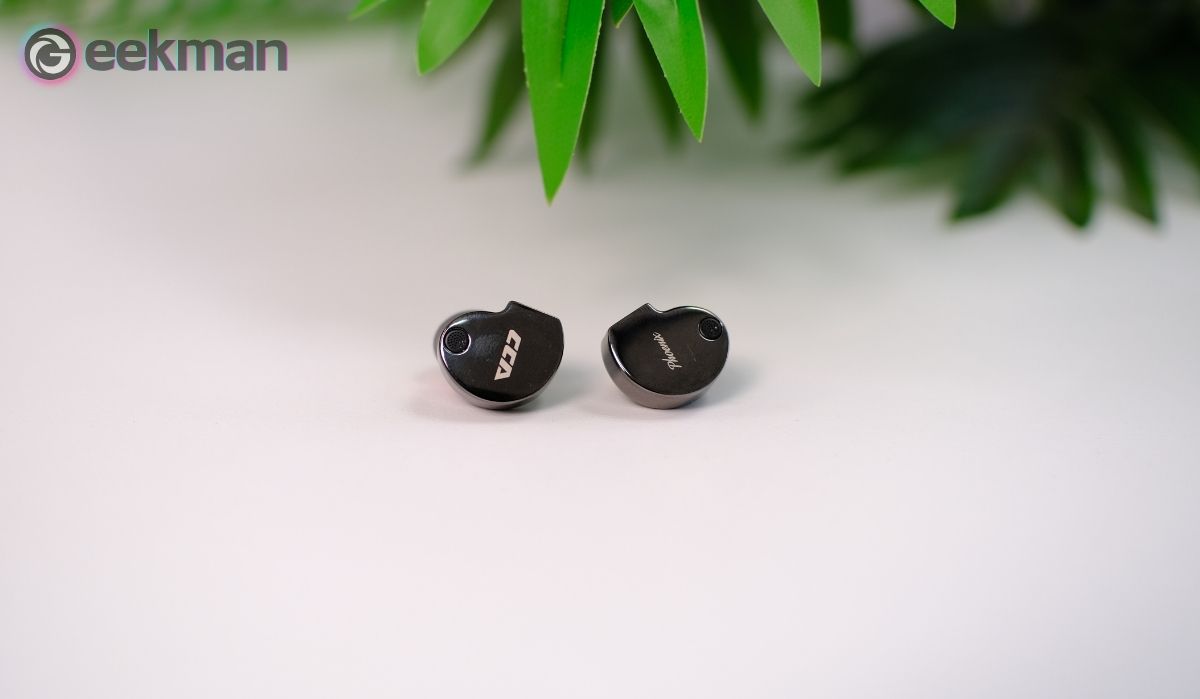
The CCA Phoenix is the detail and gaming monster. Widest soundstage, sharpest treble, best positional audio for competitive FPS. But it has almost no bass (bassheads should stay far away), the treble can get harsh on some tracks, stock tip comfort is poor, and noise isolation is weak. The Castor Pro trades some detail and width for significantly better bass, smoother treble, and the tuning switch flexibility. For most people, the Castor Pro is the safer, more enjoyable pick.
What’s not great — honest cons
I don’t think any ₹1,500 IEM is going to be perfect. But you should know where this one falls short before buying.
Vocals are the biggest compromise. If you’re coming from an IEM that pushes vocals forward (like the Chu II), the Castor Pro will feel like the singer stepped back a row. Switches 3+4 help, but they can’t fully close that gap.
Treble detail isn’t the maximum available at this price. The CCA Phoenix resolves noticeably more micro-detail. The Castor Pro plays it safe — smooth and non-fatiguing, but you give up some of that last bit of sharpness.
Switch changes are subtle, not dramatic. Each switch step is roughly 1-2 dB. The difference between all switches OFF and all switches ON is clearly audible — about 4 dB total, which crosses the perceptible threshold. But a single switch flip? You need to listen carefully to catch it. These are mood adjustments, not personality transplants. Don’t expect four completely different IEMs in one.
The stock cable and ear tips are just okay. Functional but not impressive. Budget ₹200-300 extra for better tips — it’s a worthwhile upgrade.
The 0.75mm 2-pin connector limits your aftermarket cable options compared to the standard 0.78mm that most competitors use.
The Improved Bass variant can make lower mids (instruments and male vocals below 800Hz) sound overly thick. If that bothers you, the Harman Target variant is the cleaner option.
Who should buy this — and who shouldn’t
| Your situation | Best pick | Why |
|---|---|---|
| First IEM, switching from earbuds | KZ Castor Pro | Switches let you discover your preference. Dual driver advantage. Best value. |
| Best bass under ₹2,000 | KZ Castor Pro | Dedicated bass driver. Nobody comes close in this segment. |
| All-round gaming + music | KZ Castor Pro | Direction + bass impact both. Switch to gaming mode when needed. |
| Pure vocal clarity | Moondrop Chu II | Forward, crispy, detailed mids. Better than Castor Pro for vocal-heavy music. |
| Competitive FPS gaming | CCA Phoenix | Widest soundstage, best positional audio. But no bass at all. |
| Warm Bollywood/acoustic sound | Tangzu Wan’er Red Lion | Rich warm vocals, outstanding accessories, beautiful unboxing. |
| Zero confusion, plug and play | 7Hz Salnotes Zero | Warm, balanced, community favourite. No switches to worry about. |
| Best cable quality | Truthear Gate | The included cable punches way above its weight class. |
If I had to recommend just one IEM under ₹2,000 to someone buying their first wired IEM — especially someone coming from TWS earbuds — I’d pick the KZ Castor Pro Improved Bass. The dual drivers give you a genuine sound quality advantage over single-driver competitors. The switches let you explore what you like without buying multiple IEMs. And the bass is the best in class. At ₹1,558–1,849 on Amazon, nothing else combines these features at this price.
Quick tips if you buy this
Replace the stock ear tips. Seriously. It’s a ₹200-300 upgrade that transforms the bass response and seal.
Start with switches 1+2 ON, 3+4 OFF. That’s the best daily all-rounder setting. Experiment from there once you get familiar with the sound.
Consider a DAC dongle if your phone doesn’t have a headphone jack. The Audiocular Spark (around ₹800) or KZ AM02 pairs well and brings out more from the Castor Pro than your phone’s built-in DAC can.
Keep volume around 40% on bass-heavy switch settings. The bass boost tricks your brain into thinking the volume is lower than it is.
For gaming, use all switches OFF or only switch 3 ON. That gives you the cleanest, most neutral sound with the best spatial awareness.
FAQ
Is the KZ Castor Pro good for first-time IEM buyers?
Yes. The 4 tuning switches let you experiment with different sound profiles to discover your preference — bass-heavy, neutral, vocal-forward — without buying multiple IEMs. The dual drivers provide better sound quality than single-driver alternatives at this price. For someone switching from wireless earbuds to wired IEMs, this is one of the best starting points under ₹2,000.
For most people, especially first-time buyers, the Improved Bass version is the better pick. If you’re used to earbuds or TWS, you’re used to bass. The Harman Target version might sound too flat initially. Pick Harman Target only if you specifically want a cleaner, more neutral sound.
Each switch changes the frequency response by roughly 1-2 dB. A single switch flip is subtle. But the difference between all switches OFF and all switches ON (about 4 dB total) is clearly audible. Think of them as mood adjustments — bass mode, vocal mode, gaming mode, relax mode — rather than completely different sound signatures.
Yes, it’s one of the best budget gaming IEMs under ₹2,000. The dual-driver soundstage helps with directional audio. Footstep direction is clearly identifiable in games like PUBG, Valorant, and Apex Legends. For pure competitive FPS, the CCA Phoenix has a wider soundstage, but the Castor Pro offers better bass impact for explosions and gunshots alongside decent spatial audio.
It’s not required — the Castor Pro sounds good straight from a phone. But a budget DAC dongle like the Audiocular Spark (₹800) or KZ AM02 can noticeably improve clarity and dynamics. If your phone’s headphone output sounds weak or thin, a DAC is worth the investment.