

Short answer: buy the Twistura Delta (₹3,360) for the best value, the Twistura D-Minor (₹3,490) if you want more bass, or the CCA Phoenix (₹2,178) if you want to spend less. The Simgot EW200 (₹4,990) is the pick for a bright, technical sound.
Geekman has covered consumer tech for over 10 years, and this ranking is built the way our buying guides always are: research first, then a hard look at the numbers. For all 6 IEMs we compared drivers, tuning, expert scores from iemranking where one exists, plug options, warranty and live prices at The Audio Store, Headphone Zone, Concept Kart and Amazon.in. Prices were seen on 25 October 2026.
This is the price band where an IEM first sounds properly good, and the iemranking scores here reach 6.6, the highest of any IEM under ₹5,000 we could find in stock in India. This guide has six picks from ₹2,178 to ₹4,990. If you want to spend less, see our best IEM under 3000 guide. If you can go above ₹5,000, the best IEM in India guide has the Simgot EW300, Truthear Hexa and AFUL Explorer.
Find your IEM under 5000 in 4 quick taps
Short answer: the Twistura Delta is the best value IEM under 5000. Turn on JavaScript to use the Finder.
Pick in 30 seconds
Which IEM under ₹5,000 fits you?
Best overall
Twistura Delta at ₹3,360, scored 6.6 on iemranking.
Most bass
Twistura D-Minor at ₹3,490, V-shaped with three filters.
Big stage, bright
COZOY D1 at ₹3,340, a graphene driver with a bright V.
Spend less
CCA Phoenix at ₹2,178, scored 6.1.
Change the sound
Kefine Klean at ₹3,799 with two tuning nozzles.
Technical
Simgot EW200 at ₹4,990, bright-neutral with an all-metal shell.
The ranking
How I ranked these IEMs
Each IEM gets a score out of 10 for performance (40%), value (40%) and service (20%). Performance comes from the expert reviews on iemranking, scaled so a 7.1 becomes a 9.0. Value is price against that score. Service looks at the warranty, the accessories and where you can buy it.
See the scores
| # | IEM | Perf. | Value | Service | Overall |
|---|---|---|---|---|---|
| 1 | Twistura Delta | 8.0 | 9.2 | 7.0 | 8.3 |
| 2 | Twistura D-Minor | 7.6 | 8.8 | 7.0 | 8.0 |
| 3 | CCA Phoenix | 7.0 | 8.8 | 7.5 | 7.8 |
| 4 | Kefine Klean | 6.6 | 7.2 | 7.5 | 7.0 |
| 5 | COZOY D1 | 6.8 | 7.0 | 7.0 | 6.9 |
| 6 | Simgot EW200 | 6.6 | 6.5 | 8.0 | 6.8 |
Scores weigh performance 40%, value 40% and service 20%. They come from iemranking expert scores, published reviews, listed specs and live prices on 25 October 2026.
Quick picks
| Pick | IEM | Best for |
|---|---|---|
| Best Value IEM Under ₹4,000 | Twistura Delta | A warm, U-shaped single dynamic driver IEM with the best score per rupee in this list, from ₹3,360 |
| Best Bass Under ₹4,000 | Twistura D-Minor | A V-shaped, bass-forward IEM with three acoustic filters and a USB-C DAC adapter in the box, ₹3,490 |
| Best Under ₹3,000 | CCA Phoenix | A Harman-leaning 10 mm LCP dynamic IEM with three filters and a DAC adapter, ₹2,178 |
| Best Tunable Nozzles | Kefine Klean | A 10 mm DLC dynamic IEM with two swappable tuning nozzles, a hard case and a 2-pin cable, at ₹3,799 |
| Best Bright V-Shape Under ₹4,000 | COZOY D1 | A 10 mm graphene dynamic IEM with a bright V-shaped sound and a big stage, ₹3,340 |
| Best Technical Single DD | Simgot EW200 | A bright-neutral 10 mm silicon-diaphragm dynamic IEM with an all-metal shell, from ₹4,990 |
Tap a name to jump to its review. Live prices are in the buy box under each review. Prices change daily and bank offers can lower them.
All 6 picks
Best IEMs under ₹5,000 in India
Six IEMs are worth considering in this range. The top three get a full review and the other three get a short one. The Audio Store, Headphone Zone and Concept Kart are the main sellers, so the buy boxes list them in that order of priority.
Best Value IEM Under ₹4,000
1. Twistura Delta
8.3 Overall
8.0 Performance
9.2 Value
7.0 Service
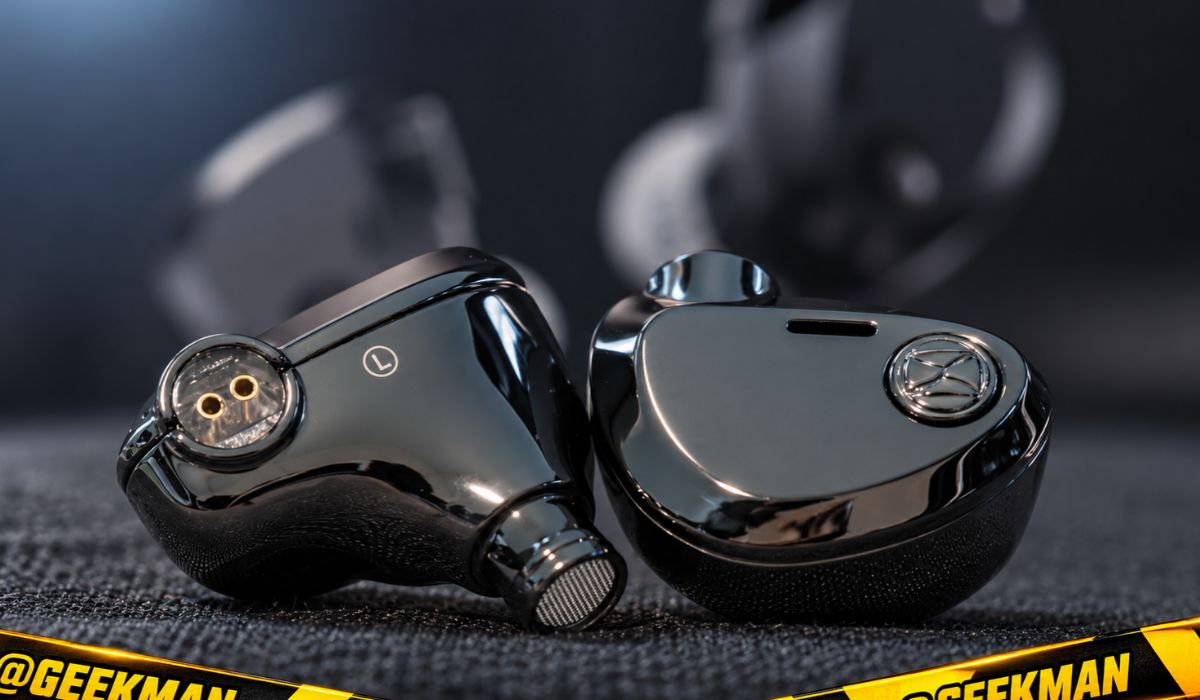
10 mm dual-chamber dynamic driver · Warm U-shaped tuning · Detachable 2-pin cable · 3.5mm or Type-C with mic · iemranking 6.6
Best for
✓ First-time IEM buyers
✓ Listeners who want smooth, non-fatiguing treble
✓ Anyone who wants the most score for under ₹4,000
Not ideal for
– Treble lovers who want sparkle and air
– Buyers who need a roomy soundstage
– People who want a spare 3.5mm version in stock at every store
Verdict: The best value IEM here. Five expert reviews average a favourable score, and it costs far less than the premium picks above ₹7,000.


Twistura Delta (The Audio Store)

Pros and cons
What we like
+ Highest score under ₹5,000
+ Smooth, easy-to-listen-to tuning
+ Priced from ₹3,360
What we don’t like
– Treble lacks air
– Limited sub-bass
– Stock cable is thin
Twistura Delta review: a warm 10mm LCP driver IEM with a metal shell
The Twistura Delta is a single dynamic driver IEM built around a 10 mm LCP diaphragm, a dual-magnet motor and a dual-cavity chamber behind it. The shell is electroplated zinc alloy with medium-length nozzles and pressure vents. Impedance is about 42 ohm and the maker quotes a very high sensitivity, which in practice means a phone drives it without drama, although a dongle gives the bass more grip. The tuning is a warm U shape. There is a bass shelf of roughly 10 to 11 dB centred on the mid-bass with decent sub-bass extension, a forward and warm midrange, and a treble lift that keeps the whole thing from going dull. Timbre is organic, a little polished, and clearly aimed at people who want music to sound full rather than analysed.
My take: buy the Delta if your library is pop, Bollywood, hip-hop, indie and film scores, and you listen for two or three hours at a stretch. The warm mids make male and female vocals sound close and unfussy, and the mid-bass hit gives drums a physical feel without the smear that cheaper bass-heavy sets produce. I would not hand it to a treble-first listener or someone who enjoys dissecting classical recordings, because the top end is smooth rather than detailed. Choose the 3.5 mm version if you use a phone with a jack or a dongle, and the USB-C DSP version only if you plan to plug straight into a modern phone and never swap cables. For a first serious IEM at this budget, the Twistura D-Minor is the cheaper alternative, but the Delta is the more grown-up sound.
Twistura Delta cost of ownership and the dongle question
The money angle is short. The Delta already sits near the top of this budget, so the extra spend should be small and targeted. A decent USB-C dongle DAC costs Rs 800 to Rs 1,500 and is worth it because more clean power tightens the bass and deepens the stage, although the gains flatten out after a point. A set of better tips, such as the KBear 07 style wide-bore silicone, runs a few hundred rupees and is the single most useful accessory because the stock tips feel flimsy. Budget Rs 2,000 in total on top of the IEM and you have a setup that competes with sets that cost a lot more. A balanced 4.4 mm cable is optional and not offered in the stock configuration, so skip it unless you already own a DAP.
Twistura Delta fit, cable, mic and daily use
The stock cable is a 0.78 mm two-pin oxygen-free copper cable with a black rubber sheath, plain but functional. The Delta comes in 3.5 mm single-ended or USB-C DSP form, each with or without a mic, and the inline mic works decently for calls and game chat. Seven pairs of tips across three styles are supplied, plus a small sand-coloured cloth pouch rather than a hard case. The all-metal shell is heavier than most resin sets, and I would notice that on a three-hour flight, but the shape sits flush and seals easily with the right tip. Isolation is good for a vented dynamic driver. Bass feels a bit narrower and less wide on weak sources, which is another reason to use a dongle with a laptop or older phone.
Twistura Delta warranty and India service
Twistura sells through Linsoul globally, and Linsoul’s standard terms for the brand are one year on the IEMs and a shorter window on the cable, with manufacturing defects only. Inside India the sensible route is an authorised distributor or a well-known audio retailer that gives you a GST invoice, because an invoice is what any warranty claim hangs on. Ask the seller, before you pay, who handles the claim and whether the cable is covered separately. On delivery, check that both channels play at equal level, the 2-pin sockets grip the cable firmly, and the faceplate is free of plating blemishes. Fake or unbranded copies of popular Chi-Fi sets circulate, so a price far below the usual street range is a warning sign rather than a bargain.
Twistura Delta vs COZOY D1 and Kefine Klean: who should buy it
The Delta falls short for people who want a neutral, analytical sound. Its warm cast and polished timbre trade some detail retrieval and treble air for musicality, and the stock cable and tips are plain for something this close to the top of the budget. Against the COZOY D1, the Delta is warmer and fuller, while the D1 is cleaner, closer to a Harman curve and more resolving on acoustic music. Against the Kefine Klean, the Delta has a more forward, richer midrange, and the Klean offers swappable nozzles for fine-tuning. If you want one safe, enjoyable all-rounder that makes everyday music sound good, the Twistura Delta is the one to buy. If you want accuracy or sparkle, look at the D1 or the Simgot EW200 instead.
Key specs
| Driver | 10 mm dual-magnet, dual-chamber dynamic, LCP |
| Impedance and sensitivity | 42 ohm, 120 dB/Vrms |
| Tuning | Warm, U-shaped |
| Cable | Detachable 0.78 mm 2-pin |
| Plug | 3.5mm or Type-C, with mic |
| Warranty | IEM 1 year, cable 1 month |
| iemranking score | 6.6 / 10 (5 reviews) |
| Price on 25 Oct 2026 | ₹3,360 Concept Kart, ₹3,760 The Audio Store (Type-C) |
Best Bass Under ₹4,000
2. Twistura D-Minor
8.0 Overall
7.6 Performance
8.8 Value
7.0 Service
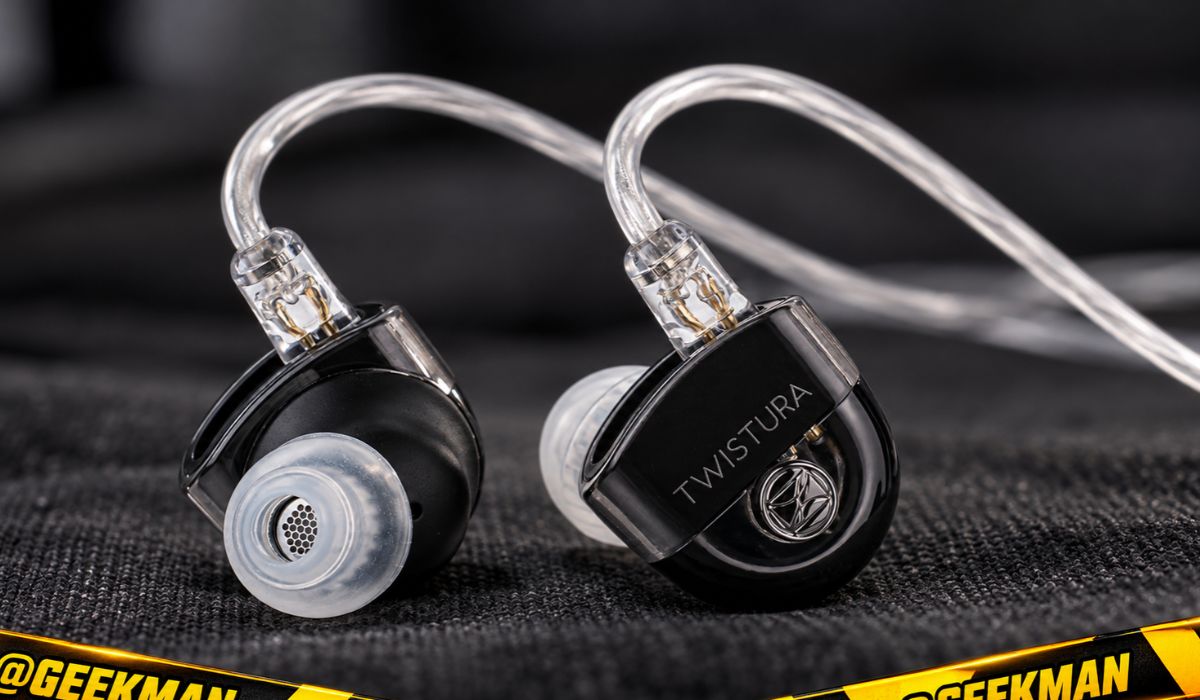
10 mm dual-magnet driver · 3 acoustic filters · Includes Type-C DAC adapter · Mic · iemranking 6.4
Best for
✓ Bass lovers on a budget
✓ Phone users who want an adapter in the box
✓ People who like to tune the sound
Not ideal for
– Treble-sensitive listeners who want neutral
– Anyone who wants maximum detail
– Buyers who dislike thin cables
Verdict: The best bass-forward IEM under ₹4,000, and the best accessory kit of the budget picks.
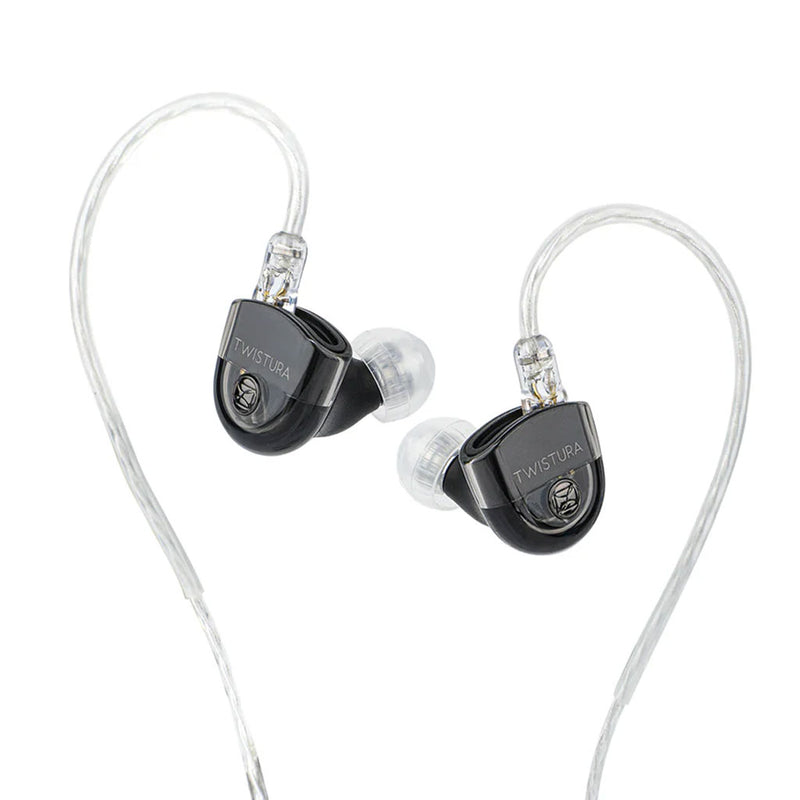
Twistura D-Minor (Concept Kart)

Pros and cons
What we like
+ Bass-forward and fun
+ Three filters, four nozzles, DAC adapter included
+ Priced at ₹3,490
What we don’t like
– Treble is relaxed and modest in detail
– Thin cable
– Cable warranty is only 1 month
Twistura D-Minor review: tuning filters and a full accessory kit
The Twistura D-Minor uses a 10 mm dual-magnet dynamic driver with an LCP dome composite diaphragm. Specs are 30 ohm impedance, 108 dB sensitivity and a stated 15 Hz to 37 kHz range, so it is easy to drive from a phone. The front chamber is zinc alloy and the rear is 3D resin, which keeps the shells compact and light. The big idea is the set of three interchangeable filter tubes. Reference is balanced and linear with slightly recessed but well-integrated mids. Classical opens the stage and brings the midrange forward. Pop adds mid-bass warmth and a brighter top. Out of the box the signature leans a little to the low end, with more mid-bass than sub-bass and a stage that is credible if not large.
My take: the D-Minor is the pick for someone who does not yet know what they like. Three tuning options in one box teach you what a 2 dB change in bass or treble sounds like, and the Reference tube is the one I would leave in for general listening. It suits pop, rock, acoustic and vocal tracks, and it stays easy to live with during long sessions because the treble is controlled. If you listen mostly to bass-heavy electronic music, the low end is not deep enough for a basshead, and if you want forensic detail, a set higher up this list does more. For learning, for gifting, and for a first IEM that already comes with accessories, it is a strong choice in this list.
Twistura D-Minor value and what you still need to buy
The value story is the bundle. The kit includes two tip families in three sizes each, a rigid tip holder, a spring-close faux leather case, a small USB dongle and a cable, so the extra spend is close to nothing. A better tip is the one optional purchase worth considering, at a few hundred rupees, because insertion depth changes the sound here: shallow gives a lighter, more open bass, deeper adds weight. If you want more output control than the bundled dongle gives, a Rs 1,000 USB-C DAC is plenty. Compared with sets near the top of this budget, the D-Minor leaves more of your money in your pocket without feeling stripped down, which is exactly why I place it in a list that tops out at Rs 5,000.
Twistura D-Minor fit, cable and microphone
Shells are small and light and stay comfortable over several hours. Isolation is described best as discreet rather than strong because of the vented driver design, so expect some traffic noise to leak through on a busy road. The cable is a four-conductor silver-plated OFC type on a 0.78 mm two-pin connector, slim and light, terminated in a 3.5 mm plug. A version with an inline mic is sold, and a no-mic version exists too, so match the variant to your use before ordering. The slim cable is fine in a bag but I would handle it gently, and the 0.78 mm standard means you can swap in a sturdier cable cheaply later.
Twistura D-Minor warranty and service in India
The maker’s global terms are one year on the IEMs and three months on the cable, with a 30 day return window for factory-sealed units through Linsoul. For an Indian buyer the reliable approach is to buy from a seller that gives a tax invoice and names who handles claims, because shipping a faulty unit abroad is slow and costly. Before accepting delivery, plug in each filter tube in turn and check that the left and right channels match in level, and confirm the dongle and case are in the box. Filter tubes are small, so keep them in the supplied holder to avoid losing them. Avoid unusually cheap offers, since copies of popular Twistura models exist.
Twistura D-Minor vs Twistura Delta and CCA Phoenix: who should buy it
The D-Minor’s weak spots are modest detail and a bass that is not deep. With the Pop filter, treble can get less controlled on bright recordings or at high volume, and imaging is adequate rather than precise. Against its sibling, the Twistura Delta has better treble, technical ability and dynamics, so choose the Delta if you want more sound for a bit more money. Against the CCA Phoenix, the Phoenix is leaner, brighter and better for gaming, while the D-Minor is warmer and more forgiving. Buy the D-Minor if you want a friendly all-round tuning, a complete accessory kit and room to experiment, and skip it if you want the sharpest imaging in this list.
Key specs
| Driver | 10 mm dual-magnet dynamic, LCP dome |
| Impedance and sensitivity | 30 ohm, 108 dB/Vrms |
| Frequency response | 15 Hz to 37 kHz |
| Cable | Detachable 2-pin, silver-plated OFC |
| Warranty | IEM 1 year, cable 1 month |
| Price on 25 Oct 2026 | ₹3,490 The Audio Store |
Best Under ₹3,000
3. CCA Phoenix
7.8 Overall
7.0 Performance
8.8 Value
7.5 Service
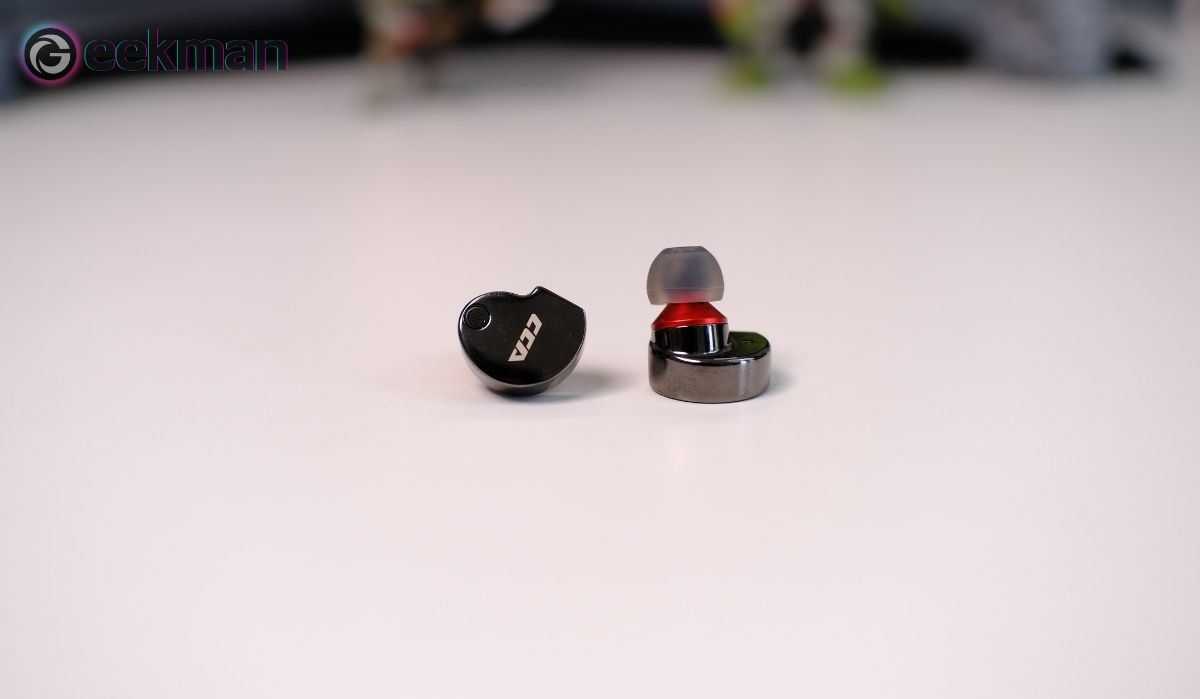
10 mm dual-magnet LCP driver · 3 acoustic filters + 4 nozzles · DAC adapter included · Mic · iemranking 6.1
Best for
✓ Buyers under ₹3,000
✓ Vocal and acoustic listeners
✓ People who want filters to tune the sound
Not ideal for
– Bass lovers
– Treble-sensitive listeners
– Anyone who wants maximum sub-bass
Verdict: The best sound for ₹2,178. Its tuning is clean and vocal-led, though the upper mids can run hot.
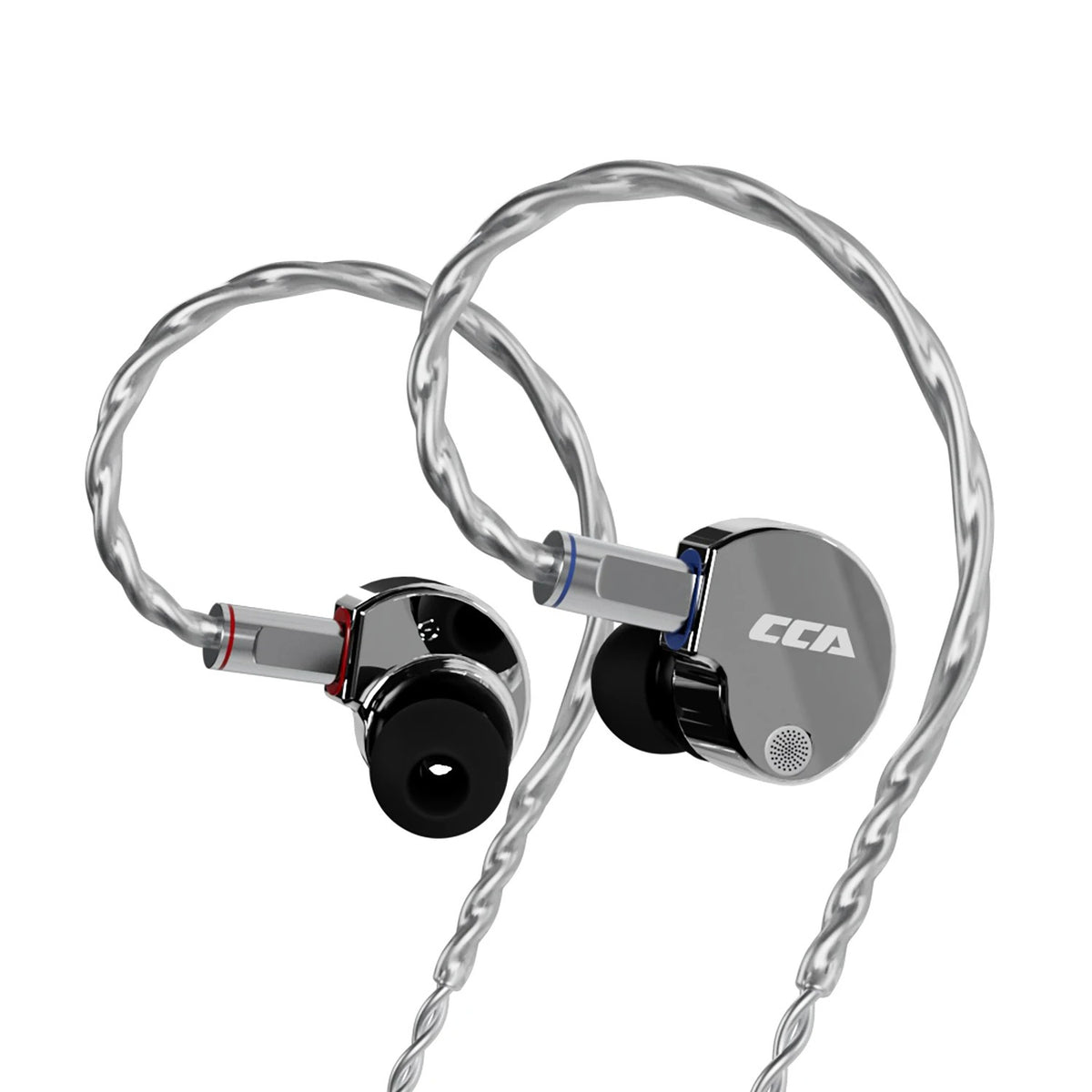
CCA Phoenix (The Audio Store)
Pros and cons
What we like
+ Clean, vocal-led tuning
+ Filters, nozzles and DAC adapter in the box
+ Priced at ₹2,178
What we don’t like
– Upper mids and treble can run hot
– Bass is light
– Cable warranty is only 1 month
CCA Phoenix review: a Harman-aimed all-metal IEM
The CCA Phoenix is a single 10 mm dual-magnet dynamic driver IEM with an LCP diaphragm. Impedance is 33 ohm, sensitivity 108 dB and the stated range is 20 Hz to 40 kHz. The shell is full-metal, 5-axis CNC machined zinc alloy, which is unusual in this segment, and the tuning is aimed at a Harman-style curve. In practice it sounds neutral with a slight brightness: bass is lean, fast and controlled, mids are forward and spacious with good separation, and treble is extended with natural cymbals and little sibilance. The stage is wide and tall with precise imaging. It is the set in this list that most rewards a good source and careful listening.
My take: the Phoenix is for people who find warm, bass-heavy IEMs tiring. It suits rock, jazz, acoustic and vocal tracks, and it is excellent for competitive games, where its imaging makes footsteps and reloads easy to locate. If you want impact and slam in kick drums, it will feel polite. The treble can sound bright at first, and a few dozen hours of use, plus wider-bore tips, take the edge off. I would call it the most technically capable single-DD here at its price, and the choice I would make for gaming plus music on the same IEM. Pair it with a USB-C dongle and it gets noticeably better.
CCA Phoenix cost: why a dongle is the real upgrade
The Phoenix is where spending a little more on a source pays off most. Played straight from a phone, the bass can sound loose and the treble harsh at higher volume. A USB-C dongle at roughly Rs 800 to Rs 1,500 tightens the bass, adds weight to the mids, calms the treble and widens the stage. Wide-bore tips such as SpinFit-style silicone cost a few hundred rupees and do a similar job on the treble. In total, a Rs 2,000 accessory budget makes this IEM sound like a set that costs far more. Skip the balanced cable, as the included cable is already a good braided silver-plated unit and the 3.5 mm version is the one to buy.
CCA Phoenix build, fit and microphone variants
The metal shells feel cold and weighty, which reads as premium but adds up over three or four hours, and the bean shape is similar in size to most IEMs at this price and smaller than a KZ Castor Pro. Isolation is good enough to cut traffic, office and gym noise. The cable is a 4-core, 156-strand silver-plated braid on 0.78 mm two-pin connectors, well built and resistant to tangling. Four variants are sold: 3.5 mm or Type-C, each with or without a mic and inline remote. The mic handles daily calls and voice chat but is not studio quality. The box includes a magnetic-flap leather pouch, a few pairs of silicone tips and the cable.
CCA Phoenix warranty and what to check on delivery
CCA gives one year on the IEMs and three months on the cable under its global terms, with manufacturing defects covered. In India, buy from a seller that provides a GST invoice and tells you in writing who handles the claim, since the invoice is your proof. On delivery, check that the faceplate engraving is clean, both channels match in level, the two-pin sockets hold the cable firmly and the colour matches what you ordered. Because the Phoenix is popular, lookalikes exist, so a price well below the normal range deserves suspicion. If you buy the Type-C version, confirm it works with your phone before the return window closes.
CCA Phoenix vs Simgot EW200 and Twistura Delta: who should buy it
The Phoenix falls short on bass impact and midrange body. The mids can feel thin to people who like a lush, full vocal, the metal shell adds weight, and the upper mids can turn shouty if you push the volume. Against the Simgot EW200, the EW200 is warmer and more natural in timbre, while the Phoenix is brighter and wider in its staging. Against the Twistura Delta, the Delta is the one for bass and warmth, and the Phoenix is the one for detail and games. Buy the CCA Phoenix if you want a neutral, bright, precise IEM with a premium metal build and will pair it with a cheap dongle. Skip it if bass weight is your priority.
Key specs
| Driver | 10 mm dual-magnet dynamic, LCP |
| Impedance and sensitivity | 33 ohm, 108 dB |
| Cable | 156-core silver-plated, 2-pin |
| Plug | 3.5mm or Type-C, with mic |
| Warranty | IEM 1 year, cable 1 month |
| Price on 25 Oct 2026 | ₹2,178 The Audio Store |
Best Tunable Nozzles
4. Kefine Klean
Geekman score 7.0/10 · Performance 6.6 · Value 7.2 · Service 7.5
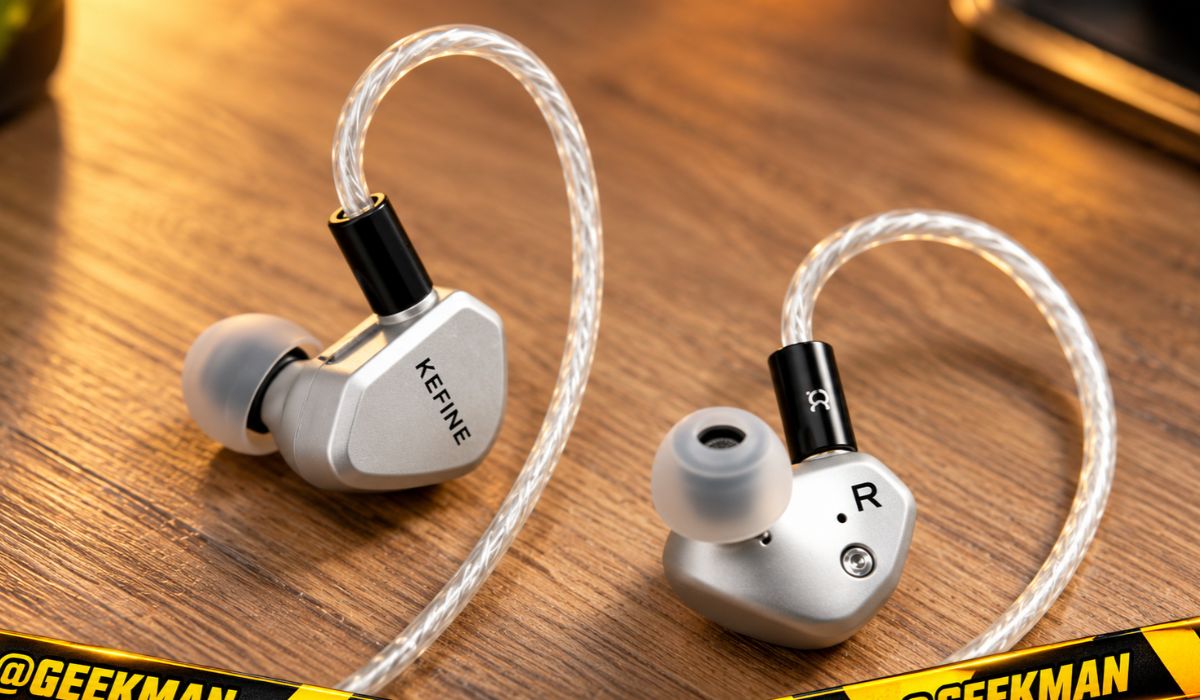
10 mm DLC dynamic driver · Two tuning nozzles · Silver-plated detachable cable · 3.5mm or Type-C · iemranking 5.9
Best for
✓ Tinkerers who like to change the sound
✓ Buyers who want a hard case in the box
✓ Listeners who like a warm-neutral sound
Not ideal for
– Buyers sensitive to bright treble on the black nozzle
– People with small ears (the shells are heavy)
– Buyers who want a mic on the 3.5mm version
Verdict: A well-built IEM with a useful nozzle choice. It scores like the EW200 and costs ₹1,191 less.
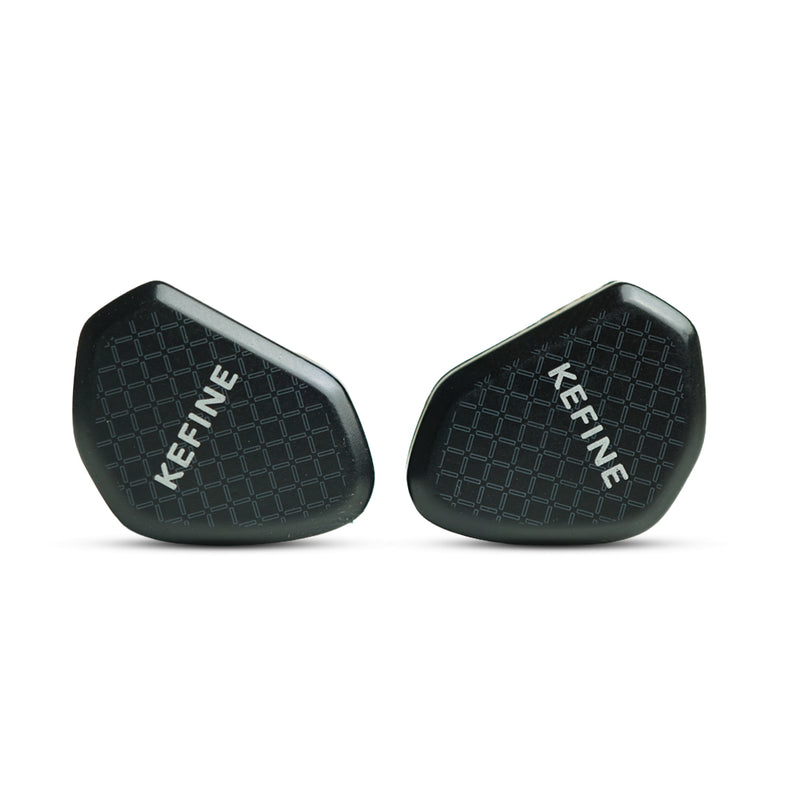
Kefine Klean (Headphone Zone)

Kefine Klean review: DLC driver with two tuning nozzles
The Kefine Klean uses one 10 mm dynamic driver with a DLC diaphragm, N52 neodymium magnets in a dual-cavity structure and a very fine voice coil. Impedance is about 32 ohm and sensitivity about 107 dB, so it wants roughly 50 to 100 mW at 32 ohm for its best behaviour and scales happily with a dongle. Two tuning nozzles are included. The black one is more energetic with extra upper-mid and lower-treble lift. The silver one is bassier and smoother, and it is the one I would use. The overall sound is warm-neutral with a mild V shape: sub-bass is emphasised, lower mids are slightly recessed, upper mids are boosted and treble is balanced.
My take: the Klean is a good fit for relaxed, long-session listening, where a smooth tonality matters more than speed. It makes pop, R and B, soft rock and film music sound comfortable, and its upper-mid lift keeps vocals present despite the warm bass. Treat it as a listening IEM rather than a game IEM. Its bass bleeds slightly into the mids and it is less snappy and less textured than fast, rigid bass sets, so fans of analytical tuning should pass. If you like the Twistura Delta style of warm musicality but want a slightly more neutral balance, the Klean is the one I would try, and the nozzle choice means you can tune it a little.
Kefine Klean cost and the tips and cable worth buying
Kefine supplies the Klean ready to use, so the extra budget is small. The three pairs of grey silicone tips are close to the KBear 07 style and match the sound well, so there is little need to tip-roll. If you plan to use a balanced source, a 4.4 mm cable is a Rs 800 to Rs 1,500 upgrade, but the included 3.5 mm silver-plated copper cable is fine for most users. A basic dongle DAC is the one purchase I would make, because the Klean rewards cleaner power with better control in the lows. Keep a tiny box for the spare nozzle, since the tuning nozzles are easy to lose and replacements are a nuisance.
Kefine Klean fit, case and daily comfort
The Klean is comfortable with an easy seal for most ears, though fit is always personal. The shells are resin with a distinctive look that will not suit everyone, and the supplied case has a working zipper, which is a small but genuine plus at this price. The cable is a white two-core silver-plated copper unit on 0.78 mm two-pin connectors, light and unfussy. The build is not rugged, so treat it gently and store it in the case. No inline mic is part of the standard package, so if you take calls often, plan on a separate headset or a cable with a mic.
Kefine Klean warranty and service reality
Kefine is a smaller brand, so after-sales help in India depends almost entirely on the seller. Buy from one that gives a GST invoice, states the warranty term in writing and tells you who handles a claim. One year on manufacturing defects is the norm for the category, with the cable usually covered for much less. When the box arrives, check that both nozzles are present, the 2-pin sockets are tight and both channels play at equal level. Take care with counterfeits of the better-known Kefine sets, and treat a rock-bottom price as a reason to ask more questions rather than a reason to buy.
Kefine Klean vs Kefine Loric and COZOY D1: who should buy it
The Klean’s weaknesses are a bass that is less textured and slightly blended into the mids, macro-dynamics that are not especially expressive, and a look that some will not like. It also lacks the bright, crisp energy of the Simgot EW200. Against the Kefine Loric, which is a cheaper cousin with a similar signature, the Klean is the more refined and spatial one. Against the COZOY D1, the D1 is cleaner and more neutral, and the Klean is warmer and richer. Buy the Kefine Klean if you want a smooth, bass-forward but not overwhelming everyday IEM with a tuning option, and skip it if you want speed and analysis.
Best Bright V-Shape Under ₹4,000
5. COZOY D1
Geekman score 6.9/10 · Performance 6.8 · Value 7.0 · Service 7.0
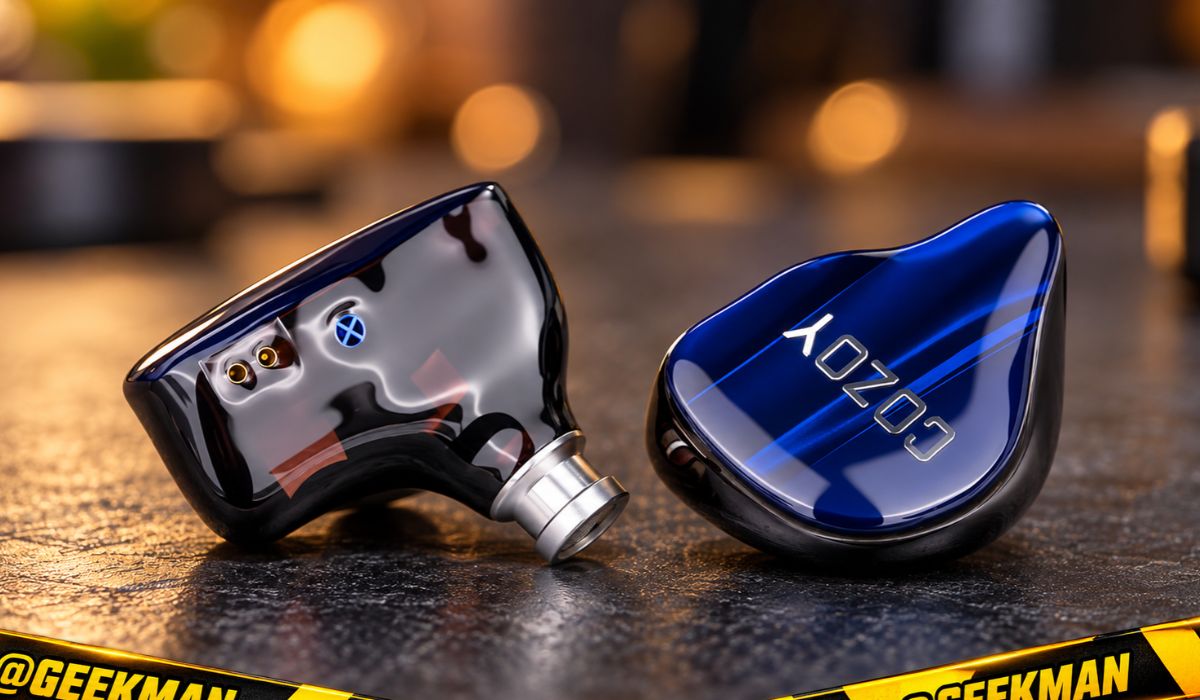
10 mm graphene dynamic driver · Bright V-shaped · Mic · 3.5mm · 1 year warranty
Best for
✓ Listeners who like a bright, energetic sound
✓ Buyers who want a big stage
✓ People who like punchy bass
Not ideal for
– Treble-sensitive listeners
– Long listening sessions at high volume
– People who want a warm sound
Verdict: Fun and bright with a surprisingly big stage. It can tire sensitive ears.

COZOY D1 (The Audio Store)
COZOY D1 review: graphene driver with a Harman-leaning tuning
The COZOY D1 uses a single 10 mm dynamic driver with a graphene diaphragm in a dual-magnet, dual-cavity design. Impedance is 32 ohm and sensitivity is 100 dB, which is lower than most rivals, so it needs a little more volume and likes a decent source. Tuning sits close to a 2019 Harman curve with a slight V lean. The bass shelf peaks near 9 dB, the upper mids carry a mild boost, the lower midrange is slightly recessed and the pinna gain reaches about 10 dB. The result is clean, controlled bass, a lean and clear midrange, and a bright, detailed top end. It is more analytical than musical, closer to 40 and 60 than a warm set.
My take: the D1 is for people who want clarity without paying for a planar hybrid. It suits acoustic, indie, jazz, vocal pop and podcasts, and it keeps things clean when the music gets busy. It is not a bass-heavy IEM, so hip-hop and EDM fans will find the weight lacking. The tuning can sound glary or slightly metallic on bright or spicy recordings, and it prefers a warm or neutral source. Plug it into a bright phone or dongle and it turns edgy. I would choose the D1 for a desk setup with a neutral DAC, and I would pair it with warmer tips if the treble feels forward. If you already own a warm set, the D1 is a good second pair to keep for critical listening and for checking mixes, because it shows you what a recording really contains.
COZOY D1 accessories, source cost and tip rolling
The D1 ships with seven pairs of tips across three styles, including slow-rise foam, triple-flange silicone and narrow-bore silicone. In practice the narrow-bore set runs small and the triple-flange are not for everyone, so a pack of wide-bore silicone tips at a few hundred rupees is the sensible upgrade and brings the best seal. Spend on a warm or neutral USB-C dongle in the Rs 800 to Rs 1,500 range if your phone output is bright. More power does not help beyond a solid dongle, so skip big amplifiers. The included braided cable is a purple 4-core, 216-strand silver-plated copper unit, which already looks and feels better than most stock cables here.
COZOY D1 fit, shell and cable
The shells are black 3D-printed resin with blue and purple faceplates and medium-length silver alloy nozzles around 6 mm wide. They are lightweight and ergonomically shaped, so once the seal is right they are comfortable for long sessions. The cable terminates in 3.5 mm and connects with 0.78 mm two-pin plugs. No mic variant is part of the standard package, which makes the D1 a music IEM rather than a call IEM. The good seal depends on tip choice, and a wrong tip will thin the bass noticeably, so spend ten minutes with the three tip styles before you decide the sound is lean. Weight is low, so it stays unobtrusive on a desk or a long train ride.
COZOY D1 warranty and buying safely in India
COZOY is a newer brand and India support depends on the retailer. Insist on a GST invoice and a written warranty term, and ask who handles the claim before you pay. The normal one-year manufacturing warranty applies in this category, with accessories and cable covered for less. At delivery, check that both channels are balanced, that the 2-pin sockets hold the cable, and that the box has the foam, triple-flange and narrow-bore tip sets. Lookalike offers of popular budget IEMs do appear, so a price that is dramatically below the street rate is a reason to step back.
COZOY D1 vs Kefine Klean and Simgot EW200: who should buy it
The D1 falls short for bass lovers, for people who want lush mids and for anyone who listens through a bright source. Its midrange is lean and analytical, some male vocals sound thinner than natural, and it can be source-sensitive. Against the Kefine Klean, the Klean has more bass and a warmer tone, and the D1 is cleaner. Against the Simgot EW200, the EW200 is more natural, warmer and more dynamic. Buy the COZOY D1 if you want a clean, Harman-leaning, detailed single-DD that sounds clear without sharp edges, and have a neutral or warm source to pair it with.
Best Technical Single DD
6. Simgot EW200
Geekman score 6.8/10 · Performance 6.6 · Value 6.5 · Service 8.0
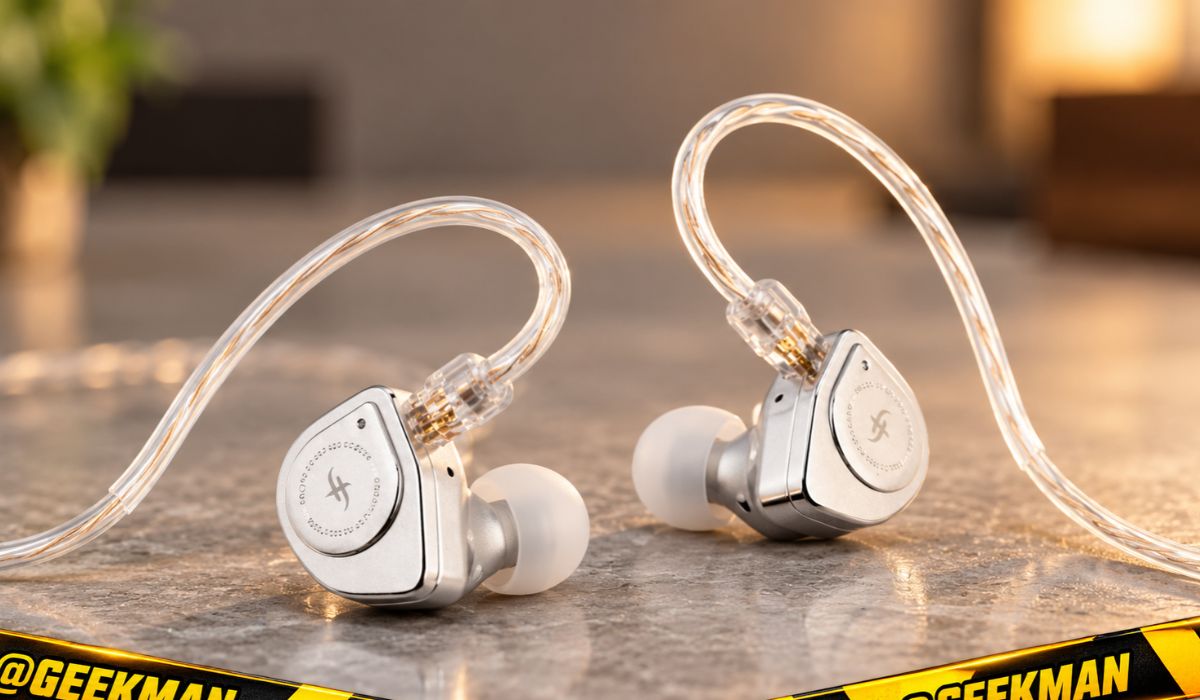
10 mm dual-cavity driver · All-metal shell · Bright-neutral tuning · 3.5mm or Type-C · iemranking 5.9
Best for
✓ Listeners who want detail and a wide stage
✓ Fans of a bright, technical sound
✓ Buyers who like metal builds
Not ideal for
– Treble-sensitive listeners
– Gamers (gaming score 4.9)
– Bass lovers
Verdict: A technical IEM for people who like treble. The ₹4,990 price is for the 3.5mm version without a mic.
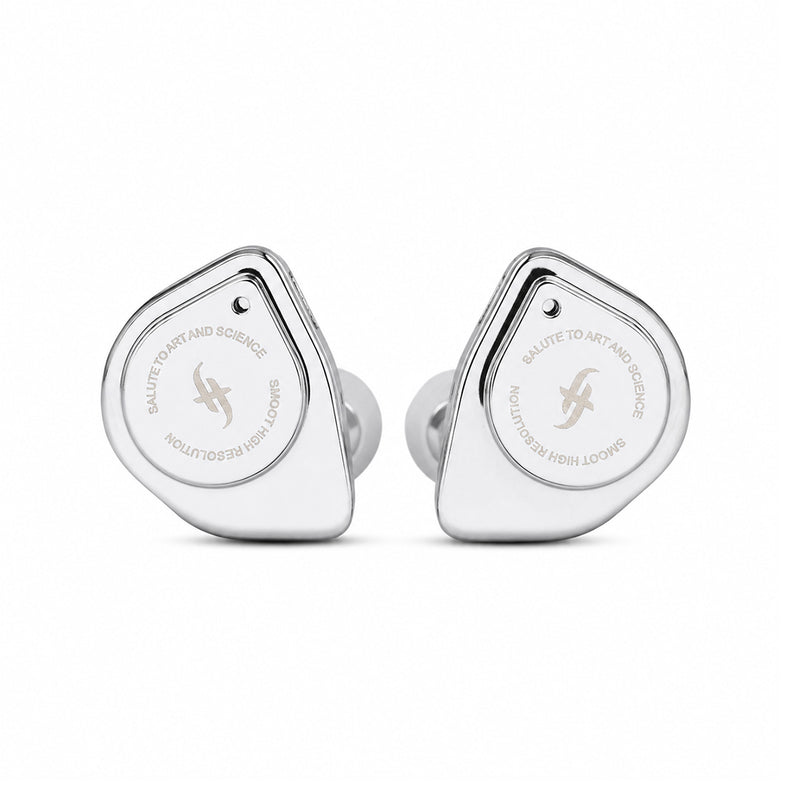
Simgot EW200 (Headphone Zone)
Simgot EW200 review: the natural-sounding all-metal single driver
The Simgot EW200 is a single 10 mm dynamic driver IEM with an SCP diaphragm, a dual-magnet circuit and a dual-cavity design, all in a compact all-metal shell. Impedance is 16 ohm, sensitivity is 126 dB and the stated range is 10 Hz to 50 kHz, which makes it extremely easy to drive from any phone or dongle. The sound is warm, lively and fairly neutral overall. Bass is full but not overwhelming with good definition, mids have a warm, natural timbre with good resolution, and treble is crisp and clear without being bright. The stage is reasonably large and imaging is strong for the money.
My take: the EW200 is the set I would recommend to anyone who wants it to simply sound right. It has the kind of tonal balance that works for rock, pop, jazz, vocals and acoustic music, and it rarely sounds harsh or sibilant. It is the most natural single-DD in this list, and it benefits from being easy to drive, so there is no source pickiness. It is not a bass cannon and it is not a detail monster. On busy orchestral material it gets a little congested compared with pricier sets, and treble refinement trails higher-priced IEMs. For everyday use, it is the safest choice. It also makes a good partner for a laptop headphone jack, where a harder-to-drive set would sound thin and quiet.
Simgot EW200 cost, mic variants and accessories
The EW200 is sold in plain 3.5 mm form and in versions with an inline mic, and a USB-C DSP variant also exists, so match the version to your phone. Because sensitivity is so high, a dongle is a nice to have rather than a need, and Rs 800 to Rs 1,500 is the most I would spend on a source. Three sizes of silicone tips and a carrying pouch come in the box, and a better tip set at a few hundred rupees is the one accessory I would add. The cable is a silver-plated OFC type with an angled 3.5 mm plug, so there is no cable upgrade needed. Total extra spend for a great setup is under Rs 1,500. If you only ever listen to streaming music from a phone, you can safely skip the dongle and keep that money for a second pair of tips.
Simgot EW200 fit, isolation and daily life
The compact housing sits nicely in the ear and does not protrude much, which makes it good for lying down, commuting and sleeping on your side. The nozzles are non-detachable. Two small vent holes mean passive isolation is good but not the best in class, so a noisy train will still leak through. The cable connects with 0.78 mm two-pin plugs, so you can swap in a different cable later. The metal shell is solid without being heavy. The EW200 does well with longer sessions because the treble does not fatigue, and the warm mids stay pleasant at moderate volume.
Simgot EW200 warranty and service in India
Simgot is an established audio brand, and its sets are sold in India through audio specialists. Ask the retailer for a GST invoice and the warranty length in writing, since manufacturer terms are typically one year on manufacturing defects. Confirm who handles a claim, and check that both channels match and the 2-pin sockets are snug on delivery. If you buy a version with a mic, test the inline controls with your phone on day one. As with any popular set, counterfeit units exist, so buy from a trusted store and treat extremely low prices with suspicion.
Simgot EW200 vs CCA Phoenix and COZOY D1: who should buy it
The EW200’s weaknesses are slight congestion on busy tracks, less treble detail than more expensive IEMs, and the fact that it neither wows with bass nor with sparkle. Against the CCA Phoenix, the Phoenix is brighter and more precise for games, and the EW200 is warmer and more natural. Against the COZOY D1, the D1 is cleaner and more neutral, and the EW200 is more dynamic and musical. Buy the Simgot EW200 if you want a no-fuss, natural-sounding, easy-to-drive single-DD that you can use with any source. Skip it if you want maximum bass or maximum detail.
Compare
Tuning and specs side by side
The sound varies a lot across these six. The table shows the tuning and plugs so you can match them to your music before you look at price.
| IEM | Tuning | Plug | iemranking | Price |
|---|---|---|---|---|
| Twistura Delta | Warm, U-shaped | 3.5mm or Type-C | 6.6 | ₹3,360 |
| Twistura D-Minor | V-shaped, bass | 3.5mm (Type-C adapter) | 6.4 | ₹3,490 |
| COZOY D1 | Bright V | 3.5mm | 6.0 | ₹3,340 |
| CCA Phoenix | Mild V, bright | 3.5mm or Type-C | 6.1 | ₹2,178 |
| Kefine Klean | Neutral, two nozzles | 3.5mm or Type-C | 5.9 | ₹3,799 |
| Simgot EW200 | Bright-neutral | 3.5mm or Type-C | 5.9 | ₹4,990 |
iemranking scores are the site’s normalised expert average out of 10. A dash means iemranking has no score. Prices were seen on 25 October 2026 and move daily.
Warm and U-shaped
Full bass with smooth treble. Easy to listen to for hours. Twistura Delta.
V-shaped
More bass and treble with the mids set back. Twistura D-Minor, COZOY D1, CCA Phoenix.
Neutral
Closer to flat. The Kefine Klean sounds warmer on its silver nozzle and brighter on the black one.
Bright
More treble for detail and air. Simgot EW200. It can tire sensitive ears.
The buying guide
How to choose an IEM under ₹5,000
Plug
3.5mm for laptops and phones with a jack. Type-C versions or adapters for phones without one.
Mic
The Klean 3.5mm versions have no mic. The EW200 mic versions cost ₹5,899 and up.
Cable
All use a detachable 0.78 mm 2-pin cable.
Score
Every pick has an iemranking score from 5.9 to 6.6.
Fit
Try every tip. The Klean shells are heavy.
Warranty
1 year on the IEM and often 1 month on the cable.
1 · Why is the Twistura Delta first?
It has the highest score of the six at 6.6 and costs ₹3,360, which puts it first on our weighted score. One of its five reviews was sponsored, and it still scored 6.5.
2 · Is it worth paying ₹4,990 for the Simgot EW200?
Only if you want a bright, technical sound. It scores 5.9, the same as the ₹3,799 Kefine Klean, and below the cheaper Twistura pair.
3 · Which has more bass, the Delta or the D-Minor?
The D-Minor. It is V-shaped with a bass boost, while the Delta is warm and smoother. See the tuning table above.
4 · Do I need a DAC for these?
No. They work on a phone. A DAC dongle helps only if your phone has no 3.5mm jack. See our best Type-C DAC guide.
Skipped questions
Questions other IEM guides skip
1 · Do dual-magnet, dual-chamber or LCP drivers really make a difference?
They are real design choices, but they are not a promise of better sound. A stiffer diaphragm like LCP can keep bass tight and treble clean, and a dual-chamber shell can manage airflow. How the maker tunes the pair and how it fits your ear matter more than the driver label. I would read the tuning description before the driver list.
2 · Warm U-shaped or bright V-shaped: which suits my music?
U-shaped, like the Twistura Delta, lifts bass and a little treble while keeping vocals present, which is easy for long listening. V-shaped picks like the D-Minor, COZOY D1 and Simgot EW200 push the bass and treble harder, which is exciting with EDM and pop. If you listen for hours, I would lean warm.
3 · What are tuning nozzles and filters, and do they change the sound?
They change it a little, and it is worth knowing before you buy. On the Kefine Klean, the silver nozzle gives a warmer, smoother sound and the black one a brighter, more open sound. The CCA Phoenix has acoustic filters for the same idea. Pick one setting for a week, then compare, because your ears settle quickly.
4 · What does tip rolling mean, and should I bother?
It means trying different ear tips to find the best seal and balance. Tips change bass and treble more than most people expect, and a bad seal makes any IEM sound thin. It costs little and often improves a pair more than a pricier model would. Try wide-bore tips for a smoother treble and narrow-bore for more bass.
5 · Why does the treble sometimes sound harsh or splashy?
Some of the brighter picks, like the Kefine Klean and Simgot EW200, push the top end forward, and this shows up on bright recordings or at high volume. Lowering the volume, trying foam tips or using a small treble cut in your phone’s equaliser usually calms it. If you are treble-sensitive, pick a warmer pair.
6 · The D-Minor and Phoenix come with a DAC adapter. Do I need anything else?
Not if your phone only has a Type-C port. The included adapter lets the 3.5 mm plug work with that port. It is a convenience, so if you plan to use the IEMs with a serious source later, a separate dongle is an easy upgrade.
7 · Is spending this much on IEMs worth it when cheaper pairs exist?
You pay for better fit, cleaner detail and better build, not for a louder or hugely different sound. If you listen daily with a good source, the step up from a cheap pair is easy to hear. If you listen casually on a phone, a cheaper pair gives you most of the fun, so do not stretch the budget.
8 · Will my phone drive these properly?
Yes. IEMs at this level are made to work from a phone. A dongle only helps if your phone has no jack, or if the phone’s own output is weak or noisy. If the sound is too quiet or hisses, change the source before you change the IEMs.
9 · How do I look after a detachable cable and the nozzles?
Coil the cable loosely instead of wrapping it tightly, pull the plug and not the wire, and clean the nozzle mesh with a dry soft brush. Keep a spare 2-pin cable once you know the connector type, since the cable is the first thing to fail on any wired pair. Check the pin style before buying a spare.
Other IEMs I looked at
KZ ZS10 Pro 2 (₹4,599 at Headphone Zone). The similarly named KZ Z10 Pro 2 scores only 3.4 out of 10 on iemranking, from a single review, and it may be a different model, so it is left out.
Kiwi Ears Cadenza (₹3,299). Scored 5.5 with metallic, grainy treble in reviews.
Truthear Gate (₹2,520). Scored 5.8 with strident treble.
7Hz x Crinacle Zero 2 (₹2,790). Scored 6.0 and is in our under 3000 guide.
KZ Phantom (₹5,299). Just over the budget. It is in our best IEM in India guide.
The verdict
Which IEM under ₹5,000 should you buy?
Best overall: Twistura Delta, at ₹3,360. Check price
Best bass: Twistura D-Minor, at ₹3,490. Check price
Best bright V: COZOY D1, at ₹3,340. Check price
Best on a budget: CCA Phoenix, at ₹2,178. Check price
Best tunable: Kefine Klean, at ₹3,799. Check price
Best technical: Simgot EW200, at ₹4,990. Check price
Not sure? Buy the Twistura Delta for ₹3,360, or the D-Minor if you want more bass.
More buying guides from Geekman
Best IEM under ₹5,000 FAQ
What is the best IEM under ₹5,000?
The Twistura Delta at ₹3,360 scores 6.6 out of 10 on iemranking, the highest of any IEM under ₹5,000 we found in stock in India. The Twistura D-Minor at ₹3,490 scores 6.4.
Which IEM under 5000 has the most bass?
The Twistura D-Minor has the most bass. It is V-shaped and comes with three filters.
Which IEM under 5000 is best for vocals?
The Twistura Delta has a smooth, warm presentation. See our best IEM in India guide for vocal-focused picks like the Tangzu Red Lion.
Which IEM under 5000 is best for gaming?
None here is a gaming specialist. Our best wired gaming earphones guide covers the KZ Phantom and Simgot EW300.
Is the COZOY D1 good?
iemranking scores it 6.0 out of 10 with a bright V-shaped sound. It costs ₹3,340 at The Audio Store.
Which is better, the Kefine Klean or the Simgot EW200?
They score the same, 5.9. The Klean costs ₹1,191 less and has two nozzles. The EW200 is brighter and more technical.
Do IEMs under 5000 need an amp?
No. They work on a phone. See our best portable DAC amps guide if you want an upgrade.
Which have a Type-C option?
The Twistura Delta, CCA Phoenix, Kefine Klean and Simgot EW200 have Type-C versions. See our best Type-C earphones guide.
Where should I buy?
The Audio Store, Headphone Zone and Concept Kart sell these with a brand warranty. Prices differ by up to ₹400 for the same model.
Should I spend more than ₹5,000?
Only if you want a step up. The Simgot EW300 at ₹8,499 and the AFUL Explorer at ₹11,499 are in our best IEM in India guide.