

So, today I am reviewing the new OnePlus Buds 4 which will definitely become one of the best-selling earbuds in the market. But honestly, it might not be one of the best overall.
In this review article, I’m going to share a detailed review and comparison, without any unnecessary talk.
The OnePlus Buds 4 is priced at around ₹5,999 in the Indian market. And with ongoing bank offers and discounts, you can easily get it for around ₹5,500. Compared to the previous model, OnePlus Buds 3, this new version comes with a lot of noticeable improvements, so the extra price definitely feels worth it.
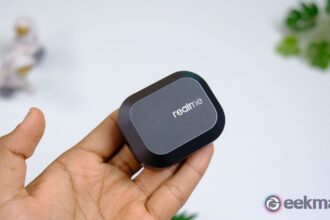
Its biggest competitor is the new Realme Air 7 Pro, which is also priced around ₹5,000. So obviously, no review is complete without comparing the two.
![OnePlus Buds 4 TWS Earbuds with Upto 55dB Real-time ANC,Adaptive Mode,Dual Drivers with Dual DACs,3D Audio,Upto 45hrs Music Playback,Dual-Device connectivity,47ms Low Latency[Zen Green]](https://m.media-amazon.com/images/I/41owDnldiGL._SL500_.jpg)

![OnePlus Buds 4 TWS Earbuds with Upto 55dB Real-time ANC,Adaptive Mode,Dual Drivers with Dual DACs,3D Audio,Upto 45hrs Music Playback,Dual-Device connectivity,47ms Low Latency[Storm Gray]](https://m.media-amazon.com/images/I/31qkAvKDWvL._SL500_.jpg)




OnePlus Buds 4 Specifications
- Drivers: Dual drivers — 11 mm woofer and 6 mm tweeter
- DACs: Dual DAC (one per driver)
- Frequency Response: 15 Hz to 40 kHz
- Audio Codecs Supported: Hi‑Res (LHDC 5.0, up to 1 Mbps), SBC, AAC
- Active Noise Cancellation (ANC): Up to 55 dB, adaptive noise cancellation
- Microphones: Triple-mic AI-powered noise reduction (claimed ~200% improvement over Buds 3)
- Battery Life (Earbuds only): Up to ~11 hours with ANC off; ~6 hours with ANC on
- Battery Life (with charging case): Up to ~45 hours (ANC off); ~37 hours (ANC on)
- Battery Capacity: Earbuds ~62 mAh each; Case ~520–530 mAh
- Weight: Each earbud ~4.7 g; Case ~40 g (total ~49 g)
- Water/Dust Resistance: Earbuds rated IP55; charging case has no official rating
- Connectivity: Bluetooth 5.4, dual-device pairing, Google Fast Pair, Steady Connect, low-latency Game Mode (~47 ms)
- Special Features: 360°/3D Audio, Golden Sound personalized tuning, EQ presets, BassWave, AI Translation (on supported OnePlus phones), in-ear detection, find-my-earbuds, camera control
- Color: Zen Green and Storm Grey
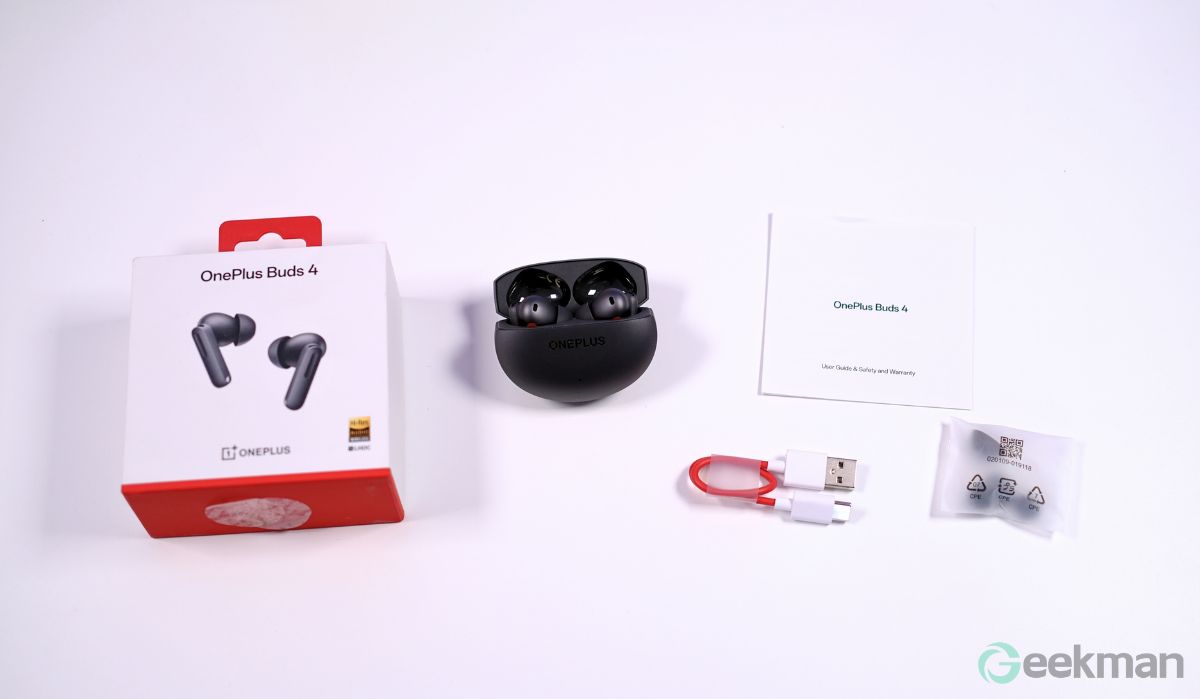
Box Content
- Earbuds
- USB Type-C Cable
- Paperwork
Design, Build & Comfort
The first impression of the OnePlus Buds 4 was quite positive. As soon as I tried them for the first time, I could immediately tell that they felt very similar to the OnePlus Buds 3 Pro. In fact, in almost every department—especially design and build—they seem nearly identical. But that’s actually a good thing, because now you’re getting the same premium experience in a more budget-friendly option.
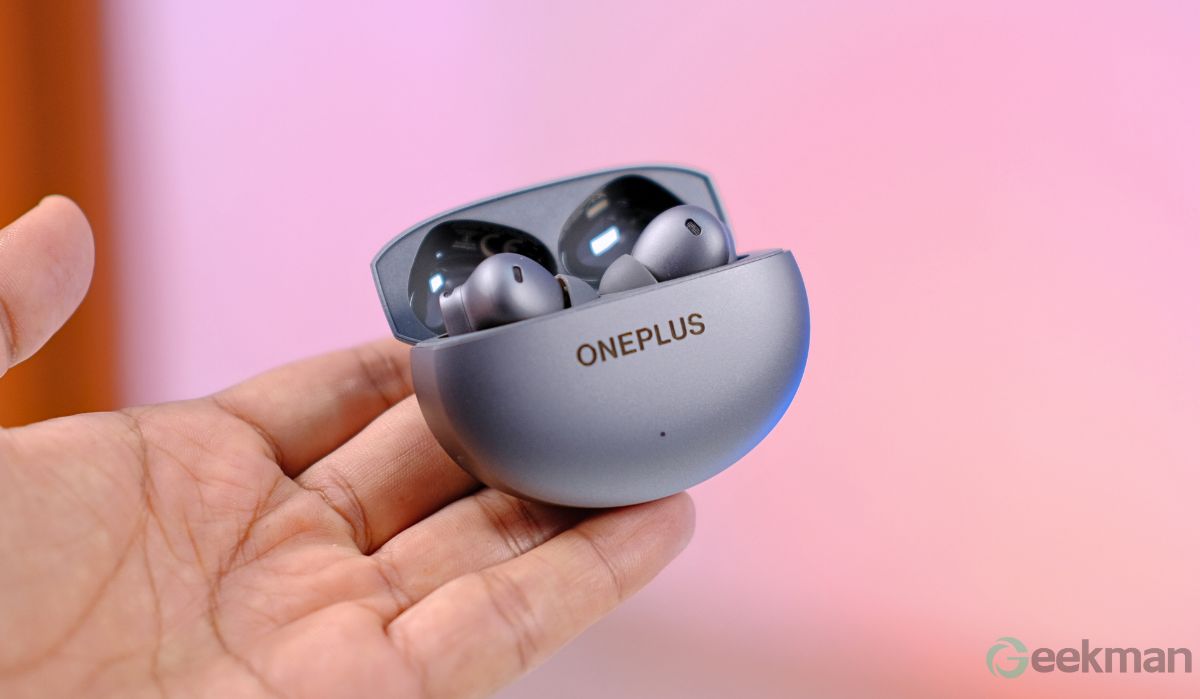
Interestingly, these buds are almost a complete clone of the Oppo Enco Free 4, which hasn’t launched in India yet. And maybe it never will, because the design and features of both are nearly the same.
Anyway, talking about design, the OnePlus Buds 4 looks really attractive and has a premium finish. The build quality is also impressive. It feels solid, strong, and durable—both the charging case and the earbuds give off a sturdy feel. So yes, you can expect them to last long.
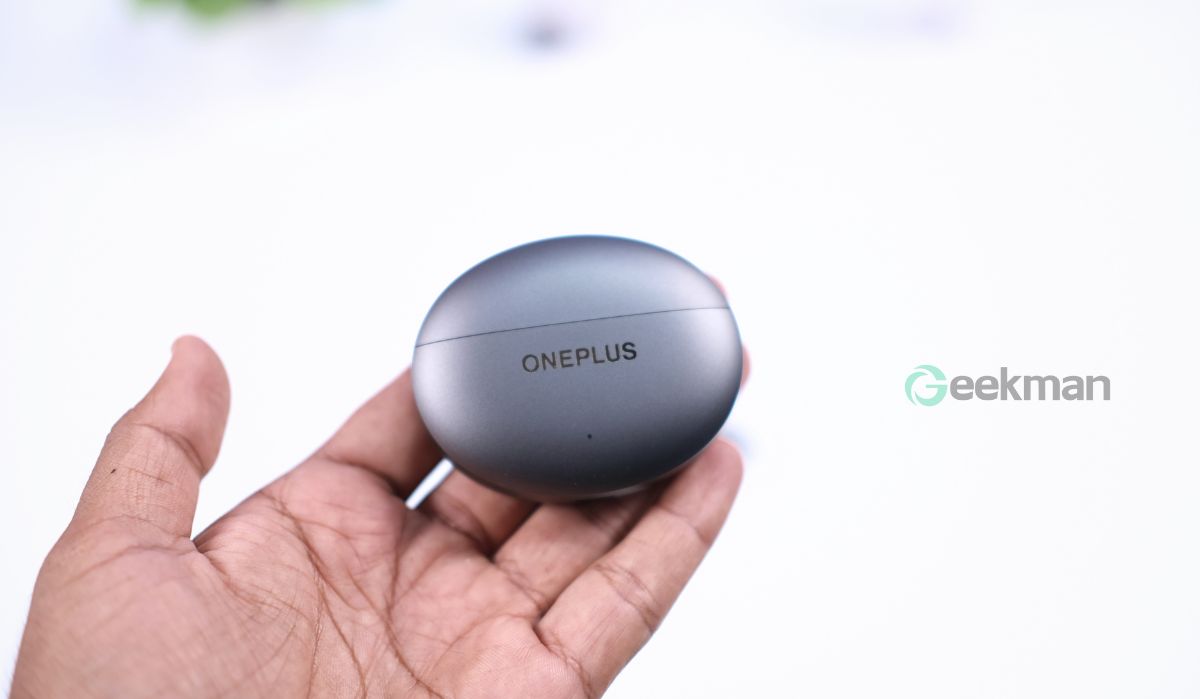
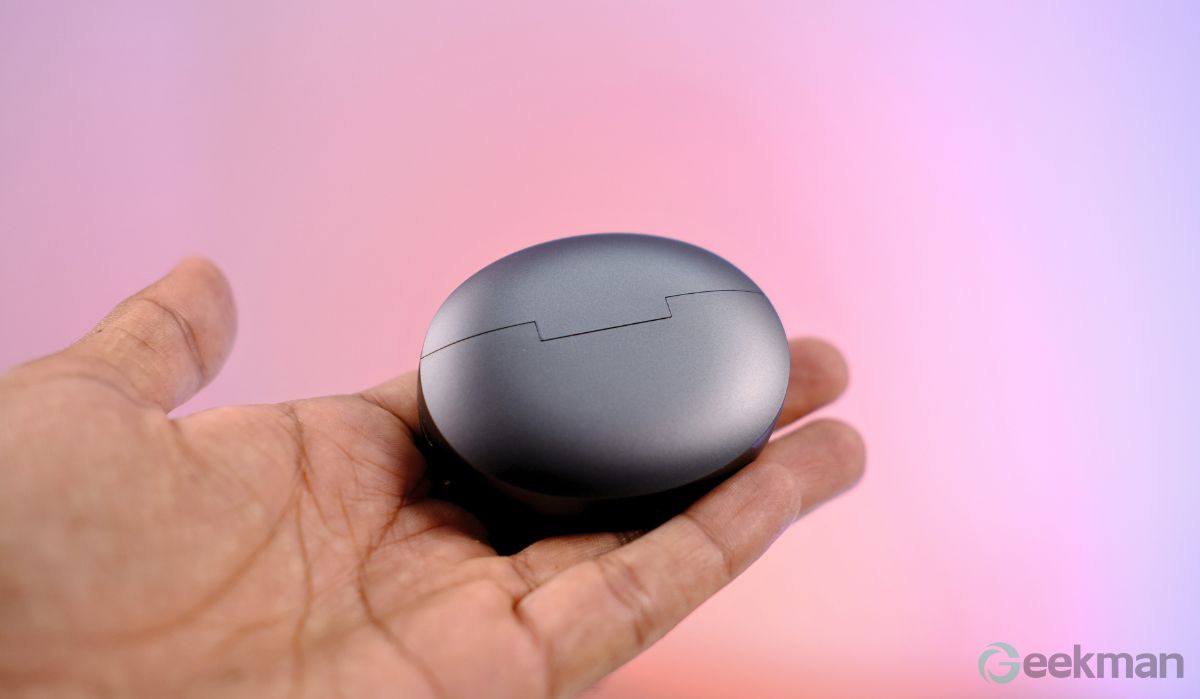
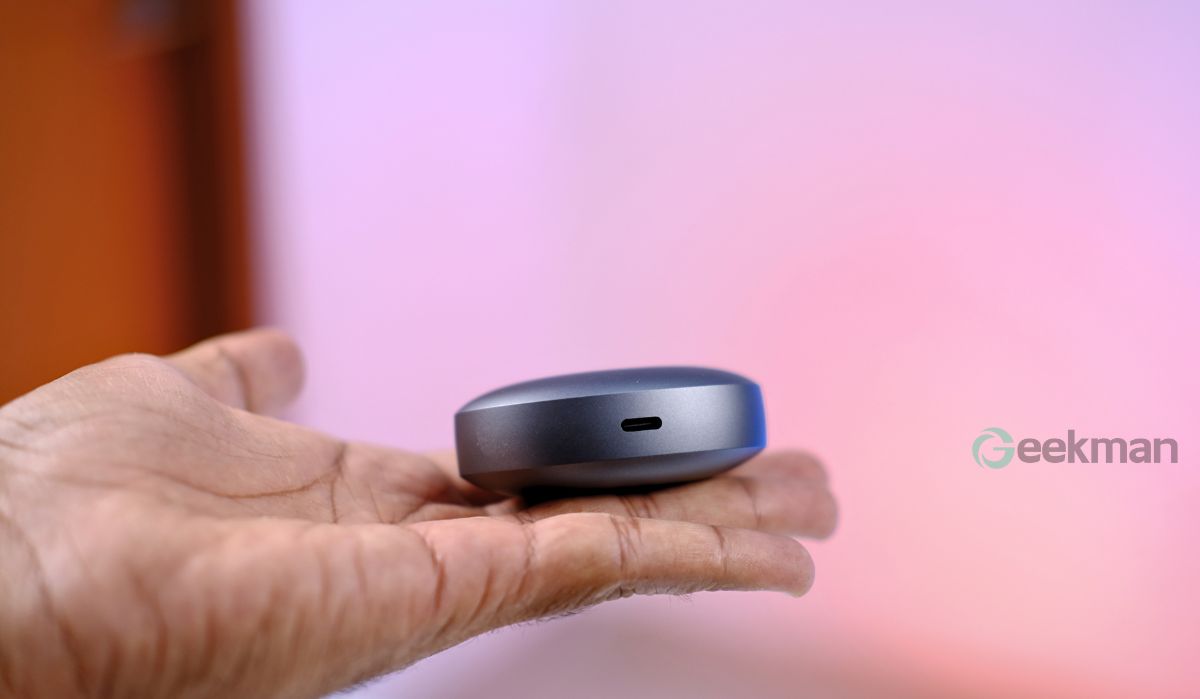
The case has a slim, compact, pebble-like shape with a matte metallic finish on top. Honestly, this is the kind of charging case design you’d hope for in a good pair of earbuds.
Another great thing is how lightweight they are. The case is compact and easy to carry in daily use. Each earbud weighs just about 4.2 grams, which makes them really comfortable to wear for long periods. You can easily use them for 3 to 4 hours at a stretch without any discomfort.
They also offer a secure fit, making them ideal for gym sessions, walks, or any physical activity. On top of that, the earbuds have an IP55 rating, so they’re protected against dust, sweat, and light rain. However, just like the previous model, the charging case still has no waterproof protection. OnePlus really could have added at least an IP52 rating for the case this time.

One feature that has been added this time, and which I personally found very useful, is the swipe control for volume. Along with the regular touch controls, you can now simply swipe up or down on the earbud stem to adjust the volume. It’s a very convenient feature, especially when you’re on the go. Compared to traditional touch controls, this makes things much easier and faster.

Interestingly, the new Realme Air 7 Pro also comes with this swipe feature, but for some reason, it doesn’t work as smoothly there. On the OnePlus Buds 4, however, the swipe gesture works perfectly without any issues.
ANC
Now let’s talk about the main highlight — Active Noise Cancellation (ANC). This is clearly one of the key selling points of the OnePlus Buds 4. It supports up to 55dB of noise cancellation and covers a frequency range up to 5500Hz, which is not only higher than the previous model, but also the highest in this price segment. Until recently, these kinds of specs were only seen in premium earbuds. But OnePlus has now brought it to the mid-range category.
In real-world usage, the ANC performance is genuinely impressive. I tested it both indoors and outdoors, and to sum it up in one line — this is the best ANC you can get at this price. You can adjust the ANC at four different levels depending on your environment. There’s also a transparency mode, which is slightly aggressive but still works well and sounds natural enough.
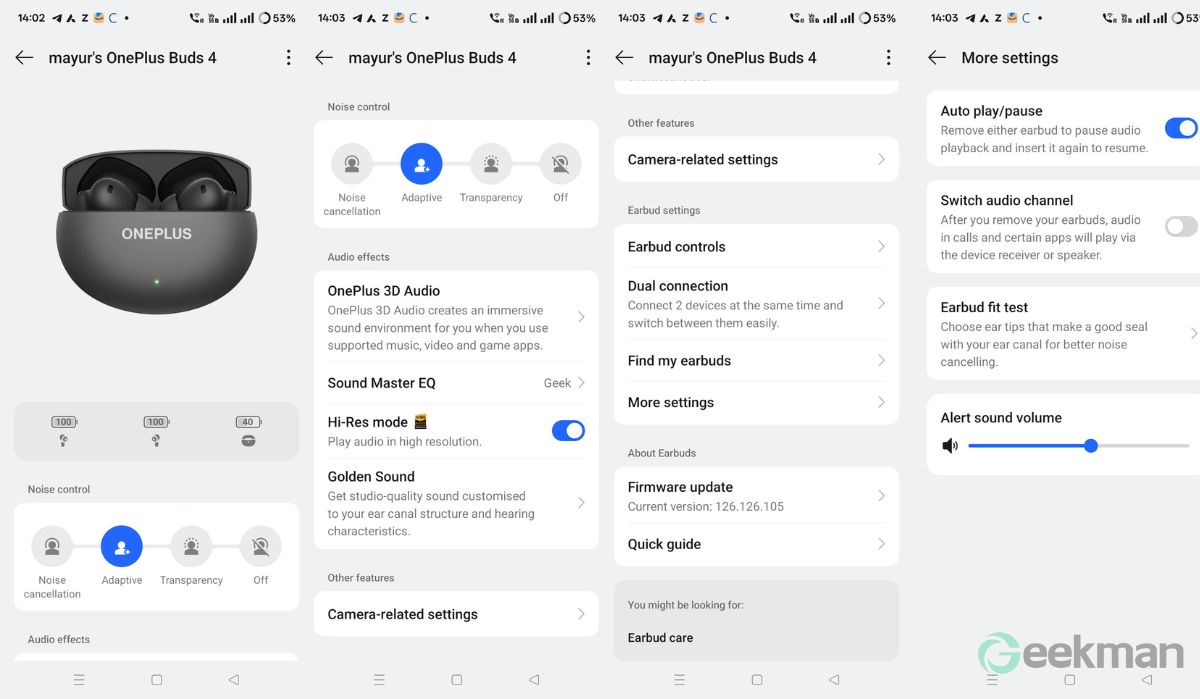
What really stands out is the addition of Adaptive ANC, which was earlier available only in premium earbuds. For those who don’t know, Adaptive ANC automatically adjusts the noise cancellation level based on your surrounding environment. So, if a mixer grinder or a drill machine suddenly starts near you, the earbuds will automatically increase the ANC to match the noise level.
This feature actually works, and works well. No major complaints. It’s true that the response time is a bit slower compared to AirPods Pro or other high-end earbuds, but overall, it’s effective and gets the job done without any problems.
App & Features
Coming to additional features, you’ll need to download the HeyMelody app to access all the settings and features. It’s available for both iPhone and Android. And this time, iPhone users don’t need to worry—all features are accessible even on iOS. If you’re using a OnePlus, Oppo, or Vivo phone, you won’t even need to download the app; all the options show up directly in the phone settings.
As for the features themselves—nothing new here. You’ll find all the standard options like touch control customization, dual pairing toggle, in-ear detection, find my earbuds, fit test, and even camera control. These are the same basic utility features we’ve seen in OnePlus Buds 3, Realme, and Oppo earbuds before.
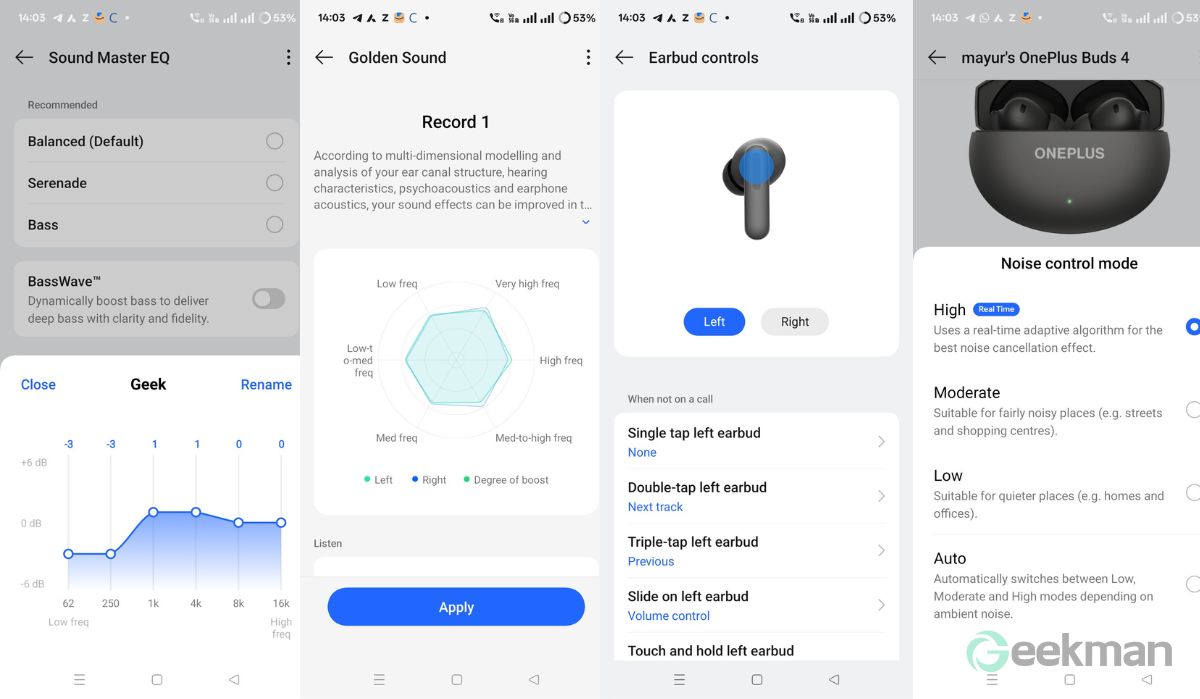
When it comes to audio features, there’s support for 360 Audio, custom EQ, a few preset sound profiles, Adaptive Bass mode, Hi-Res Audio toggle, Golden Sound mode, and a low-latency gaming mode. Out of all these, I’d highly recommend trying Golden Sound, Hi-Res, and 360 Audio—they genuinely enhance the listening experience.
You also get support for Google Fast Pair, and there’s a Live AI Translate feature, though it’s not exactly new—it basically works like any standard live translation app. Also, keep in mind, this feature only works on OnePlus smartphones.
As far as connectivity and Bluetooth range, I didn’t face any issues—it’s stable and reliable. However, there was one small issue I noticed. Every time you disconnect and reconnect the earbuds, some settings—like Hi-Res Audio, Golden Mode, and 360 Audio—reset and have to be manually turned back on. That can get a bit annoying.
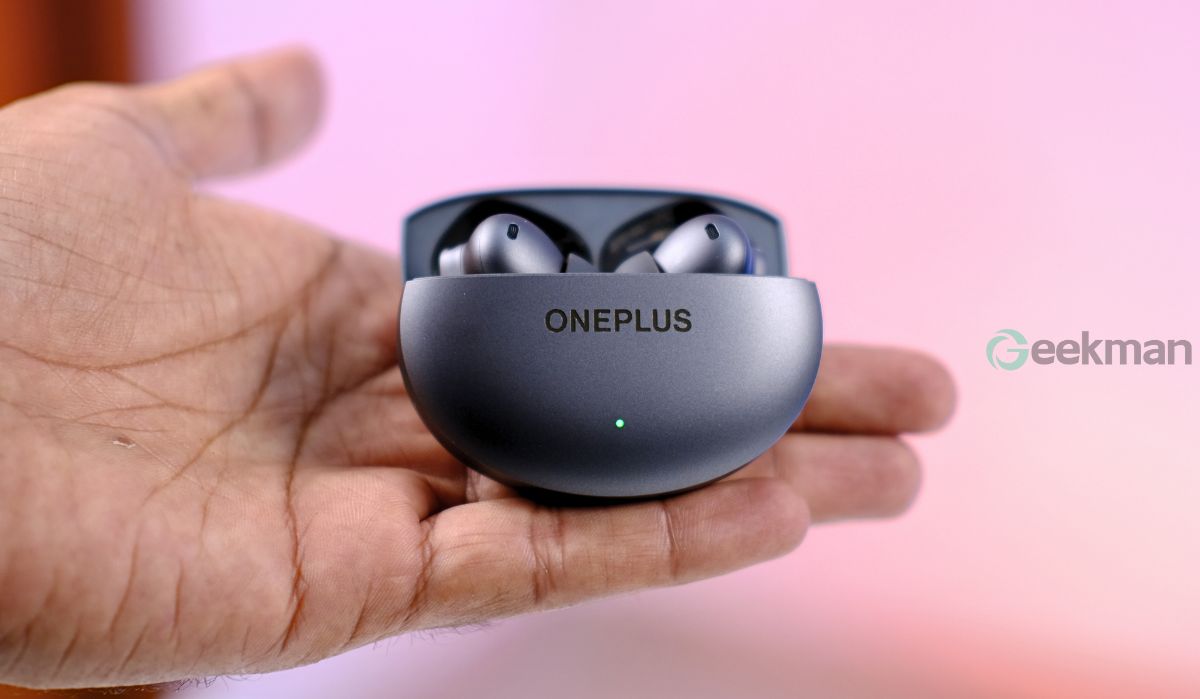
I’m not sure if it’s just happening with my device, or if others are experiencing the same. If you’re using these earbuds, do share your experience in the comments. Hopefully, this will get fixed with a future firmware update.
Microphone
One area where I noticed a clear improvement is the microphone performance. According to OnePlus, the Buds 4 offers up to 200% better voice cancellation compared to the previous generation. And honestly, in real-world usage, there is a noticeable difference.
Even though the OnePlus Buds 3 already had a decent microphone, the Buds 4 takes it a step further. I tested it in both indoor and outdoor environments, and the results were impressive.
Indoors, the microphone picks up voice clearly and warmly without needing to speak loudly. It manages to suppress background noises like keyboard typing or PC fan noise quite well, so your voice stays clear and natural during calls or meetings.

Outdoors, it handles background and wind noise decently. While it doesn’t completely eliminate every sound from the surroundings (which is normal at this price point), it does a good job of reducing unwanted noise enough to keep your voice understandable and prominent.
Overall, the microphone is definitely one of the strong points of the OnePlus Buds 4. Whether you’re taking calls inside your room or walking on a busy street, it ensures your voice stays clear and easy to hear, making it a great choice for regular calls, meetings, and even voice messages on the go.
Battery
The battery backup on the OnePlus Buds 4 is actually quite good. I won’t go by the company’s official claims—rather, I’ll share my real-world experience from three days of testing. I usually keep ANC off, and I always have Hi-Res Audio and LDAC codec turned on. With that setup, I got around 5 to 6 hours of playback time, which is pretty solid.
If you keep both ANC and Hi-Res Audio off, you might be able to get close to the company’s claimed 11 hours, but realistically, with ANC and Hi-Res on and volume at 50%, expect around 5–6 hours of usage per charge. And honestly, that’s better than most competitors in this price range.
The charging case comes with a 530mAh battery, which means you can get around 30 hours of total playback timeincluding the case. It also supports fast charging, which can give you up to 11 hours of total playback with just 10 minutes of charging—a super handy feature.
Sound Quality
Now finally, let’s talk about the most important part — sound quality.
Just like the premium OnePlus Buds 3 Pro, the Buds 4 also comes with a dual driver setup, featuring a 12mm dynamic woofer diaphragm and a 6mm flat tweeter. What makes it even better is that both drivers have separate DACs — yes, this one has dual DAC support. It also supports Hi-Res Audio, covering a wide frequency range from 15Hz to 40kHz, along with LDAC 5.0 support.
So, on paper, the specs are already very promising. Honestly, in this price range, it’s hard to find another pair of earbuds offering this kind of audio hardware.
Now let me explain the sound quality in a simple way. The overall audio output is loud and clear — even 50% volume feels more than enough. The bass response is strong and powerful, which has now become a kind of signature sound for OnePlus. The bass is punchy, detailed, and well-controlled.
It handles low bass extremely well — you can actually feel a subwoofer-like rumble, which adds a lot of energy to your music. And despite the powerful bass, it doesn’t overpower the mids. If you’re a bass lover, you’ll probably find this one of the best options in this price range.
The mid and high frequencies are also quite decent. The instrument separation is good, so the heavy bass doesn’t interfere too much with the vocals or instruments. The mids have enough space and clarity, and vocals sound natural and detailed. Sometimes, the sub-mids can be slightly affected due to the boosted bass, but if that’s not your preference, you can always tweak the sound using the equalizer — it’s nothing to worry about.

As for the treble, it’s clean and detailed without being too sharp. There’s no harshness or ear fatigue, even during long listening sessions.
Overall, the sound signature is energetic, engaging, and fun to listen to. Most users will enjoy it, especially those who love a bass-heavy sound. But even people like me, who prefer a balanced audio profile, won’t be disappointed. The drivers are capable, and with the help of EQ, you can tune them just the way you like.
OnePlus Buds 4 Good For Gaming?
And yes, I’d even recommend these earbuds to mobile gamers. Thanks to the latest Bluetooth 5.4 and the presence of a low-latency gaming mode, there’s no noticeable delay during gameplay. Plus, the lower frequencies are nicely boosted, and the midrange has enough space, which really helps in picking up subtle in-game sounds. So for gaming too, the OnePlus Buds 4 is a solid option.
Worth To Buy OnePlus Buds 4?
The OnePlus Buds 4 is clearly a solid upgrade over its predecessor. With premium features at a mid-range price, it brings together a well-rounded experience that includes powerful ANC performance, reliable battery life, good microphone quality, and a stylish, premium-looking design. All of this makes it one of the strongest contenders in the under-₹6,000 wireless earbuds category.
Sure, the default sound tuning leans towards heavy bass, which might not suit everyone’s taste. But the good news is that the earbuds come with custom EQ support, so you can easily tweak the sound profile to match your personal preferences.
If you’re looking for a feature-rich, well-designed, and great-sounding pair of earbuds without spending a fortune, the OnePlus Buds 4 is definitely worth considering. Whether it’s for music, calls, workouts, or even gaming, it handles everything with ease — making it one of the best all-rounders in its price segment.
OnePlus Buds 4 vs Realme Air 7 Pro vs Others
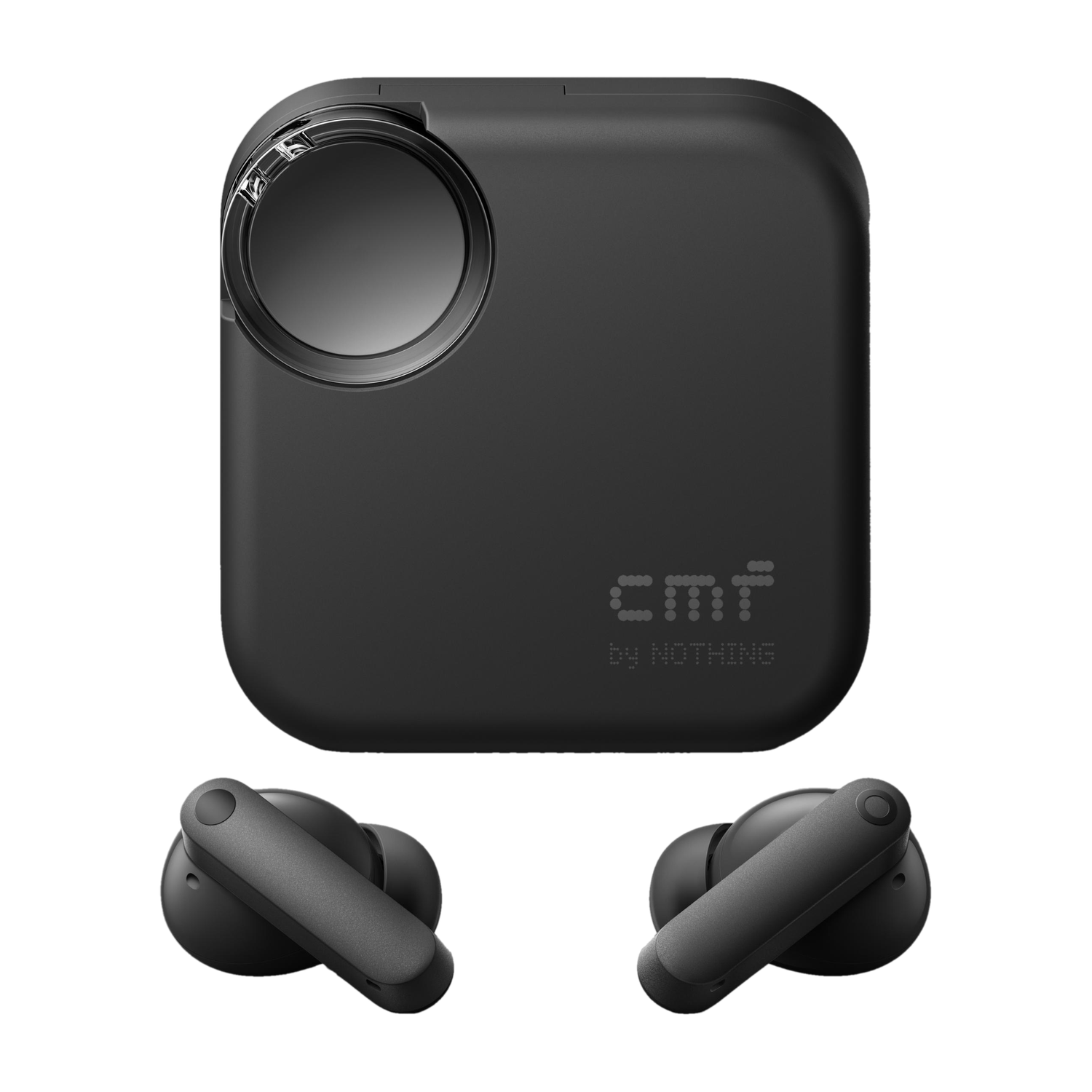
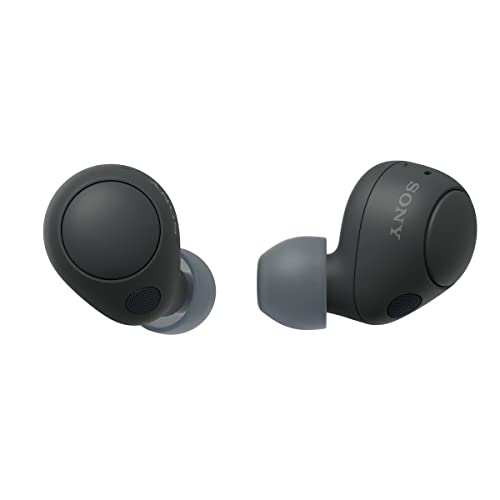
In this price range, the OnePlus Buds 4 faces competition from a few notable models like the Realme Buds Air 7 Pro, CMF Buds 2 Plus, Oppo Enco Air 3 Pro, and Sony C700N. But let’s keep it short and practical.
Starting with the CMF Buds 2 Plus, I tested them alongside the Buds 4, and frankly, they don’t feel on the same level in terms of overall experience—so not a serious competitor here.
The Sony C700N offers decent sound quality, but there’s not a huge difference compared to the Buds 4. However, when it comes to features and overall package, it falls behind, making it hard to recommend in this comparison.
Now, the Oppo Enco Air 3 Pro has been one of my favorite picks in this price segment due to its balanced and natural sound signature. But it doesn’t match the OnePlus Buds 4 when it comes to ANC performance or battery life. Plus, it’s often out of stock, so availability itself is a concern—no point focusing on something you can’t easily buy.
That leaves us with the Realme Buds Air 7 Pro — the only true competitor to the OnePlus Buds 4 right now. Both offer very similar features and sound quality, so choosing between the two depends on your personal preferences.
In terms of design, I found the OnePlus Buds 4 to be slightly more premium and compact. Price-wise, Realme Buds Air 7 Pro usually has a slight edge, often selling at a bit lower price. In my tests, ANC performance was just a bit better on the OnePlus Buds 4—not a huge difference, but noticeable.
As for battery life and microphone quality, both are quite good and reliable. In sound quality, I personally felt the Realme Buds Air 7 Pro had a slight edge, as it offers a more balanced and natural tuning, whereas the Buds 4 leans more toward heavy bass.
So in the end, it all comes down to your priorities. If you prefer strong bass, better ANC, and don’t mind spending around ₹500 extra, the OnePlus Buds 4 is the better pick. But if you’re more into natural sound and value for money, the Realme Buds Air 7 Pro is also a great option.







After 2-3 videos, i found the perfect details review..thank you