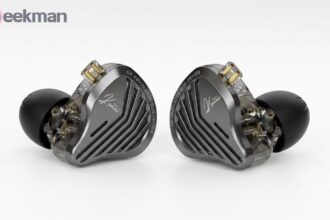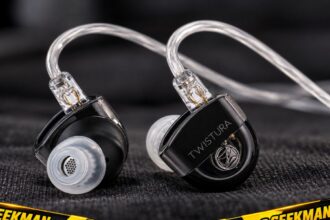

A few months back I called the KZ Castor Pro the best IEM for first-time buyers. I still stand by that. Then the KZ Duonic landed on my desk, and things got complicated.
On paper this thing sounds made up. Four tuning switches on the shells. A Type-C cable with its own DAC and four DSP sound modes. And a planar driver sitting next to an 8mm dynamic one, at a price where most IEMs give you a single dynamic driver and call it a day. Do the maths and you get 20 different sound settings in one IEM.
I’ve used the Duonic for a long stretch now: music, Netflix, BGMI, Valorant and calls. This review covers which version to buy (this matters more than you’d think), what the switches and modes actually do, how it sounds next to the Castor Pro, and where it lands against the Tangzu Red Lion, CCA Phoenix, Moondrop Chu II and the rest of the under ₹3,000 crowd.
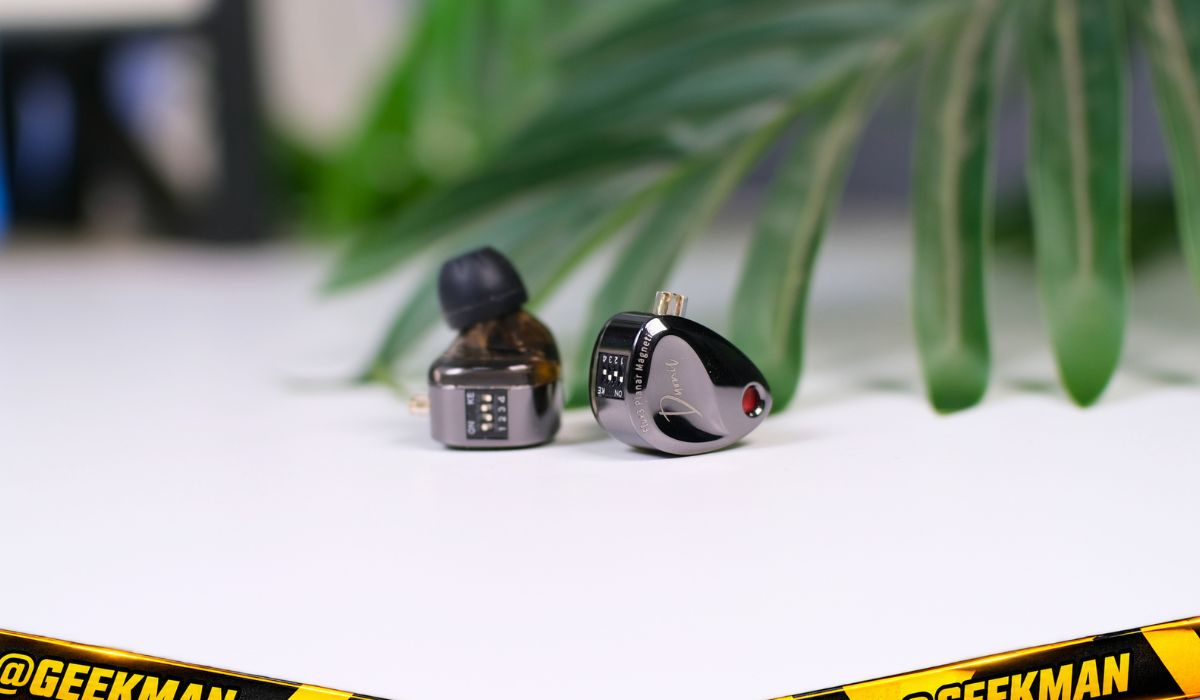
KZ Duonic specs at a glance
| Spec | KZ Duonic |
|---|---|
| Drivers (per side) | 1 Flux3 tri-magnet planar driver + 1 8mm dynamic driver |
| Sensitivity | 103dB |
| Impedance | 24Ω (22 to 28Ω on the switch version) |
| Tuning | 4 DIP switches (Bass Improved version) |
| Plug options | 3.5mm, or Type-C with built-in DAC and 4 DSP modes |
| Cable connector | 0.78mm 2-pin, detachable |
| Mic | Inline dual 6mm condenser mic (mic versions) |
| Shell | Resin body with a metal faceplate |
| Price in India (Nov 2026) | About ₹1,800 to ₹2,000 for 3.5mm, about ₹2,500 to ₹2,800 for Type-C DSP |
Which KZ Duonic should you buy: 3.5mm or Type-C DSP?
Open any store page and you’ll see a mess of options: standard or bass improved, with mic or without, 3.5mm or Type-C. Ignore most of it. There are really just two choices that change your experience, and both come down to the plug.
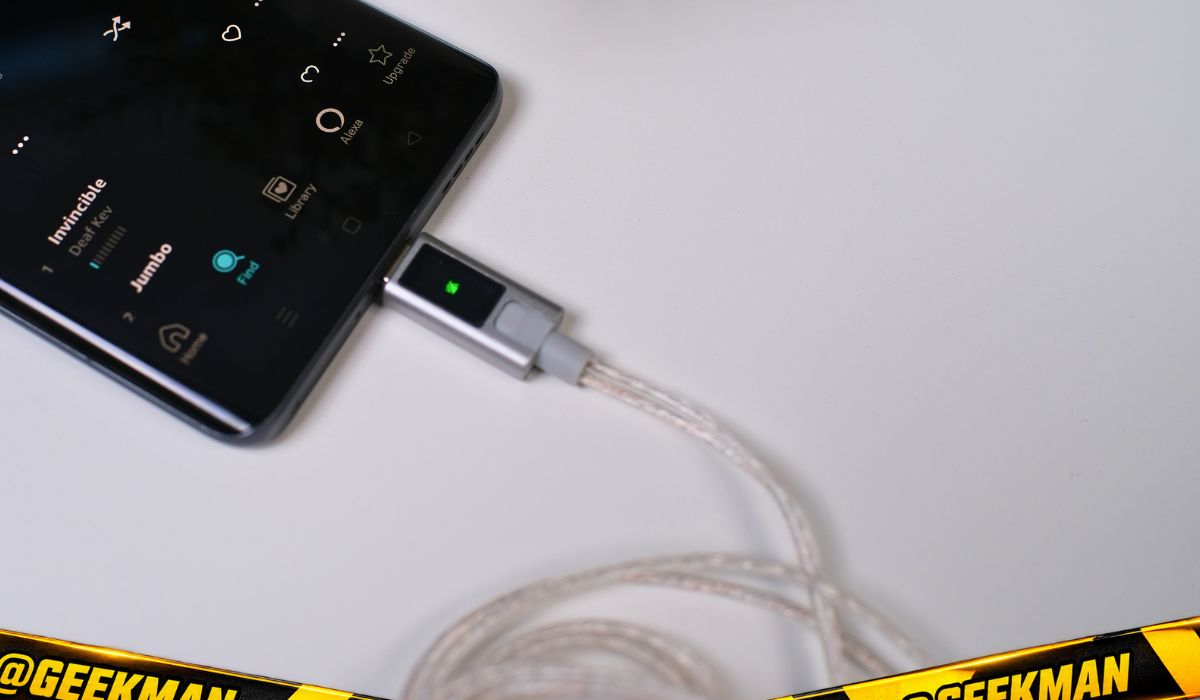
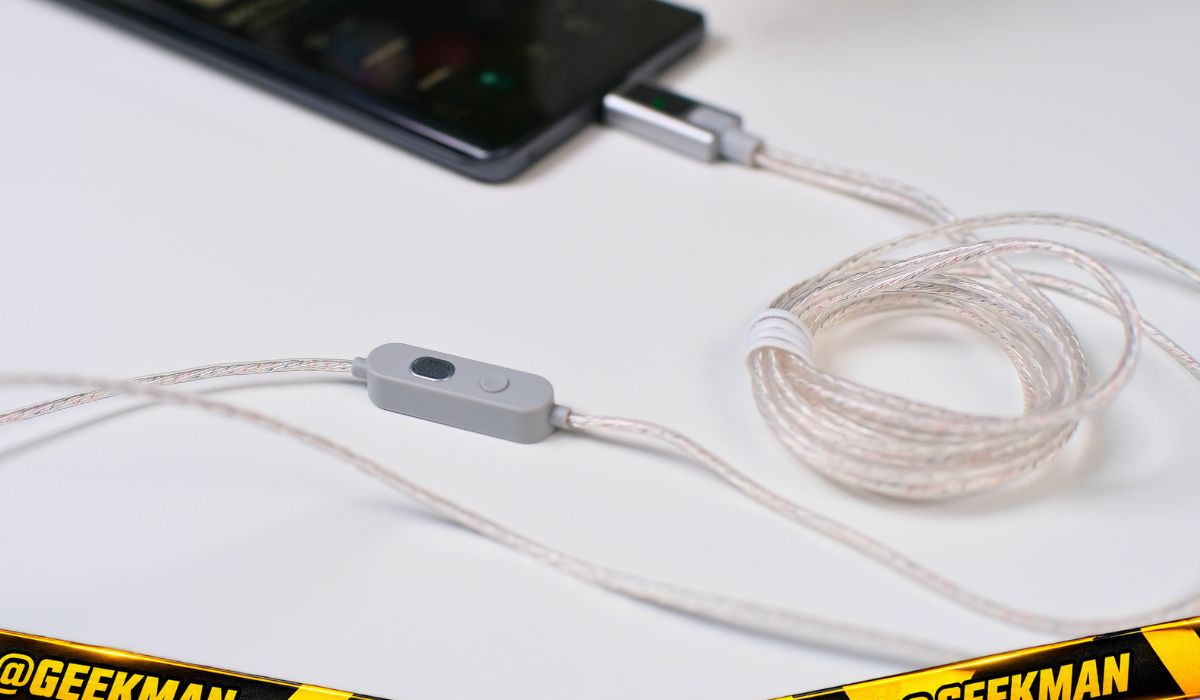
Plugs straight into your phone. The cable has its own DAC and a small button that cycles through 4 DSP modes. A tiny LED near the plug lights up the KZ logo in a different colour for each mode, which honestly looks pretty cool.
Get this if it’s your first IEM and you don’t own a DAC dongle.
A normal analog cable. You still get the 4 switches, but no DSP modes. It’s noticeably cheaper.
Get this if you already use a DAC dongle or your phone or laptop still has a headphone jack.
Whichever plug you pick, choose the black “Bass Improved with switch” variant. Some stores also sell a silver version without tuning switches. I haven’t tested that one, but without the switches you lose half of what makes the Duonic interesting, so I’d skip it.
“KZ Duonic 3” is not a new model. Some sellers list it as “Duonic 3” because of the three magnets in its planar driver. It’s the same IEM. There’s also no Duonic 2 that I could find, so don’t wait for one.
20 sounds in one IEM: switches and DSP modes explained
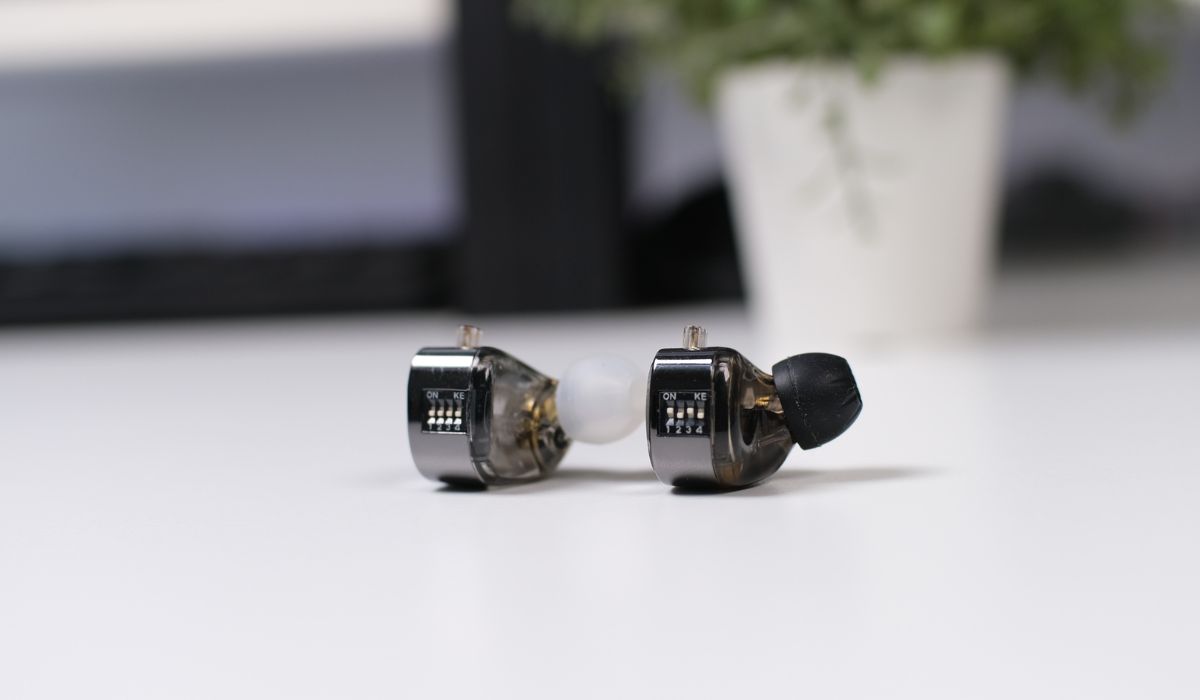
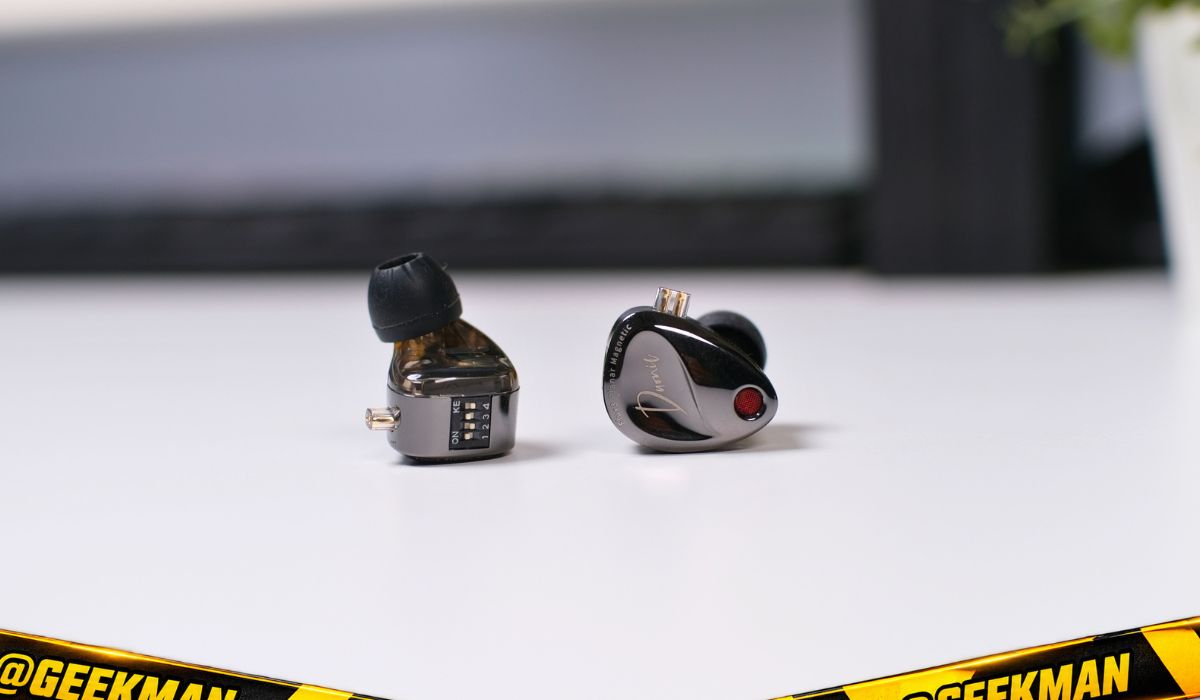
There are two layers here. The first is hardware: four tiny DIP switches on each earpiece that you flip with the pin KZ puts in the box. They work exactly like the ones on the Castor Pro.
| Switches ON | What changes |
|---|---|
| All off | Basic KZ tuning |
| Switch 1 | Bass +1dB |
| Switch 1 + 2 | Bass +2dB |
| Switch 3 | Mids and highs up by 1 level |
| Switch 3 + 4 | Mids and highs up by 2 levels |
Be realistic about the switches. A 1 to 2dB change is something you’ll hear, but it won’t transform the IEM. The big jumps come from the second layer, the DSP modes on the Type-C cable.
The measurements show it clearly. Going from switches 1 and 2 on to switches 3 and 4 on changes the bass below 100Hz by about 4 to 5dB, while the treble barely moves.
One honest note: these are four fixed presets. There’s no app and no sliders, so this isn’t a custom EQ. If you want full EQ control, the Tanchjim Bunny Type-C gives you an app. For most people, though, four good presets plus switches is plenty.
My go-to settings
| What you’re doing | DSP mode | Switches |
|---|---|---|
| Everyday music (my favourite) | Standard | 1 and 3 ON |
| Movies and Netflix | Hi-Fi (blue) | 1 and 3 ON |
| BGMI, Valorant, CoD | Immersive Gaming (red) | All off, or 3 ON |
| Gym and bass-heavy playlists | Bass Boost (green) | 1 and 2 ON |
| Treble feels too bright | Bass Boost or Hi-Fi | 3 and 4 OFF |
| Want vocals a bit closer | Hi-Fi (blue) | 3 and 4 ON |
Why 1 and 3? Switch 1 adds a touch of bass and switch 3 brings vocals slightly forward. Together they made the Duonic sound right for almost every kind of music I threw at it, from Bollywood to EDM.
What is a planar driver, and why is it rare at this price?
Think of a normal dynamic driver as a tiny speaker cone. A coil sits behind it and pushes the cone from the centre. When the sound changes very fast, like a hi-hat or a footstep, the centre of the cone moves first and the edges follow a moment later. Fine detail can blur a little.
A planar driver has no cone. It’s a thin flat film with the coil pattern printed across its whole surface, sitting between magnets. The film gets pushed evenly everywhere at once. Picture shaking a bedsheet by pinching its middle, versus lifting the entire sheet evenly. That’s the difference, and it’s why planars tend to sound fast and clean up top.
In the Duonic, the planar handles the mids and treble while the 8mm dynamic driver takes care of the bass. Some sellers advertise “3 planar drivers”. That’s wrong. “Flux3” means one planar driver built with three magnets.
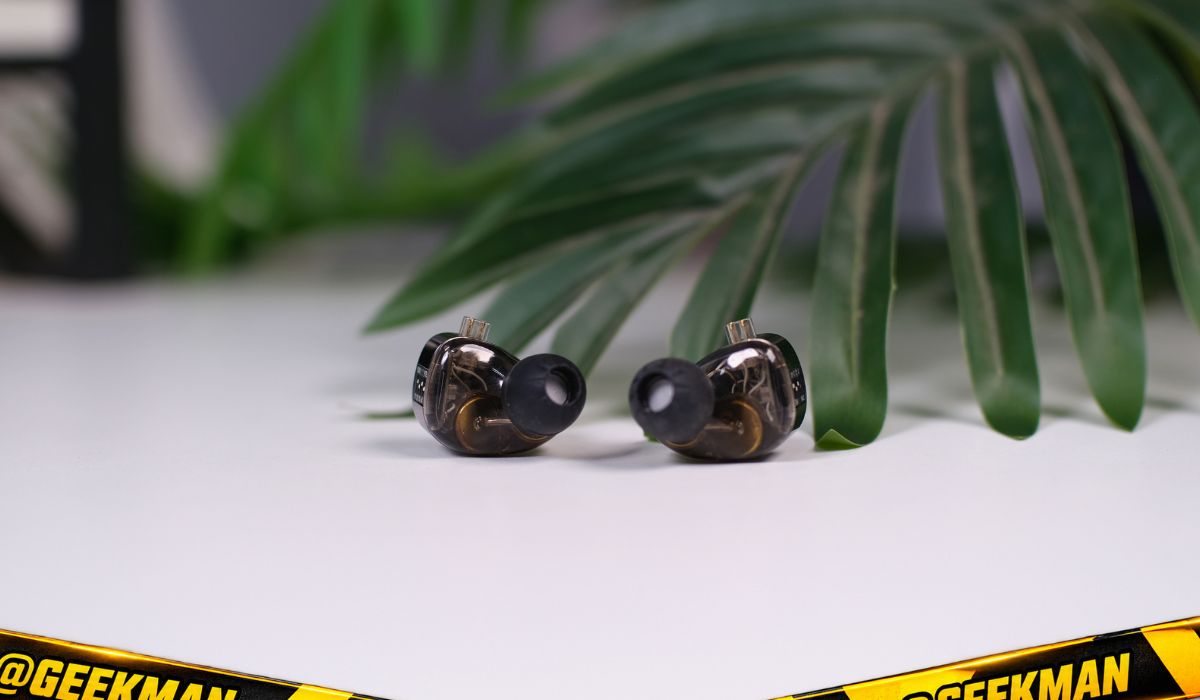
Under ₹3,000 this is rare. The only other planar option I found in the same price band is the GK Streak, which uses a small micro-planar tweeter. One caveat: planar does not automatically mean better. Tuning matters more, and a ₹2,500 planar won’t sound like a ₹30,000 one. The planar’s advantage shows up mostly in the higher frequencies.
KZ Duonic sound quality
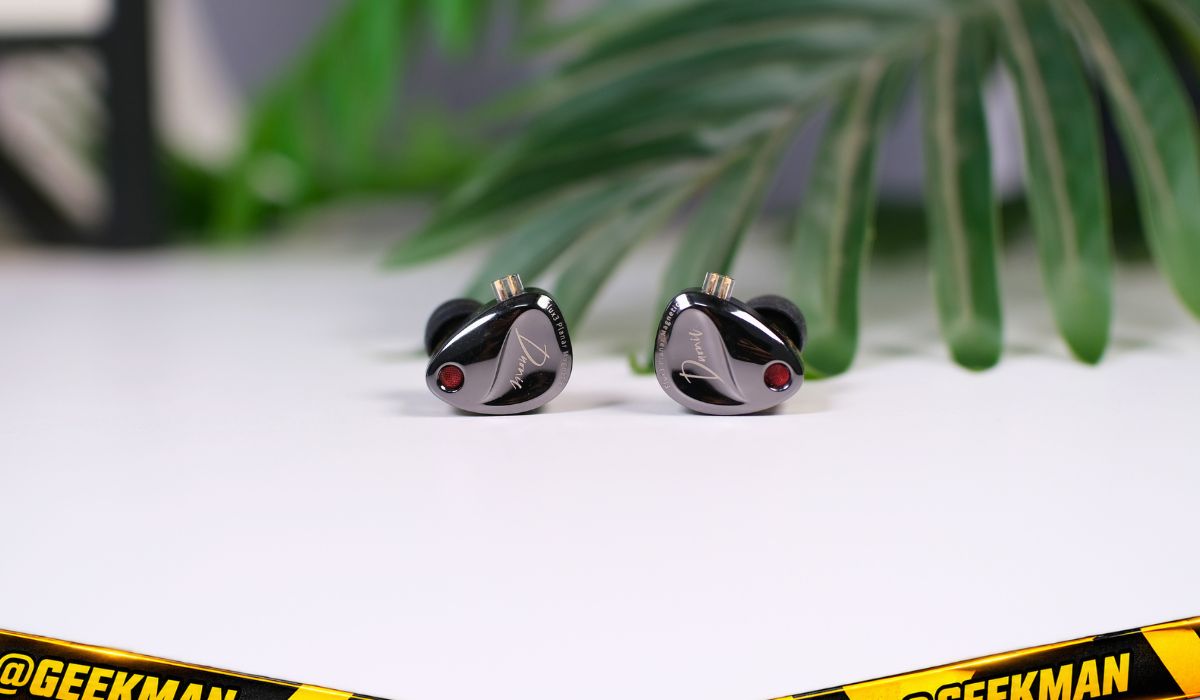
The Duonic has a fun, energetic V-shaped tuning. The bass is punchy, the mids are clean but sit a step back, and the treble has a shimmer and an airy feel from the planar driver that I really enjoyed. My impressions below are with the Standard mode and switches 1 and 3 on, unless I say otherwise.
The graph matches what I heard. The bass sits 4 to 5dB up around 100Hz. The lower mids dip about 3dB between 500Hz and 1kHz, which is why vocals feel a step back. The 2 to 3kHz rise is gentler than the Harman target, so vocals never get shouty. Up top there’s a dip near 8kHz and a lift around 10kHz, and that lift is the sparkle you hear on cymbals.
Bass: the best part
The sub-bass has both rumble and thump, and the mid-bass hits hard. Next to the Castor Pro, the difference is easy to hear. The Castor Pro’s bass is deeper, slower and more controlled. The Duonic’s bass is more forward and punchier. It hits fast and feels stronger, even with all the switches turned off.
Personally, I like the Duonic’s bass more. If you want a slow, deep rumble, the Castor Pro is the better fit. If you’re a basshead or just want a fun, energetic sound, the Duonic wins. And despite all that punch, the bass doesn’t swallow the vocals. A little bleed is there, as with most V-shaped IEMs, but it never bothered me in actual listening.
Against the rivals: the Red Lion’s bass is good but a bit loose, the Salnotes Zero lacks depth, and the Phoenix, Chu II and Bunny simply aren’t made for bassheads.
Mids and vocals: natural, but a step back
Vocals sound natural and clean, with an organic, slightly warm feel. This is clearly not a vocal-forward IEM, and next to the Castor Pro the Duonic’s vocals sit a little further back.
The DSP modes help here. Male vocals sounded best to me in Hi-Fi (blue), and female vocals in Hi-Fi or Bass Boost (green). Switches 3 and 4 also pull vocals closer. You can get pretty close, but if vocals are your number one priority, the Moondrop Chu II or the Tangzu Red Lion are still the better buys.
Treble and detail: where the planar earns its place
This is where the planar driver shows up. The Duonic has clearly more clarity and sharpness than the Castor Pro, plus a shimmer that’s rare at this price. It sounds airy, and micro details come through nicely. Tracks with lots of high instruments (cymbals, guitars, strings) are a real treat on it.
The flip side: some people will find the treble a little too bright, especially in Standard mode. If that’s you, keep switches 3 and 4 off and use Bass Boost or Hi-Fi mode. That’s the fix I’d suggest. The CCA Phoenix is still my favourite for pure treble detail in this range, but the Duonic is right up there with it.
Soundstage and imaging
The soundstage is wide and spacious, and the imaging is even better. You can tell where each instrument sits and how much space there is between them. The Phoenix and Truthear Gate have a slightly wider stage, but the Duonic isn’t far behind, and that imaging is a big reason it works so well for gaming.
Gaming performance and mic quality
I played BGMI and Valorant with the Duonic, and it’s a genuinely good gaming IEM. Footstep direction is easy to pick out, and the extra treble detail from the planar helps a lot with that. The bass is strong too, so vehicle blasts and grenade explosions actually feel fun instead of flat. Switch to Immersive Gaming (red) and the stage opens up a little more.

The Type-C variant also has a good mic. It’s a dual 6mm condenser mic, which you rarely see on IEMs or wired earphones at this price. Calls sounded clear on my end. For mic quality, I’d put it in the best category under ₹3,000. Just don’t expect it to block out a noisy street completely.
If gaming is your main use, also look at our list of the best wired gaming earphones in India .
Build, comfort and cable
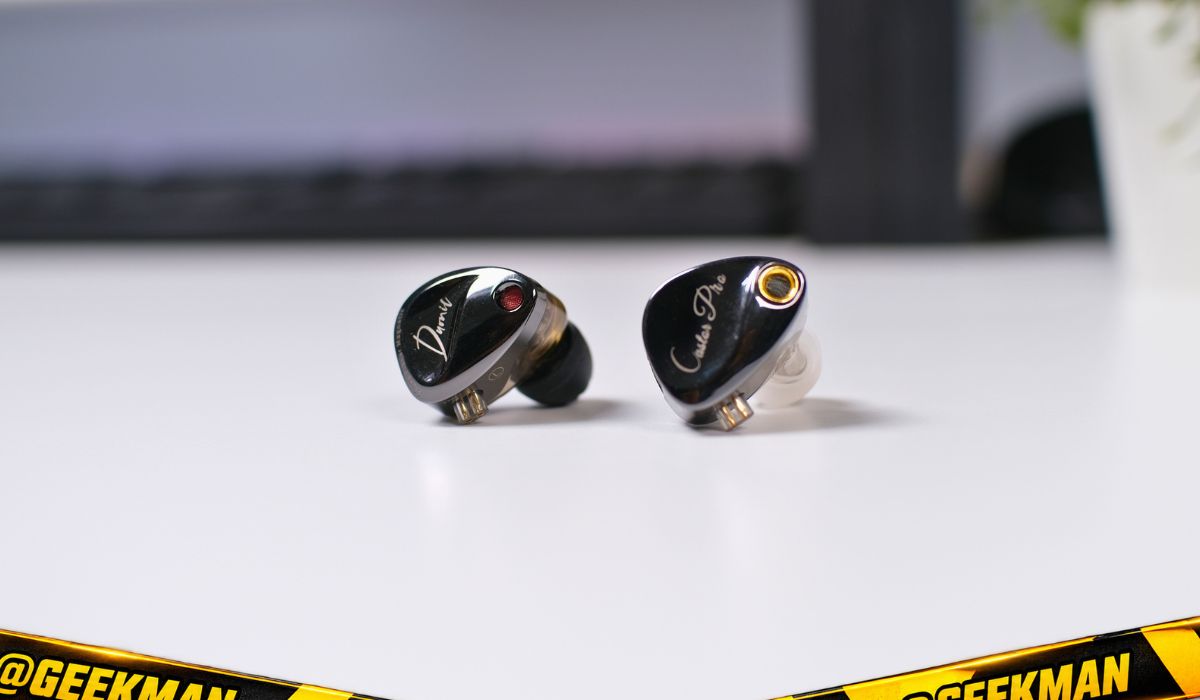
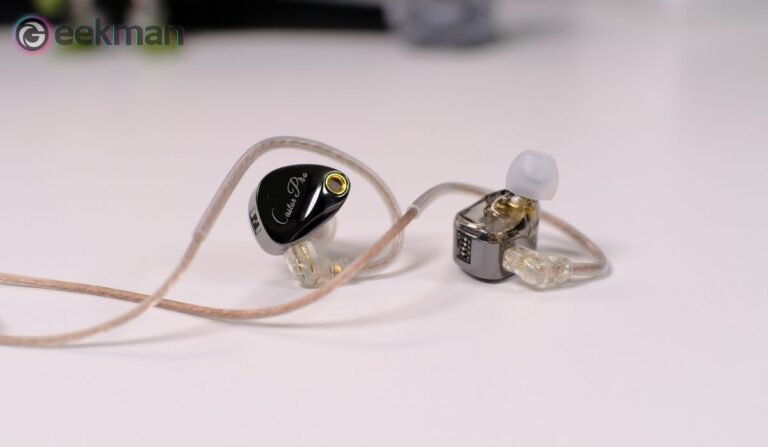
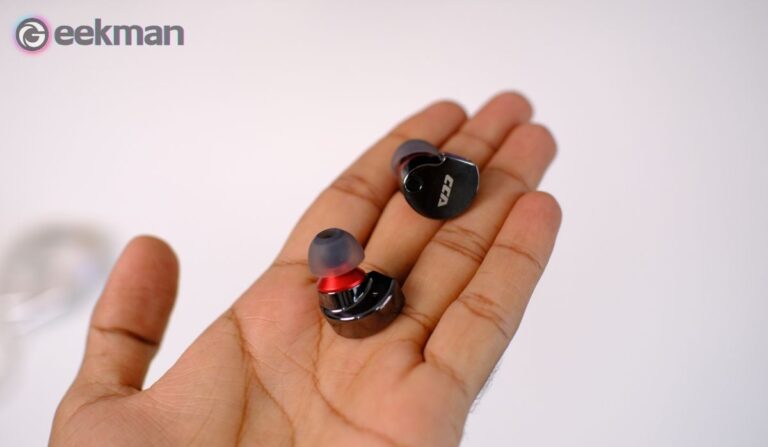
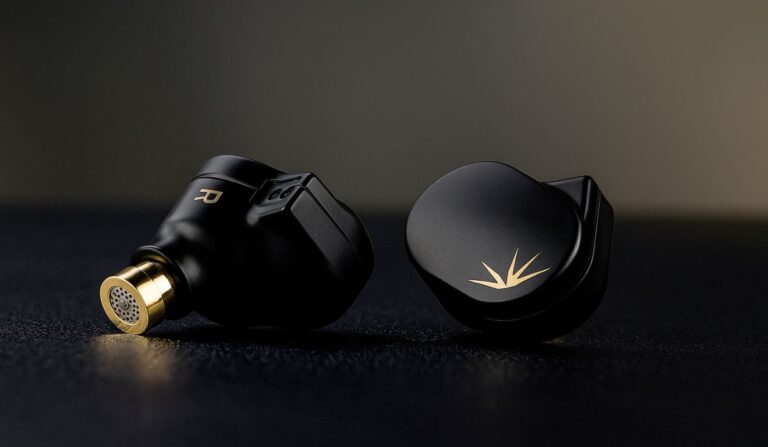
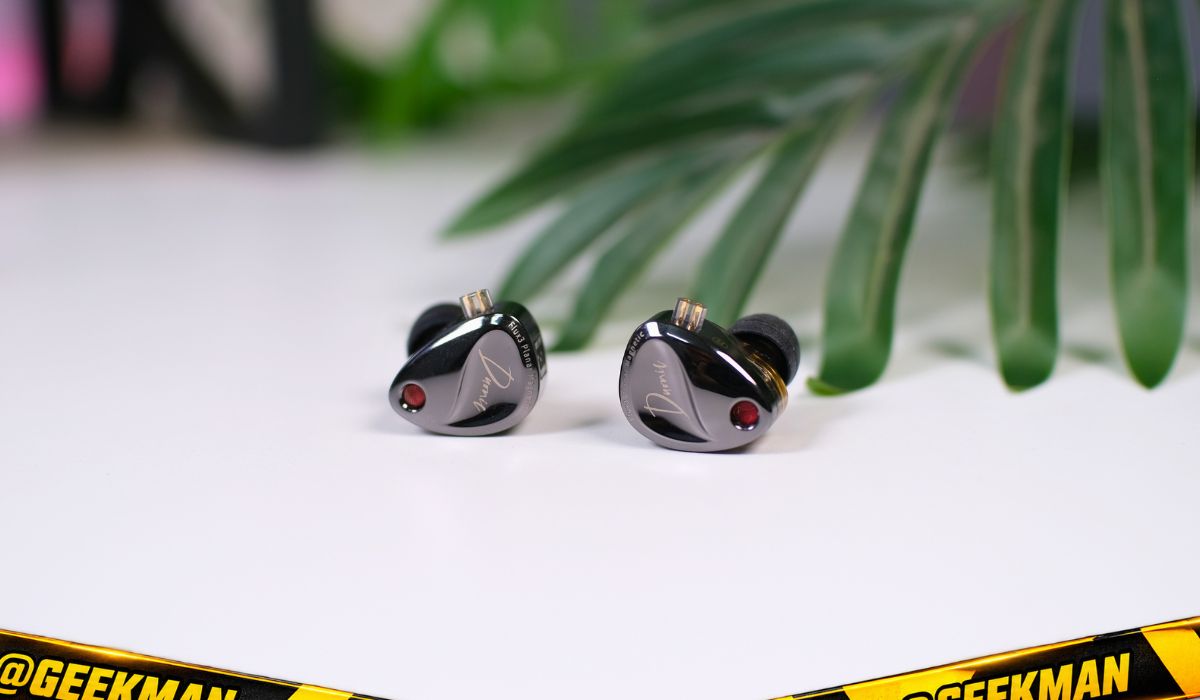
The build is good: a resin body with a metal faceplate and a red vent. Design-wise, I don’t find it especially attractive. It looks a lot like the Castor Pro and doesn’t stand out much. Comfort is where it shines, though. The Castor Pro’s zinc-alloy shell was quite heavy, and I said in my review that comfort wasn’t its strong point. The Duonic is much lighter and a bit smaller, so it’s more comfortable than most IEMs at this price. If your ears are comfort-sensitive, you’ll like this one.

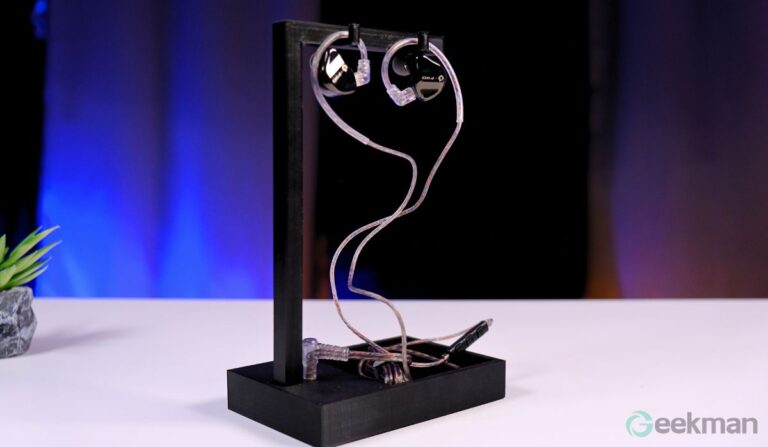
The stock cable is decent. It’s thick, but it’s not fully tangle-free. At this price I can’t complain too much, although a few IEMs do ship with nicer cables. The stock tips are wide-bore, which keeps the sound airy. If you want tighter bass, try narrow-bore tips.
KZ Duonic vs KZ Castor Pro: is it worth the upgrade?
Honestly, there isn’t a huge difference between the two. There is a difference, though, and which one you’ll prefer comes down to the kind of tuning you like. The Duonic is basically the upgraded version of the Castor Pro, but I can’t tell you to ignore the Castor Pro. It’s cheaper, at around ₹1,600 to ₹1,700, and it’s still the safer choice for a lot of people.
| KZ Duonic | KZ Castor Pro | |
|---|---|---|
| Drivers | 1 planar + 8mm dynamic | 2 dynamic |
| Bass | Punchy, fast, stronger | Deeper, slower, more controlled |
| Vocals | Natural, a step back | Balanced, more upfront |
| Treble and detail | Airy, more clarity and shimmer | Smoother, safer |
| Tuning | 4 switches + 4 DSP modes (Type-C) | 4 switches |
| Type-C option | Yes, with DAC and DSP | No, 3.5mm only |
| Comfort | Lighter and smaller | Heavier zinc-alloy shell |
| Price | About ₹1,800 to ₹2,800 | About ₹1,600 to ₹1,700 |
Buy the Duonic if you want a fun, energetic sound, game a lot, want the most tuning options, or need a Type-C plug. Stick with the Castor Pro if you want a safer, smoother sound with deeper bass and you’d rather save a few hundred rupees.
KZ Duonic vs other IEMs under ₹3,000
There’s no shortage of options at this price: the vocal king Tangzu Wan’er SG2 Red Lion, the detail king CCA Phoenix, the all-rounder Moondrop Chu II, the balanced 7Hz Salnotes Zero, and the Tanchjim Bunny if you want Type-C DSP with an app. Here’s how the Duonic stacks up, area by area.
Bass
The Duonic is punchy and fast, the Castor Pro deep and linear. The Red Lion’s bass is good but a bit loose, the Salnotes Zero lacks depth, and the Phoenix, Chu II and Bunny aren’t made for bassheads. For bass, the Duonic is the best of the lot.
Vocals
The Moondrop Chu II is definitely the best here. The Red Lion is great too, with warm vocals that suit Bollywood perfectly. The Duonic’s vocals are natural but sit back. Switches 3 and 4 plus Hi-Fi or Bass Boost mode get you fairly close, but it’ll still finish third behind those two.
Detail and treble
The Phoenix and Chu II give you more detail but can sound sharp at times. The Duonic’s planar treble is airy and detailed, and the modes let you smooth it out. The Castor Pro, FiiO JD1 and Red Lion have safer, smoother treble.
Soundstage and gaming
The Phoenix is slightly ahead on soundstage, with the Duonic right behind it. On imaging and gaming, the Duonic holds its own with anything here.


KZ Castor Pro IEM With Mic


Tangzu Red Lion (Headphone Zone)

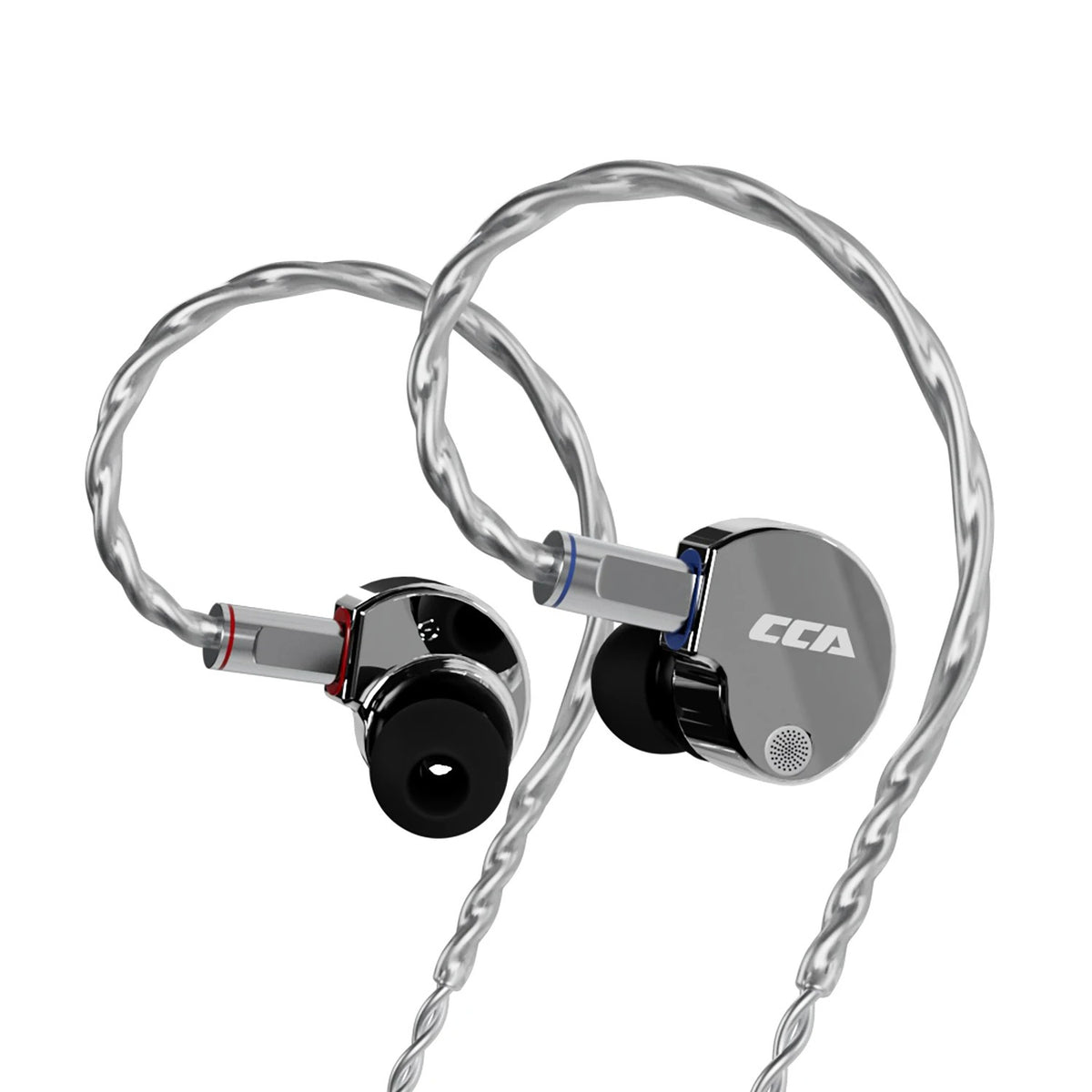
CCA Phoenix (The Audio Store)

Moondrop Chu II DSP Type-C (open box)

Bank offers on select Credit & Debit Cards +1
- Bank offers on select Credit & Debit Cards
- Cashback on Amazon Pay ICICI card & No Cost EMI on select cards

7Hz Zero 2 (The Audio Store)
Great Indian Festival Bank offers on select Credit & Debit Cards +1
- Bank offers on select Credit & Debit Cards
- Cashback on Amazon Pay ICICI card & No Cost EMI on select cards
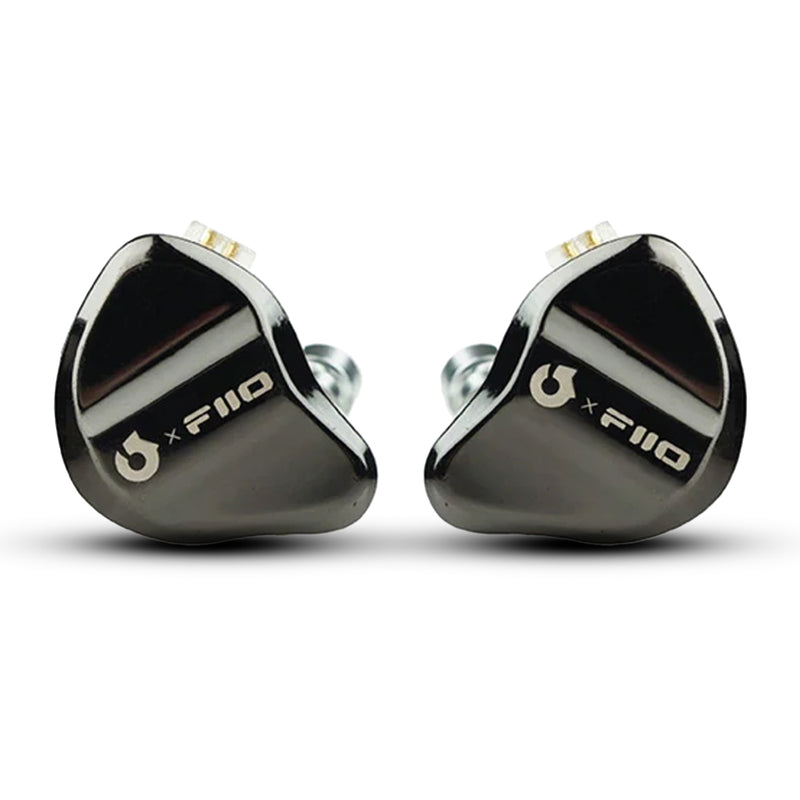
Headphone Zone X FiiO JD1
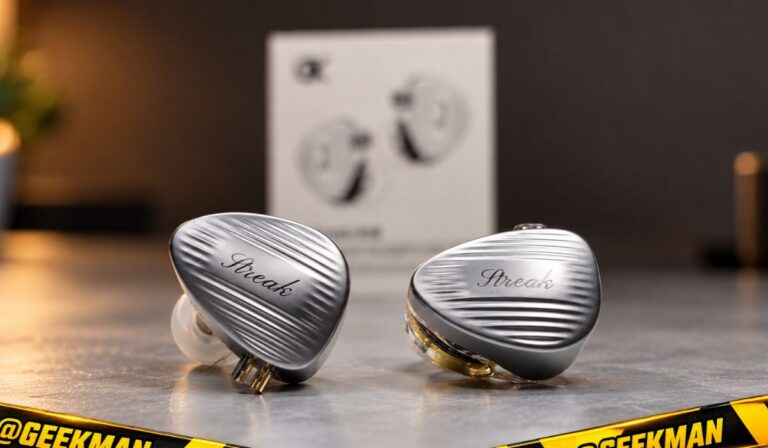
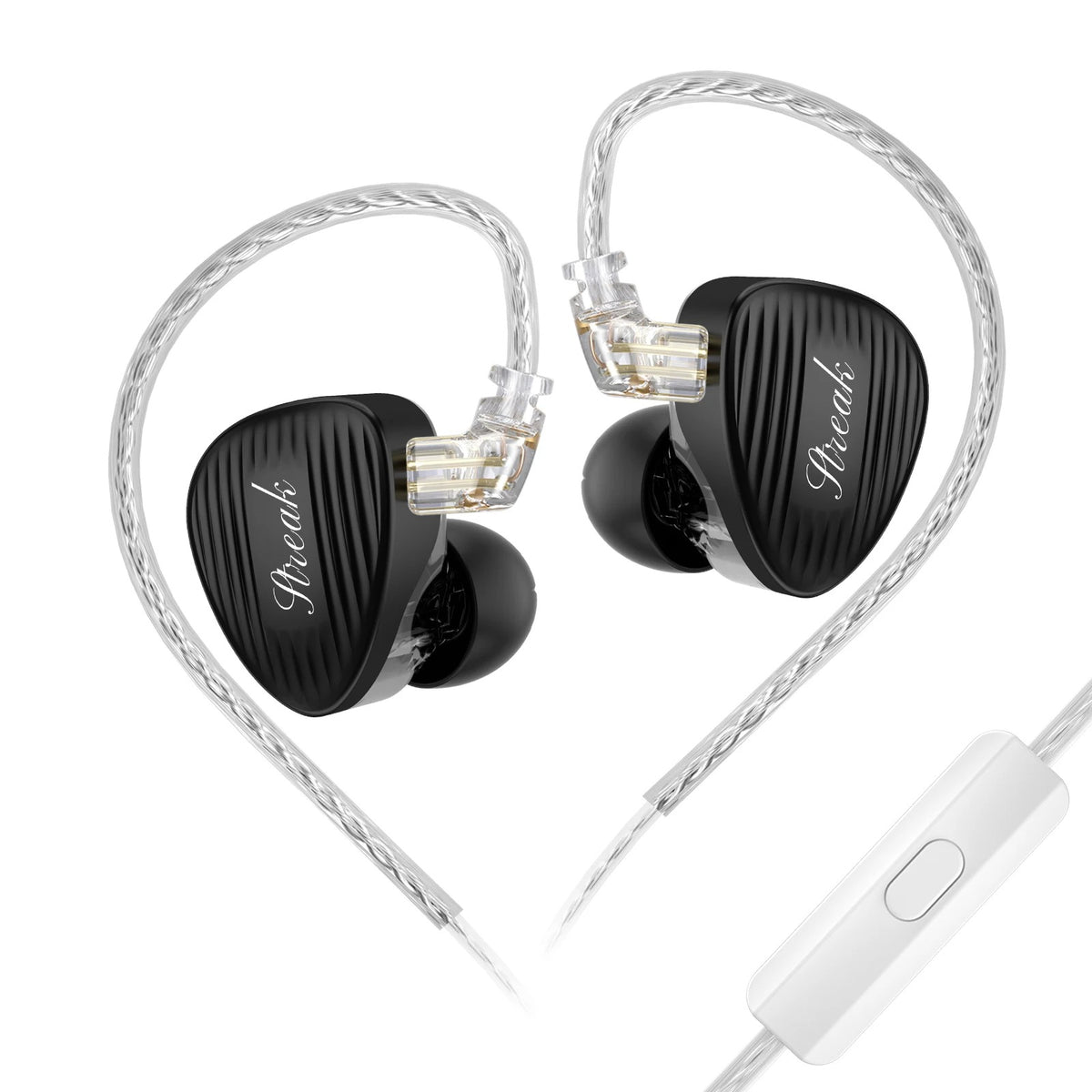
GK Streak (The Audio Store)
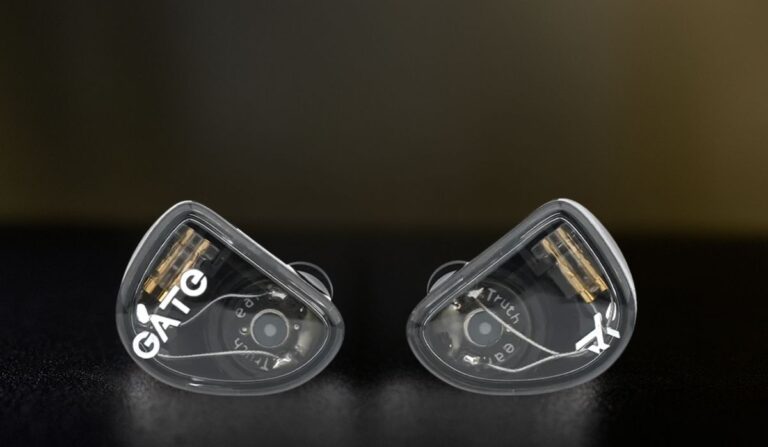
For the full rankings, see our guides to the best IEMs under ₹2,000 and the best IEMs under ₹3,000 . The Duonic sits near the top of both.
Pros and cons
- Best bass under ₹3,000 for my taste: punchy, fast and strong
- Airy planar treble with real shimmer and micro detail
- 20 sound settings from 4 switches and 4 DSP modes
- Type-C version needs no dongle, and the LED mode indicator is a nice touch
- Wide stage and sharp imaging, great for BGMI and Valorant
- Light and comfortable, much more than the Castor Pro
- Good dual mic on the Type-C version
- Vocals sit a step back, so it isn’t for vocal lovers
- Treble can feel bright in Standard mode for sensitive ears
- DSP modes are fixed presets, with no app EQ
- Plain design and a cable that tangles
- Too many store variants make buying confusing
Should you buy the KZ Duonic?
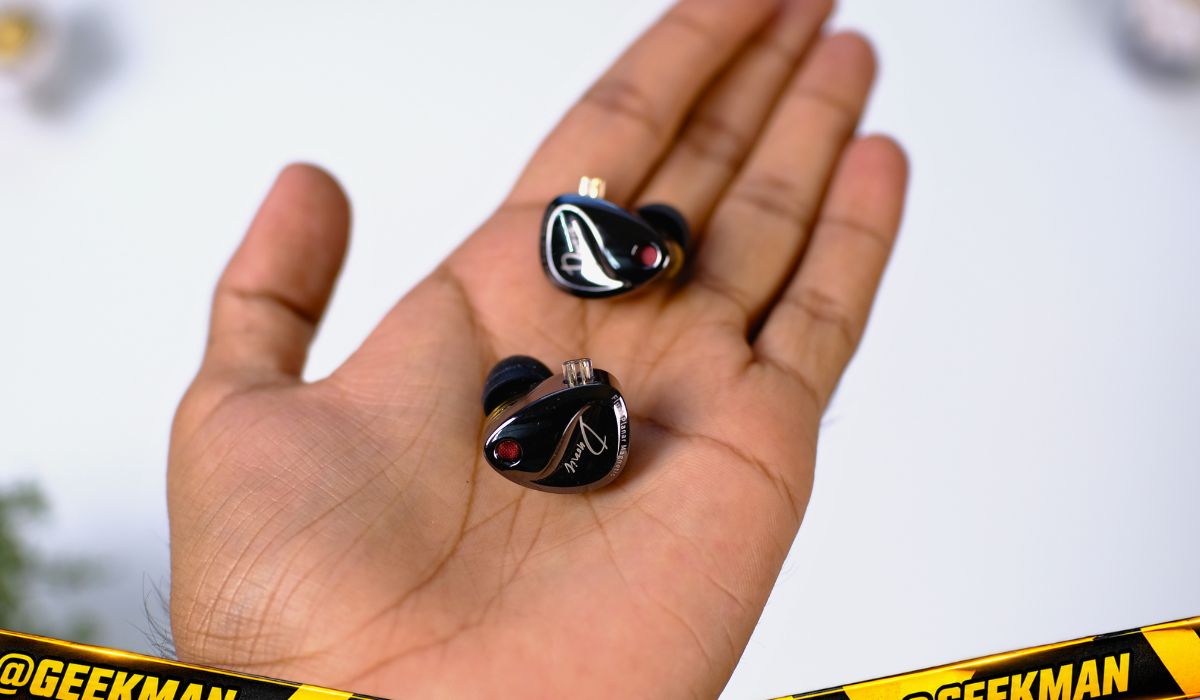
- First-time IEM buyers with a Type-C phone
- Bass lovers who still want detail
- Mobile gamers who need good imaging and a decent mic
- People switching from TWS earbuds who want one IEM for music, movies and games
- Vocal lovers: get the Chu II or Red Lion
- Treble-sensitive ears: the Castor Pro is smoother
- People who want full EQ control: get the Bunny Type-C
- Tight budgets: the Castor Pro or FiiO JD1 cost less


Final verdict
If you’re a first-time IEM buyer, or you want a good IEM around ₹2,000 to ₹2,500, the KZ Duonic is a great option. The planar plus dynamic driver, the 4 switches and the 4 DSP modes on the Type-C version are advantages you’ll actually enjoy, not just spec-sheet fluff.
If you’re a bass lover, there’s no doubt: this is the best IEM in its price range for you. And even if you don’t like heavy bass, the settings let you tame it. Overall it has a fun, enjoyable sound that I think most listeners will like. If you’re switching from earbuds, I’d even call it a safer pick than the Red Lion.
For an all-in-one IEM for music, gaming and movies, with a V-shaped, airy, fun sound, the Duonic is easy to recommend. That’s also why it sits so high in our under ₹2,000 and under ₹3,000 IEM rankings.
KZ Duonic FAQ
Is the KZ Duonic worth buying?
Yes, if you like bass and want flexibility. It combines a planar and a dynamic driver with 4 tuning switches, and the Type-C version adds 4 DSP modes. That’s 20 sound settings at around ₹1,800 to ₹2,800. Skip it if vocals are your top priority.
Is the KZ Duonic better than the KZ Castor Pro?
For bass punch, treble clarity, comfort and tuning options, yes. The Castor Pro has more balanced vocals, smoother treble and a lower price. The difference isn’t huge, so pick based on the tuning you prefer.
How many drivers does the KZ Duonic have?
Two per side: one Flux3 planar driver with three magnets and one 8mm dynamic driver. It does not have three planar drivers, even though some sellers say so.
What is the KZ Duonic 3?
It’s the same KZ Duonic. Some stores call it “Duonic 3” because its planar driver uses three magnets. It is not a third-generation model.
Should I buy the Type-C or the 3.5mm KZ Duonic?
Buy the Type-C DSP version if it’s your first IEM and you don’t have a DAC dongle. It plugs straight into your phone and adds 4 sound modes. Buy the 3.5mm version if you already use a DAC or your device has a headphone jack. It’s a few hundred rupees cheaper.
Does the Type-C version have tuning switches too?
Yes. The black Bass Improved Type-C version has the same 4 DIP switches as the 3.5mm version, plus the 4 DSP modes on the cable.
What do the LED colours on the Type-C cable mean?
Each colour shows the active DSP mode: purple for Standard, green for Bass Boost, red for Immersive Gaming and blue for Hi-Fi. A small button on the cable switches between them.
What is the best KZ Duonic switch setting?
For music I like Standard mode with switches 1 and 3 on. For movies, use Hi-Fi mode. For gaming, use Immersive Gaming with the switches off or only switch 3 on. If the treble feels bright, keep switches 3 and 4 off.
Is the KZ Duonic good for gaming?
Yes. Footstep direction is easy to pick out in BGMI and Valorant, the bass makes explosions fun, and the Type-C version has a good dual 6mm mic plus an Immersive Gaming mode.
Is the KZ Duonic too bright?
In Standard mode the treble can feel bright to sensitive ears. Keeping switches 3 and 4 off and using Bass Boost or Hi-Fi mode fixes it for most people.
Does the KZ Duonic need a DAC or amp?
No. It’s easy to drive with 103dB sensitivity and around 24Ω impedance. The Type-C version already has a DAC in the cable. With the 3.5mm version, a phone jack works, and a DAC dongle is an optional upgrade.
Silver or black KZ Duonic: which one to buy?
Buy the black “Bass Improved with switch” variant. The silver version sold by some stores has no tuning switches, which removes a big part of what makes the Duonic special.
Is the KZ Duonic good for vocals?
Vocals sound natural, but they sit a little back compared to the Castor Pro. Hi-Fi mode and switches 3 and 4 help. If vocals matter most, the Moondrop Chu II or Tangzu Red Lion are better choices.
Related reviews and guides
The Duonic’s sibling with deeper, smoother bass CCA Phoenix review
My favourite for treble detail under ₹3,000 Best IEMs under ₹2,000
Every pick we tested, ranked Best IEMs under ₹3,000
Where the Duonic ranks against the rest Best Type-C earphones under ₹2,000
No dongle needed 7Hz Salnotes Zero review
The balanced alternative