

Short answer: buy the Twistura Delta (₹3,360) for the best value, the Twistura D-Minor (₹3,490) if you want more bass, or the CCA Phoenix (₹2,178) if you want to spend less. The Simgot EW200 (₹4,990) is the pick for a bright, technical sound.
Geekman has covered consumer tech for over 10 years, and this ranking is built the way our buying guides always are: research first, then a hard look at the numbers. For all 6 IEMs we compared drivers, tuning, expert scores from iemranking where one exists, plug options, warranty and live prices at The Audio Store, Headphone Zone, Concept Kart and Amazon.in. Prices were seen on 25 October 2026.
This is the price band where an IEM first sounds properly good, and the iemranking scores here reach 6.6, the highest of any IEM under ₹5,000 we could find in stock in India. This guide has six picks from ₹2,178 to ₹4,990. If you want to spend less, see our best IEM under 3000 guide. If you can go above ₹5,000, the best IEM in India guide has the Simgot EW300, Truthear Hexa and AFUL Explorer.
Find your IEM under 5000 in 4 quick taps
Short answer: the Twistura Delta is the best value IEM under 5000. Turn on JavaScript to use the Finder.
Pick in 30 seconds
Which IEM under ₹5,000 fits you?
Best overall
10 mm dual-chamber dynamic driver · Warm U-shaped tuning · Detachable 2-pin cable
Read review
Most bass
10 mm dual-magnet driver · 3 acoustic filters · Includes Type-C DAC adapter
Read review
Spend less
10 mm dual-magnet LCP driver · 3 acoustic filters + 4 nozzles · DAC adapter included
Read review
Change the sound
10 mm DLC dynamic driver · Two tuning nozzles · Silver-plated detachable cable
Read review
Technical
10 mm dual-cavity driver · All-metal shell · Bright-neutral tuning
Read review
How I ranked them
The Geekman Score
Each IEM gets a score out of 10 for performance (40%), value (40%) and service (20%). Performance comes from the expert reviews on iemranking, scaled so a 7.1 becomes a 9.0. Value is price against that score. Service looks at the warranty, the accessories and where you can buy it.
See the scores
| # | IEM | Perf. | Value | Service | Overall |
|---|---|---|---|---|---|
| 1 | Twistura Delta | 8.0 | 9.2 | 7.0 | 8.3 |
| 2 | Twistura D-Minor | 7.6 | 8.8 | 7.0 | 8.0 |
| 3 | CCA Phoenix | 7.0 | 8.8 | 7.5 | 7.8 |
| 4 | Kefine Klean | 6.6 | 7.2 | 7.5 | 7.0 |
| 5 | COZOY D1 | 6.8 | 7.0 | 7.0 | 6.9 |
| 6 | Simgot EW200 | 6.6 | 6.5 | 8.0 | 6.8 |
Scores weigh performance 40%, value 40% and service 20%. They come from iemranking expert scores, published reviews, listed specs and live prices on 25 October 2026.
Quick picks
| Pick | IEM | Best for |
|---|---|---|
| Best Value IEM Under ₹4,000 | Twistura Delta | A warm, U-shaped single dynamic driver IEM with the best score per rupee in this list, from ₹3,360 |
| Best Bass Under ₹4,000 | Twistura D-Minor | A V-shaped, bass-forward IEM with three acoustic filters and a USB-C DAC adapter in the box, ₹3,490 |
| Best Under ₹3,000 | CCA Phoenix | A Harman-leaning 10 mm LCP dynamic IEM with three filters and a DAC adapter, ₹2,178 |
| Best Tunable Nozzles | Kefine Klean | A 10 mm DLC dynamic IEM with two swappable tuning nozzles, a hard case and a 2-pin cable, at ₹3,799 |
| Best Bright V-Shape Under ₹4,000 | COZOY D1 | A 10 mm graphene dynamic IEM with a bright V-shaped sound and a big stage, ₹3,340 |
| Best Technical Single DD | Simgot EW200 | A bright-neutral 10 mm silicon-diaphragm dynamic IEM with an all-metal shell, from ₹4,990 |
Tap a name to jump to its review. Live prices are in the buy box under each review. Prices change daily and bank offers can lower them.
All 6 picks
Best IEMs under ₹5,000 in India
Six IEMs are worth considering in this range. The top three get a full review and the other three get a short one. The Audio Store, Headphone Zone and Concept Kart are the main sellers, so the buy boxes list them in that order of priority.
Best Value IEM Under ₹4,000
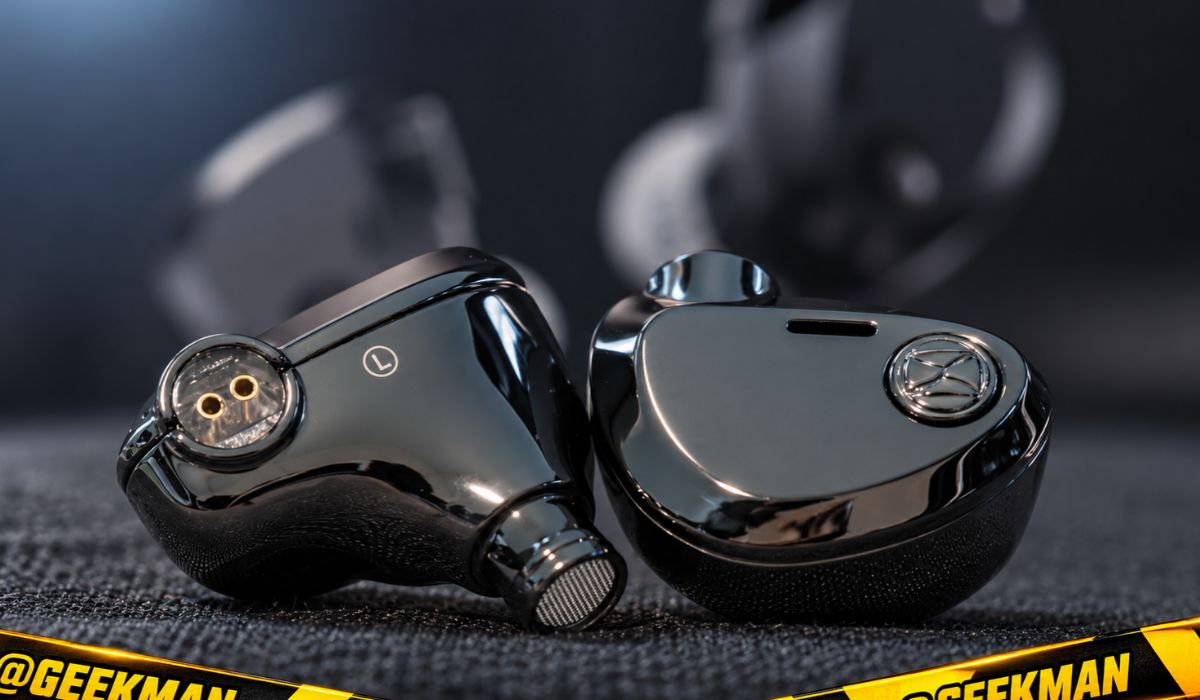
1. Twistura Delta
8.3Geekman Score
8.0 Performance
9.2 Value
7.0 Service
10 mm dual-chamber dynamic driver · Warm U-shaped tuning · Detachable 2-pin cable · 3.5mm or Type-C with mic · iemranking 6.6
Best for
✓ Bass lovers who still want vocals and treble to stay clean
✓ Gamers who want good imaging with weighty explosions
✓ People who want a premium-feeling metal shell that stays comfortable for hours
Skip if
• You want a great unboxing and accessories (the Twistura D-Minor packs nozzles and a DAC)
• You chase fine micro-detail (it is average there)
• You are very sensitive to treble sparkle (some reviewers found it a bit sharp)
My take: The Delta gets the sound right where it counts: deep, punchy bass that doesn’t bleed into the vocals, clean mids and treble with air but very little sibilance. The zinc alloy shells feel solid and stay comfortable. The let-down is the box: a thin, cheap-feeling cable and basic accessories, which reviewers mention again and again.


Twistura Delta (The Audio Store)

Pros and cons
What I like
+ Deep, punchy bass that doesn’t bleed
+ Clean treble with air, little sibilance
+ Solid zinc alloy shells, comfortable
+ Good imaging for gaming
What I don’t like
• Thin, cheap-feeling stock cable
• Basic accessories
• Average micro-detail
My full review: who it suits, what it is like and how it compares
Who should buy it. A music listener stepping up from a first IEM who wants more bass quality, or a gamer who wants one IEM for music and matches. It comes with a 3.5mm or a Type-C plug, both with a mic. The Type-C version costs a bit more but saves you from carrying a dongle.
Sound. A warm U-shaped tune from a 10 mm LCP dynamic driver in a dual-chamber, dual-magnet setup. The bass is the highlight: sub-bass rumble you can feel and quick, solid kicks, and reviewers agree it stays out of the lower mids. Vocals come through clean, with male voices full and female voices airy, though a few reviewers heard them slightly recessed or warm on bass-heavy tracks. Treble has sparkle and good decay on cymbals, rarely sibilant; a minority found it a little sharp. Technical ability is good for the money in imaging and separation, average in micro-detail.
Fit, cable and build. The zinc alloy shells are a medium size that fits most ears, feel solid and don’t stick out. Reviewers wore them for about three hours without discomfort. The gunmetal finish picks up fingerprints. The cable is thin, the ear hooks a bit stiff, and it can tangle. You get a soft pouch and several pairs of tips, but the pre-installed tips seal best. Warranty is one year on the IEMs and only one month on the cable.
Driving it. At 42 ohm and 120 dB/Vrms it plays loud enough from any phone or Type-C cable. It does open up a little with more power, so a decent dongle or laptop output helps. You don’t need an amplifier.
Delta or D-Minor? Buy the Delta for sound: deeper, punchier bass that stays out of the mids, and airy treble that rarely gets sibilant. Buy the D-Minor for the box: three tuning nozzles, a better cable and a USB-C DAC dongle included. If you already own a dongle the Delta is the better IEM; if you are starting from zero, the D-Minor saves you a purchase.
Delta or Phoenix? Both have metal shells and come in 3.5mm or Type-C. The Delta is the warmer, bassier U-shape for music; the Phoenix has moderate bass, more extended treble and sharper imaging, and I tested it as my gaming pick in its range. Music first, Delta. Shooters first, Phoenix.
Key specs
| Driver | 10 mm dual-magnet, dual-chamber dynamic, LCP |
| Impedance and sensitivity | 42 ohm, 120 dB/Vrms |
| Tuning | Warm, U-shaped |
| Cable | Detachable 0.78 mm 2-pin |
| Plug | 3.5mm or Type-C, with mic |
| Warranty | IEM 1 year, cable 1 month |
| iemranking score | 6.9 / 10 reviewer average (6 reviews), 5.6 normalized |
Best Bass Under ₹4,000
2. Twistura D-Minor
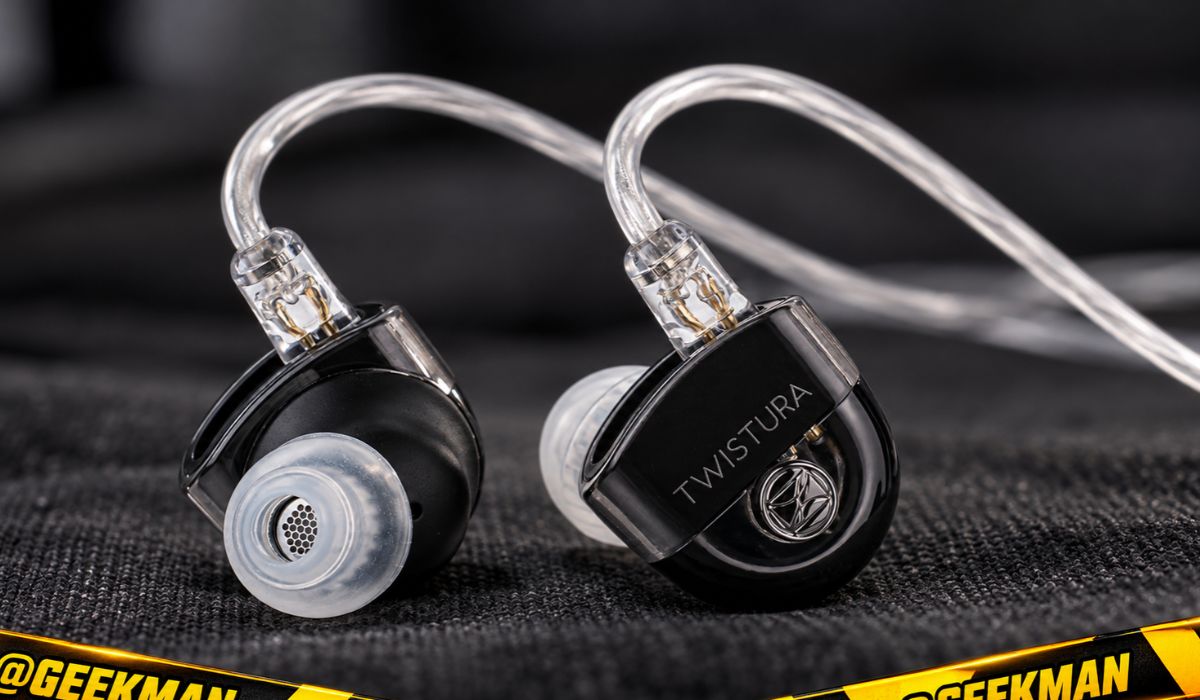
8.0Geekman Score
7.6 Performance
8.8 Value
7.0 Service
10 mm dual-magnet driver · 3 acoustic filters · Includes Type-C DAC adapter · Mic · iemranking 6.4
Best for
✓ Buyers who want to try different sound signatures with one IEM
✓ People who want a complete kit (DAC, pouch, six pairs of tips) with no extra purchases
✓ Listeners who like crisp vocals and wide, airy sound at moderate volume
Skip if
• You want big bass by default (the Twistura Delta or KZ Duonic are bassier)
• You listen loud (reviewers heard sibilance and shouty vocals at high volume)
• You have small ears or dislike unusual shell shapes (fit is subjective; the FiiO JD1 is easier)
My take: The D-Minor is about value in the box: three screw-on nozzles that change the tuning, a tangle-free silver-plated cable and a CX31993 USB-C DAC dongle, so it works on a Type-C phone straight away. The sound is clear, wide and vocal-friendly rather than bass-heavy. The catches are fit, which depends on your ears, and a tune that gets edgy if you push the volume.
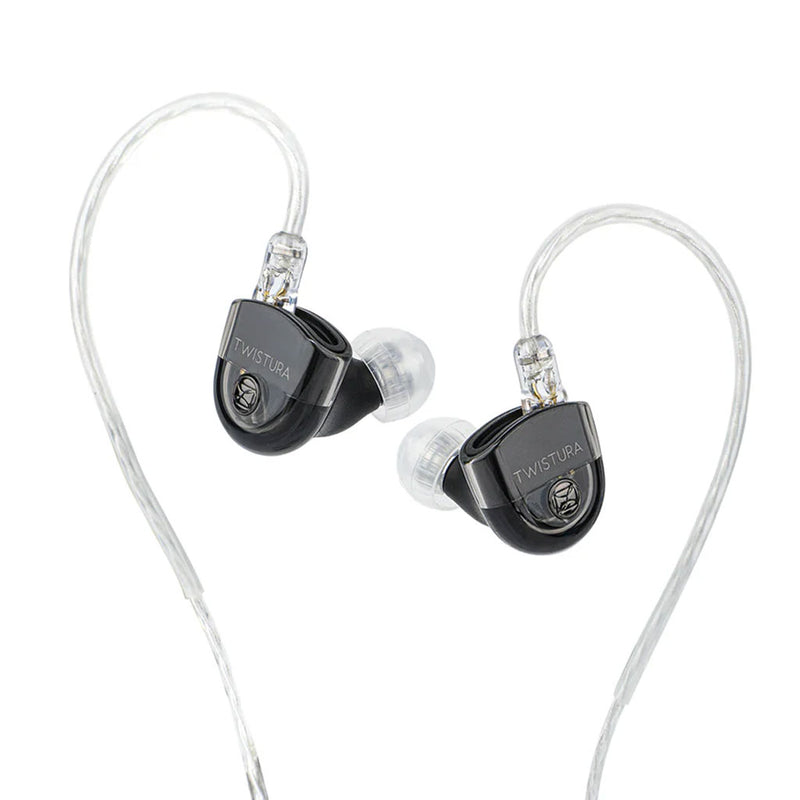
Twistura D-Minor (Concept Kart)

Pros and cons
What I like
+ Three tuning nozzles
+ USB-C DAC dongle, pouch and six pairs of tips included
+ Tangle-free silver-plated cable
+ Wide stage with good separation
What I don’t like
• Sibilance at high volume
• Fit depends on ear shape and tip choice
• Not bassy by default
My full review: who it suits, what it is like and how it compares
Who should buy it. Someone buying their first proper IEM who doesn’t want to buy a DAC separately and likes the idea of changing the sound with nozzles. It also suits people moving up from a Tangzu Wan’er who want a wider sound. Bassheads should look elsewhere: this is not a bass-forward IEM out of the box.
Sound. A 10 mm dual-magnet dynamic driver with an LCP dome, 30 ohm and 108 dB. The black nozzle is the smooth, reference-style one, and the other two add more bass or more bite. Reviewers didn’t fully agree on which colour does what, so try all three. With the bassier blue nozzle, one reviewer found the bass punchy but slightly muddy and lacking texture, while mids stayed clean. Another found the overall sound wide and spacious, with crisp, slightly bright vocals and excellent separation, but not enough bass for war films. Both found it best at moderate volume; at high volume sibilance and shouty vocals creep in.
Fit, cable and build. Zinc alloy front and resin back in an unusual shape. One reviewer found it very comfortable for long sessions; another felt the sticky default tips pushed the IEMs out and had to switch tips, and found long sessions tiring at first. The silver-plated OFC cable is a highlight: tangle-free and well finished, with an in-line mic. One reviewer’s mic cable had no volume buttons, so check the variant. Warranty is one year on the IEMs, one month on the cable.
Driving it. The included DAC dongle uses the CX31993 chip, the same as Audiocular’s D07, and handles Hi-Res playback from a phone. At 30 ohm it is easy to drive, so the dongle has plenty of power for normal listening. You don’t need anything else to get started, which is rare in this class.
D-Minor or Delta? The D-Minor sounds wider and more vocal-friendly; the Delta has much more bass. Bassheads should take the Delta and replace its thin cable later. First-time buyers who want a dongle in the box should take the D-Minor.
D-Minor or Klean? Both have tuning nozzles and lean clean rather than bassy. The Klean has tighter bass and safer treble, while the D-Minor can turn sibilant past moderate volume and its fit depends on your ears. The D-Minor wins on extras with its DAC dongle and cable; the Klean wins on a secure fit from its small metal shell.
Key specs
| Driver | 10 mm dual-magnet dynamic, LCP dome |
| Impedance and sensitivity | 30 ohm, 108 dB/Vrms |
| Frequency response | 15 Hz to 37 kHz |
| Cable | Detachable 0.78 mm 2-pin, silver-plated OFC, 3.5 mm plug with mic; CX31993 USB-C DAC dongle included |
| Warranty | IEM 1 year, cable 1 month |
| Nozzles | 3 swappable tuning nozzles (black, red, blue) |
Best Under ₹3,000
3. CCA Phoenix
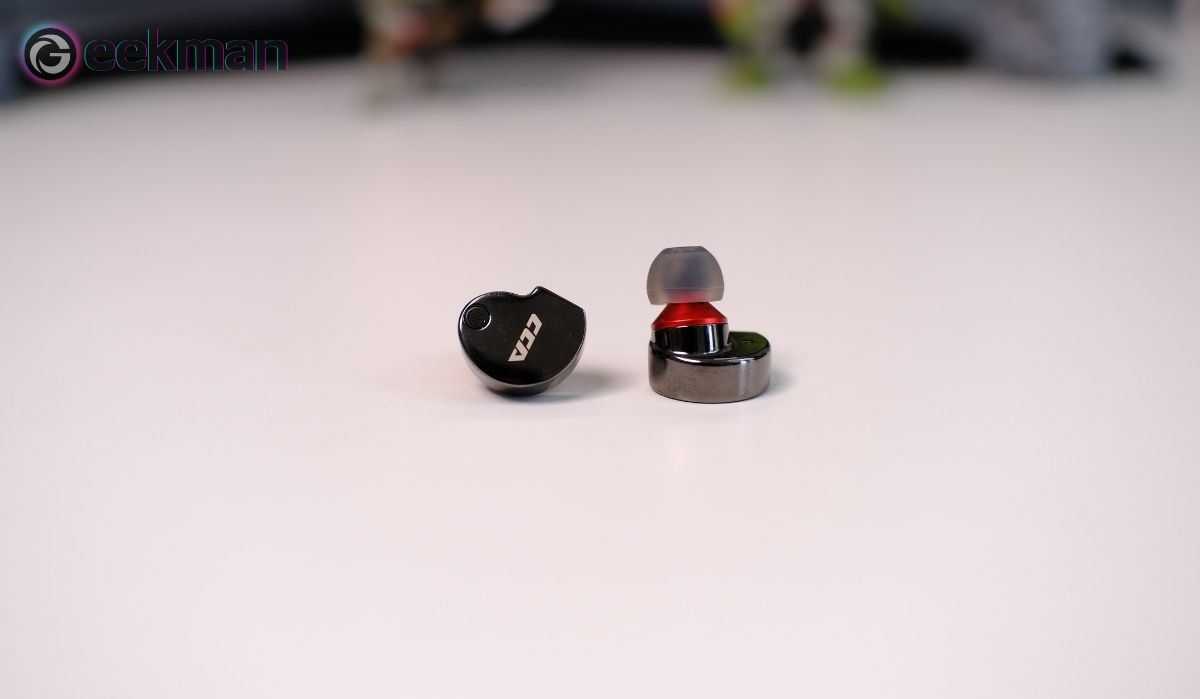
7.8Geekman Score
7.0 Performance
8.8 Value
7.5 Service
10 mm dual-magnet LCP driver · 3 acoustic filters + 4 nozzles · DAC adapter included · Mic · iemranking 6.1
Best for
✓ Mobile and PC gamers who want clear footstep direction in BGMI and Valorant
✓ Detail lovers who like extended, airy treble
✓ Buyers who already own a basic Type-C dongle or plan to buy one
Skip if
• Bassheads (bass quantity is moderate; the Red Lion or a KZ Castor suits you better)
• Treble-sensitive listeners (the Simgot EW300 or Wan’er SG are much smoother)
• You want the best sound straight from a phone with no dongle (the Wan’er SG sounds fine from a phone)
My take: I tested this one, and in my full review I called it the new value champion in its range. It punches above its price on build, soundstage and gaming, and the cable and box feel premium. The honest catch: straight from a phone it is just a decent V-shaped IEM with loose bass and slightly harsh treble at high volume. With even a basic USB-C dongle the sound transforms.
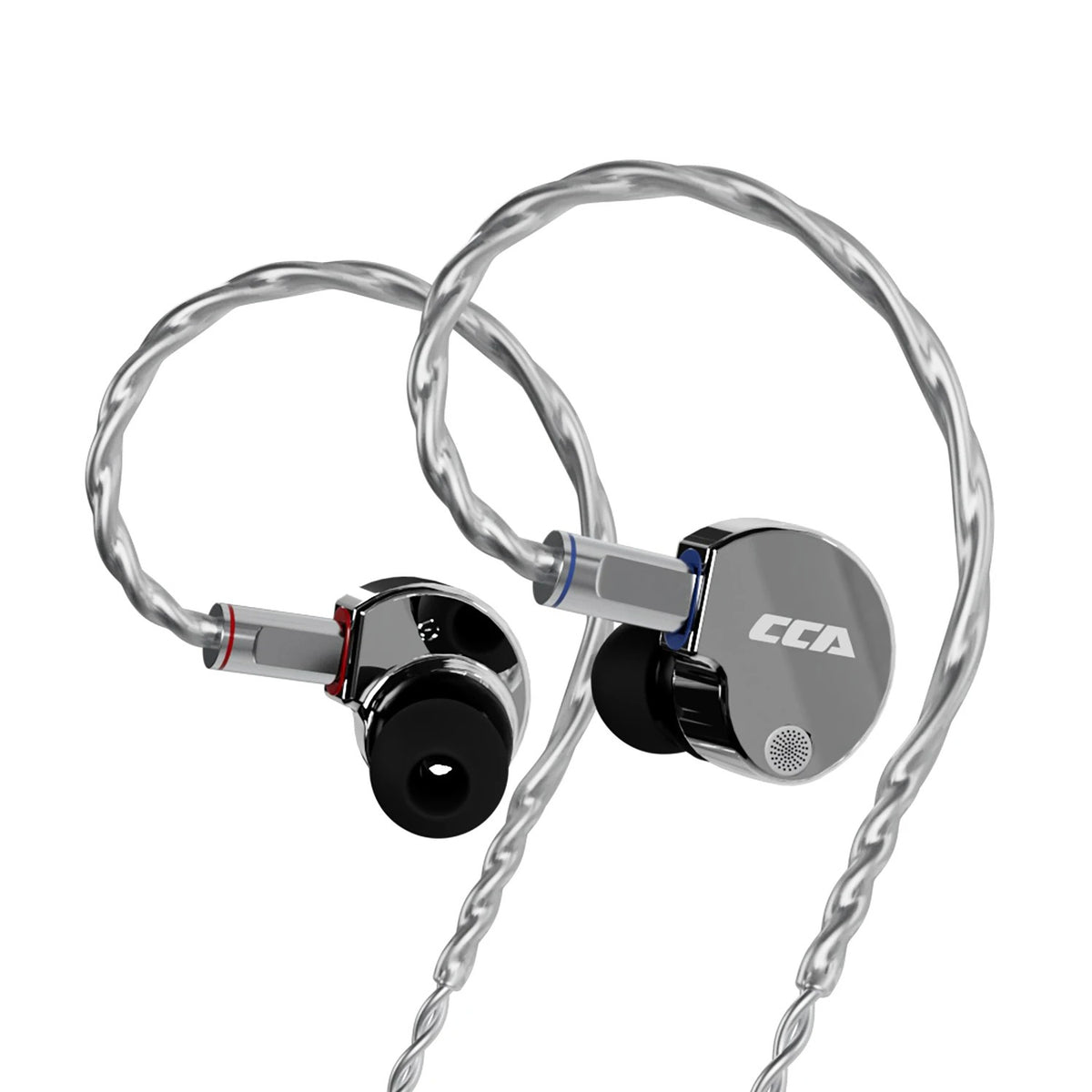
CCA Phoenix (The Audio Store)
Pros and cons
What I like
+ Full metal shell at this price
+ Wide stage and precise imaging for gaming
+ Extended, detailed treble
+ Premium cable and accessories
What I don’t like
• Treble can feel bright at first
• Sounds only average without a dongle
• Metal shell feels heavier over long sessions
My full review: who it suits, what it is like and how it compares
Who should buy it. Someone who wants one IEM for gaming and music and cares about detail and positioning more than big bass. It comes in 3.5mm or Type-C, with or without a mic, in purple, silver and grey. If you buy the 3.5mm version, budget for a basic dongle, because that is where this IEM shows what it can do.
Sound. Bass quantity is moderate but the quality is excellent: sub-bass rumble is clean and stays separate from vocals in busy mixes, though EDM and hip-hop feel a little restrained. Mids have presence and male vocals get warmth, but upper mids can turn slightly shouty at high volume. The treble is the highlight, extended and detailed, and in my testing it was the best I had heard in this budget. Treble-sensitive people may find it bright at first. Soundstage is wide with some height, and imaging is among the best in the segment.
Driving it. This matters more than usual here. Straight from a phone I found it a decent V-shaped IEM and nothing more, with loose bass and a touch of harshness at higher volume. With a basic USB-C dongle the sound transformed: tighter bass, fuller mids and a wider stage. The gain was bigger than I’ve heard from most budget IEMs. At 33 ohm and 108 dB it gets loud easily; it simply sounds better with a cleaner source.
Fit, cable and build. The shell is full metal, which nothing else popular in this range offers, and it feels cold and solid in the hand. It is bean-shaped and I wore it for 3 to 4 hours without real issues, but metal is heavier than plastic and you feel it over long sessions. Isolation is good. The silver-plated cable with 0.78mm 2-pin connectors does not tangle much and feels like an upgrade cable. Two small things: the metal shows fingerprints and dust, and some owners have reported the finish chipping.
Gaming and mic. For gaming I rate it the best IEM in its price bracket right now: footstep direction in BGMI is clear and agent movement in Valorant tracks accurately. The mic is only on the mic variants; it handles daily calls and Discord fine but is not studio quality.
Phoenix or D1? Both are strong for gaming. The Phoenix has a full metal shell, more extended treble and a wider stage; the D1 is the safer, more balanced tune with punchier mid-bass and a light resin shell. One gamer even preferred the D1’s imaging, so this comes down to taste: detail and build, Phoenix; relaxed all-day sound, D1.
Phoenix or Delta? Take the Phoenix for positioning in BGMI and Valorant, which is where I found it best in its range. Take the Delta if music comes first and you want real bass punch.
Key specs
| Driver | 10 mm dual-magnet dynamic, LCP |
| Impedance and sensitivity | 33 ohm, 108 dB |
| Cable | 4-core, 156-strand silver-plated OFC, detachable 0.78mm 2-pin |
| Plug | 3.5mm or Type-C, with mic |
| Warranty | IEM 1 year, cable 1 month |
Best Tunable Nozzles
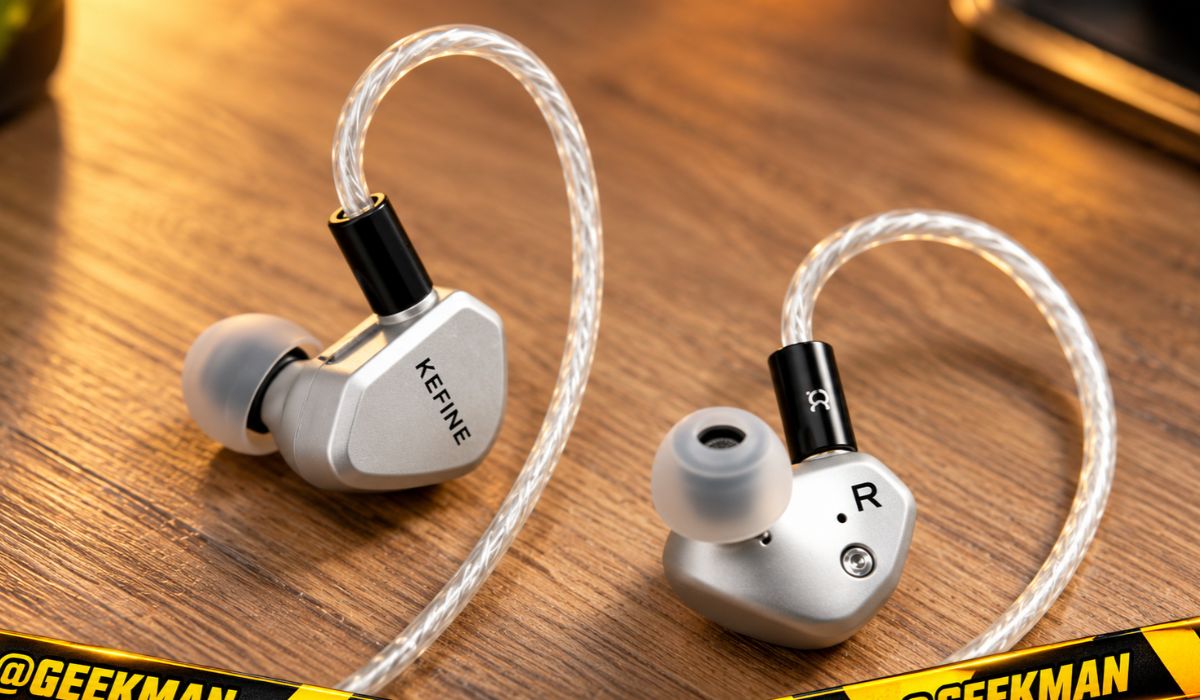
4. Kefine Klean
7.0Geekman Score
6.6 Performance
7.2 Value
7.5 Service
A clean, controlled single DD with tuning nozzles, for listeners who want natural vocals and tight bass rather than a big thump.
10 mm DLC dynamic driver · Two tuning nozzles · Silver-plated detachable cable · 3.5mm or Type-C · iemranking 5.9
Best for
✓ Listeners who want a natural, uncoloured sound for vocals and acoustic music
✓ People who like to adjust the treble with swappable nozzles
✓ Long listening sessions where fatigue-free treble matters
Skip if
• You want big bass slam (the GK Streak or Loric are more fun)
• You want a light, feather-weight shell (the 7Hz Zero 2 is far lighter)
• You want rich, thick male vocals (look at the Klean SV variant)
My take: The Klean lives up to its name: tight, clean bass with no bleed into the mids, a smooth transition into the vocals, and treble that has detail and air without harshness. Two nozzles let you choose between a smoother and a slightly brighter top end. The catch is that it can sound a bit lean and safe, and the difference between the nozzles is subtle.
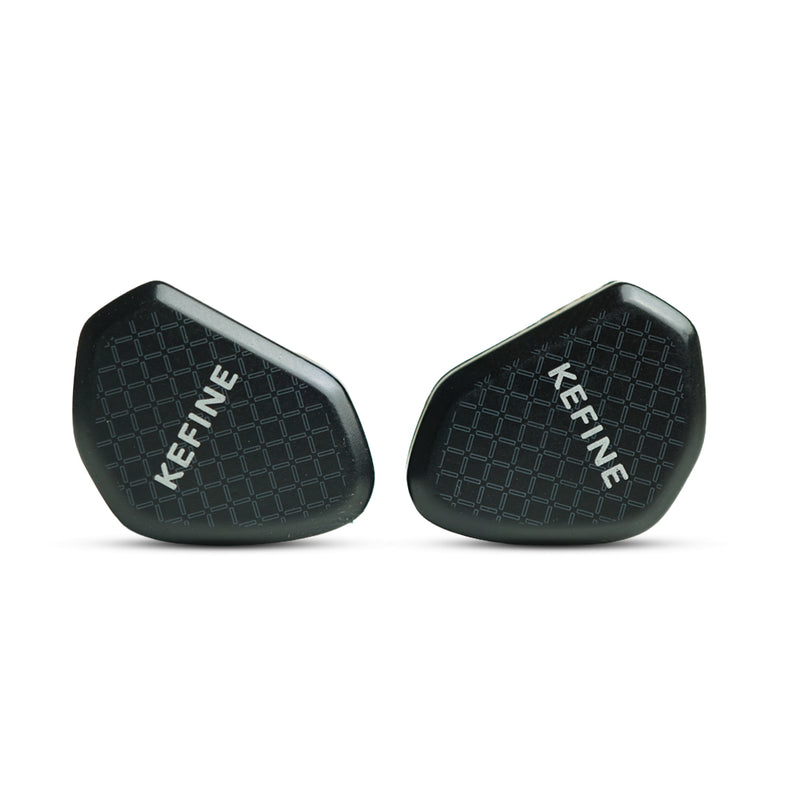
Kefine Klean (Headphone Zone)

Pros and cons
What I like
+ Tight, clean bass with no bleed
+ Natural vocals and fatigue-free treble
+ Good imaging and layering for a single DD
+ Swappable tuning nozzles and metal build
What I don’t like
• Can sound lean or too safe for some
• Metal shells are a little heavy
• Nozzle tuning change is subtle
My full review: who it suits, what it is like and how it compares
Who should buy it. Someone who wants a natural, honest sound with tight bass and clear vocals, and who listens for hours at a time. It is a good step up for listeners who found budget V-shaped IEMs too bassy or too sharp. If you want more warmth and body, Kefine sells the Klean SV with a thicker sound; if you want more fun bass, the GK Streak suits you better.
Sound. Reviewers describe it as slightly V-shaped to balanced. Sub-bass extends and rumbles but never takes over, mid-bass is tight and punchy, and kick drums and bass guitar notes stay clean with no muddiness. Mids are clean, with a smooth move from bass to vocals. Female vocals are forward and clear; male vocals are on the leaner side. Treble is safe in the 5 kHz region and extends well enough for some air and sparkle, with good imaging, layering and separation.
Fit, cable and build. The all-metal shell is small but a little heavy at around 10 g per side, and that compact size helps it sit securely over the ear. The industrial, form-follows-function design looks plain but feels solid. You get a silver-plated cable on 0.78mm 2-pin connectors and two pairs of threaded nozzles. Keep the spare nozzles safe; they are tiny and easy to lose.
Driving it. At 32 ohm and 107 dB it is easy to drive from a phone dongle. The silver nozzle gives a warmer, smoother tune and the black nozzle a slightly brighter, more transparent one, but the change is small, so don’t expect two different IEMs. A neutral dongle suits it best; a very bright source can make the treble a bit forward.
Klean or EW200? Both are clean, near-balanced single DDs with metal shells. The EW200 pulls out more detail and is extremely sensitive, so it plays loud from anything but can reveal hiss on a noisy source. The Klean has tight bass with no bleed and two nozzles to adjust the treble. Detail chasers should get the EW200; long-session listeners who want safe treble, the Klean.
Best Bright V-Shape Under ₹4,000
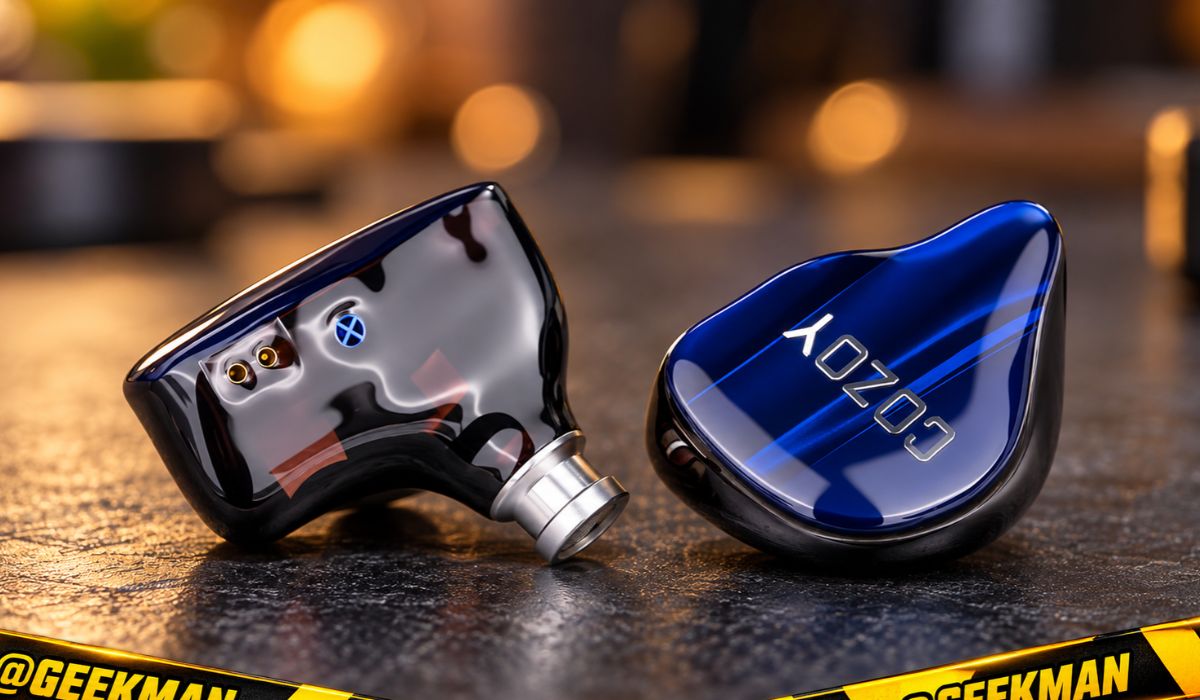
5. COZOY D1
6.9Geekman Score
6.8 Performance
7.0 Value
7.0 Service
A safe, balanced single-DD IEM with a clear inline mic and strong imaging, good for mobile gamers who also listen to a lot of music.
10 mm graphene dynamic driver · Bright V-shaped · Mic · 3.5mm · 1 year warranty
Best for
✓ Mobile gamers who want clear positioning even in chaotic fights
✓ Upgraders coming from a basic IEM who want a balanced, honest tune
✓ People with small to medium ears who want a light, comfortable shell
Skip if
• Bassheads (deep bass is limited; the Truthear Zero:Red or Red Lion go deeper)
• Treble-sensitive listeners who play metal or bright tracks
• You want a carry case in the box (none is included)
My take: The D1 is a well-judged all-rounder. Cozoy itself describes the bass as moderate and the vocals as centred, and that is what reviewers heard: a relaxed but not dark sound with a solid mid-bass punch, natural vocals and crisp treble. It also games very well. The catches are a lean low end for bass lovers, low sensitivity that wants a decent dongle, and no carry case.

COZOY D1 (The Audio Store)
Pros and cons
What I like
+ Strong imaging for gaming
+ Balanced, natural tune with clean mid-bass punch
+ Clear inline mic with controls
+ Light, comfortable shell, seven tip pairs
What I don’t like
• Limited deep bass
• Low sensitivity needs a decent dongle
• No carry case or chin slider
My full review: who it suits, what it is like and how it compares
Who should buy it. A mobile gamer or music listener stepping up from a cheaper IEM who wants one balanced pair for both. The mic version has an inline mic with volume and play/pause buttons, and one reviewer’s raw mic recording stayed clear with an inverter and AC running nearby.
Sound. Balanced and easy to listen to. Sub-bass is present but not deep, and the mid-bass has a solid, controlled punch, so songs feel lively without bloat. Vocals are centred and natural for both male and female singers, and the midrange stays clear in busy film music. Treble is crisp, and most reviewers called it smooth, but one found certain instruments slightly harsh and chaotic, and another noted it can get prominent on bright or metal recordings. Lower mids are slightly lean. Flange tips bring out more treble and foam tips calm it down.
Gaming. This is a highlight. Reviewers found imaging excellent, with left and right and enemy position clear even with grenades going off and many players fighting. One gamer preferred it over pricier IEMs and the CCA Phoenix for gaming, though that is one opinion.
Fit, cable and driving it. The medical-grade resin shell is compact and light, and very comfortable for most people, though larger ears may find it small and the short nozzle may need longer tips. The purple braided silver-plated cable is soft, low on memory and has a metal 3.5mm plug, but no chin slider. You get seven pairs of tips including foam and flanged ones, but no case. Sensitivity is on the low side at 100 dB/Vrms, so a decent Type-C dongle is a good idea for enough volume.
D1 or Phoenix? If you want an inline mic with buttons and a relaxed, balanced sound for hours of gaming and music, the D1. If you want more treble detail, a wider stage and a metal shell, the Phoenix. Either way budget for a decent dongle: the D1 needs it for volume, the Phoenix to sound its best.
Best Technical Single DD
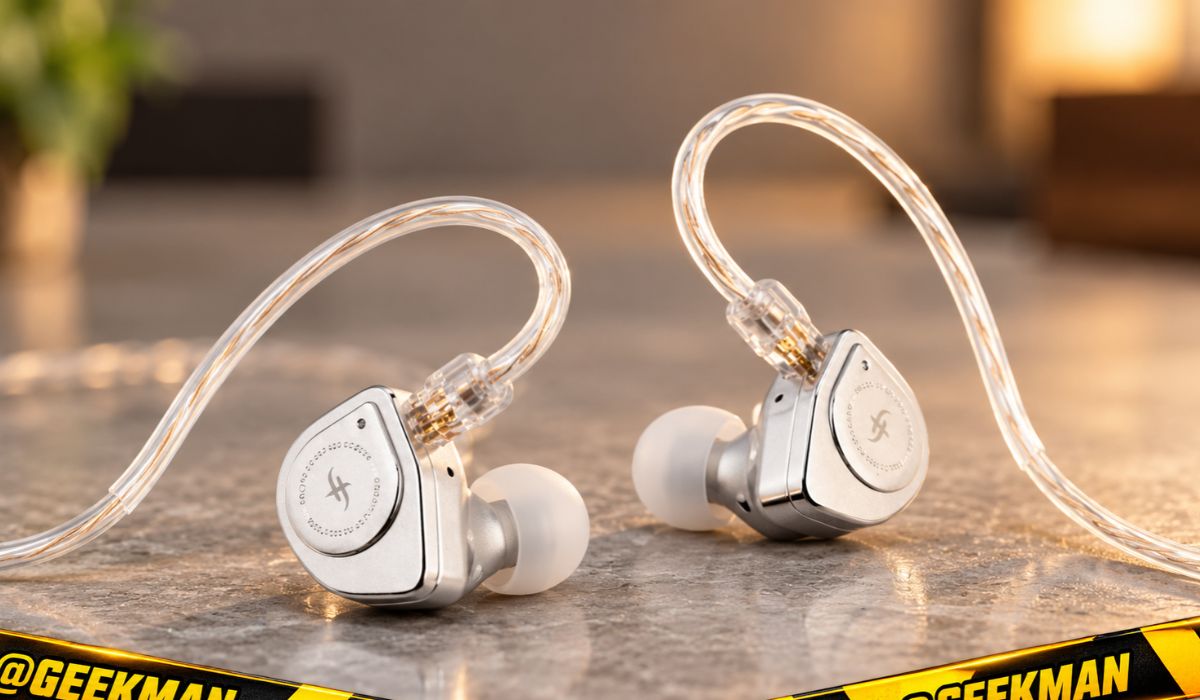
6. Simgot EW200
6.8Geekman Score
6.6 Performance
6.5 Value
8.0 Service
A detailed, nearly balanced all-metal single DD that rewards good recordings, and the most refined pick here for jazz, acoustic and vocals.
10 mm dual-cavity driver · All-metal shell · Bright-neutral tuning · 3.5mm or Type-C · iemranking 5.9
Best for
✓ Listeners who play well-recorded jazz, classical, acoustic and vocal music
✓ Beginners who want to hear details they missed on TWS earbuds
✓ People with a modest phone dongle, since it is very easy to drive
Skip if
• You want heavy bass for EDM or Punjabi tracks (the GK Streak or Loric are more fun)
• You have small ears and find heavier metal shells uncomfortable
• You want a mic on the cable for calls
My take: The EW200 is a detail-first IEM with a nearly balanced tune: clean, extended bass, full lower mids, and bright but soft treble. It is all metal, beautifully finished and very easy to drive. The catch is that it is honest about poor recordings, so bass on some pop mixes sounds thin, and older recordings can show slight sibilance.
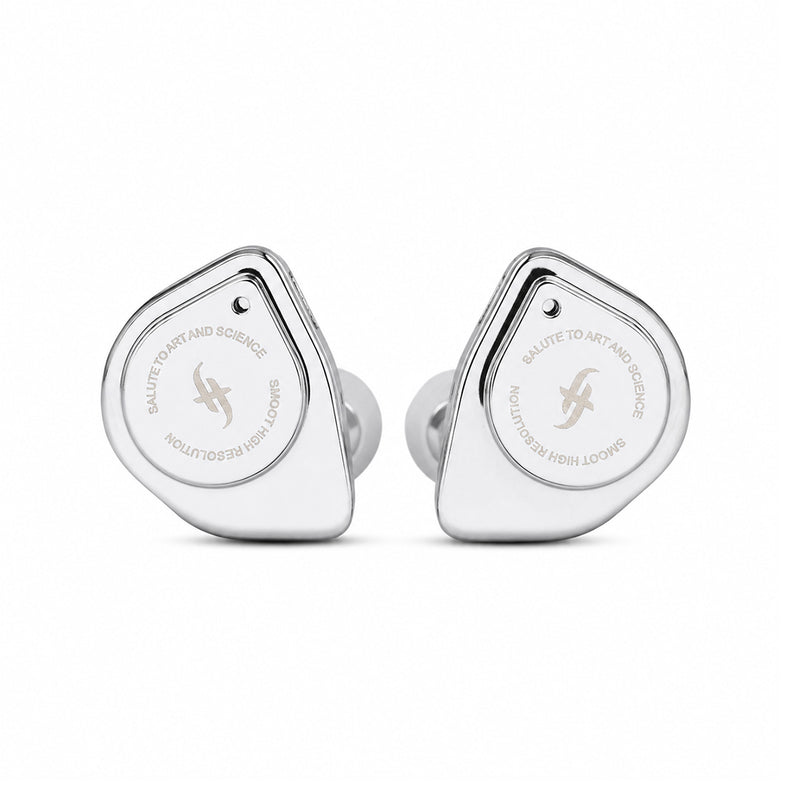
Simgot EW200 (Headphone Zone)
Pros and cons
What I like
+ High detail and clean, separated sound
+ Premium all-metal build
+ Very easy to drive
+ Wide stage for the price
What I don’t like
• Bass can sound thin on poorly mixed tracks
• No mic on the stock cable
• Shells feel heavy for small ears
My full review: who it suits, what it is like and how it compares
Who should buy it. Someone who wants to hear instruments and voices clearly and is happy to trade some bass fun for detail. It suits jazz, blues, acoustic, classical and Bollywood melodies. If your playlist is mostly bass-heavy pop or EDM, the GK Streak or Kefine Loric will be more exciting. The stock cable has no mic, so it is not a calls IEM out of the box.
Sound. It is close to balanced with a mild bass lift. Sub-bass extends surprisingly well and mid-bass is punchy and well separated, with no bass bleed, but it is not for bassheads. Lower mids are full, so vocals don’t sound nasal, and vocals have a slight forwardness with good separation from instruments. The upper mids and treble are lifted for clarity and sparkle, yet the treble arrives soft rather than sharp; some listeners may find the upper mids a touch shouty, and old recordings can show mild sibilance. Stage is wider than expected thanks to the vented shell, and detail retrieval is strong for the price.
Fit, cable and build. The shells are all metal with a silver chrome finish that looks premium but collects fingerprints. They are a little heavy but small, and most reviewers found the fit secure and comfortable. One reviewer with a smaller ear felt discomfort on one side until he adjusted the angle, so people with small ears should note that. The silver-plated cable on 0.78mm 2-pin is smooth and tangle-resistant, but has no mic. You get three pairs of tips and a soft pouch that won’t protect against drops.
Driving it. At 16 ohm and very high sensitivity, it gets loud from any dongle or Type-C adapter. Reviewers rarely went past 25 percent volume. It still sounds full at low volume, which is nice for late-night listening. Because it is so sensitive, a noisy source may produce some hiss, so a clean dongle is a better match than a cheap one.
EW200 or Klean? Get the EW200 for jazz, acoustic and vocals, where its detail retrieval stands out. Get the Klean if you want tighter bass and a smoother top end that stays easy over long sessions. Note that the EW200’s stock cable has no mic.
Compare
Tuning and specs side by side
The sound varies a lot across these six. The table shows the tuning and plugs so you can match them to your music before you look at price.
| IEM | Tuning | Plug | iemranking | Price |
|---|---|---|---|---|
| Twistura Delta | Warm, U-shaped | 3.5mm or Type-C | 6.6 | ₹3,360 |
| Twistura D-Minor | V-shaped, bass | 3.5mm (Type-C adapter) | 6.4 | ₹3,490 |
| COZOY D1 | Bright V | 3.5mm | 6.0 | ₹3,340 |
| CCA Phoenix | Mild V, bright | 3.5mm or Type-C | 6.1 | ₹2,178 |
| Kefine Klean | Neutral, two nozzles | 3.5mm or Type-C | 5.9 | ₹3,799 |
| Simgot EW200 | Bright-neutral | 3.5mm or Type-C | 5.9 | ₹4,990 |
iemranking scores are the site’s normalised expert average out of 10. A dash means iemranking has no score. Prices were seen on 25 October 2026 and move daily.
Warm and U-shaped
Full bass with smooth treble. Easy to listen to for hours. Twistura Delta.
V-shaped
More bass and treble with the mids set back. Twistura D-Minor, COZOY D1, CCA Phoenix.
Neutral
Closer to flat. The Kefine Klean sounds warmer on its silver nozzle and brighter on the black one.
Bright
More treble for detail and air. Simgot EW200. It can tire sensitive ears.
The buying guide
How to choose an IEM under ₹5,000
Plug
3.5mm for laptops and phones with a jack. Type-C versions or adapters for phones without one.
Mic
The Klean 3.5mm versions have no mic. The EW200 mic versions cost ₹5,899 and up.
Cable
All use a detachable 0.78 mm 2-pin cable.
Score
Every pick has an iemranking score from 5.9 to 6.6.
Fit
Try every tip. The Klean shells are heavy.
Warranty
1 year on the IEM and often 1 month on the cable.
1 · Why is the Twistura Delta first?
It has the highest score of the six at 6.6 and costs ₹3,360, which puts it first on our weighted score. One of its five reviews was sponsored, and it still scored 6.5.
2 · Is it worth paying ₹4,990 for the Simgot EW200?
Only if you want a bright, technical sound. It scores 5.9, the same as the ₹3,799 Kefine Klean, and below the cheaper Twistura pair.
3 · Which has more bass, the Delta or the D-Minor?
The D-Minor. It is V-shaped with a bass boost, while the Delta is warm and smoother. See the tuning table above.
4 · Do I need a DAC for these?
No. They work on a phone. A DAC dongle helps only if your phone has no 3.5mm jack. See our best Type-C DAC guide.
Skipped questions
Questions other IEM guides skip
1 · Do dual-magnet, dual-chamber or LCP drivers really make a difference?
They are real design choices, but they are not a promise of better sound. A stiffer diaphragm like LCP can keep bass tight and treble clean, and a dual-chamber shell can manage airflow. How the maker tunes the pair and how it fits your ear matter more than the driver label. I would read the tuning description before the driver list.
2 · Warm U-shaped or bright V-shaped: which suits my music?
U-shaped, like the Twistura Delta, lifts bass and a little treble while keeping vocals present, which is easy for long listening. V-shaped picks like the D-Minor, COZOY D1 and Simgot EW200 push the bass and treble harder, which is exciting with EDM and pop. If you listen for hours, I would lean warm.
3 · What are tuning nozzles and filters, and do they change the sound?
They change it a little, and it is worth knowing before you buy. On the Kefine Klean, the silver nozzle gives a warmer, smoother sound and the black one a brighter, more open sound. The CCA Phoenix has acoustic filters for the same idea. Pick one setting for a week, then compare, because your ears settle quickly.
4 · What does tip rolling mean, and should I bother?
It means trying different ear tips to find the best seal and balance. Tips change bass and treble more than most people expect, and a bad seal makes any IEM sound thin. It costs little and often improves a pair more than a pricier model would. Try wide-bore tips for a smoother treble and narrow-bore for more bass.
5 · Why does the treble sometimes sound harsh or splashy?
Some of the brighter picks, like the Kefine Klean and Simgot EW200, push the top end forward, and this shows up on bright recordings or at high volume. Lowering the volume, trying foam tips or using a small treble cut in your phone’s equaliser usually calms it. If you are treble-sensitive, pick a warmer pair.
6 · The D-Minor and Phoenix come with a DAC adapter. Do I need anything else?
Not if your phone only has a Type-C port. The included adapter lets the 3.5 mm plug work with that port. It is a convenience, so if you plan to use the IEMs with a serious source later, a separate dongle is an easy upgrade.
7 · Is spending this much on IEMs worth it when cheaper pairs exist?
You pay for better fit, cleaner detail and better build, not for a louder or hugely different sound. If you listen daily with a good source, the step up from a cheap pair is easy to hear. If you listen casually on a phone, a cheaper pair gives you most of the fun, so do not stretch the budget.
8 · Will my phone drive these properly?
Yes. IEMs at this level are made to work from a phone. A dongle only helps if your phone has no jack, or if the phone’s own output is weak or noisy. If the sound is too quiet or hisses, change the source before you change the IEMs.
9 · How do I look after a detachable cable and the nozzles?
Coil the cable loosely instead of wrapping it tightly, pull the plug and not the wire, and clean the nozzle mesh with a dry soft brush. Keep a spare 2-pin cable once you know the connector type, since the cable is the first thing to fail on any wired pair. Check the pin style before buying a spare.
Other IEMs I looked at
KZ ZS10 Pro 2 (₹4,599 at Headphone Zone). The similarly named KZ Z10 Pro 2 scores only 3.4 out of 10 on iemranking, from a single review, and it may be a different model, so it is left out.
Kiwi Ears Cadenza (₹3,299). Scored 5.5 with metallic, grainy treble in reviews.
Truthear Gate (₹2,520). Scored 5.8 with strident treble.
7Hz x Crinacle Zero 2 (₹2,790). Scored 6.0 and is in our under 3000 guide.
KZ Phantom (₹5,299). Just over the budget. It is in our best IEM in India guide.
The verdict
Which IEM under ₹5,000 should you buy?
Best overall: Twistura Delta, at ₹3,360. Check price
Best bass: Twistura D-Minor, at ₹3,490. Check price
Best bright V: COZOY D1, at ₹3,340. Check price
Best on a budget: CCA Phoenix, at ₹2,178. Check price
Best tunable: Kefine Klean, at ₹3,799. Check price
Best technical: Simgot EW200, at ₹4,990. Check price
Not sure? Buy the Twistura Delta for ₹3,360, or the D-Minor if you want more bass.
More buying guides from Geekman
Popular IEMs I’d skip under 5,000
At this budget you should be paying for tuning, not for a driver count. These popular multi-driver sets are the ones I would skip, and a pick from this list sounds more natural.
KZ ZAX. Seven balanced armatures and a dynamic driver per side looks impressive, but Headphonesty found the upper mids and lower treble sharp and tiring over long sessions, with sparse accessories and a thin cable. The Simgot EW200 is a single driver that is easier to listen to for hours.
KZ ZAS. Chifiwire found recessed mids, treble peaks and a gap between the dynamic driver and the seven balanced armatures, and called it a set built to impress with a spec sheet. The Kefine Klean from this list is the one I would take instead.
IEMs sold on driver count. Once you are near 5,000, more drivers do not mean better sound. Tuning and how well the drivers blend matter far more. The Twistura Delta uses one dual-magnet dynamic driver with a warm U-shaped tuning and is my first pick here.
Best IEM under ₹5,000 FAQ
What is the best IEM under ₹5,000?
The Twistura Delta at ₹3,360 scores 6.6 out of 10 on iemranking, the highest of any IEM under ₹5,000 we found in stock in India. The Twistura D-Minor at ₹3,490 scores 6.4.
Which IEM under 5000 has the most bass?
The Twistura D-Minor has the most bass. It is V-shaped and comes with three filters.
Which IEM under 5000 is best for vocals?
The Twistura Delta has a smooth, warm presentation. See our best IEM in India guide for vocal-focused picks like the Tangzu Red Lion.
Which IEM under 5000 is best for gaming?
None here is a gaming specialist. Our best wired gaming earphones guide covers the KZ Phantom and Simgot EW300.
Is the COZOY D1 good?
iemranking scores it 6.0 out of 10 with a bright V-shaped sound. It costs ₹3,340 at The Audio Store.
Which is better, the Kefine Klean or the Simgot EW200?
They score the same, 5.9. The Klean costs ₹1,191 less and has two nozzles. The EW200 is brighter and more technical.
Do IEMs under 5000 need an amp?
No. They work on a phone. See our best portable DAC amps guide if you want an upgrade.
Which have a Type-C option?
The Twistura Delta, CCA Phoenix, Kefine Klean and Simgot EW200 have Type-C versions. See our best Type-C earphones guide.
Where should I buy?
The Audio Store, Headphone Zone and Concept Kart sell these with a brand warranty. Prices differ by up to ₹400 for the same model.
Should I spend more than ₹5,000?
Only if you want a step up. The Simgot EW300 at ₹8,499 and the AFUL Explorer at ₹11,499 are in our best IEM in India guide.