

QUICK VERDICT
⚡ QUICK VERDICT — JULY 2026
- Best Overall: Moondrop Chu II (₹1,699–2,099) — the most-recommended first IEM in this segment, clean and detailed out of the box
- Best Budget Pick: KZ EDX Pro (₹999–1,342) — real sound quality for less than a movie ticket
- Best for Tuning Control: KZ Castor Pro (₹1,558–1,859) — 4-way switch reshapes the sound without an app
- Best for Vocals: Tangzu Wan’er SG2 “Red Lion” (₹2,200) — warm, forward mid-range for Bollywood and acoustic listeners
If you’re searching for the best IEMs under 2000 in India, you’re in the right place. The budget IEM market has exploded with options that offer surprisingly good sound, comfort, and features, whether you’re a music lover, a gamer, or just want better audio for your daily commute. With so many choices out there, it can get confusing to pick the right one for your needs and taste.
In this article, I’ve handpicked the top IEMs under 2000 Rs that truly stand out for their audio quality, value, and user experience. From punchy bass monsters to clear, balanced all-rounders and even models with app-based tuning, there’s something here for everyone. Let’s dive into the best picks and find your next favorite pair!
+2500 Happy Buyers, Every Month. We update this list weekly so that you will get the latest and best IEM from the Indian market. Still, if you need help, we are available 24/7 on our YouTube channel, Facebook, and Instagram.
These are the best IEMs Under 2000 in India
Moondrop Chu II (Type-C & 3.5mm)BEST OVERALL
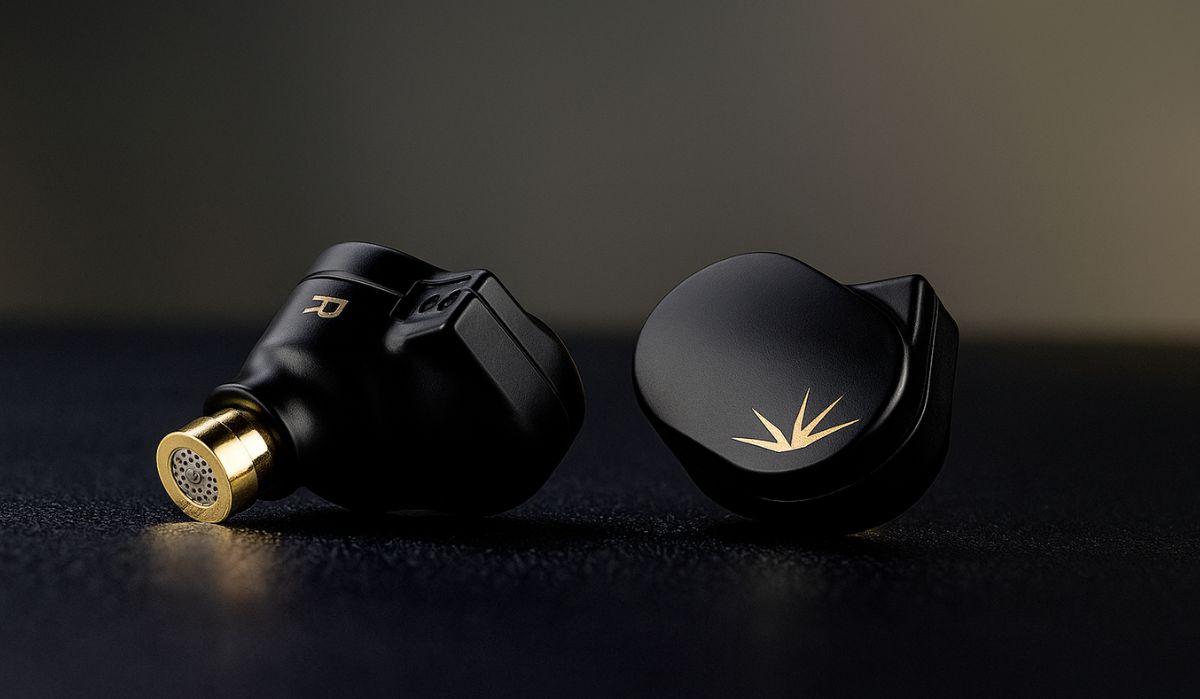
Buy the Moondrop Chu II at ₹1,699 if you want the most proven, most-recommended sound in this budget; get the DSP version instead only if you specifically want a built-in DAC and app-based EQ.
At ₹1,699, the Chu II is the IEM most audiophile forums point beginners toward first, and it’s not hard to hear why. The 10mm aluminum-magnesium driver leans neutral and detailed rather than bass-heavy, which is unusual for a budget wired earphone — most at this price boost the bass to sound impressive in a five-second store demo instead of over hours of actual listening.
Build & Comfort
The shell is cast from zinc alloy, not the resin most competitors use here — it has real heft and doesn’t feel like it’ll crack if you drop it. The nozzle is a separately CNC-machined brass piece, and that’s where the one recurring complaint shows up: in humid conditions, it can develop a visible greenish oxidation layer within a couple of months. It’s cosmetic, cleanable, and not a functional failure, but worth knowing if you’re in a coastal city.
The shape follows Moondrop’s usual compact housing, sitting flush in the ear instead of protruding. Comfortable enough for multi-hour sessions once you find the right eartip size from the three included.
Sound Quality
The 10mm driver uses an aluminum-magnesium alloy diaphragm, tuned to Moondrop’s VDSF target response. In practice that means balanced over bass-heavy, with treble that extends without turning harsh. Vocals sit forward and clear, though female vocals can get a bit sibilant if you push the volume past a comfortable level. What stands out most is separation: individual strings and drum hits stay distinct in busier mixes instead of collapsing into one wall of sound, which is rare to hear at this price.
There’s no onboard tuning here since this is the plain 3.5mm cable, not the DSP version. If you want to shape the sound with EQ, you’re relying on your phone’s own equalizer app rather than Moondrop’s dedicated tool — still workable, just less integrated.
Cable & Fit
The detachable 0.78mm 2-pin cable terminates in a standard 3.5mm jack, so it works with any phone, laptop, or DAC without needing an adapter first — the opposite trade-off from the DSP version, which needs Type-C. If your phone has gone Type-C-only, you’ll need a cheap adapter or should look at the DSP variant instead.
No microphone on this cable, so it’s a pure listening IEM rather than a calls-and-music hybrid. Anyone who needs a mic for calls should look at the DSP version or another pick on this list.
vs The Competition
Against the KZ Castor Pro (#2 on this list), the Chu II is more neutral and refined but loses the physical tuning switch — Castor Pro lets you reshape the sound on the fly, Chu II doesn’t. Against the Tangzu Wan’er SG2 “Red Lion” (#3), the Chu II stays more accurate and detail-forward, while the Red Lion leans warmer and more vocal-centric for Bollywood and acoustic listening. If you specifically want the Chu II sound with a built-in DAC and app EQ, the Chu II DSP further down this list adds both for roughly ₹500 more.
Show more +Pros & Cons
Specifications
- Driver Configuration: 10mm LCP Dynamic Driver
- Frequency Response: 20Hz – 40kHz
- Impedance: 24Ω @ 1kHz
- Sensitivity: 109dB/mW @ 1kHz
- Wired Connectivity: 3.5mm / Type-C






KZ Castor Pro (3.5mm)BEST FOR TUNING CONTROL
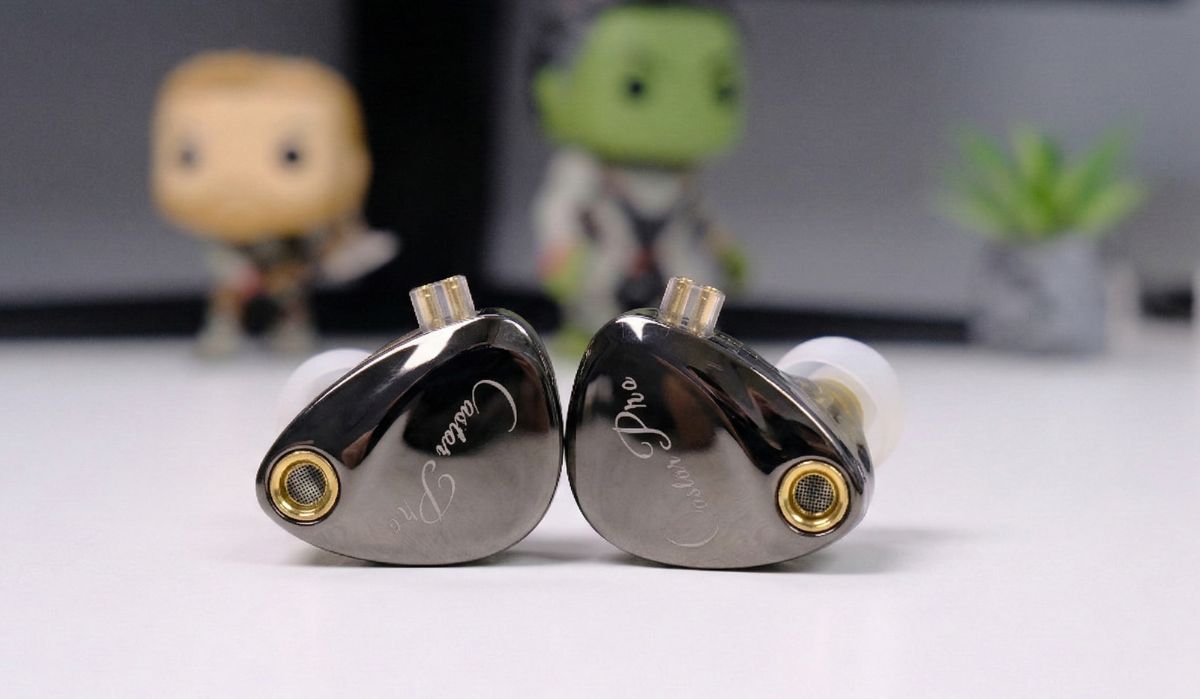
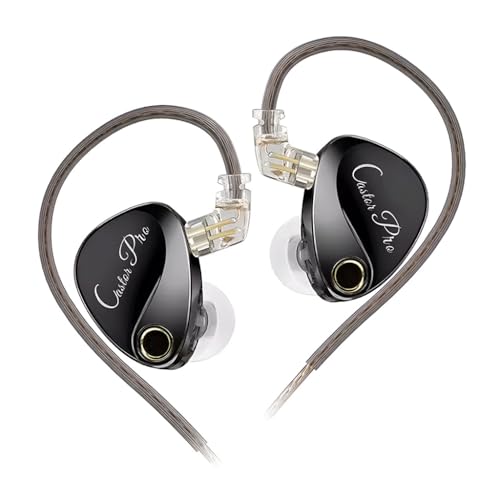
Buy the KZ Castor Pro at ₹1,659 if you want physical tuning switches without opening an app; get the Chu II instead if a fuller metal build and more refined detail matter more to you than flexibility.
At ₹1,659, the Castor Pro takes a different approach to tuning than the Chu II above it. Instead of an app, you get a physical 4-level switch right on the earpiece, and KZ sells it in two versions from the start: a Harman Target variant for balance, and a Harman Target with Improved Bass variant for anyone who wants more low-end without reaching for an EQ.
Build & Comfort
KZ mixes a zinc alloy faceplate with a clear resin shell here, so it’s not the same full-metal build as the Chu II, but it doesn’t feel cheap either. You can actually see the dual drivers through the transparent back, which is more of a talking point than a functional upgrade, but it’s a nice touch on an earphone this price. The fit is ergonomic enough for long sessions, and the included silicone tips do a reasonable job out of the box.
The cable is where the corner-cutting shows. It’s a flat OFC cable in a transparent TPE sheath, functional but noticeably more basic than what Moondrop bundles with the Chu II. It won’t fail on you, but don’t expect it to feel premium in hand.
Sound Quality
The dual 10mm driver setup splits the work: one handles bass and sub-bass, the other covers mids and highs, tied together through a crossover. The result is a fuller low end than a single-driver IEM at this price usually manages, with punch that stays controlled rather than bleeding into the mids. Switch to the Improved Bass variant and it gets noticeably heavier down low, useful for EDM and hip-hop but a bit much for acoustic or classical listening.
The physical 4-way switch is the real selling point. Flip switches on the earpiece itself and you shift between four distinct profiles, from close to neutral to boosted bass and lifted mids and highs, without ever opening a phone app. Straight out of a phone’s 3.5mm jack, the sound can feel a touch closed in; pairing it with even a basic DAC opens up the soundstage noticeably, which is a common note across owner reviews.
Cable & Mic
The detachable 0.78mm 2-pin cable terminates in 3.5mm, so it works with any wired source without needing an adapter. KZ sells both a With Mic and Without Mic version at the same price point, so pick based on whether you’ll be taking calls on it.
The in-line mic on the With Mic version handles calls acceptably, with one-touch control for music and calls. It’s not going to replace a dedicated headset for long calls, but it’s fine for quick ones on the commute.
vs The Competition
Against the Chu II (#1 on this list), the Castor Pro trades some refinement and build quality for real-time tuning flexibility and a lower price. Against the Tangzu Wan’er SG2 “Red Lion” (#3), the Castor Pro is more adjustable but less naturally warm — the Red Lion doesn’t need a switch to sound pleasant with vocals, the Castor Pro needs you to find the right setting first.
Show more +Pros & Cons
Specifications
- Driver Configuration: Dual 10mm Dynamic Driver (dedicated bass driver + mid-high driver)
- Frequency Response: 20Hz – 40kHz
- Impedance: 22–40Ω (Harman Target) / 16–22Ω (Improved Bass version)
- Sensitivity: 101–104dB (Harman Target) / 100–103dB (Improved Bass version)
- Wired Connectivity: 3.5mm
- Cable Connector: 0.78mm 2-pin detachable
- Cable Material: OFC (Oxygen-Free Copper), transparent TPE sheath
- Cable Length: About 120cm
- Microphone: Available in With Mic and Without Mic variants
- Sound Tuning/EQ: 4-level physical switch, 2 tuning variants at purchase
- Build: Zinc alloy faceplate, clear resin shell
- Variants: Harman Target / Harman Target Improved Bass, With Mic / Without Mic
- Warranty: 1 year



Tangzu Wan’er SG2 “Red Lion” (Type-C, 3.5mm)BEST FOR VOCALS, Bollywood Songs
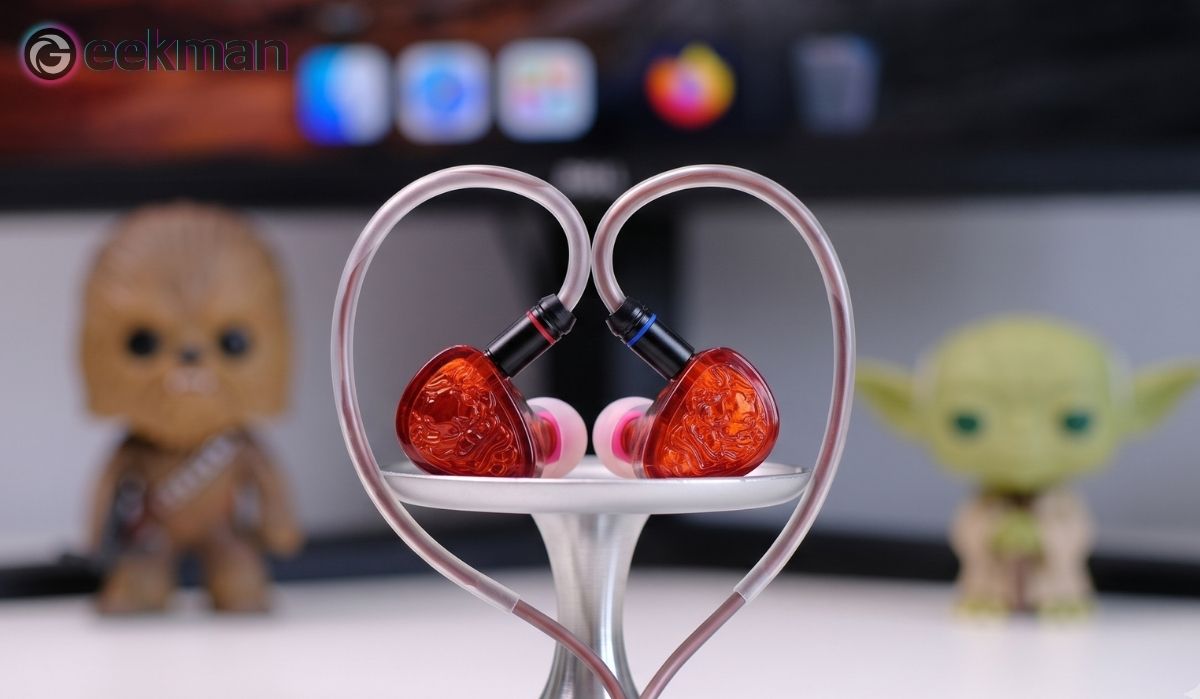
Buy the Red Lion at ₹2,200 if you want a warm, easy-listening sound with the best accessories in this list; get the Chu II instead if you want technical accuracy over warmth.
Tangzu didn’t just make an earphone with the Red Lion, they made an unboxing experience — two full eartip sets, a colour-matched braided cable, a carry case, a cleaning cloth. It’s sold out across three limited-edition drops on Headphone Zone this year and become Tangzu’s best-selling product in India. Underneath the packaging, though, is a genuinely warm, bass-forward single dynamic driver that’s easy to like on the first listen.
Build & Comfort
The shell is translucent ruby-red medical-grade PET resin, not metal, so it’s noticeably lighter than the Chu II or Castor Pro. One Head-Fi reviewer called it “light like a toy,” which is a bit unfair but does capture the feel — it’s ergonomic and comfortable for hours, just don’t expect the same in-hand heft as this list’s metal-shelled entries.
The nozzle is larger than most, which secures a good seal but makes swapping between the two included eartip types slightly more fiddly than it should be.
Sound Quality
This is a retuned single dynamic driver with monocrystalline silver-plated internal wiring, and it leans warm and bass-forward, following what Tangzu calls its “lion-inspired” tuning: powerful but controlled. Bass has real authority without turning boomy, and the midrange has a rich, engaging warmth that suits Bollywood, jazz, and acoustic tracks especially well.
Vocals are where reviewers are split. Most call it engaging and laid-back, but a few detailed reviews note occasional tonal inaccuracy, especially on female vocals, likely a side effect of prioritizing warmth over neutrality. It’s not a fault so much as a tuning choice — if you want accuracy over colour, the Chu II is the better pick.
Cable & Accessories
This is genuinely the strongest unboxing experience in this entire list. Two full eartip sets, a colour-matched braided silver-plated OFC cable, a silicone case, and a cleaning cloth — most competitors ship one cable and one tip set. The 0.78mm 2-pin connector means the cable is upgradeable later if you want to chase further improvements.
At roughly 20Ω impedance, it’s one of the easiest IEMs here to drive — a phone’s headphone jack or a basic dongle is more than enough, no dedicated DAC needed.
vs The Competition
The Chu II (#1) and Red Lion sit at opposite ends of the same budget: neutral detail versus warm engagement. The 7Hz Salnotes Zero (#5 further down) pushes even further toward neutral-bright than the Chu II, so if you found the Chu II a touch too clinical, the Red Lion is the corrective, and if you found it not detailed enough, the Zero is the other direction entirely.
Show more +Pros & Cons
Specifications
- Driver Configuration: 10mm PET diaphragm single dynamic driver, monocrystalline silver-plated wiring
- Frequency Response: Not officially published; tuned for bass-forward warmth
- Sensitivity: 113.5dB
- Impedance: ~20Ω
- Wired Connectivity: 3.5mm
- Cable Connector: 0.78mm 2-pin detachable
- Cable Material: Silver-plated OFC, colour-matched braided sleeve
- Microphone: Available on select variants
- Build: Translucent ruby-red medical-grade PET resin
- In the Box: 2 eartip sets (HE Sonic, Sancai), silicone case, cleaning cloth
- Warranty: 1 year (3 months on cable)

CCA Phoenix (Type-C, 3.5mm)BEST TECHNICALS / PREMIUM BUILD
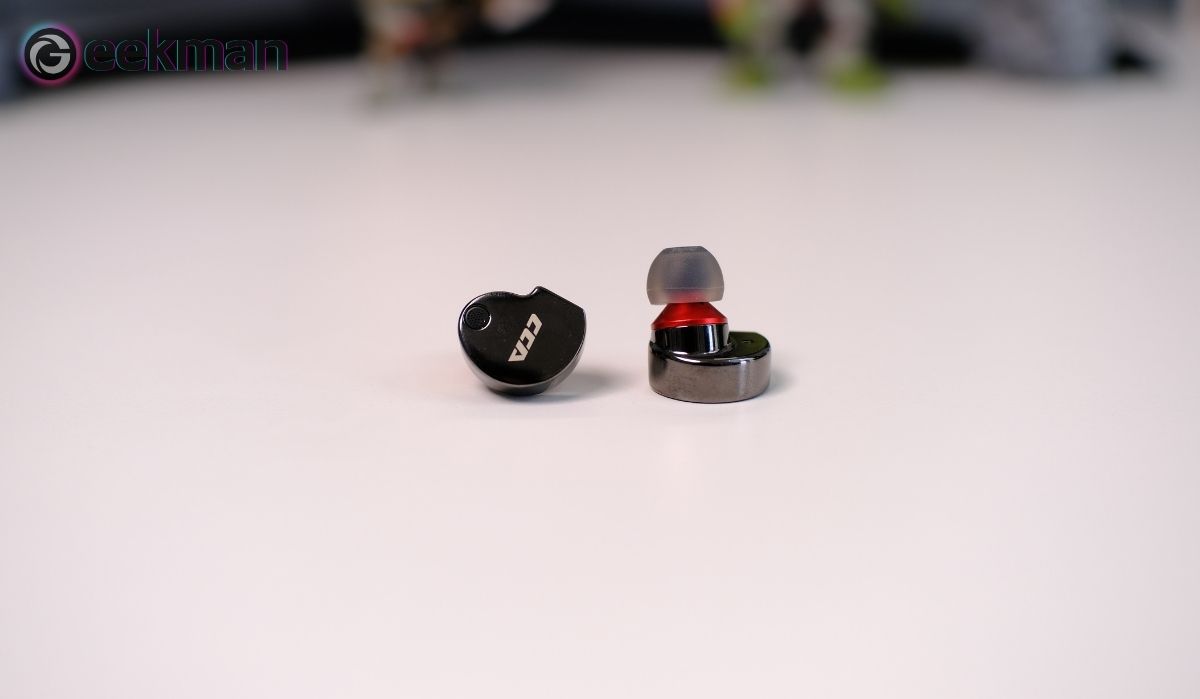
Buy the CCA Phoenix at ₹2,609 if you want the most technically capable IEM here and can pair it with a DAC; stay with the Chu II or Castor Pro if ₹2,000 is a hard ceiling.
At ₹2,609, the Phoenix sits above this list’s ₹2,000 promise, and we’re upfront about that. It earns its place anyway: a full zinc-alloy metal shell, a 10mm LCP driver tuned to the Harman target, and technical performance that reviewers have called a genuinely ridiculous value for what you pay. If you can stretch budget, this is the sound-quality ceiling of this entire list.
Build & Comfort
This is the only fully metal-shelled IEM in this list — zinc alloy, CNC finished, with real weight in hand. It’s the kind of build quality you’d expect a segment higher, and it’s a large part of why reviewers keep calling this a standout value.
Sound Quality
The 10mm driver uses an LCP diaphragm tuned to the Harman target, blending fun with genuine technical ability better than most rivals at this price. Detail retrieval, imaging, and separation all sit ahead of the rest of this list — it’s the closest thing here to a step up into the next price bracket. It isn’t the warmest set for vocals, and it genuinely benefits from a dedicated DAC to unlock its full resolution.
vs The Competition
Nothing else in this list matches the Phoenix on raw technicals, which is exactly why it’s here despite the price. It’s a clear step up in resolution over the Chu II (#1) if you’re willing to pay for it and add a DAC. Compared with the Castor Pro (#2), it trades tuning-switch flexibility for a more refined single-driver sound. corrective, and if you found it not detailed enough, the Zero is the other direction entirely.
Show more +Pros & Cons
Specifications
- Driver Configuration: 10mm dual-magnet dynamic driver, LCP diaphragm
- Sound Tuning: Harman-target tuned
- Wired Connectivity: 3.5mm / Type-C variants
- Build: Full zinc-alloy metal shell
- Warranty: 1 year


7Hz Salnotes Zero (Type-C, 3.5mm)BEST FOR AUDIOPHILES
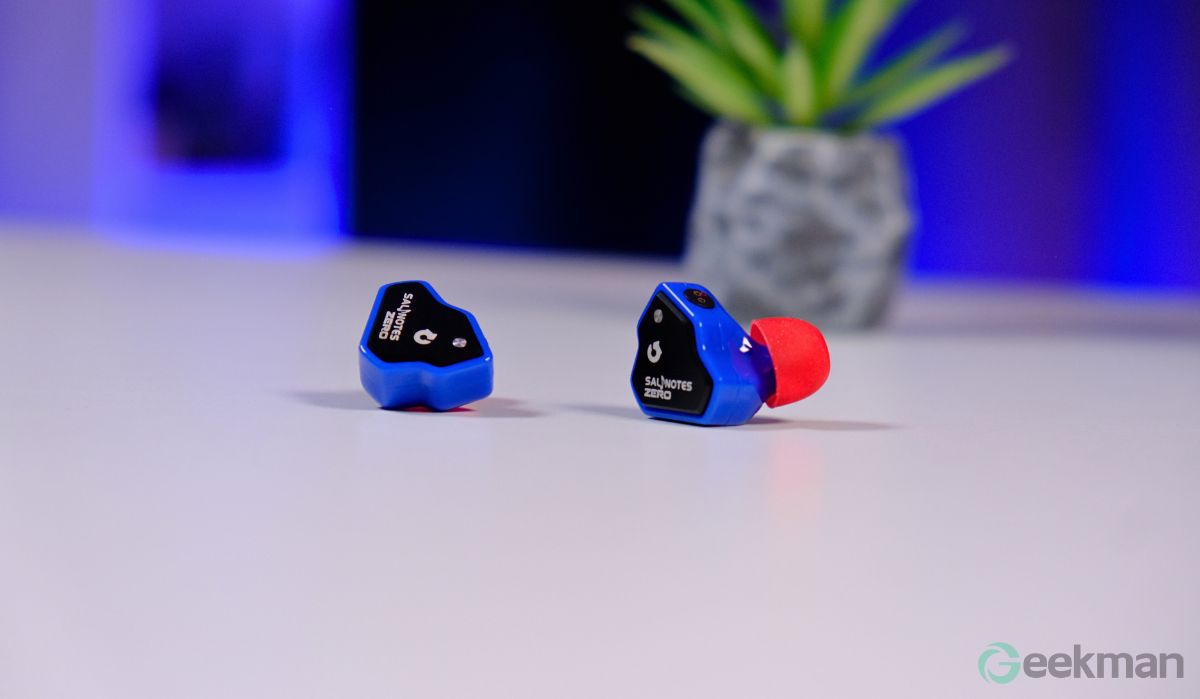
Buy the Salnotes Zero at ₹1,690 if clarity and honest detail matter more than bass weight; get the Red Lion instead if you want warmth over accuracy.
We’ve reviewed this one on Geekman before, and our opinion hasn’t changed: at ₹1,690, the Salnotes Zero is one of the few genuinely neutral-tuned IEMs at this price, developed in collaboration with Crinacle, a reviewer known for exactly this kind of measurement-first tuning. It won’t flatter bad recordings, but it won’t lie to you either.
Build & Comfort
An eco-friendly plastic chassis with a stainless steel faceplate keeps this light without feeling cheap. It’s a mid-sized shell that fits comfortably for long sessions, and the detachable gold-plated 0.78mm cable is a nice touch this far down the price ladder.
Sound Quality
The 10mm driver with a metal composite diaphragm is tuned closer to neutral than almost anything else in this price bracket. Mids are clean and forward, treble extends without turning harsh, and imaging is precise enough that you can place instruments and footsteps with real confidence. Bass is present but restrained — accurate rather than exciting, which is exactly the point of this tuning philosophy.
This restraint is also its one real limitation for casual listeners. If you’re used to a boosted-bass TWS signature, the Zero will initially sound thin. Give it a week and most people adjust; if you never do, the Red Lion is the better fit.
vs The Competition
The Zero and Chu II (#1) share a similar balanced philosophy, but the Zero pushes brighter and leaner while the Chu II keeps a touch more warmth. The Red Lion (#3) is its near-opposite: warm and bass-forward where the Zero is neutral and restrained. Pick based on which side of that line you land on.
Show more +Pros & Cons
Specifications
- Driver Configuration: 10mm dynamic, metal composite diaphragm
- Sound Tuning: Crinacle-collaborated neutral-bright
- Wired Connectivity: 3.5mm (Type-C with mic variant also available)
- Cable Connector: 0.78mm 2-pin detachable
- Cable Material: Gold-plated OFC
- Build: Plastic chassis, stainless steel faceplate
- Warranty: 1 year (3 months on cable)


CCA Xyraa (Type-C, 3.5mm)BEST GAMING + MUSIC HYBRID
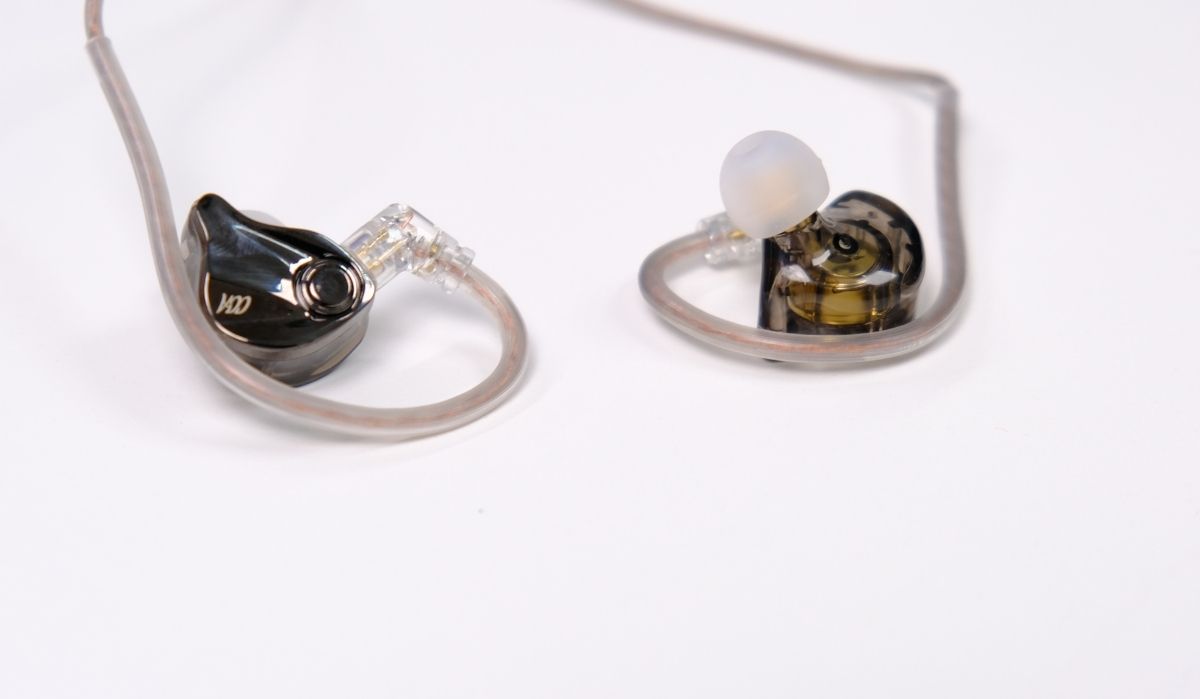
Buy the CCA Xyraa at ₹2,069 if you genuinely split time between gaming and music; if you only need one or the other, a dedicated pick elsewhere on this list will serve you better for less.
Most IEMs under ₹2,000 pick a lane: gaming or music, single driver, done. The Xyraa, which we’ve also reviewed separately on Geekman, tries something different at ₹2,069 — a hybrid dynamic driver plus balanced armature setup, with what CCA calls “dual-scene” tuning that shifts emphasis depending on what you’re doing.
Build & Comfort
A zinc-alloy “liquid metal” faceplate paired with a skin-friendly resin rear gives this a two-material look that’s more distinctive than most budget hybrids. The stock cable and eartips, though, are the usual KZ-family basics — serviceable, not memorable.
Sound Quality
A 10mm dynamic driver handles bass and sub-bass while a custom 30118 balanced armature covers mids and highs, and the BA here genuinely doesn’t sound metallic or thin, which is the usual complaint with budget hybrids. The “dual-scene” tuning lifts the 4-6kHz range slightly for gaming, sharpening footsteps and directional cues, while the music-focused profile smooths that back out for a more natural listen.
The trade-off is treble energy. On already bright-mastered tracks or at higher volumes, it can edge toward sharp, and a few reviewers note female vocals occasionally sounding shouty. If your ears are treble-sensitive, this isn’t the pick.
vs The Competition
The Castor Pro (#2) wins for all-day comfort, the Xyraa wins for engagement and gaming precision — brighter and more detailed, but less fatigue-free over long sessions. Put next to the Fiio JD1 (#7 further down), the Xyraa is the more technical, gaming-first option, while the JD1 stays warmer and easier to just put on and forget about.
Show more +Pros & Cons
Specifications
- Driver Configuration: 10mm custom-tuned dynamic driver + 30118 balanced armature
- Frequency Response: 20Hz – 40kHz
- Sensitivity: 108–110dB
- Impedance: 27–33Ω
- Wired Connectivity: 3.5mm / Type-C
- Cable Connector: 0.75mm 2-pin
- Cable Material: High-purity OFC dual parallel
- Build: Zinc-alloy faceplate, resin shell
- Sound Tuning: Dual-scene (gaming / music profiles)
- Warranty: 1 year

Fiio JD1 (Type-C, 3.5mm)BEST USB-C DAC PICK
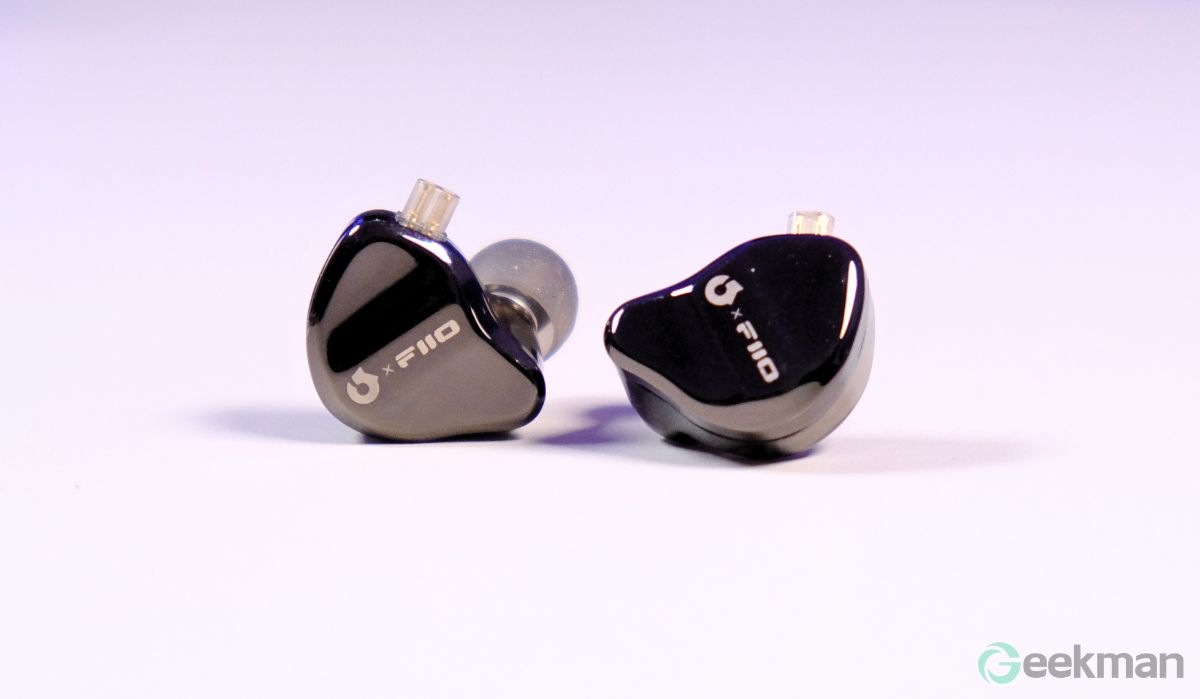
Buy the Type-C JD1 at ₹1,699 if you want a built-in DAC without spending more; get the ₹1,499 3.5mm version if you already own one.
FiiO built the JD1 with one job: convince someone buying their first real IEM that wired sound is worth the switch. At ₹1,499 for the 3.5mm version, or ₹1,699 for the Type-C variant with a built-in DAC, it uses the same LCP driver material FiiO originally developed for its flagship products, scaled down to an entry price.
Build & Comfort
A liquid die-cast zinc-alloy faceplate paired with an acrylic body gives this a semi-custom shell that punches above its price visually, even if a thin seam between metal and acrylic gives away its entry-level positioning up close. At 7g per side, it’s genuinely one of the lightest options here, and it disappears in the ear for long sessions.
Sound Quality
FiiO tuned this specifically to impress on the first listen: thick, energetic bass up front, clear vocals, and treble that’s deliberately rolled off just enough to avoid the fatigue that budget IEMs are often guilty of. If KZ’s house sound has ever felt too sharp on your ears over long sessions, the JD1 keeps that same low-end energy with a noticeably smoother top end.
The Type-C variant’s built-in DSP adds five presets — Default, Bass Extension, Treble, Vocal, and Harman Reference — toggled by pressing the volume buttons together. It’s a genuinely useful feature at this price, not just a marketing checkbox, though the bass can bleed slightly into the mids on the more bass-forward presets.
vs The Competition
The Chu II DSP (further down this list) has the more refined, detailed sound and a deeper EQ system, but the JD1 is the cheaper way to get a built-in DAC if you can stretch the budget less. Next to the CCA Xyraa (#6), the JD1 is the warmer, easier-listening choice; the Xyraa trades that comfort for a sharper, more gaming-focused edge.
Show more +Pros & Cons
Specifications
- Driver Configuration: 10mm LCP (Liquid Crystal Polymer) dynamic driver
- Magnetic Circuit: Asymmetrical internal/external design
- Wired Connectivity: 3.5mm / Type-C with built-in DSP DAC (96kHz/24-bit)
- Sound Tuning/EQ: 5 presets on Type-C variant (Default, Bass Extension, Treble, Vocal, Harman Reference)
- Cable Connector: 0.78mm 2-pin detachable
- Build: Zinc-alloy faceplate, acrylic body, aluminum nozzle
- Weight: ~7g per ear unit
- Microphone: Yes, both variants
- Warranty: 1 year

| Model | Price | Best For | Connectivity | Driver Type |
|---|---|---|---|---|
| Moondrop Chu II | ₹1,699–2,099 | Overall / first IEM | 3.5mm | 10mm Al-Mg DD |
| KZ Castor Pro | ₹1,558–1,859 | Tuning flexibility | 3.5mm | Dual 10mm DD |
| Tangzu Wan’er SG2 Red Lion | ₹2,200 | Vocals / Bollywood | 3.5mm | 10mm PET DD |
| CCA Phoenix | ₹2,609–2,880 | Premium build / technicals | 3.5mm / Type-C | 10mm LCP DD |
| 7Hz Salnotes Zero | ₹1,690–1,990 | Audiophile / neutral detail | 3.5mm / Type-C | 10mm metal composite DD |
| CCA Xyraa | ₹2,069 | Gaming + music hybrid | 3.5mm / Type-C | 10mm DD + BA hybrid |
| 7 Fiio JD1 | ₹1,499–1,699 | USB-C DAC / no dongle | 3.5mm / Type-C | 10mm LCP DD |
| Moondrop Chu II DSP | ₹2,199–2,590 | Stretch pick — DAC + app EQ | Type-C only | 10mm Al-Mg DD |
FAQ
Which IEM is best overall under ₹2,000 in India?
The Moondrop Chu II is our top pick. Its 10mm aluminum-magnesium alloy driver gives a balanced, detailed sound that doesn’t over-emphasize bass or treble, and the zinc-alloy shell feels sturdier than most earphones at this price. If you want more tuning control instead, the KZ Castor Pro’s physical 4-way switch is the next best option.
No. Every IEM in this list is easy to drive straight from a smartphone’s 3.5mm jack or a basic USB-C dongle DAC (these cost under ₹500). A dedicated DAC can slightly improve detail on the CCA Phoenix and Chu II DSP, but it isn’t required to enjoy any of these picks.
Neither is inherently better for sound quality — the difference is convenience versus flexibility. Type-C variants with a built-in DAC (like the Chu II DSP or Fiio JD1) skip the need for a separate dongle on phones without a headphone jack. 3.5mm variants work with any device that has a jack, including laptops, DAPs, and older phones, and are generally the safer choice if you plan to pair the IEM with a dedicated DAC later.
The CCA Xyraa is built specifically for this — its “dual-scene” tuning sharpens footsteps and directional cues without sacrificing music playback, and its wired design keeps latency under 17ms. The 7Hz Salnotes Zero is a strong runner-up if you prioritize precise imaging for competitive shooters over bass impact.
For pure sound quality, yes. Wireless earbuds at this price spend a large part of their budget on batteries, Bluetooth chips, and charging cases, leaving less for the actual driver. A wired IEM puts almost the entire price into the driver and tuning, which is why a ₹1,700 IEM can outperform a ₹3,000 pair of wireless earbuds on detail and accuracy. The trade-off is obvious: no wireless convenience, and you’re tethered to your source.




Best item under 1000?
any suggest for gaming under 1000 or max 1200 rs?
Bro, suggest me good IEM under 1000 or create separate list of that, thank.s.