
I bought the Realme Buds T500 Pro with my own money. No sponsorship, no PR sample. Just an honest purchase unit that I tested for 48 hours straight — music, calls, gaming, travel, everything.
At ₹2,599 this thing packs 50dB ANC, LHDC 5.0 Hi-Res audio, Bluetooth 6.1, triple device connectivity, and 56 hours of total battery life. On paper, these are specs you would find in earbuds costing ₹4,000 to ₹5,000 just six months ago.
But specs and real life are two different things. I have tested almost every best selling earbuds under ₹3,000 this year — CMF Buds 2 Plus, Realme Buds Air 8, OnePlus Nord Buds 4 Pro, OPPO Enco Buds 3 Pro+, Realme T310, Realme T200 — and I am putting the Realme Buds T500 Pro up against all of them in this review.
So the big question is simple. Is the Realme Buds T500 Pro actually the best earbuds under ₹3,000 right now? Or is “Pro” just a marketing word?



Realme Buds T500 Pro Specifications
| Specification | Details |
|---|---|
| Driver | 12.4mm Titanium-Plated Dynamic |
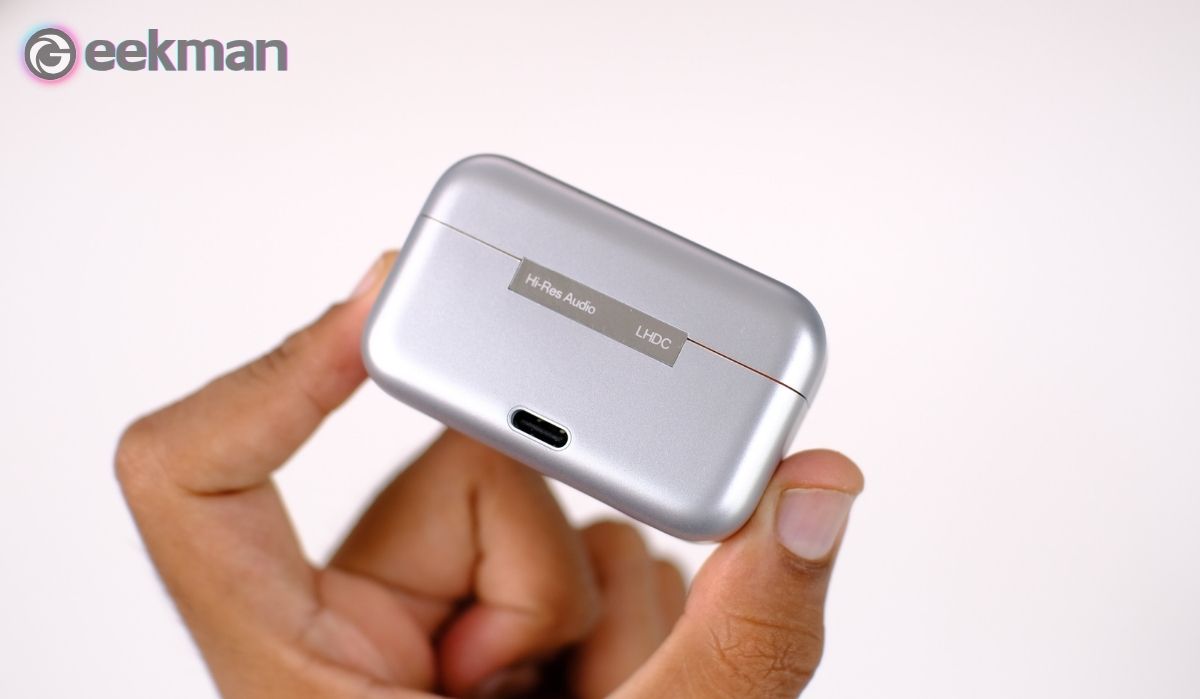
| Codec Support | LHDC 5.0, AAC, SBC |
| ANC | Up to 50dB (4-Level + Smart Auto) |
| Bluetooth | 6.1 |
| Battery (Earbuds) | Up to 10 hours (ANC OFF) |
| Battery (Total) | 56 hours |
| Fast Charging | 10 min = 10 hours playback |
| Earbud Battery | 62mAh per earbud |
| Case Battery | 530mAh |
| Microphones | 6 (AI Noise Reduction) |
| Connectivity | Triple Device + Google Fast Pair |
| Water Resistance | IP55 (earbuds only) |
| Earbud Weight | 4.5g per earbud |
| Charging Port | USB-C |
| Wear Detection | Yes |
| Gaming Mode | 45ms Low Latency |
| Spatial Audio | 360° Audio |
| Colors | Lemon Cola, Orange Mint, Chocolate |
Realme Buds T500 Pro Unboxing
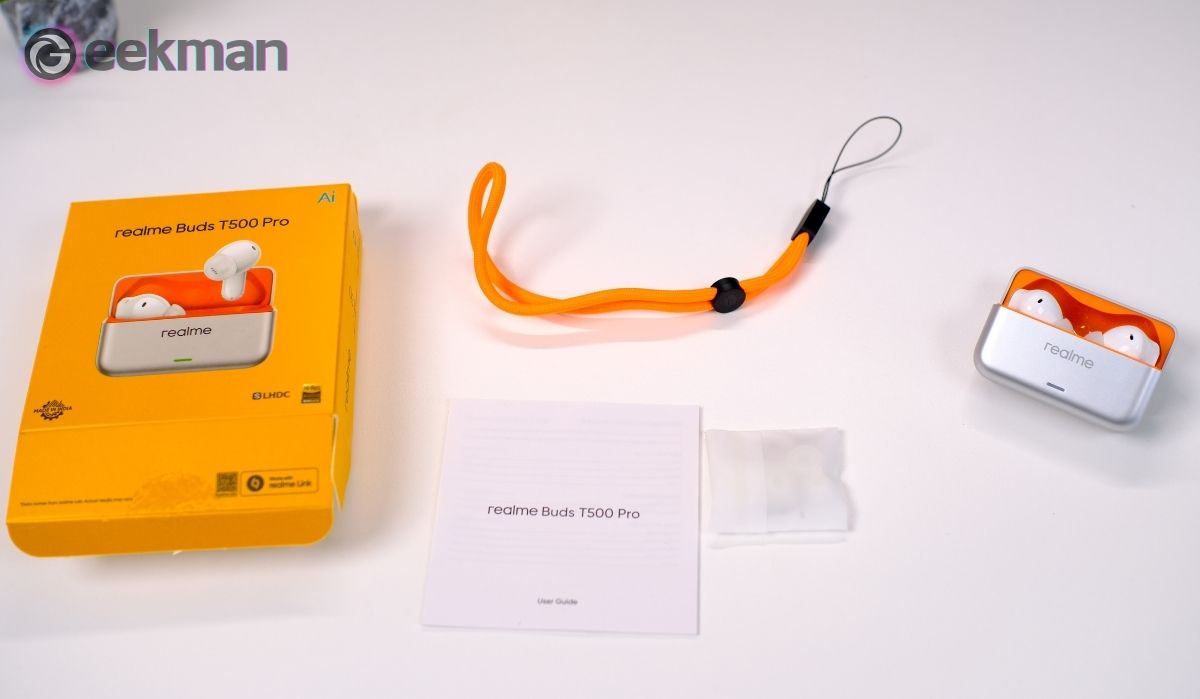
- Realme Buds T500 Pro Earbuds
- Silicone Ear Tips (S, M, L — M pre-attached)
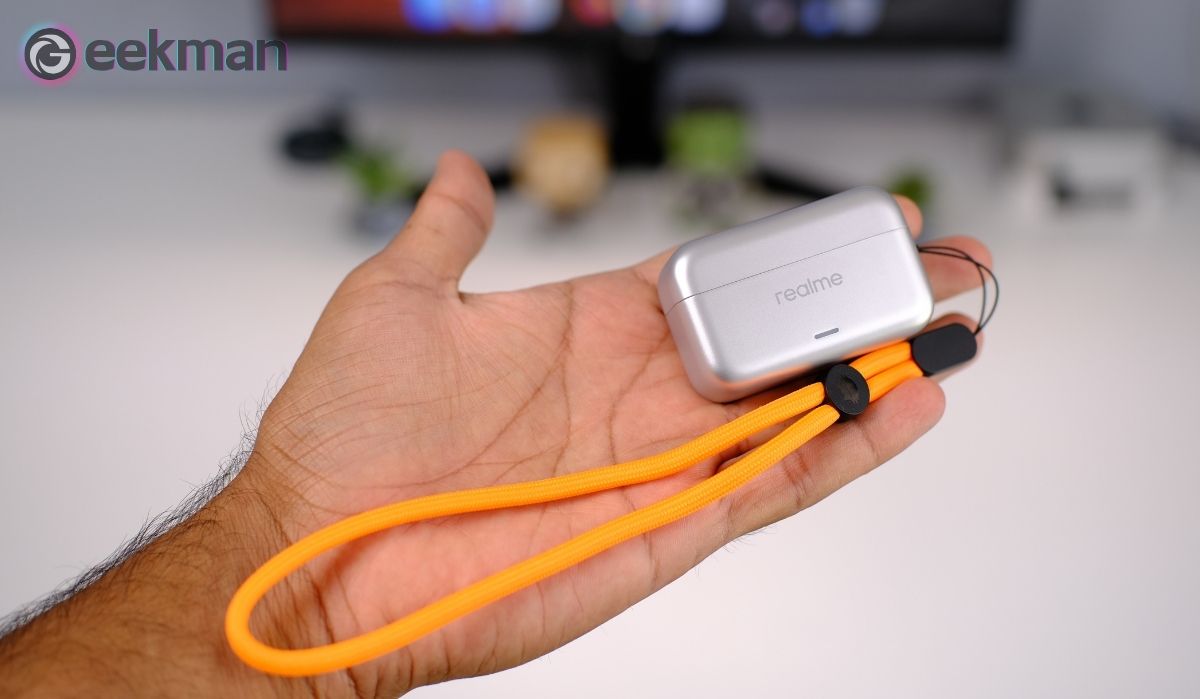
- Lanyard
- Quick Start Guide
Design, Build and Comfort
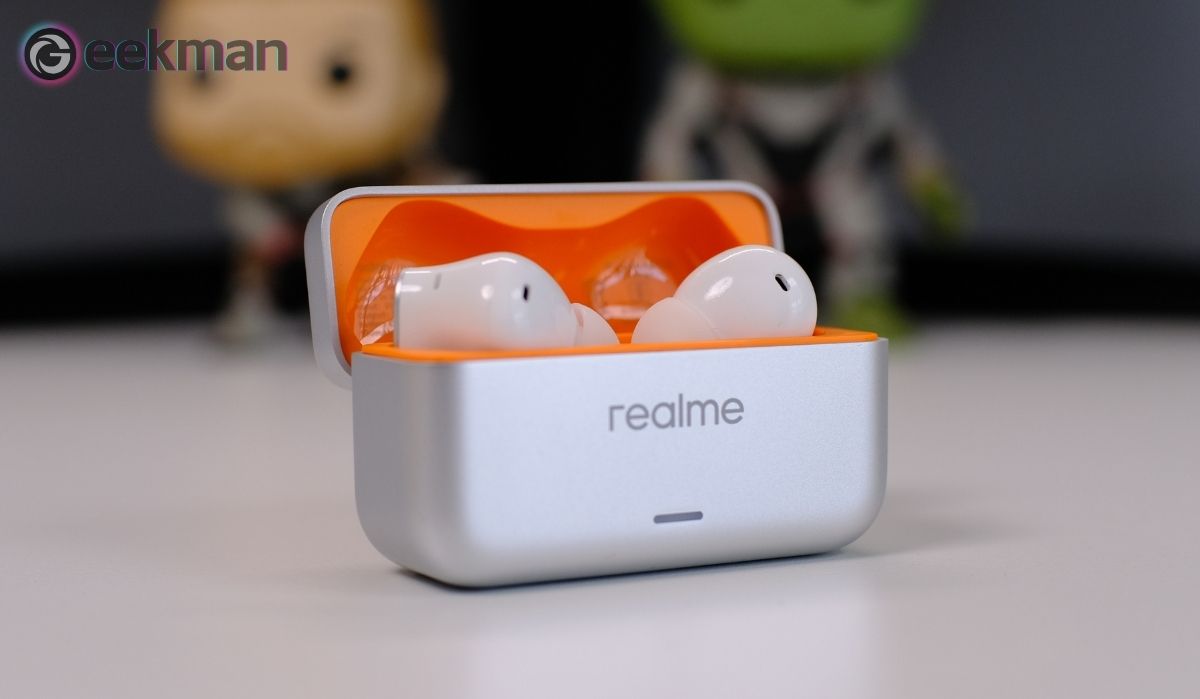
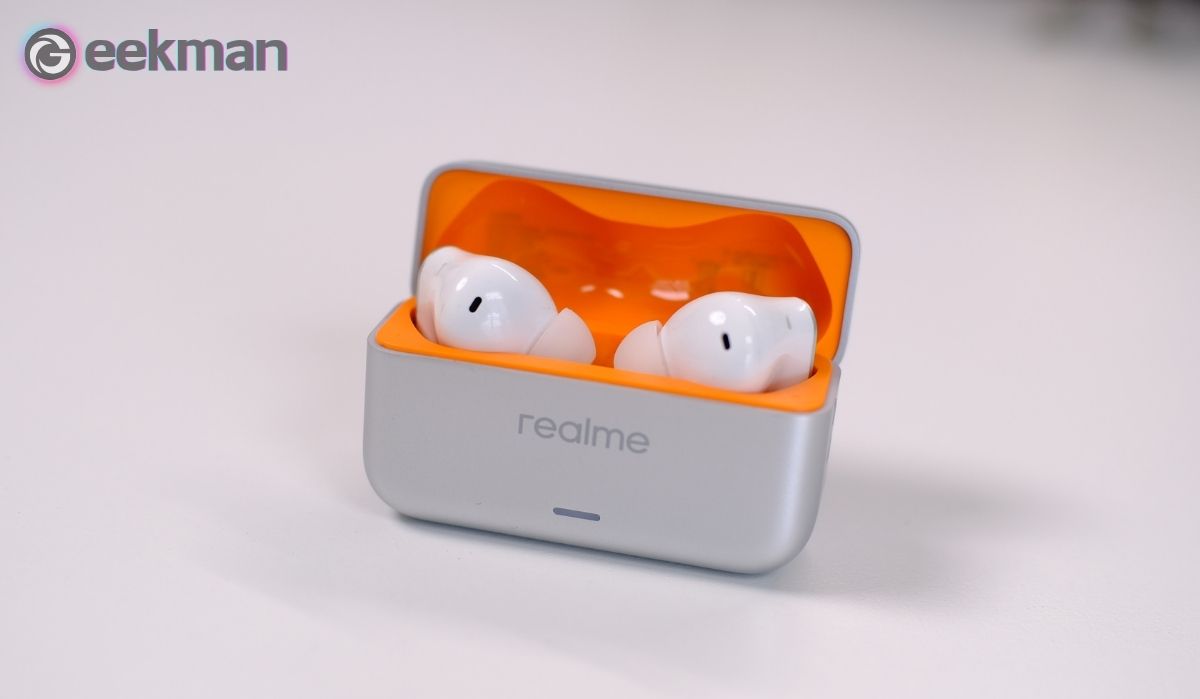
The first thing you notice is the case. It is tiny. Realme calls it a candy box design and honestly that is accurate. This might be the most compact TWS charging case in the Indian market right now. You can drop it in your pocket and forget it is there.
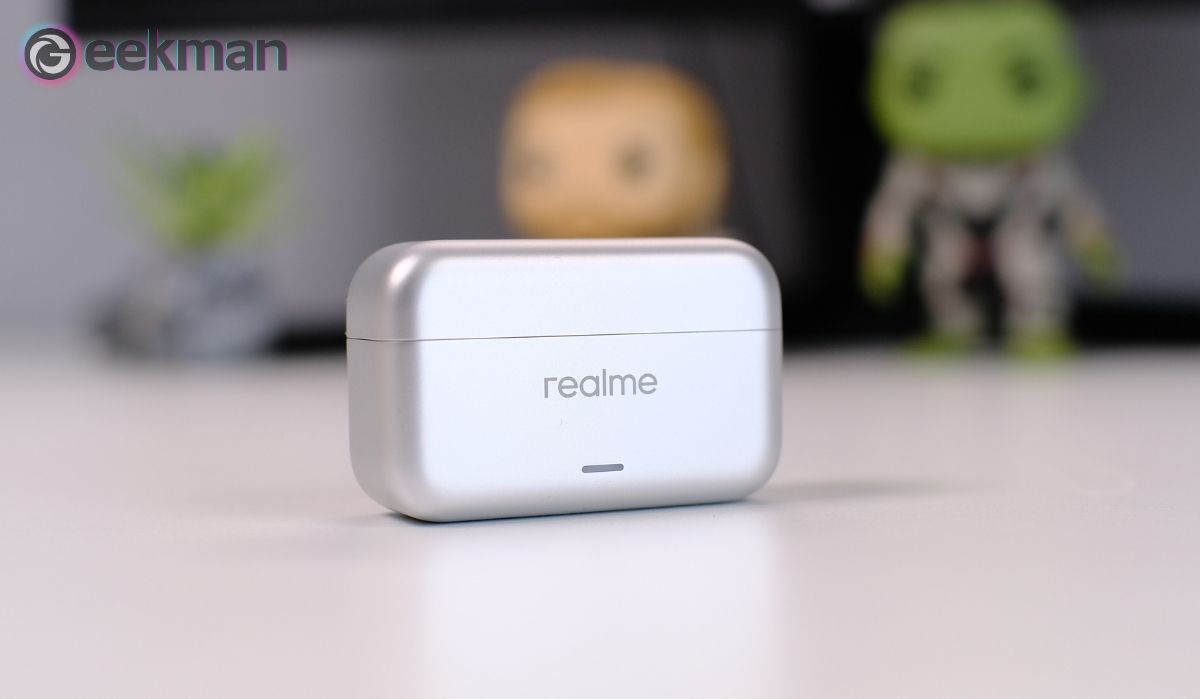
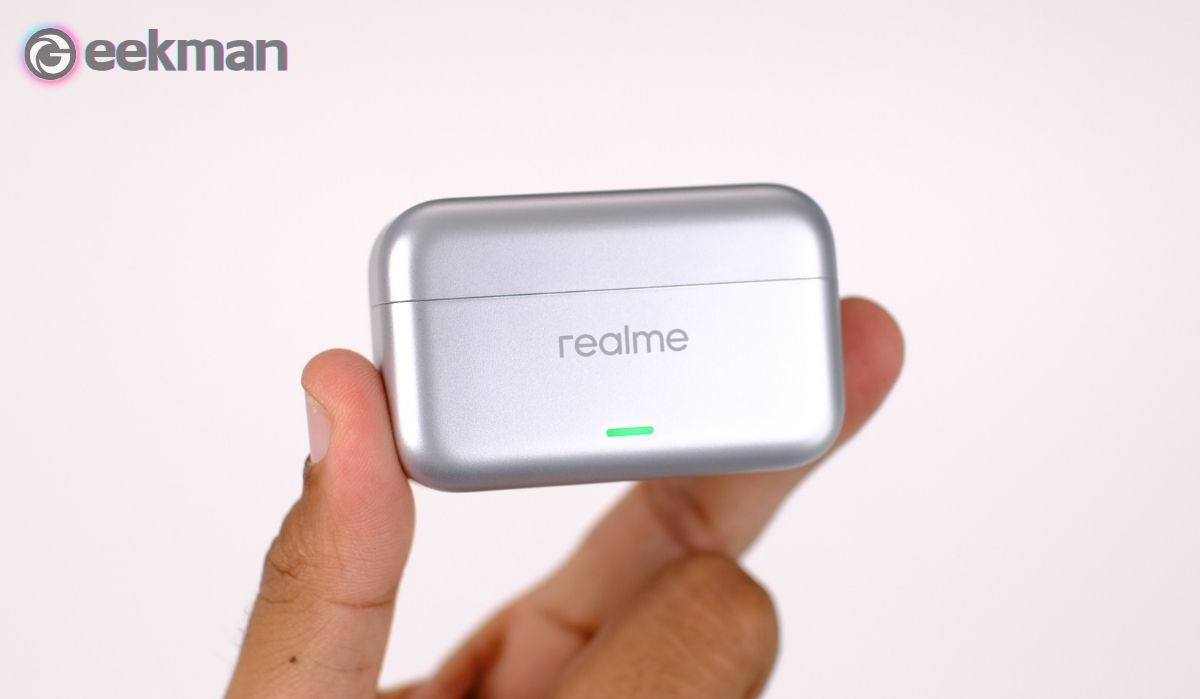
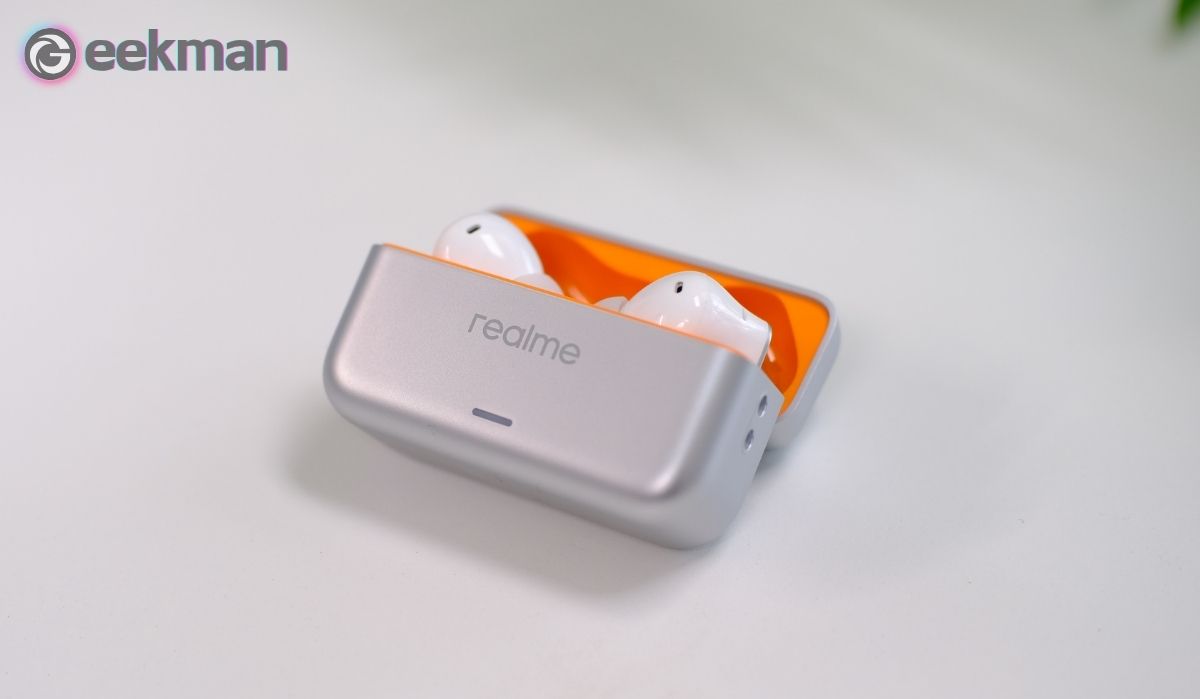
The case is not some flimsy plastic either. The build quality is better than what you get from boAt, Boult, and even the OnePlus Nord series at this price. The hinge feels smooth. You can open it with one hand. USB-C port on the bottom, LED indicator on the front. Nothing fancy, but nothing feels cheap.
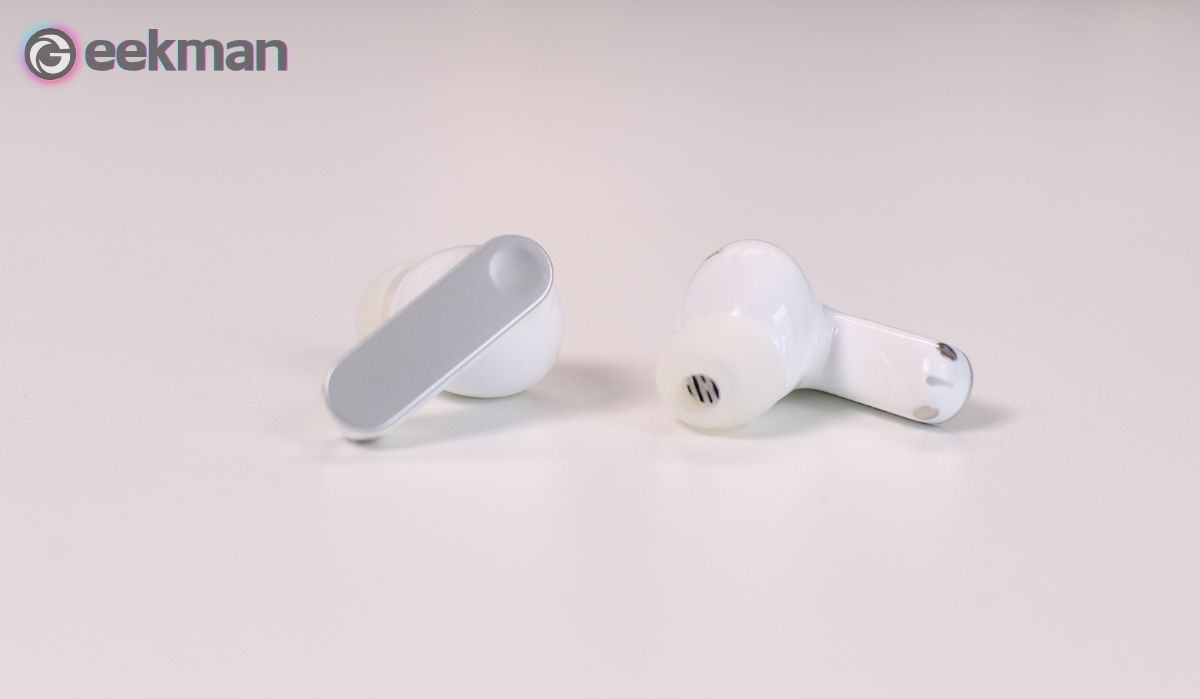
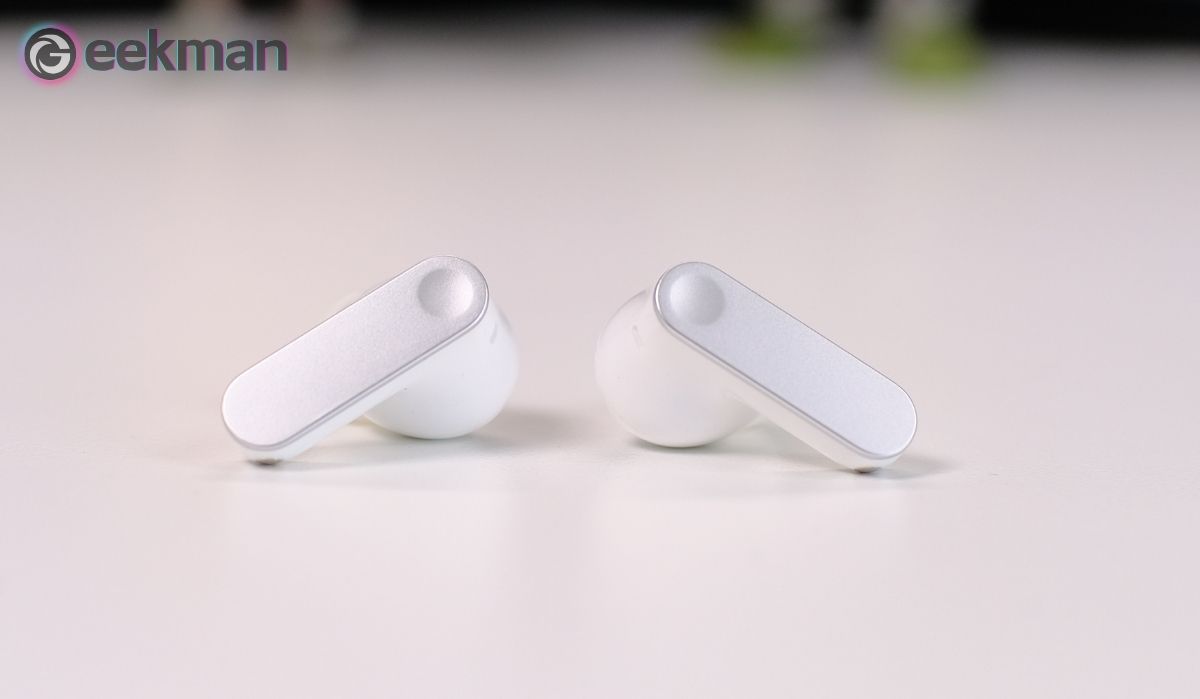
The earbuds themselves weigh 4.5 grams each. That is lighter than a five rupee coin. They use a standard in-ear stem design with silicone tips. The fit was good for me on the first try, but ear shapes vary so you might need to swap tips.
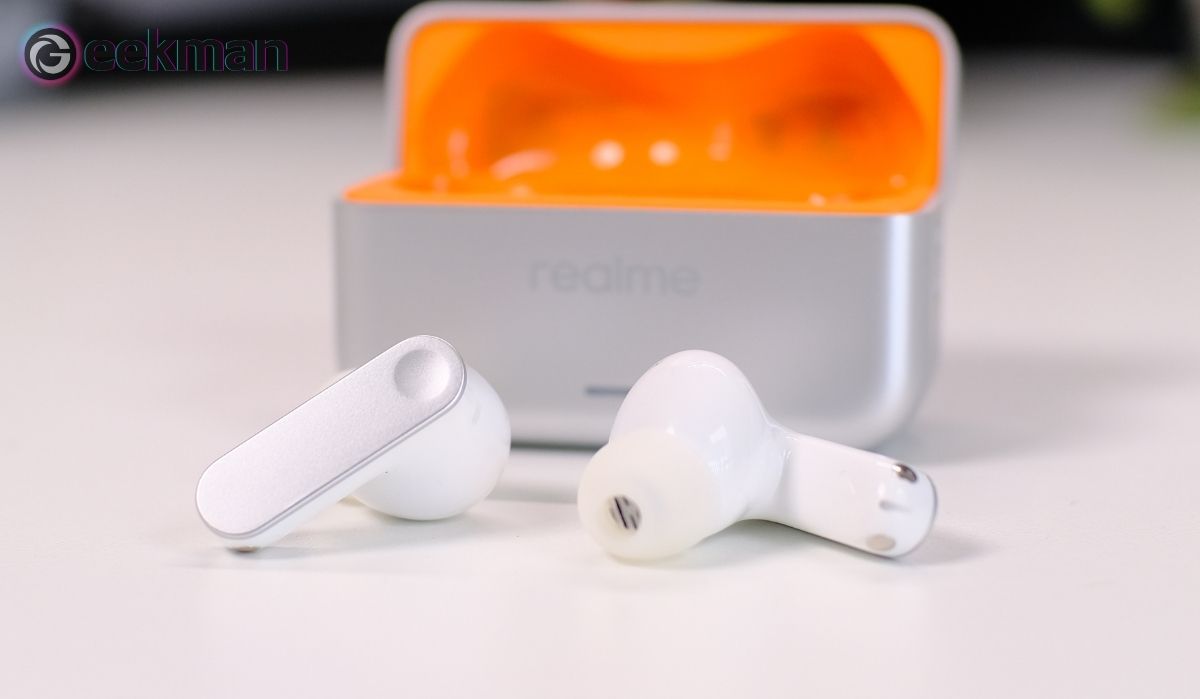
Three color options are available — Lemon Cola, Orange Mint, and Chocolate. The names sound like a candy shop, not an electronics brand. But the Orange Mint variant looks genuinely nice. It has a silver and orange combination that feels a bit unique in this price range.
Touch controls work well. Response is decent, accidental touches are not a problem. You can customize gestures through the Realme Link app and even use triple tap for volume control.
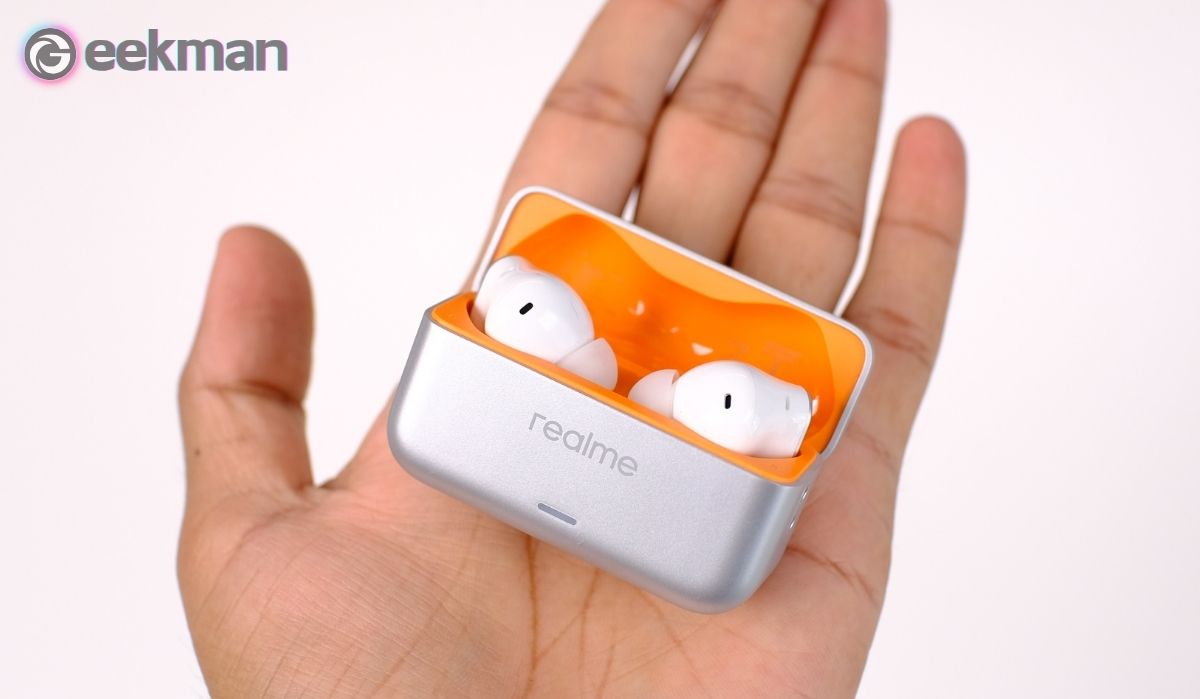
Comfort is good for longer listening sessions. The earbud shape is similar to the Realme Buds Air 8, which was also comfortable. You can wear these for two to three hours without any ear fatigue.
Fitting is secure enough for gym use and motorcycle riding. They do not slip out easily. IP55 rating means they handle sweat, dust, and light rain without issues. But only the earbuds have this rating. The charging case has no water resistance, so keep that dry.
One complaint — the Realme Link app requires a mandatory login. You have to create an account before you can access any customization features like EQ or gesture settings. OnePlus and OPPO phone users get these features directly in Bluetooth settings, but if you are on a Samsung or other phone, you are stuck with the app login. It is annoying.
ANC Performance: Does 50dB Actually Work?
Realme claims up to 50dB ANC with a 5000Hz wide frequency range. There is a real-time AI system that adjusts based on your ear fit and surrounding environment. Four levels of ANC adjustment plus a smart auto mode.
That is the marketing. Here is what actually happens.
Low frequency noise like air conditioners, ceiling fans, and train engine rumble — the T500 Pro blocks about 80 percent of it. In a room with the AC running, I could barely hear it with ANC on. On a train, the engine drone drops noticeably. This is genuinely good performance for the price.
Mid frequency noise like traffic sounds and people talking around you — expect about 50 percent reduction. You will not get full silence. Conversations are still audible, just quieter. In a crowded coffee shop, background chatter becomes a low murmur but does not disappear.
High frequency noise like car horns, doorbells, and sharp voices — these will cut through. You will hear them. And honestly, that is not just a T500 Pro problem. Every earbuds under ₹5,000 struggles with high frequency noise cancellation. The physics of small drivers and limited processing power make it very difficult.
How does it compare to the competition? The Realme Buds Air 8 and CMF Buds 2 Plus have slightly better ANC. I would call it a 19 out of 20 difference — noticeable if you switch between them directly, but not a huge gap. The T500 Pro handles ANC better than the older T310 (46dB) and T200 (32dB). The jump from 46dB to 50dB is noticeable, especially on low frequency noise.
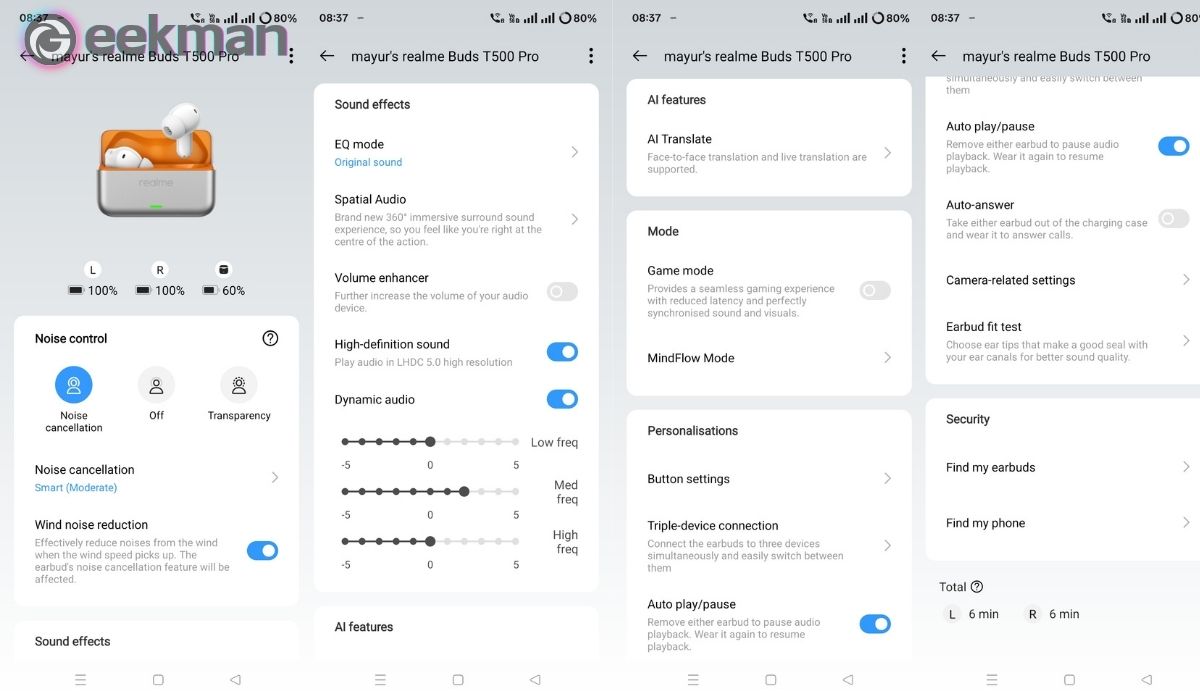
Transparency mode works as expected. You can hear voices clearly without removing the earbuds. Auto-adjust is available too.
My ANC rating: Decent for the price. Not the absolute best under ₹3,000 — Air 8 and CMF edge ahead — but solid enough for daily use.
Features: What You Get for ₹2,599
Everything that you find in the ₹3,500 to ₹5,000 best sellers is packed into the T500 Pro. Here is the full feature list and how well each one actually works.
Transparency Mode — Works fine. Voices come through clearly without removing earbuds.
Custom Equalizer — Available through the Realme Link app with multiple presets. Same implementation as other Realme earbuds. Nothing new here, but it works.
360 Spatial Audio — Worth trying. It adds a wider sound feel to music and videos. Not a game changer, but a nice addition.
Volume Enhancer — I would suggest keeping this off. It pushes volume higher but at the cost of sound quality.
LHDC 5.0 Toggle — You can turn LHDC on and off in the app. When your phone supports LHDC, keep it on. The sound quality difference is noticeable. More on this in the sound section.
Dynamic Audio — Adjusts sound profile based on what you are listening to. Works okay for mixed usage.
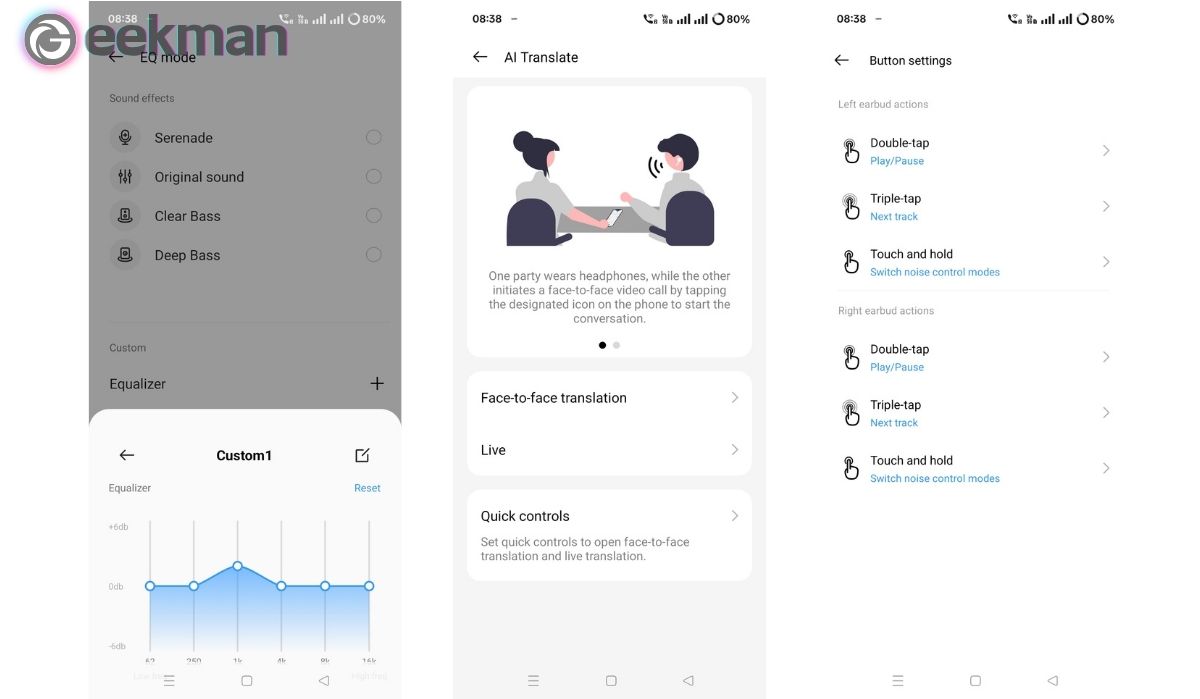
AI Translate — This has become common across new Realme, OnePlus, and OPPO earbuds. Face-to-face and two-way translation modes. If you travel outside India frequently, it can be useful. But right now it only supports Hindi and Bengali for Indian languages. Google Translate is still better for practical use.
Low Latency Gaming Mode — Tested in BGMI. Bluetooth 6.1 combined with the low latency mode means lag is almost undetectable. Day to day gaming will not be a problem. You do not need separate wired earphones for gaming anymore.
Wear Detection — Pauses music when you remove an earbud, resumes when you put it back.
Triple Device Pairing — Connect to three devices at the same time. Phone, laptop, and tablet simultaneously. This is genuinely useful for students and work-from-home users.
Google Fast Pair — Quick pairing on Android devices.
No feature is missing from this list. And more importantly, all of them actually work properly.
Microphone and Call Quality
Six microphones with AI noise reduction. Sounds good on the spec sheet. Here is the real performance.
Indoor calls are clear. My voice sounded crisp on the other end. The AC was running in my room and the receiver could not hear it at all. For indoor use — home, office, quiet rooms — the microphone is perfectly fine.
Outdoor calls with traffic noise are a different story. My voice was still audible to the receiver, but it sounded slightly compressed. Not distorted, just not as natural as indoor. Some background traffic noise leaked through. Loud horns were briefly audible on the receiver’s end.
Wind performance is average. In strong wind, call quality drops noticeably. Avoid taking important calls in heavy wind.
Compared to the competition, the Realme Buds Air 8 and CMF Buds 2 Plus deliver better microphone performance. CMF’s 6 HD mics with Clear Voice 3.0 produce more natural sounding voice in both indoor and outdoor conditions. The OnePlus Nord Buds 4 Pro and OPPO Enco Buds 3 Pro+ also edge ahead slightly on mic quality.
The T500 Pro mic is not bad. It is acceptable for the price. But if you take a lot of work calls or outdoor calls, the CMF Buds 2 Plus or Air 8 would serve you better.
Battery Life: Real World Numbers
Company claims are one thing. Here is what I actually got.
ANC off, LHDC on, 50 percent volume — approximately 6 hours from the earbuds alone.
ANC on, LHDC on — approximately 3 to 4 hours.
Both ANC and LHDC off, 50 percent volume — approximately 9 to 10 hours. This is impressive.
Total battery life with the charging case — 3 to 4 days of regular use with ANC on. If you keep both ANC and LHDC off, you can stretch it close to a week.
Fast charging works as advertised. 10 minutes of charging gives you several hours of playback. For college students who forget to charge their earbuds, this is a lifesaver.
How does this compare? The CMF Buds 2 Plus claims 61.5 hours total and in real use its battery lasts slightly longer than the T500 Pro. The Realme Buds Air 8 is similar at 58 hours total. The T500 Pro is not the battery king, but it is close. The difference is not something you will notice in daily use.
My battery rating: Excellent for the price. Not the absolute best — CMF Buds 2 Plus wins that title — but very strong.
Sound Quality: The Most Important Part
The T500 Pro uses a 12.4mm titanium-plated dynamic driver with LHDC 5.0 support for Hi-Res wireless audio streaming at 24-bit, 96kHz.
One important note before the sound breakdown — LHDC 5.0 only works if your phone supports it. If your phone does not support LHDC, you will be listening through AAC or SBC codecs, and the sound quality difference is noticeable. Check your phone’s Bluetooth codec settings before buying.
Bass is punchy. It has a slight emphasis compared to neutral, but it is tight and clean. Not the bloated, muddy bass that many budget earbuds push. Bollywood tracks with heavy bass, EDM, and hip-hop all sound satisfying. The bass hits hard enough without drowning everything else out.
This is the key difference between the T500 Pro and many other budget earbuds from boAt, Boult, Noise, and even the OnePlus Nord series. Those brands often push extreme bass that completely ruins the mids and vocals. The T500 Pro does not do that. Bass is elevated, yes, but the mids are not sacrificed for it.
Mids and vocals are clear. Vocal detail is good — you can hear the texture in voices. Instrument separation in the mid range is decent. There is a slight compromise on lower male vocals because of the elevated bass, but most listeners will not notice it. If you use IEMs regularly, you might catch it. Otherwise it is not a problem.
Treble is clean. High frequencies are handled well without harshness, even at higher volumes. Hi-hat detail, cymbal shimmer — it is all there. Nothing sounds fatiguing or piercing.
Soundstage is average. These are in-ear earbuds so do not expect a wide, open soundstage. But instrument separation is respectable for the price.
On LHDC 5.0 versus AAC — there is a genuine difference. LHDC delivers better detail, tighter bass, and more clarity across all frequencies. AAC sounds decent too, above average for the price, but LHDC is where this earbuds really shows what it can do.
The Realme Link app lets you customize the EQ with presets and manual adjustment. If the bass is too much for your taste, you can pull it back. If you want more treble sparkle, you can push it up. Having this control at ₹2,599 is nice.
My sound verdict: Under ₹3,000, I have not found a better sounding earbuds right now. On LHDC, the T500 Pro is genuinely impressive. Even on AAC, it is above average. The Realme Buds Air 8 sounds better — it has dual drivers that handle mid-bass separation more effectively — but it also costs ₹1,000 more.
Comparison with Other Earbuds Under ₹3,000
I have tested all the major competitors. Here is how the T500 Pro stacks up against each one.
Realme T500 Pro vs CMF Buds 2 Plus
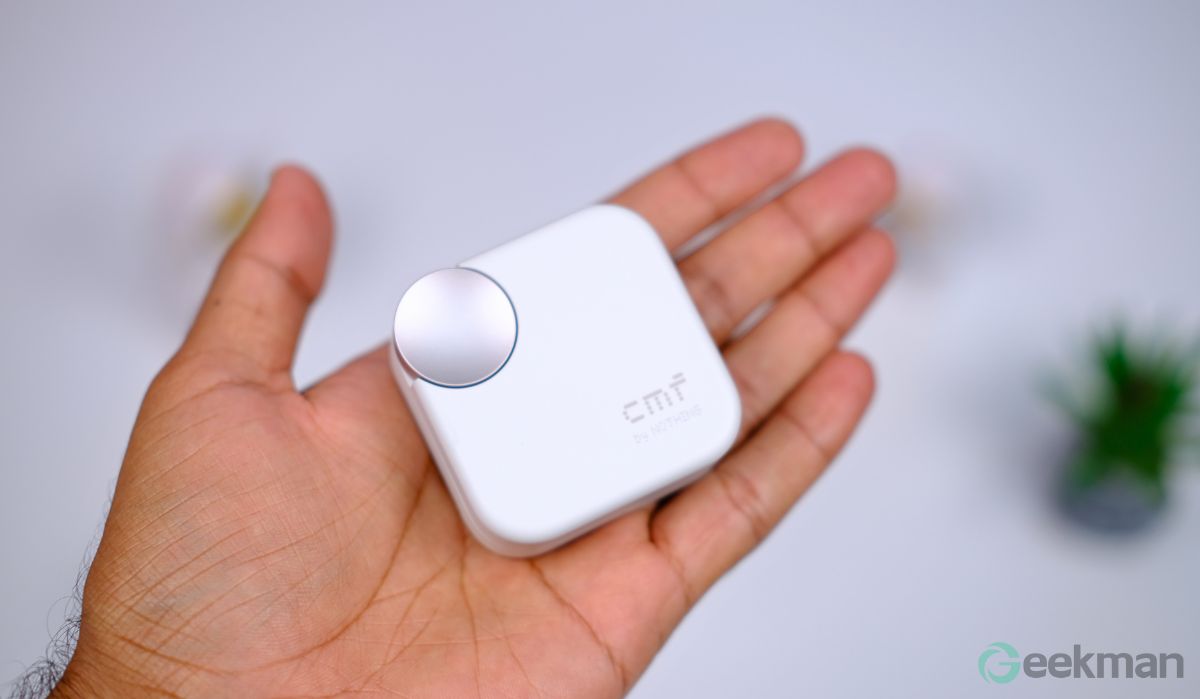
This is the biggest comparison right now. CMF Buds 2 Plus costs ₹3,299 at full price and drops to around ₹2,599 during sales.
Sound quality — CMF’s 12mm LCP driver with LDAC produces a slightly more refined sound. The personalized sound feature is a nice addition. T500 Pro’s LHDC 5.0 is technically a superior codec, but CMF’s tuning edges ahead slightly.
ANC — Both claim 50dB. In real use, CMF is a bit more consistent.
Calls — CMF wins clearly. 6 HD mics with Clear Voice 3.0 deliver more natural voice quality.
Battery — CMF 61.5 hours versus T500 Pro 56 hours. CMF ahead.
App experience — CMF uses the Nothing X app which is cleaner and better designed. It even has ChatGPT integration. Realme Link feels clunky in comparison.
Price — T500 Pro is ₹700 cheaper at full price. During sales when CMF drops to ₹2,599, it becomes an equal fight.
My verdict: At full price, T500 Pro offers better value. During sales when both cost the same, CMF Buds 2 Plus is the better overall package.
Realme T500 Pro vs Realme Buds Air 8
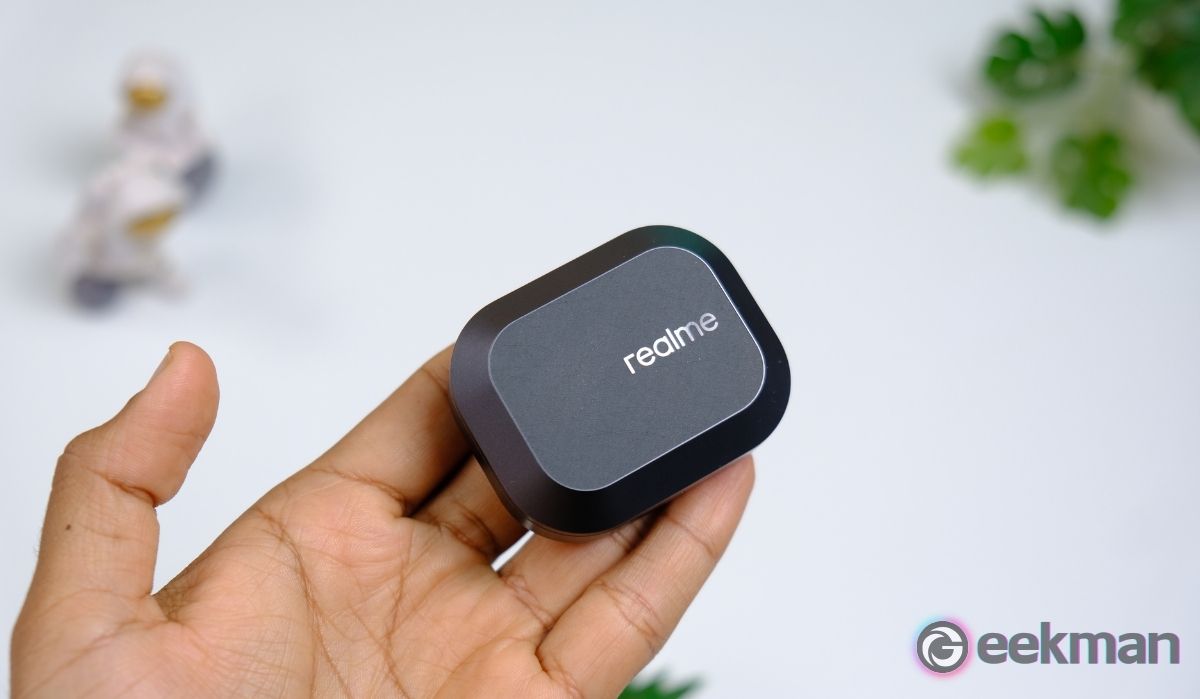
Realme versus Realme. Realme Buds Air 8 costs ₹3,599.
Sound — Air 8 is clearly better. It has a dual driver setup with an 11mm woofer and 6mm micro-plane tweeter. The T500 Pro’s single 12.4mm driver is good, but the Air 8’s separation and detail are on another level.
ANC — Air 8 has 55dB ANC versus T500 Pro’s 50dB. Noticeably better noise cancellation.
Codec — Both support LHDC 5.0. Air 8 additionally supports LDAC.
Build and feel — Air 8 has a premium feel with a Japanese designer collaboration. T500 Pro feels standard for the price.
My verdict: If you can spend ₹1,000 extra, the Air 8 is worth it. Better sound, better ANC, better build. The improvement across every category is genuine and worth the extra money. T500 Pro is the pick only when your budget is strictly around ₹2,600.
Realme T500 Pro vs OnePlus Nord Buds 4 Pro
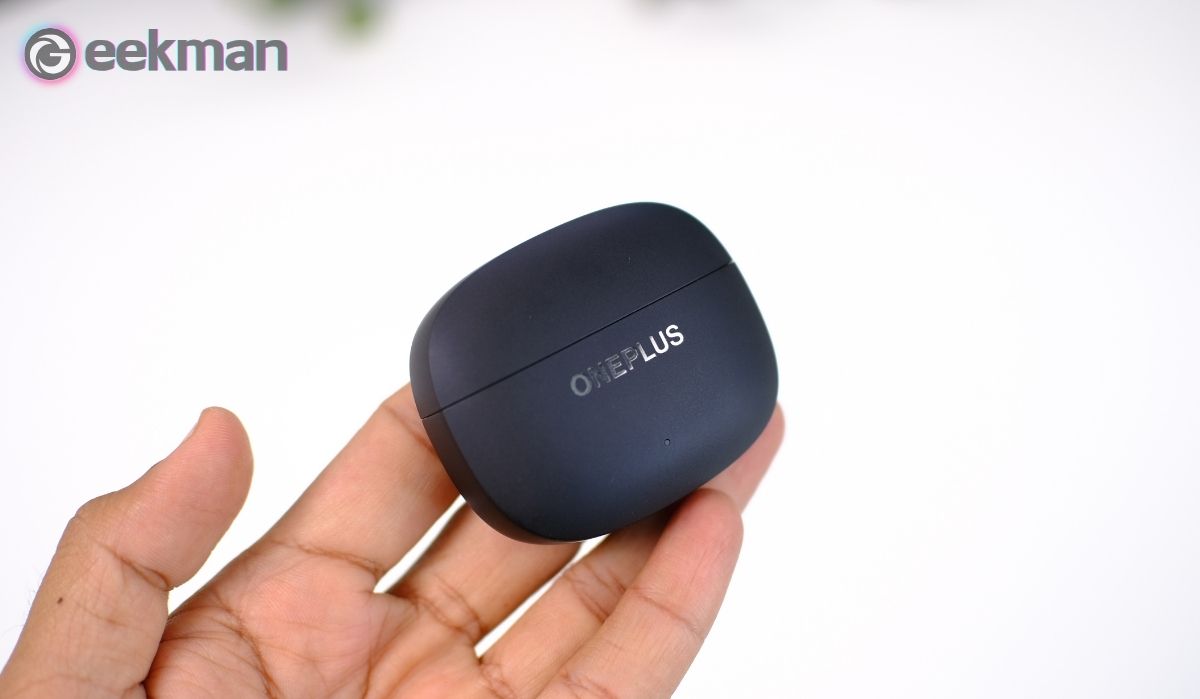
OnePlus Nord Buds 4 Pro Similar price range, direct competition.
Sound — T500 Pro wins because of LHDC 5.0 support. OnePlus only has AAC and SBC. Sound detail on T500 Pro is better.
ANC — Very similar. OnePlus claims 49dB, T500 Pro claims 50dB. In practice, they are comparable.
Battery — T500 Pro 56 hours versus OnePlus 44 hours. Clear win for T500 Pro.
Microphone — T500 Pro has 6 mics versus OnePlus. T500 Pro sounds better on calls.
Build — OnePlus has a slightly more premium dual-tone finish.
My verdict: T500 Pro wins this fight. Better codec support, significantly better battery, more microphones, and it costs less. There is no strong reason to pick the Nord Buds 4 Pro over the T500 Pro unless you are deep in the OnePlus ecosystem.
Realme T500 Pro vs OPPO Enco Buds 3 Pro+
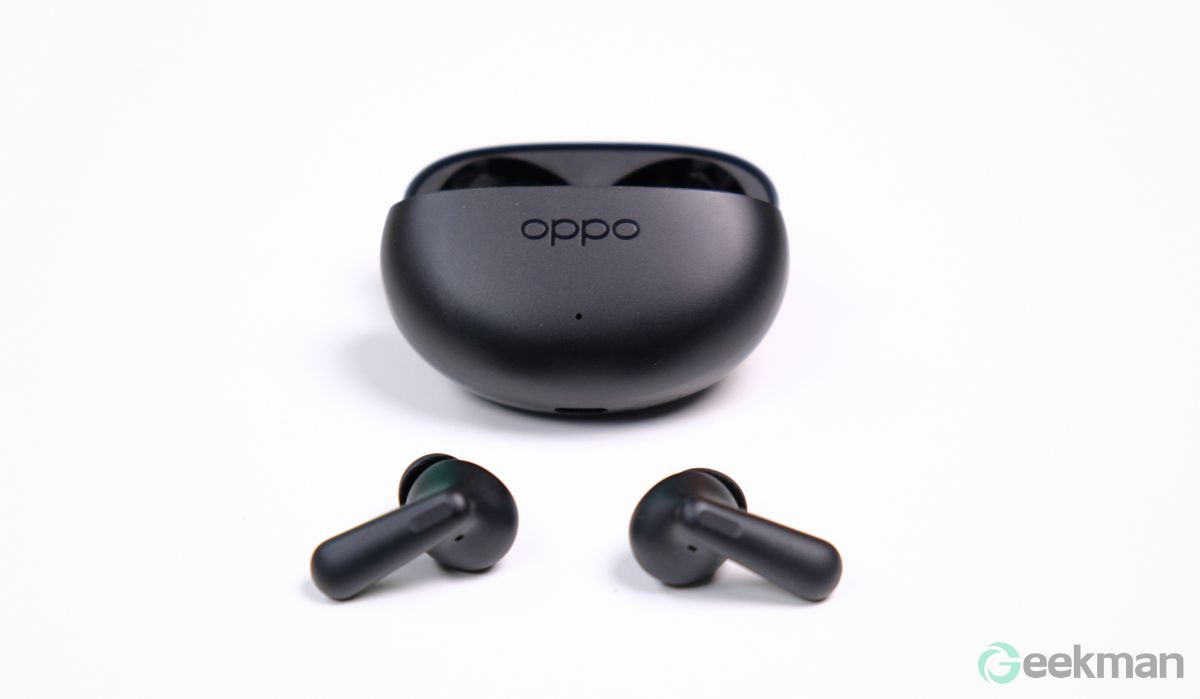
OPPO Enco Buds 3 Pro Plus costs ₹2,499, slightly cheaper.
ANC — T500 Pro 50dB versus OPPO 32dB. Massive difference.
Codec — T500 Pro has LHDC 5.0. OPPO only has AAC and SBC.
Battery — T500 Pro 56 hours versus OPPO 43 hours.
Bluetooth — T500 Pro Bluetooth 6.1 versus OPPO Bluetooth 5.4.
My verdict: Skip the OPPO. You save ₹100 but lose in every single category. The T500 Pro is the better buy here without any question.
Realme T500 Pro vs Realme T310
T310 costs ₹1,899.
ANC — 50dB versus 46dB. Noticeable improvement in the T500 Pro.
Codec — LHDC 5.0 versus AAC/SBC. This alone is worth the ₹700 upgrade if your phone supports LHDC.
Battery — 56 hours versus 40 hours. Significant jump.
Bluetooth — 6.1 versus 5.4.
Microphones — 6 versus 3 per side.
My verdict: If you can spend ₹700 more than the T310 price, the T500 Pro is the better buy. Every category sees a meaningful improvement.
Realme T500 Pro vs Realme T200
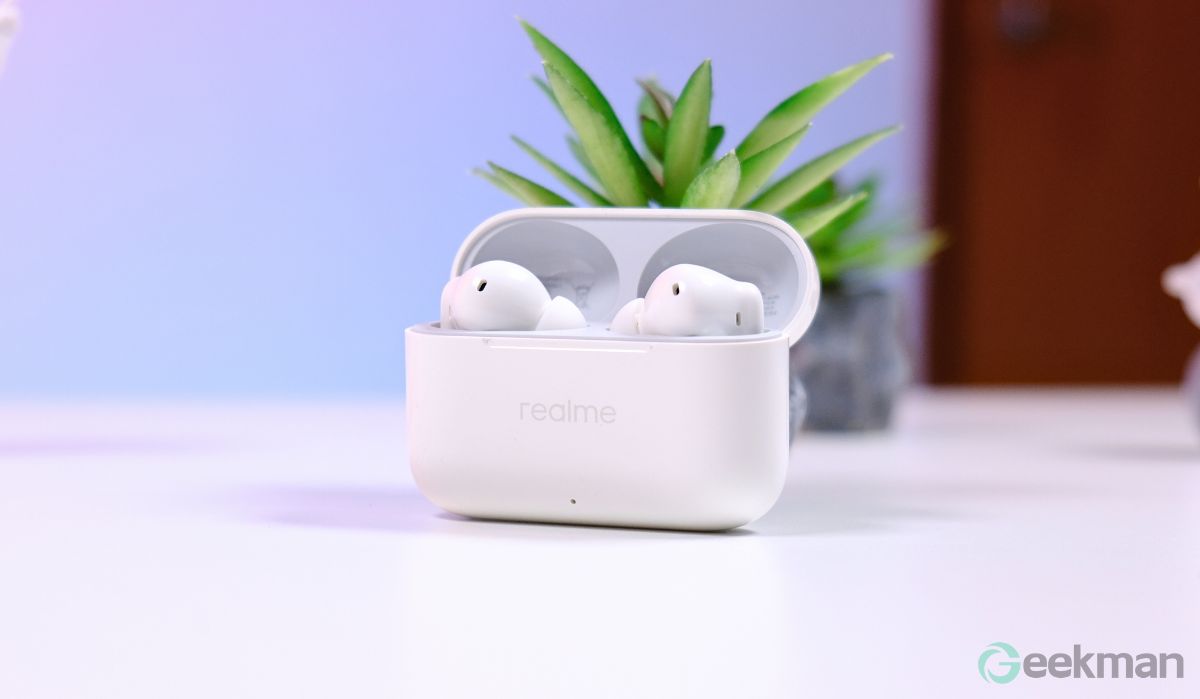
T200 costs ₹1,558. The cheapest option here.
Sound — Interesting comparison. The Realme Buds T200 has received praise for its sound tuning even from the audiophile community. Some consider its tuning better than the T310. But the T500 Pro’s LHDC 5.0 codec support is a game changer for wireless sound quality.
ANC — 50dB versus 32dB. T500 Pro is much better.
Battery — 56 hours versus 50 hours. Close, but T500 Pro ahead.
My verdict: If your budget is absolutely locked at ₹1,500 and sound quality is your top priority, the T200 is a surprisingly solid pick. But if you can stretch to ₹2,600, the T500 Pro is better in every measurable category except raw price.


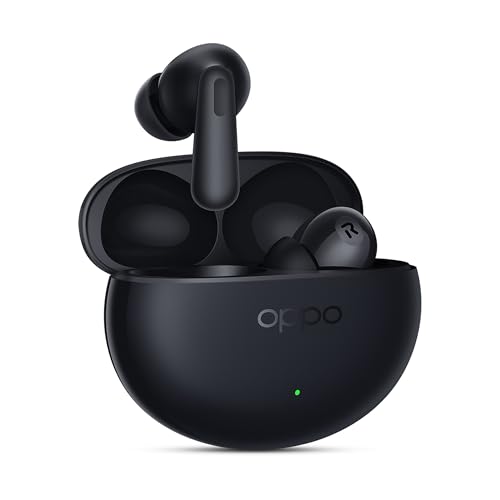


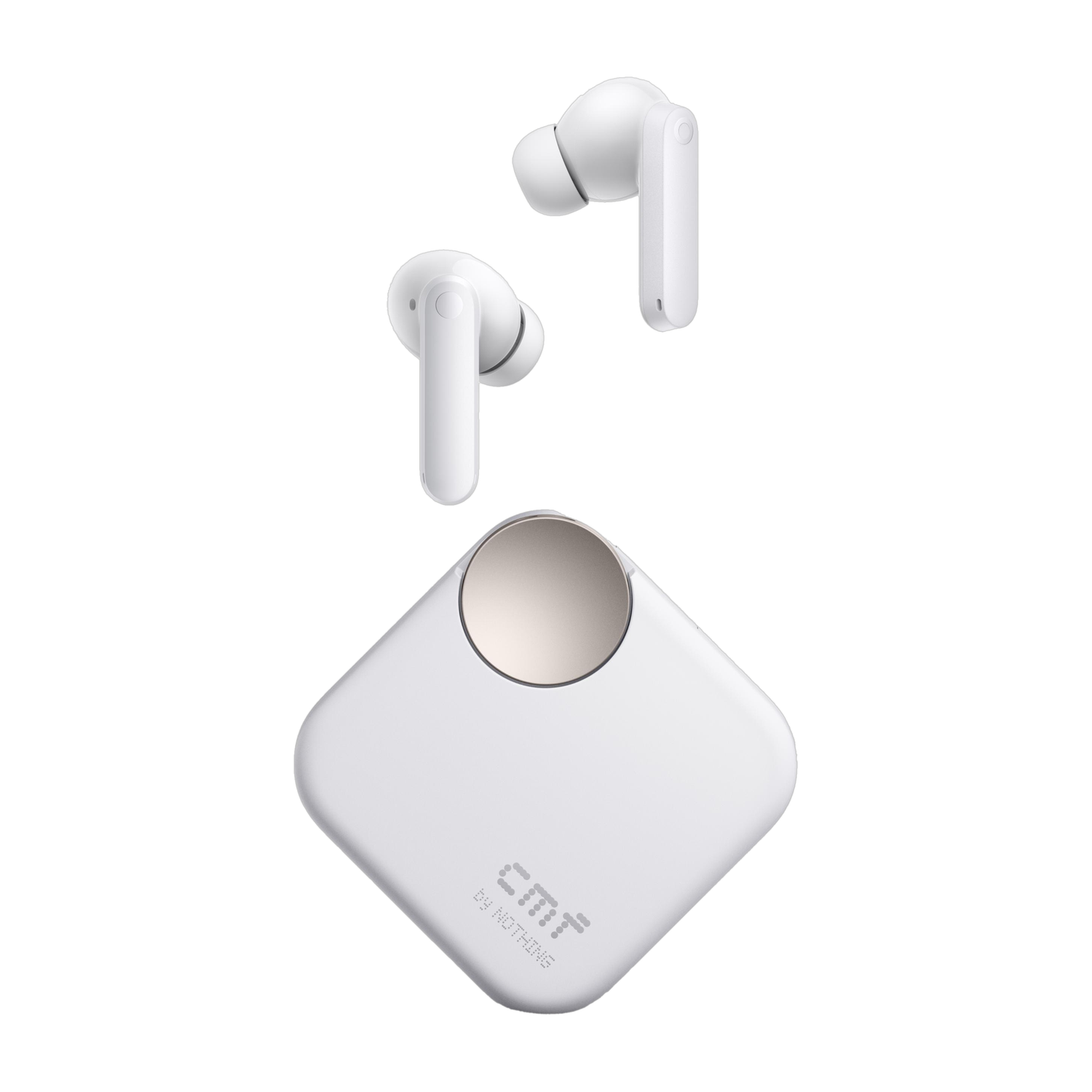



Who Should Buy the Realme Buds T500 Pro?
Buy the T500 Pro if your budget is strictly under ₹2,600 and you want the best overall package at this price. It is the best earbuds under ₹3,000 for people who want good sound with LHDC support, decent ANC, long battery life, and triple device connectivity.
It is also a good pick for casual gamers. The 45ms latency with Bluetooth 6.1 means BGMI and other mobile games will not have noticeable audio delay.
Students will benefit from the triple device pairing and the strong battery life. Connect your phone, laptop, and tablet at the same time without manually switching.
Do not buy the T500 Pro if you can spend ₹1,000 more. At ₹3,500 the Realme Buds Air 8 and CMF Buds 2 Plus are genuinely better in sound quality, ANC, and call quality. That ₹1,000 upgrade is worth it if your budget allows.
Also skip the T500 Pro if call quality is your primary concern. For work-from-home users who spend hours on calls, the CMF Buds 2 Plus or Air 8 deliver noticeably better microphone performance.
Final Verdict
The Realme Buds T500 Pro gets an 8 out of 10 from me.
At ₹2,599, no other earbuds under ₹3,000 gives you this combination — LHDC 5.0 Hi-Res audio, 50dB ANC, Bluetooth 6.1, 56 hours battery, triple device connectivity, and genuinely good sound quality. Six months ago these specs existed only in earbuds costing ₹4,000 or more.
It is not perfect. The microphone could be better outdoors. The ANC is good but not the best in the wider ₹3,000 to ₹4,000 range. The Realme Link app needs improvement. But at ₹2,599? These are minor complaints against a very strong overall package.
If ₹2,600 is your absolute budget ceiling, stop looking. Buy the Realme Buds T500 Pro. Under ₹3,000, this is the best earbuds you can get right now in 2026.
If you can stretch to ₹3,500 — seriously consider the Realme Buds Air 8 or wait for a CMF Buds 2 Plus sale. That ₹1,000 extra buys meaningful improvements in sound, ANC, and call quality.
FAQ
Is the Realme Buds T500 Pro worth buying in 2026?
Yes. At ₹2,599, it offers the best combination of sound quality, ANC, battery life, and features under ₹3,000. It is a genuine value pick for budget buyers who want premium-level specs without the premium price.
The ANC works well on low frequency sounds like AC, fans, and train engines — blocking about 80 percent of that noise. Mid frequency sounds like traffic are reduced by about 50 percent. High frequency sharp sounds like car horns will still be audible. This is standard for the price range.
If your budget is ₹2,600 or less, buy the T500 Pro. If you can spend ₹3,300 or find the CMF on sale around ₹2,600, the CMF Buds 2 Plus is a better overall package with superior call quality, slightly better ANC consistency, and a better app experience.
Yes. There is a noticeable improvement in detail, bass tightness, and overall clarity when using LHDC compared to AAC. But your phone must support LHDC for this to work. On phones without LHDC support, the earbuds default to AAC which is still decent but not the same experience.
Yes. The 45ms low latency mode with Bluetooth 6.1 means audio-visual sync is very good. I tested it with BGMI and there was no perceptible lag. Footstep direction and gunfire sounds were in sync. For mobile gaming under ₹3,000, it works perfectly.
With ANC off and LHDC on at 50 percent volume, expect about 6 hours per charge. With both off, you get 9 to 10 hours. The charging case adds 3 to 4 days of total use. Fast charging gives several hours of playback from just 10 minutes.
Indoor calls are clear and reliable. Outdoor calls are acceptable but the voice sounds slightly compressed and some background noise leaks through. If work calls are your primary use, the CMF Buds 2 Plus or Realme Buds Air 8 have better microphones.
Based on my testing, the Realme Buds T500 Pro is the best earbuds under ₹3,000 as of April 2026. It leads in sound quality, battery life, and feature count at the lowest price point among serious competitors. The Realme Buds Air 8 and CMF Buds 2 Plus are better overall but cost ₹700 to ₹1,000 more.