
If you’ve been searching for the best IEM under ₹2000 that works equally well for both music and daily listening, the Tangzu Wan’er SG might just be what you’ve been waiting for. I’ve been using it as my daily driver for over a month now — commuting, long music sessions, casual gaming, movie nights — and honestly, this one surprised me more than I expected.
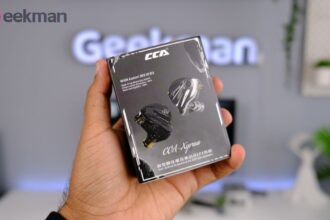
Now, there are already some solid options in this price range. We have the 7Hz Salnotes Zero which is amazing for competitive gaming and analytical listening, the KZ Castor Pro for bassheads who love V-shaped energy, the Moondrop Chu 2 for clean neutral detail, the CCA XYRAA for gaming plus music all-in-one, and the FiiO JD1 for V-shaped fun with built-in EQ presets. All of them are great in their own way.
But here’s the thing — none of them truly nail that smooth, warm, vocal-forward, fatigue-free music experience that the majority of Indian listeners actually prefer. And that’s exactly where the Tangzu Wan’er SG comes in.
Tangzu Wan’er SG Specifications
| Driver | 10mm PET Diaphragm Dynamic Driver |
| Magnet | N52 Neodymium |
| Impedance | 20Ω |
| Sensitivity | 107 dB (1 kHz) |
| Distortion Rate | < 0.5% |
| Frequency Response | 20Hz – 20kHz |
| Cable | 5N OFC, 4-braid, Detachable |
| Connector | 0.78mm 2-Pin |
| Plug | 3.5mm |
| Weight | Lightweight resin shell |
| Colors | Black, White |
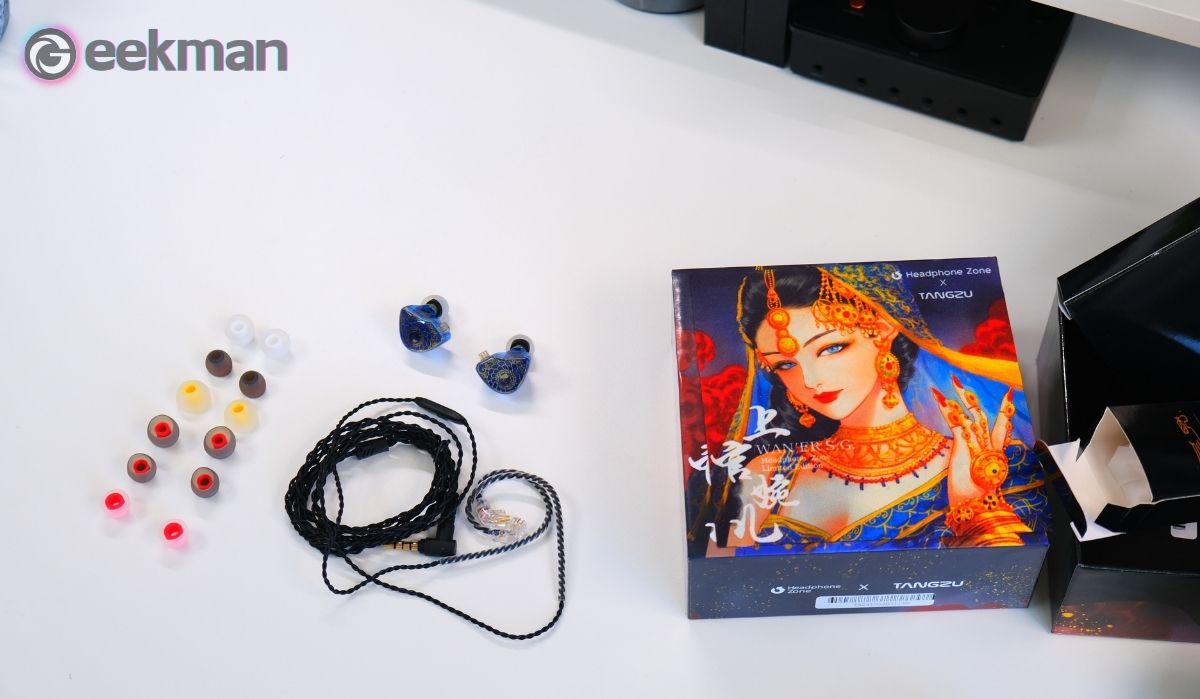
| Eartips Included | 7 pairs (3 balanced + 4 vocal wide-bore) |
| Price | ₹1,099 – ₹1,599 (varies by seller) |
| Warranty | 1 Year manufacturer warranty |

Build Quality and Design
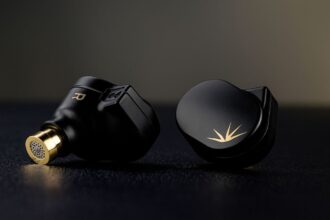
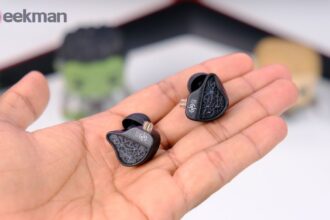
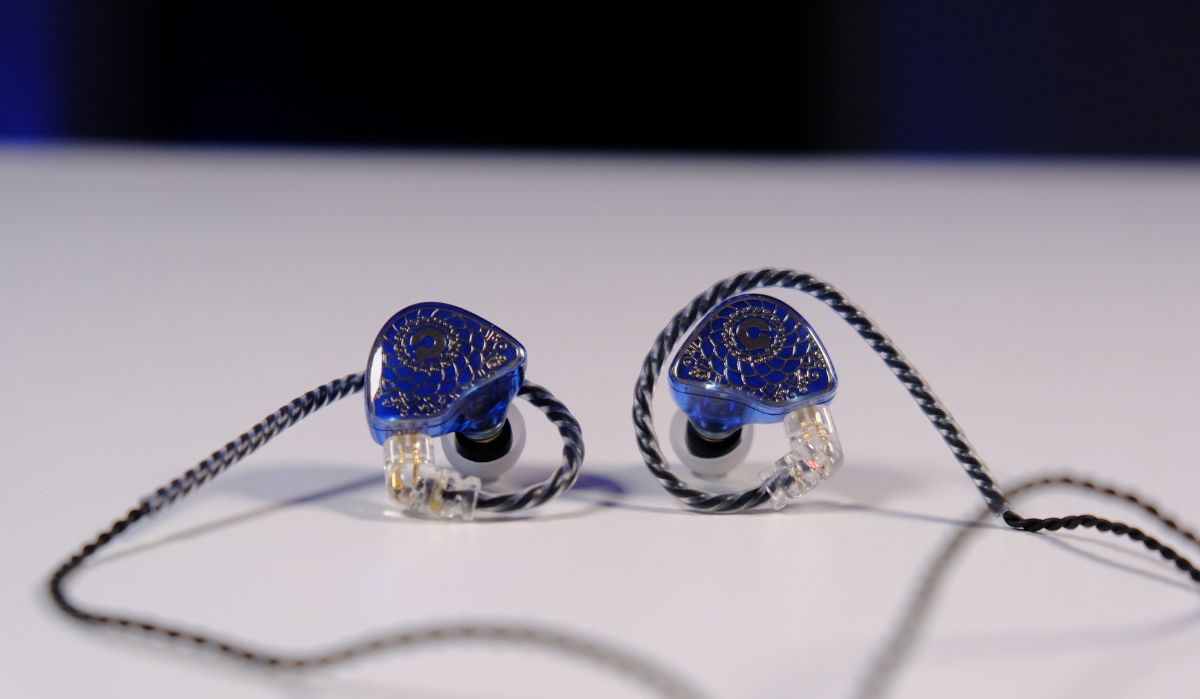
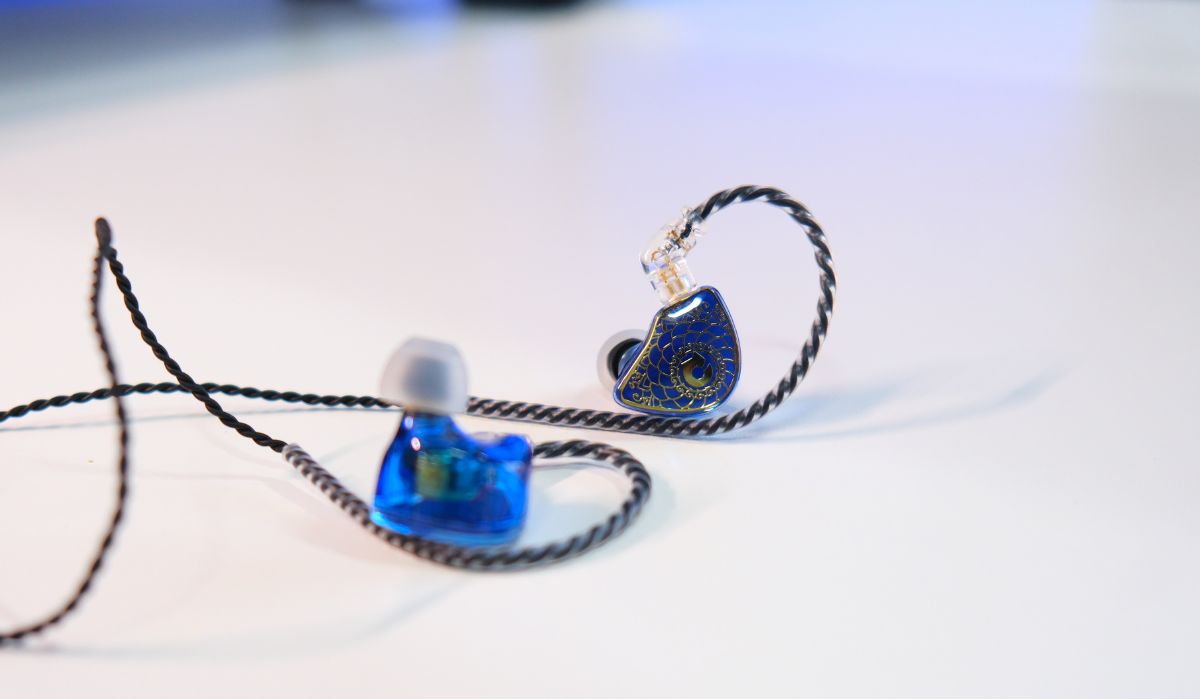
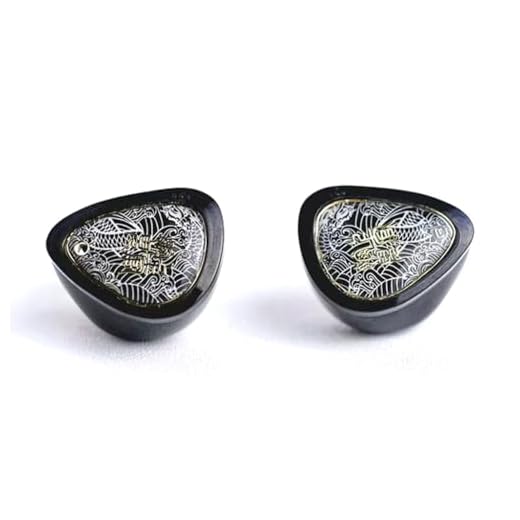
The Wan’er SG’s shell is made from lightweight resin — it’s not metal, so don’t expect a cold premium feel in hand. But what it loses in material perception, it more than makes up for in comfort and wearability.
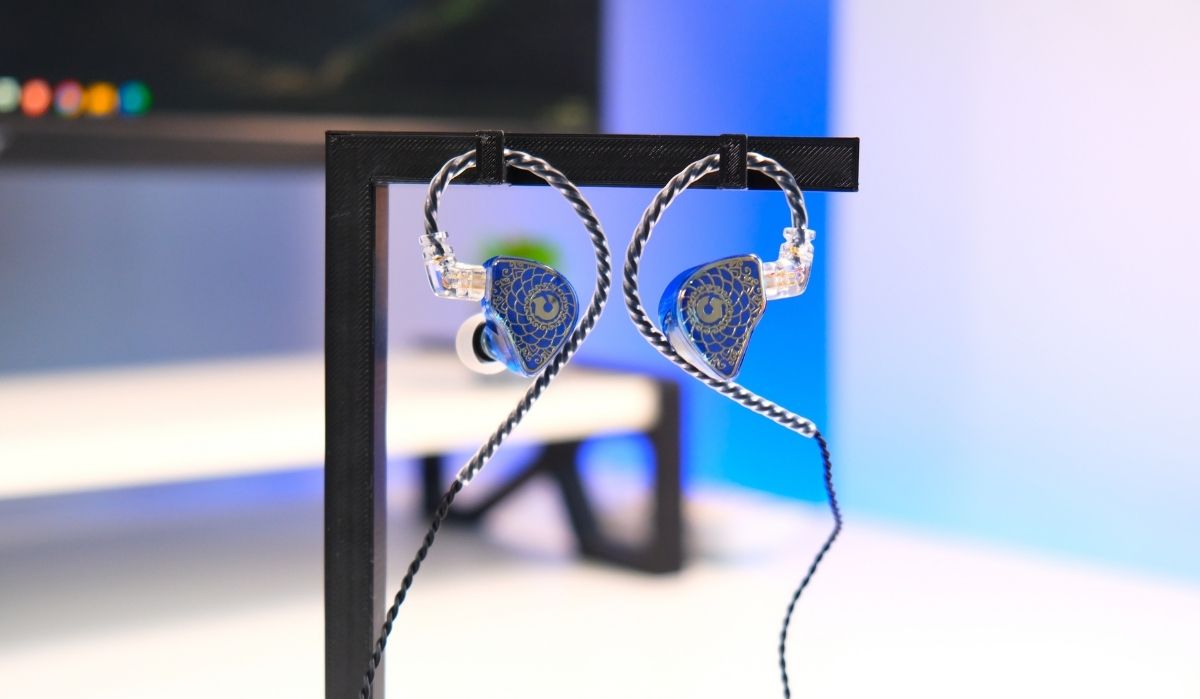
The faceplate design draws inspiration from Chinese history — specifically from Shangguan Wan’er, one of China’s most famous female poets from the Tang Dynasty. You’ll notice auspicious cloud patterns on the faceplate, available in both black and white colorways. It looks elegant without being flashy.
Build quality is adequate for the price. The resin shell feels solid enough for daily use, though it won’t survive a serious drop onto concrete. The 0.78mm 2-pin detachable connector is a big plus — you can easily upgrade the cable in the future without replacing the entire IEM.
Comfort and Fit
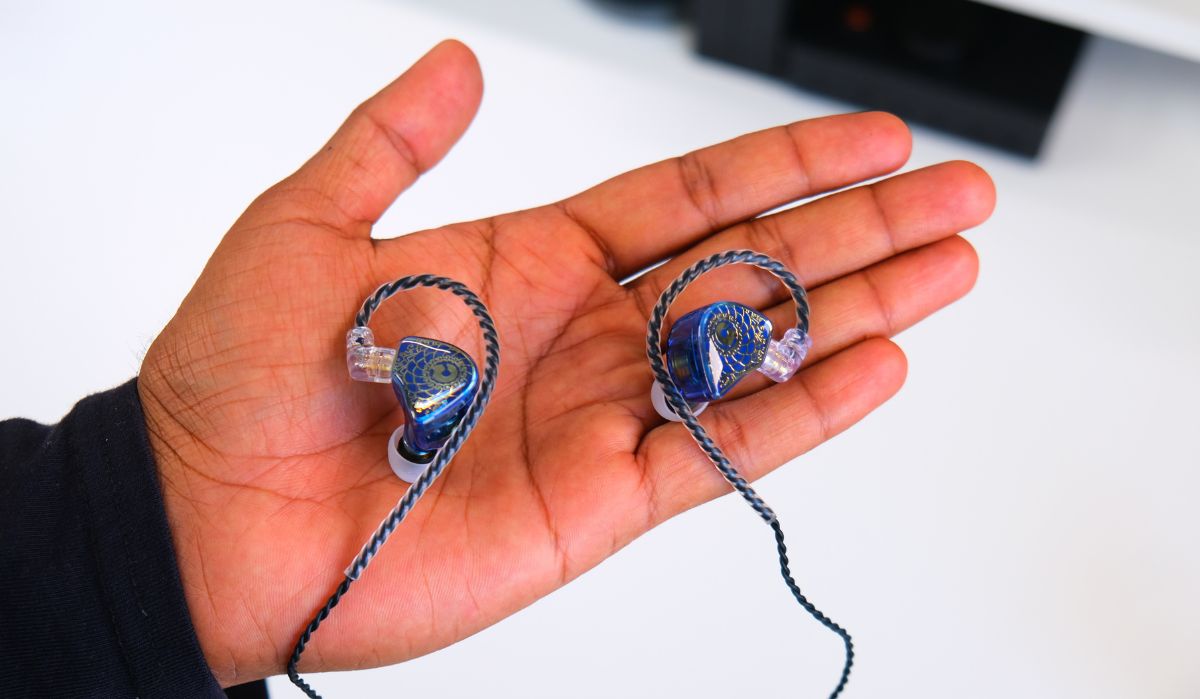
This is one of the Wan’er SG’s strongest points. Tangzu designed the shell based on actual human ear data, and it shows. The ergonomic shape sits naturally in most ear canals without creating pressure points.
I’ve worn these for 3-4 hour sessions without any discomfort. The lightweight resin construction means you almost forget you’re wearing them — which is exactly what you want from a daily driver IEM.
The box includes 7 pairs of eartips — 3 balanced bore pairs and 4 vocal-focused wide bore pairs. This is generous for an IEM at this price point. The wide bore tips slightly open up the treble and give vocals more air, while the balanced tips provide a tighter seal with more bass presence. I personally preferred the wide bore tips for their natural vocal presentation.
Cable Quality
Let’s be honest — the stock cable is the weakest part of the Wan’er SG package. It’s a basic 5N oxygen-free copper cable that gets the job done, but it can tangle easily and the ear hooks feel a bit stiff.
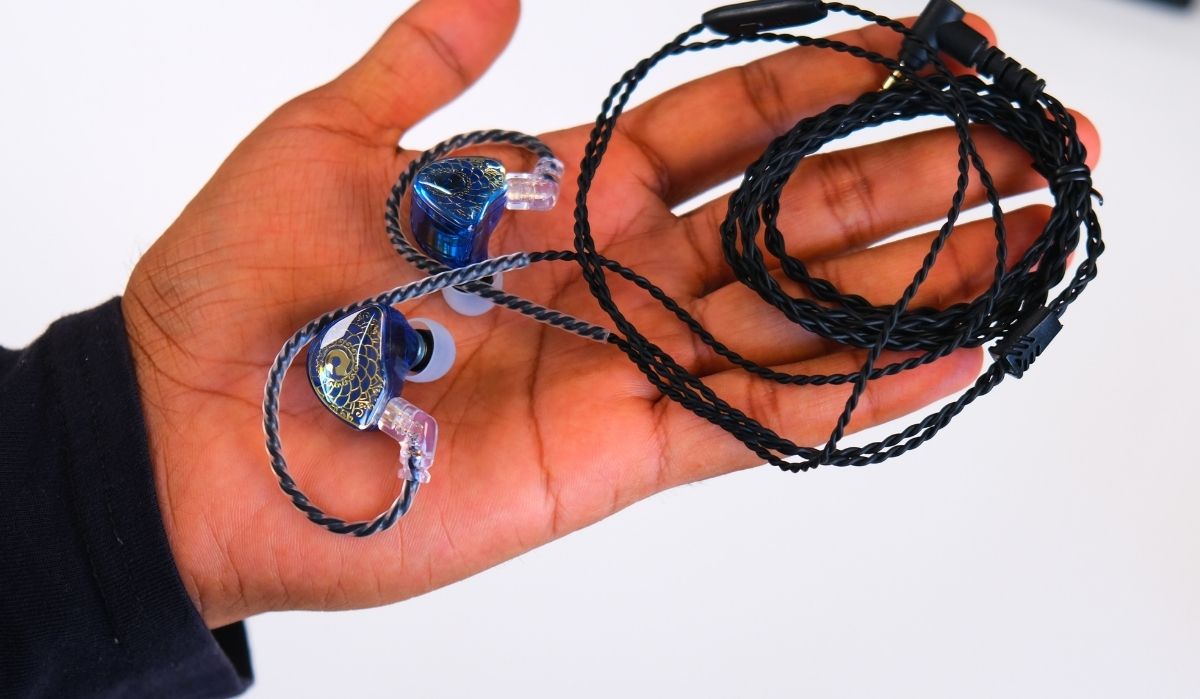
It won’t affect sound quality in any meaningful way, but if you’re someone who’s particular about cable feel, you might want to budget for an aftermarket cable upgrade. The good news is that the 0.78mm 2-pin connector is widely compatible with third-party cables.
If the stock cable is a dealbreaker for you, consider the Tangzu Wan’er SG 2 instead — it comes with a significantly better silver-plated OFC cable that doesn’t tangle and feels much more premium.
Sound Quality — Detailed Breakdown
This is where it gets interesting. The Wan’er SG has a balanced warm sound signature that follows the Harman 2019 target curve with a slight bass elevation. Let me break it down frequency by frequency.
Bass
The sub-bass has solid extension — you can feel the rumble in EDM tracks, Bollywood songs with heavy 808s, and hip-hop beats. It’s present and satisfying without being overwhelming.
The mid-bass has a pleasant bump that adds warmth and body to the overall sound. Kick drums feel punchy, acoustic guitars have weight, and the low-end foundation of most songs feels complete.
But here’s what separates the Wan’er SG from something like the KZ Castor Pro — the bass is controlled. It doesn’t bleed into the midrange. You get musical, tight bass that supports the vocals instead of overpowering them. Compared to the FiiO JD1, the Wan’er SG’s bass is less aggressive but more refined and natural.
If you’re a hardcore basshead who wants skull-rattling bass, this isn’t for you — the Castor Pro or JD1 will serve you better. But if you want bass that’s musical, warm, and well-integrated into the overall sound, the Wan’er SG hits the sweet spot.
Midrange (Vocals)
This is the Wan’er SG’s greatest strength, and it’s not even close.
The lower midrange has excellent body — male vocals sound full and rich, not thin or hollow. Guitars have proper weight, and piano notes feel complete across the frequency range.
The upper midrange is slightly forward, which means female vocals, Arijit Singh’s higher notes, J-pop, anime openings, and pop music all sound incredibly engaging. Vocals sit right in front of the mix, demanding your attention in the best way possible.
Most importantly, the vocal timbre is natural. This is rare at this price point. Many budget IEMs — especially hybrids with balanced armature drivers — tend to make vocals sound metallic or artificially boosted. The Wan’er SG doesn’t do that. Voices sound like actual voices, with proper texture and warmth.
If you primarily listen to Bollywood music, pop, J-pop, soft rock, acoustic, or anything vocal-centric, this is arguably the best IEM under ₹2000 for vocals right now. The Indian audiophile community consistently ranks it among the top recommendations for vocal-forward listening.

Treble
Tangzu took a deliberately safe approach with the treble tuning, and I think that’s the right call for this price range.
There are no harsh peaks in the 5-7kHz region, which means sibilance is near zero. The “S” sounds in vocals never get piercing or fatiguing, even at higher volumes. You can listen for hours without your ears feeling tired.
However, there’s a trade-off that audiophiles should know about. The upper treble has less “air” compared to something like the Salnotes Zero or Moondrop Chu 2. Cymbal shimmer decays a bit quickly, and micro-details in the highest frequencies are slightly rolled off. If you’re someone who loves hearing every tiny nuance in a recording, this might feel limited.
But Tangzu made a conscious choice here — listenability over analytical detail retrieval. For an IEM that most people will use for daily music listening over long periods, this is absolutely the right trade-off. Zero fatigue, zero harshness, just smooth and enjoyable music.
Soundstage and Imaging
The soundstage width is decent — I’d say above average for this price range. You get a reasonable sense of left-right separation, and instruments don’t feel cramped.
However, the depth is limited. Vocals feel quite close — almost intimate, like a private performance. This works beautifully for vocal-focused genres, but if you’re looking for a wide, expansive soundstage for orchestral music or competitive gaming, the Salnotes Zero does it better.
Imaging is functional — instrument placement is accurate enough for casual listening, and you can generally tell where things are positioned in the mix. But don’t expect laser-sharp precision. On busy tracks with multiple instruments playing simultaneously, there can be slight congestion.
For normal pop, Bollywood, acoustic, and vocal-centric music — which is what most people listen to — this is perfectly adequate.
Tangzu Wan’er SG vs Competitors — How Does It Compare?
This is the section most of you are here for. Let me compare the Wan’er SG against every major IEM in the under ₹2000 price range.
Wan’er SG vs 7Hz Salnotes Zero
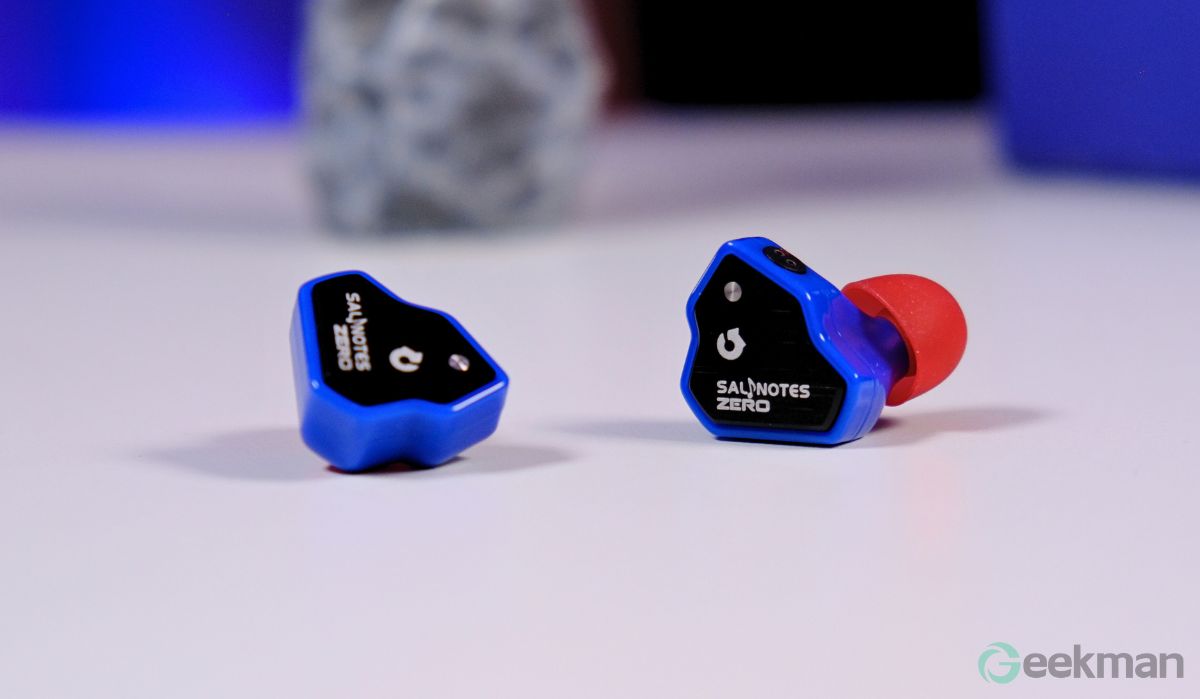
The Salnotes Zero is neutral bright — it’s the detail king of this price range with a wider soundstage and better depth. For competitive FPS gaming, the Zero is unbeatable. But for music, especially bass-heavy genres like Bollywood and EDM, the Zero sounds flat and boring.
The Wan’er SG brings warmth, bass body, and more natural vocals. If your primary use is music listening, the Wan’er SG is the better choice. If gaming is your priority, go with the Zero.
Wan’er SG vs KZ Castor Pro
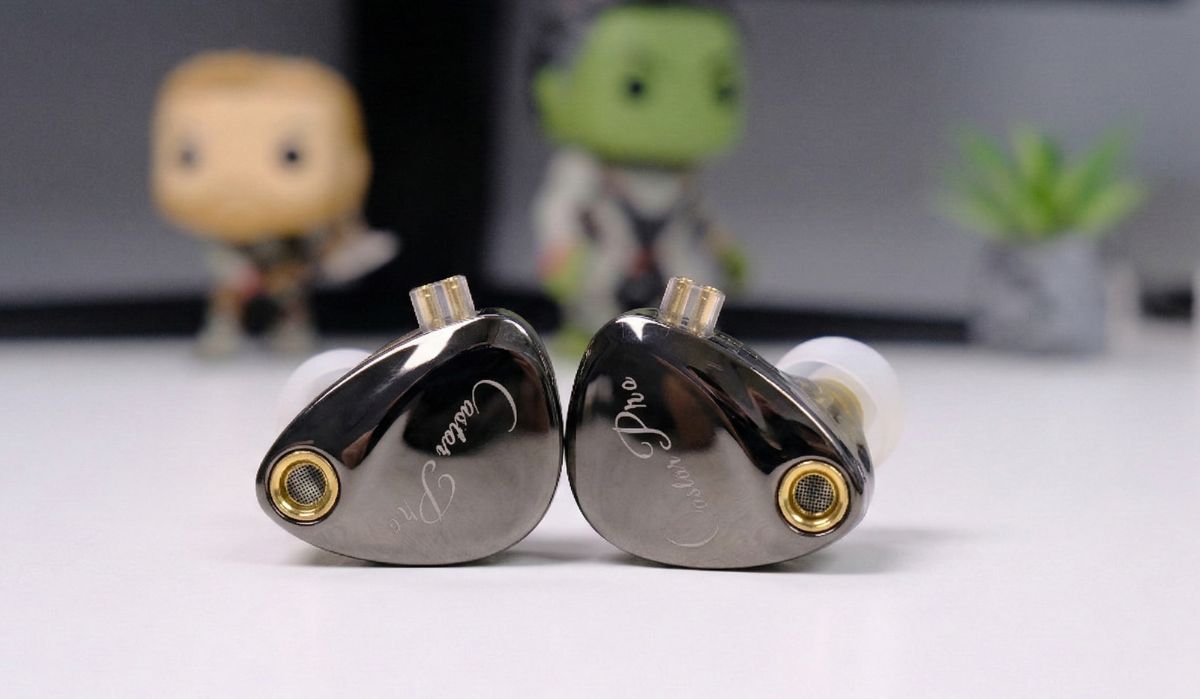
The Castor Pro is a V-shaped bass monster with 4 tuning switches — rare flexibility at this price. If you’re a basshead who loves experimenting with different sound profiles, the Castor Pro is excellent.
But the Wan’er SG has cleaner vocals, better midrange clarity, and zero treble harshness. The Castor Pro’s treble can get sharp on some tracks, and the heavy bass sometimes bleeds into the mids, making vocals sound muddy. The Wan’er SG doesn’t have these issues.
Wan’er SG vs Moondrop Chu 2
The Chu 2 is clean and neutral with better treble detail and air. The DSP version even offers EQ customization. If you’re an analytical listener who wants to hear every micro-detail, the Chu 2 is technically more revealing.
But the Wan’er SG is more fun and musical. The Chu 2’s bass feels thin over long sessions, and the neutral tuning can feel boring. The Wan’er SG’s warmth and vocal forwardness make music more engaging and enjoyable.
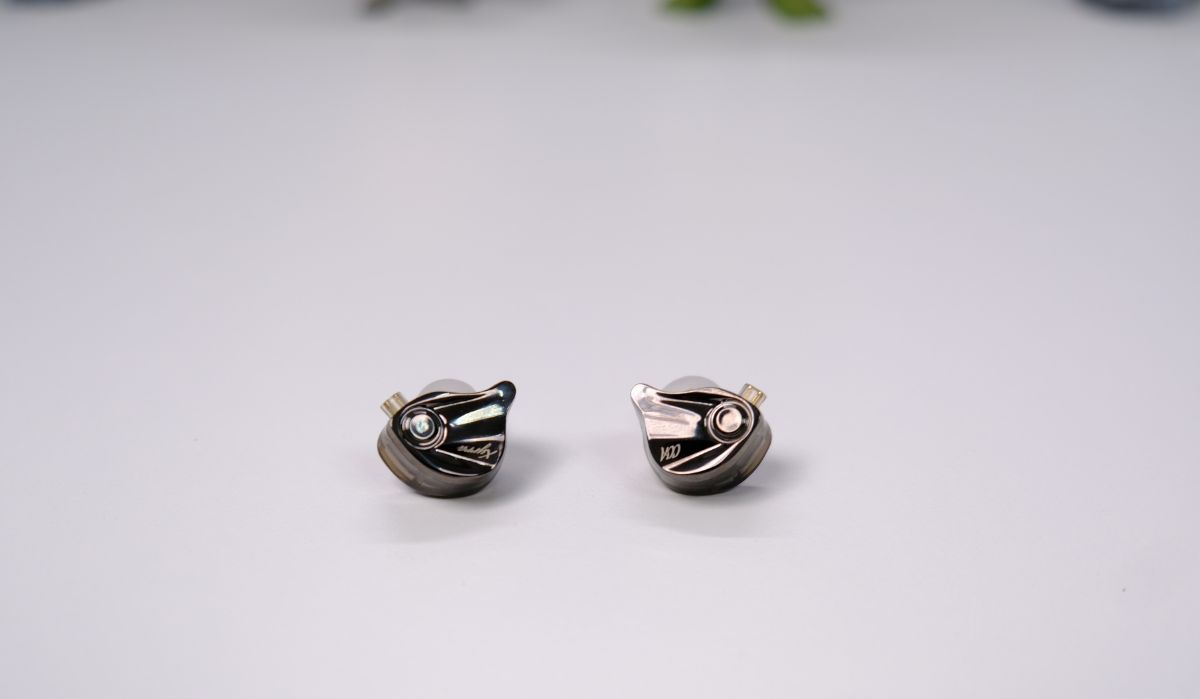
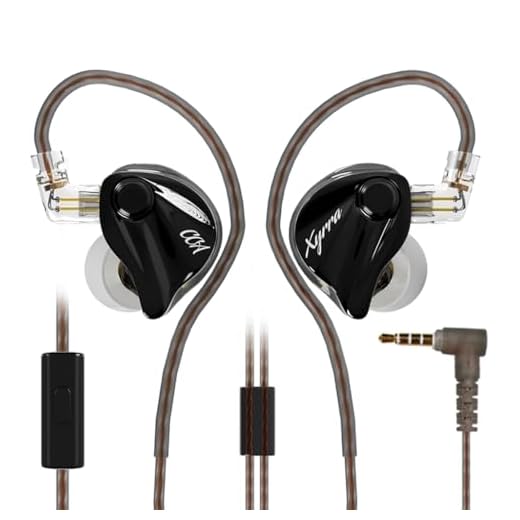
Wan’er SG vs CCA XYRAA
The XYRAA is a hybrid IEM (DD + BA) with a 4-6kHz boost specifically tuned for gaming. Footsteps, gunfire, and positional audio are significantly better on the XYRAA. The bass is also deeper and more chest-hitting.
But the Wan’er SG has more natural and forward vocals. On the XYRAA, vocals feel slightly recessed compared to the prominent bass and treble boost. If you need one IEM for both gaming and music, the XYRAA is the better all-rounder. But if you want the best pure music experience, the Wan’er SG’s vocal warmth and natural tonality win.
Wan’er SG vs FiiO JD1
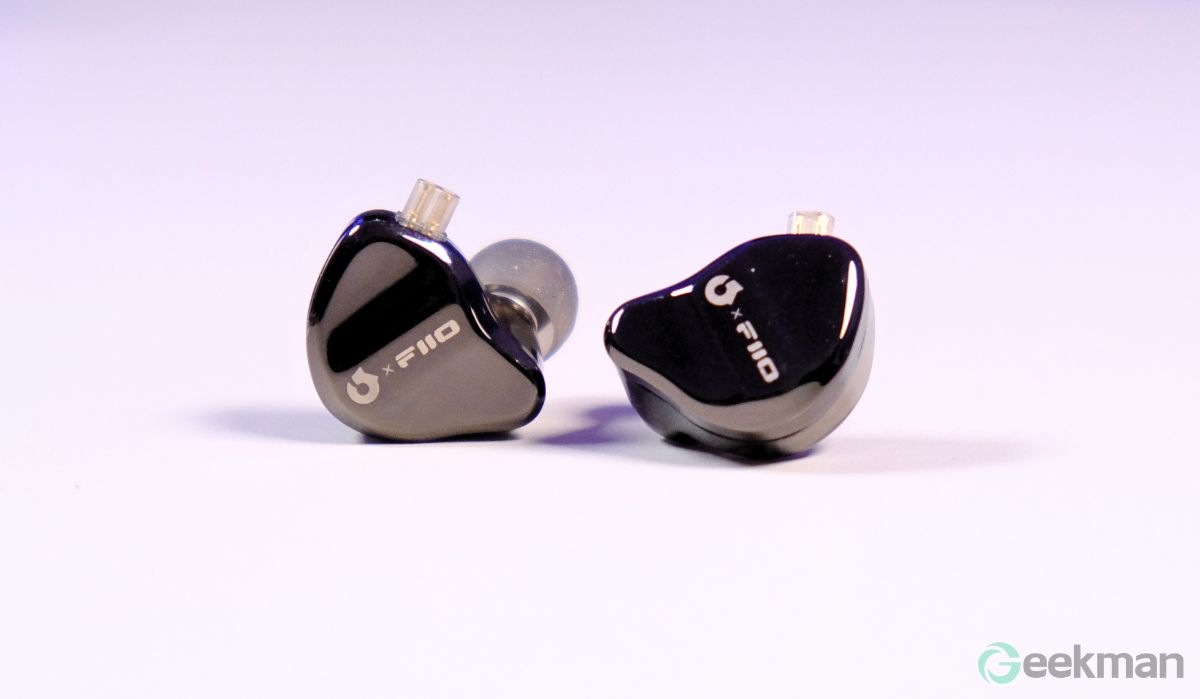
The JD1 has a fun V-shaped sound with powerful bass, excellent build quality (zinc alloy, just 7g), and 5 built-in DSP presets on the Type-C version. For the price (under ₹1,500), the feature set is incredible.
But the Wan’er SG sounds more natural and refined. The JD1’s mids are slightly recessed, and the treble can have a subtle metallic quality. The Wan’er SG’s vocal timbre is more natural, and the overall sound feels more cohesive and organic.
Wan’er SG vs Wan’er SG 2
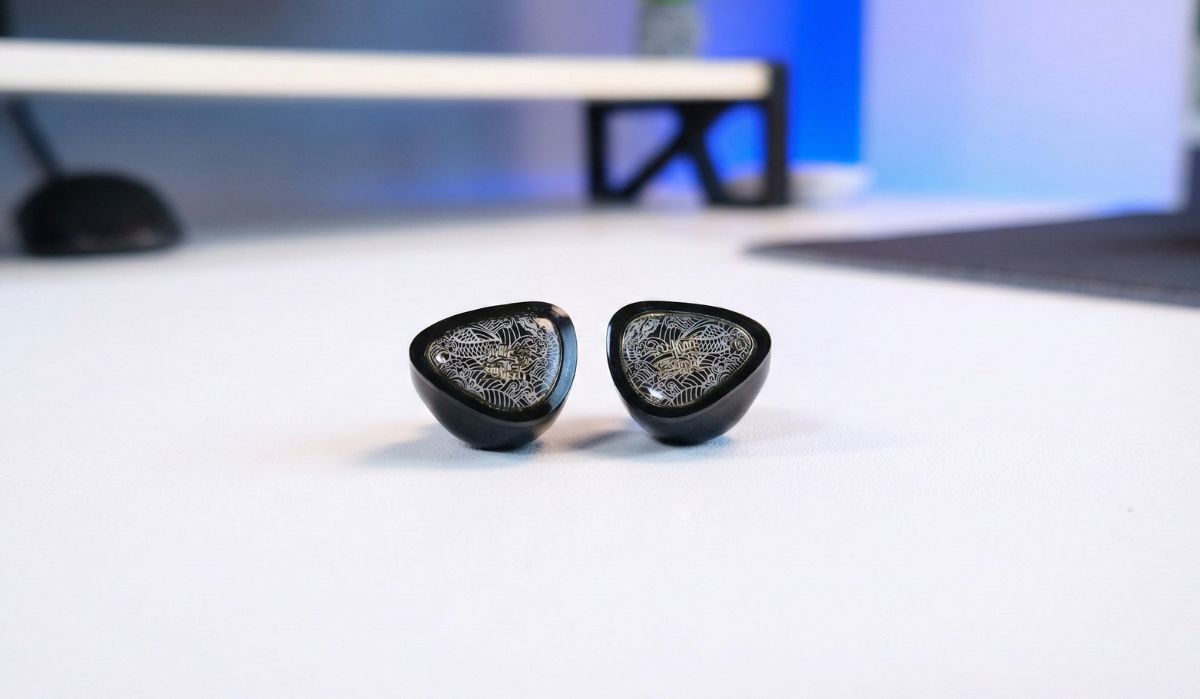
The Wan’er SG 2 is the direct upgrade. Same 10mm PET driver but with refined tuning — the bass is tighter with less mid-bass looseness, and clarity and separation are improved. The cable is significantly better (silver-plated OFC), and it includes premium Tangzu Sancai balanced eartips that cost ₹800-1000 separately. UV-coated resin housing is more durable, and you get 3.5mm, 4.4mm, and Type-C connector options.
The trade-off is that the SG 2 is slightly more analytical than the OG — the warm, musical character is toned down a bit. If you love the OG’s warm signature, it’s still an excellent buy. But if you’re purchasing new, the SG 2 offers better overall value with premium accessories.


Is the Tangzu Wan’er SG Good for Gaming?
Let me be honest here — the Wan’er SG is not designed for competitive gaming. The soundstage depth is limited, and positional audio precision isn’t sharp enough for competitive FPS games like Valorant or BGMI.
For competitive gaming, the Salnotes Zero or CCA XYRAA are significantly better choices. The FiiO JD1 is also decent for gaming with its clear upper midrange.
However, for casual gaming — single-player story games, RPGs, and open-world adventures — the Wan’er SG’s warm signature actually enhances immersion. Explosions feel weighty, ambient sounds feel rich, and dialogue is clear. Just don’t expect it to give you a competitive edge in ranked matches.
Who Should Buy the Tangzu Wan’er SG?
The Wan’er SG is ideal if:
- You’re buying your first IEM and want a safe, universally enjoyable recommendation
- You primarily listen to Bollywood, pop, J-pop, soft rock, acoustic music, or female vocals
- You want to listen for hours without ear fatigue — zero harshness, zero sibilance
- You prefer a warm, smooth, musical sound over cold analytical detail
- You value natural vocal timbre over boosted frequencies
The Wan’er SG is not ideal if:
- You’re a basshead — go for KZ Castor Pro or FiiO JD1 instead
- Competitive gaming is your priority — go for Salnotes Zero or CCA XYRAA
- You want analytical detail and treble air — go for Moondrop Chu 2
- You need gaming + music all-in-one — go for CCA XYRAA
- You want EQ flexibility — go for FiiO JD1 (5 DSP presets) or KZ Castor Pro (4 tuning switches)
Final Verdict
The Tangzu Wan’er SG doesn’t try to be everything for everyone, and that’s exactly why it succeeds. It’s a music-first IEM that prioritizes smooth vocals, warm bass, and fatigue-free listening over analytical detail or gaming performance.
In a market flooded with V-shaped bass cannons and bright analytical IEMs, the Wan’er SG offers something refreshingly different — a sound that’s genuinely musical, natural, and comfortable. It’s the kind of IEM that makes you rediscover your favorite songs because you’re hearing the vocals with new clarity and warmth.
Is it perfect? No. The treble could use more air, the stock cable could be better, and competitive gamers should look elsewhere. But for the vast majority of music listeners in India who want a warm, engaging, vocal-forward IEM under ₹2000 — the Tangzu Wan’er SG remains one of the best recommendations in 2026.
FAQ
Is the Tangzu Wan’er SG good for gaming?
This review is based on personal testing of the Tangzu Wan’er SG over a period of 4+ weeks as a daily driver. All opinions are honest and based on first-hand experience. Prices mentioned are approximate and may vary across sellers and during sales.