
When I first came across the CCZ TianGong CZ10, I honestly thought there was some catch. Five drivers per side, full metal construction, and a price tag of just $40-45 (around ₹4,000-4,500)? In my years of reviewing budget IEMs, those specs at that price usually mean compromises somewhere. So I decided to put the CZ10 through a proper two-week test, using them exactly like any regular user would, and the results genuinely surprised me.
This review is my honest experience with the CCZ CZ10. No brand scripts, no sponsored talking points, just real-world impressions from daily use across music, gaming, and everything in between. Let me walk you through what I found.
CCZ TianGong CZ10 Specifications
| Driver Configuration | 1DD + 4BA (5 drivers per side, 10 total) |
| Dynamic Driver | 10mm dual-magnet dynamic driver |
| BA Drivers | 4x Balanced Armature drivers |
| Frequency Response | 20Hz – 20kHz |
| Impedance | 16Ω |
| Sensitivity | 108dB |
| Cable | 0.78mm 2-pin OFC, 3.5mm jack |
| Build Material | Zinc alloy metal with powder coating |
| Sound Signature | V-shaped (bass and treble boosted) |
| Microphone | Available (with/without mic options) |
| Color | Black (transparent faceplate with gears) |

WHAT’S IN THE BOX
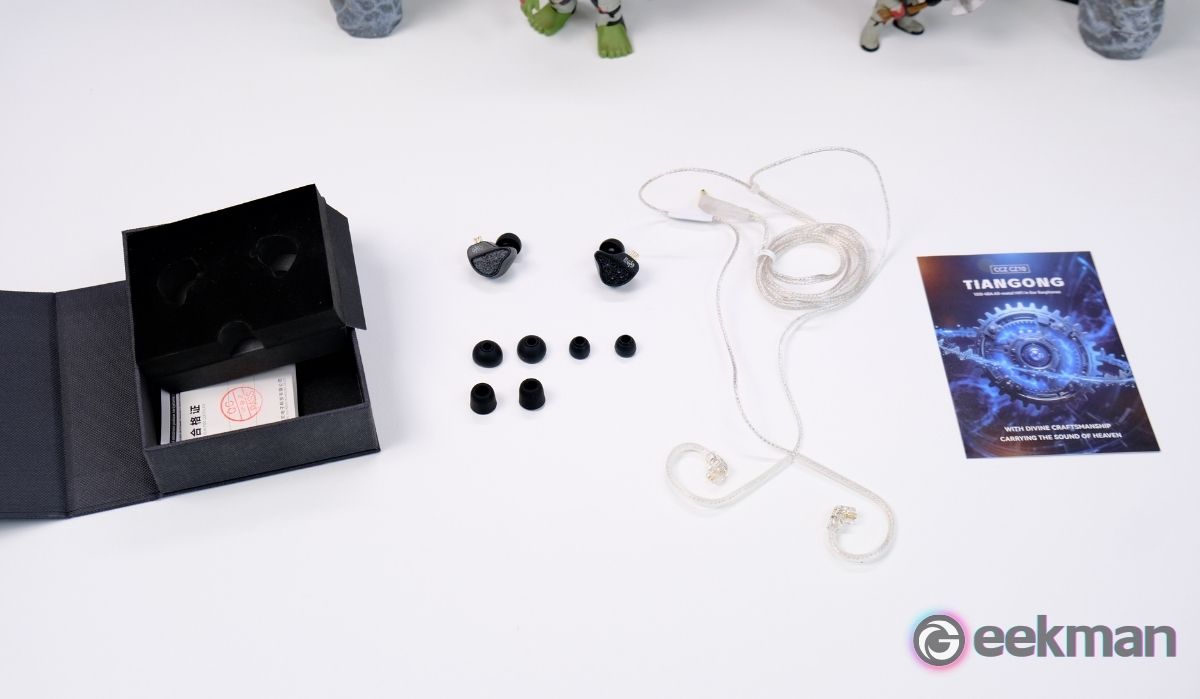
The unboxing experience with the CCZ TianGong CZ10 is pretty standard for this price range. You get the IEMs themselves (currently only available in black), three pairs of silicone ear tips in small, medium, and large sizes, and a pair of foam ear tips. The inclusion of foam tips is actually a nice touch because it shows CCZ put some thought into sound quality, since foam tips can subtly change the acoustic response.
However, there’s one disappointment here. At the $45 price point, I really expected at least a basic carrying pouch or case. Sadly, nothing is included, which means you’ll need to buy one separately if you want to protect your investment. It’s not a dealbreaker, but competitors like KZ do include cases at lower price points.
DESIGN AND BUILD QUALITY
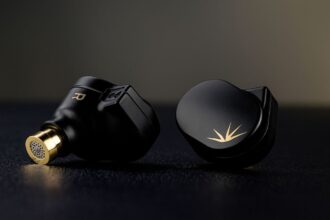
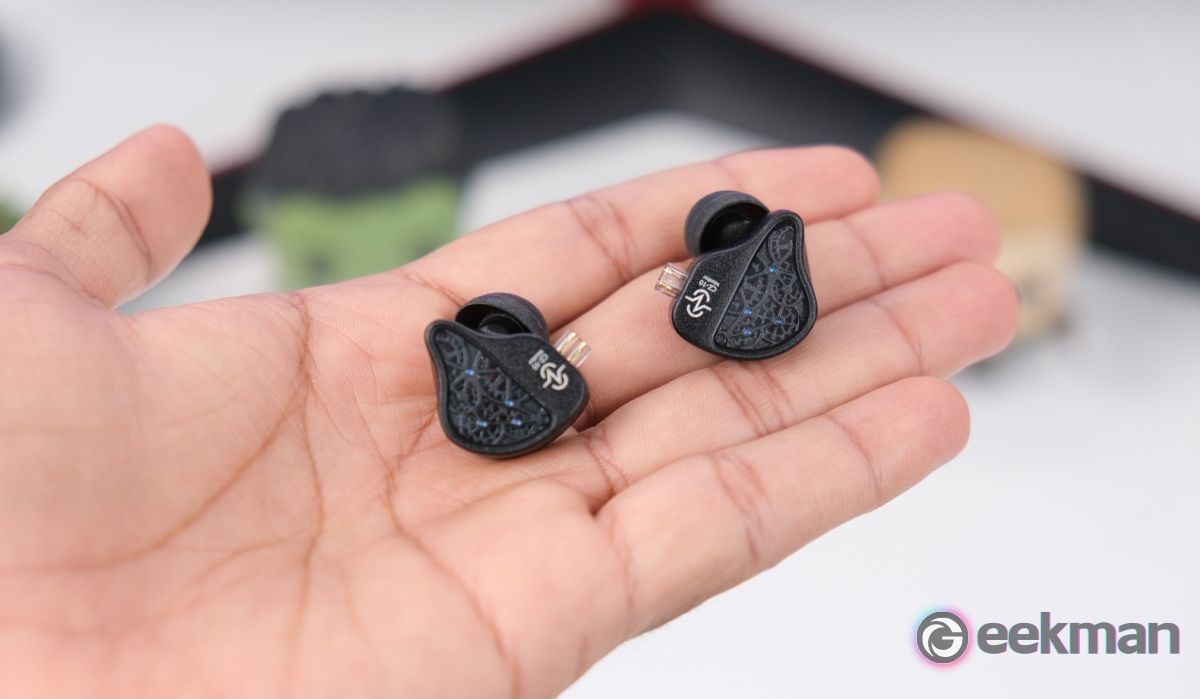
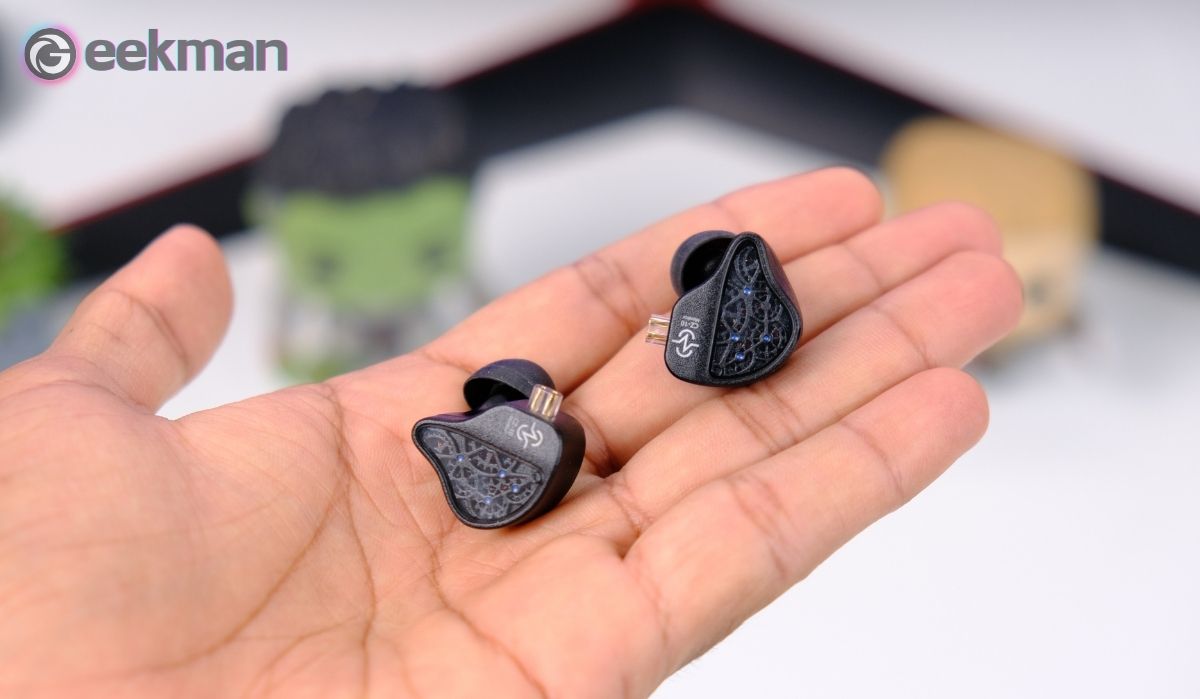
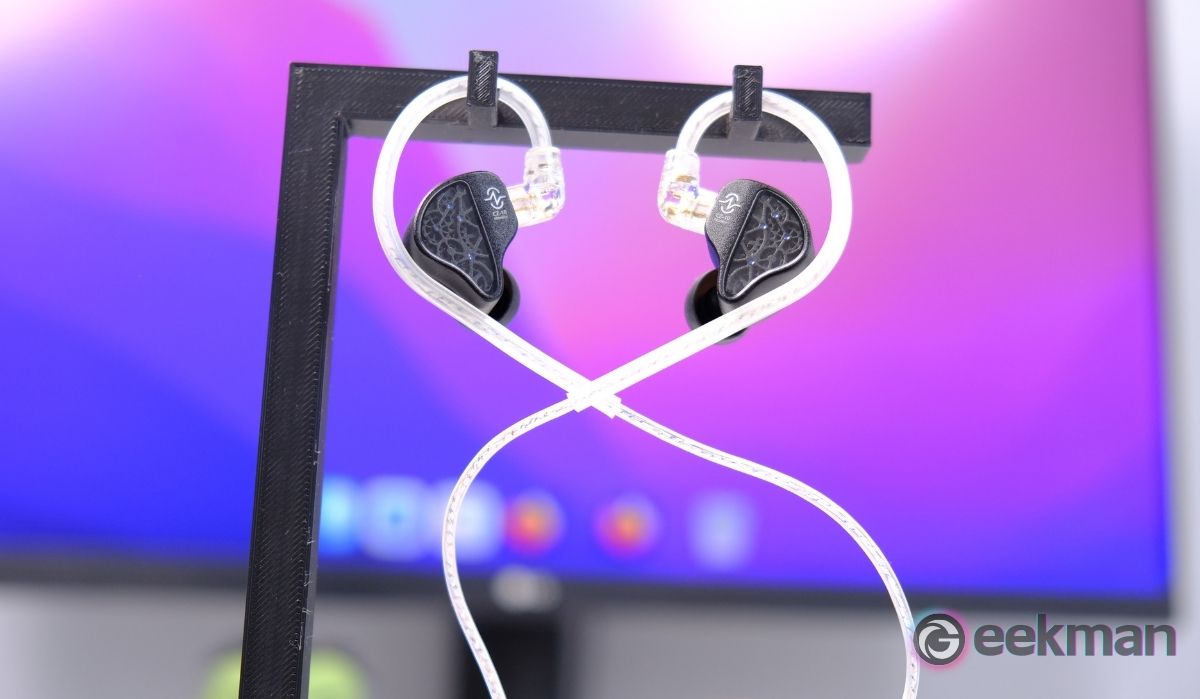
This is where the CCZ CZ10 really starts to impress. The design is genuinely unique in the budget IEM space. The faceplate is transparent, and through it, you can clearly see mechanical gears inside. It creates this aesthetic that reminds me of expensive skeleton watches, you know, those luxury timepieces where you can see all the internal mechanisms. For a tech enthusiast like myself, this design choice really appeals.
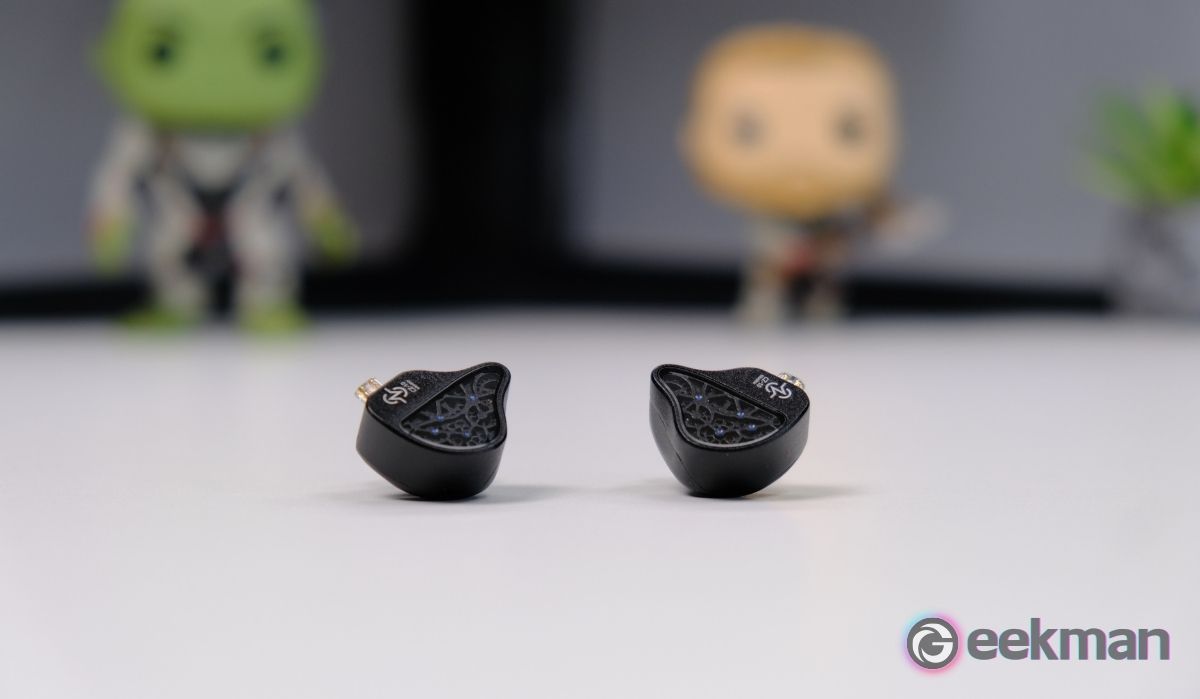
But looks aside, the build quality is where the CZ10 genuinely shines. The entire shell is constructed from zinc alloy metal with a powder coating finish. These are, without exaggeration, the heaviest IEMs I have ever tested. That weight is a direct result of the full-metal construction, and it translates to a premium, substantial feel in your hand that you simply don’t expect at this price.
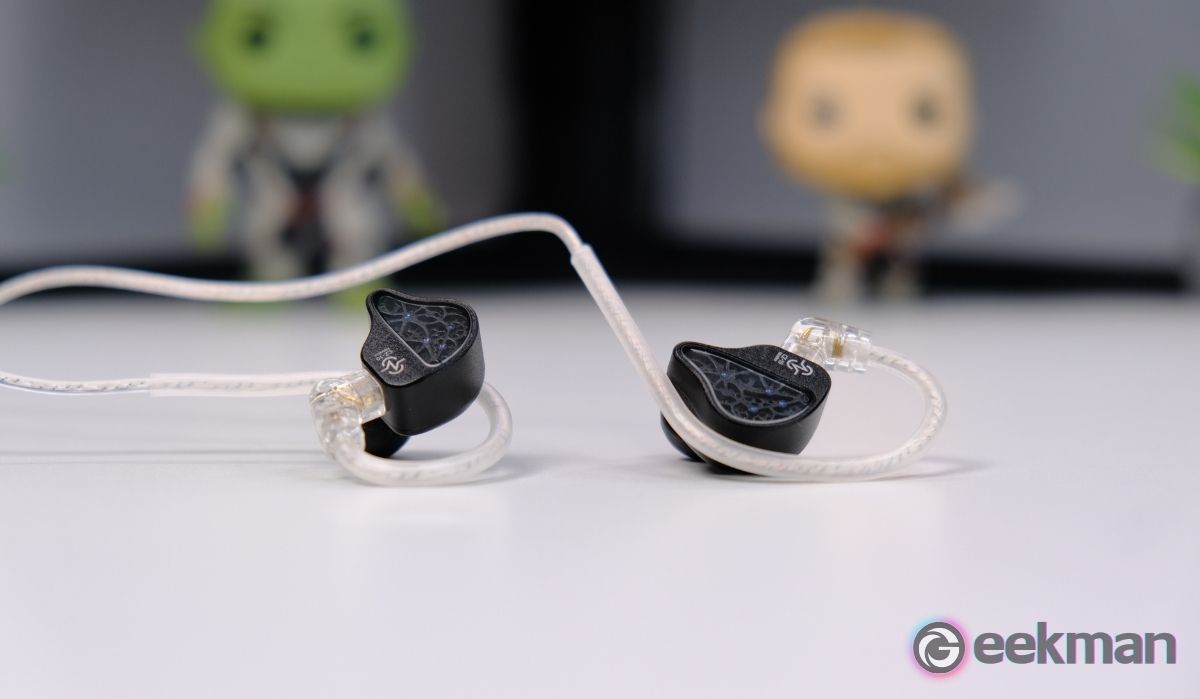
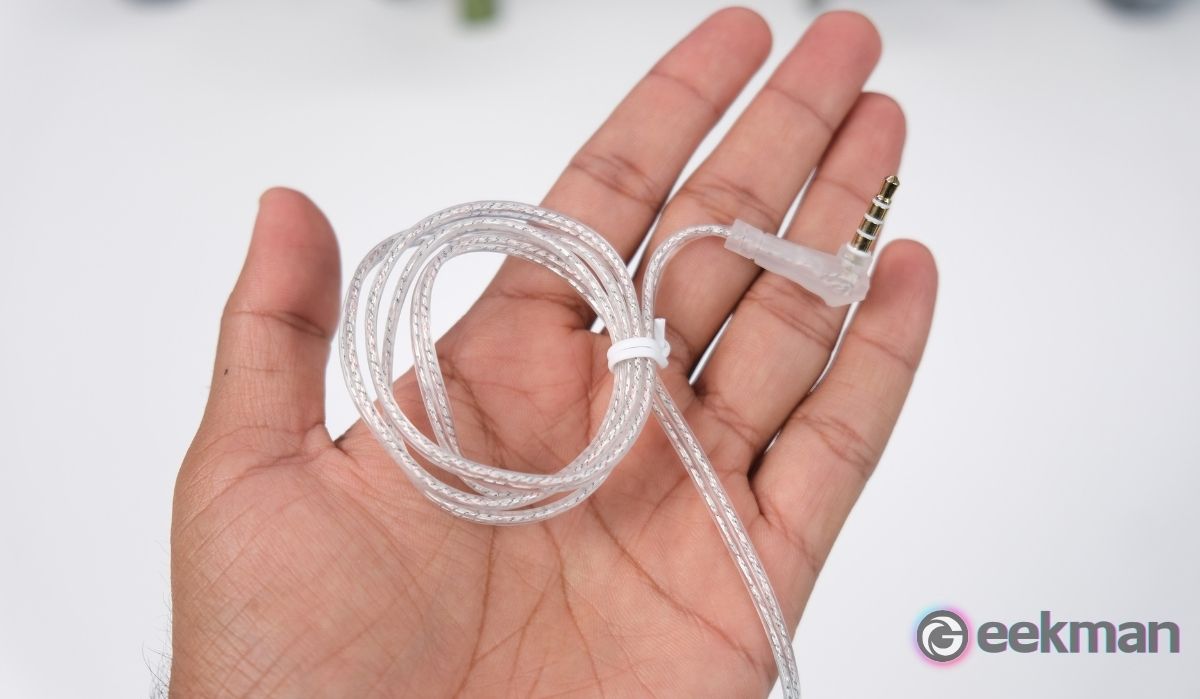
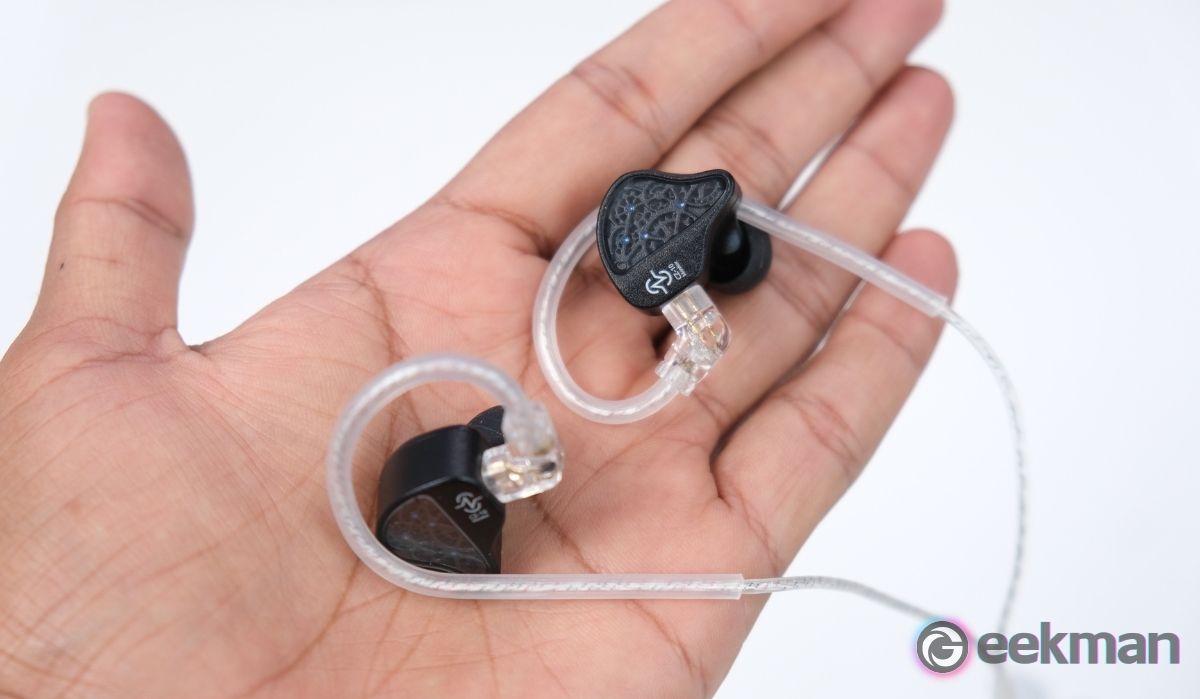
The cable is a standard 0.78mm 2-pin connector with oxygen-free copper construction. It’s the same quality you’d find on other IEMs in this range, nothing revolutionary, but perfectly adequate. One thing to note is that only a 3.5mm jack is included, so if you need USB Type-C connectivity, you’ll need to purchase a separate cable or use a USB DAC.
COMFORT AND FIT
Comfort is crucial for any IEM because if they’re not comfortable, it doesn’t matter how good they sound. With the CZ10, there are some important considerations to keep in mind.
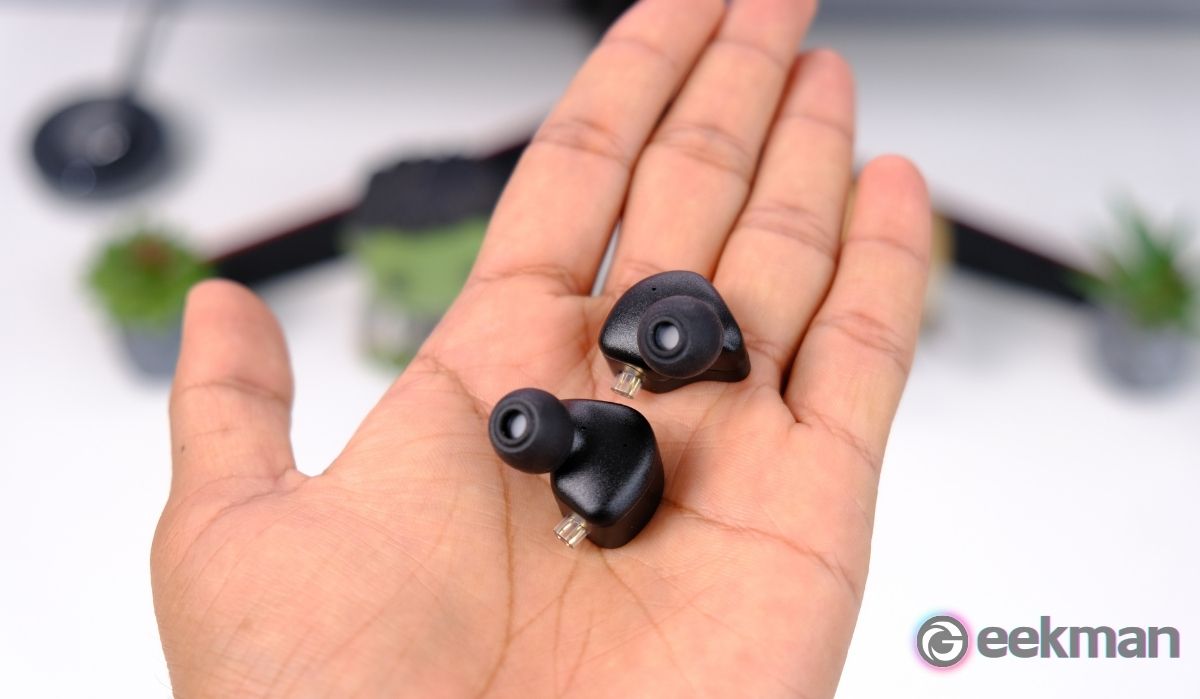
First, the nozzle is noticeably longer than most IEMs in this price range. This means the CZ10 sits deeper in your ear canal than you might be used to. Additionally, the nozzle is fairly wide, not narrow like some IEMs. So if you have smaller ear canals or you don’t like deep-insertion IEMs, the CCZ TianGong CZ10 might not provide the most comfortable experience for you.
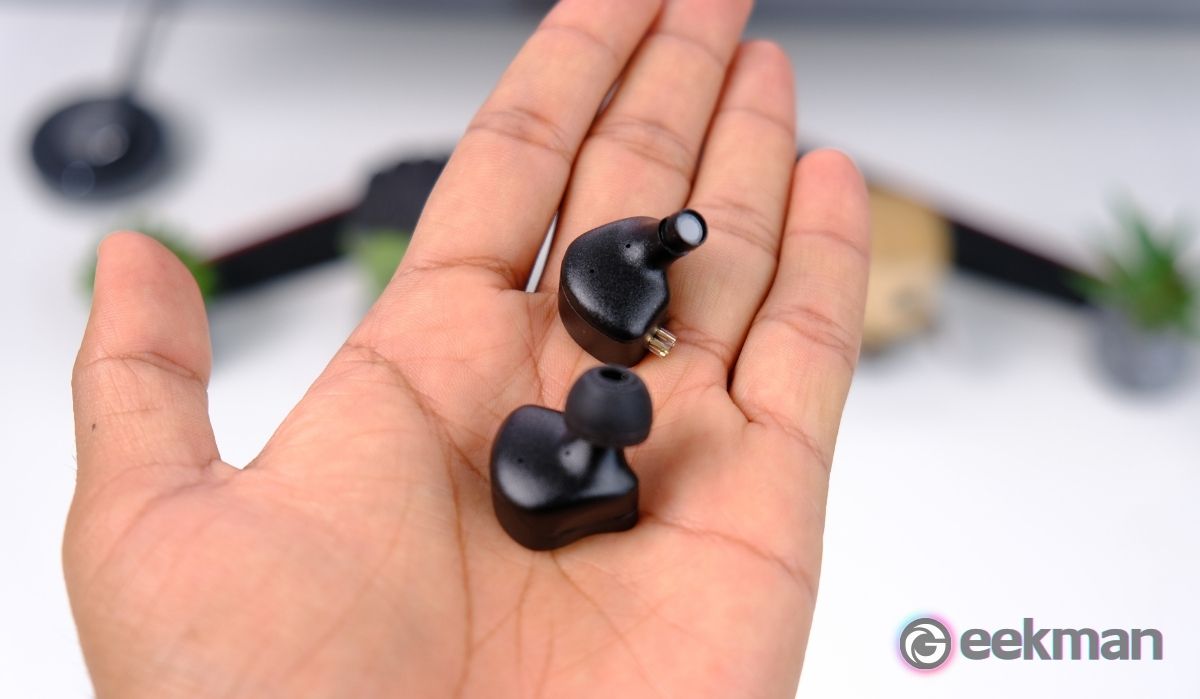
For those of us with medium or larger ears, though, the comfort is pretty decent. I personally prefer using the included foam ear tips because they provide a more secure fit and also make the sound slightly warmer and fuller. I was able to use the CZ10 for 3-4 hour sessions without experiencing any pain or significant discomfort.
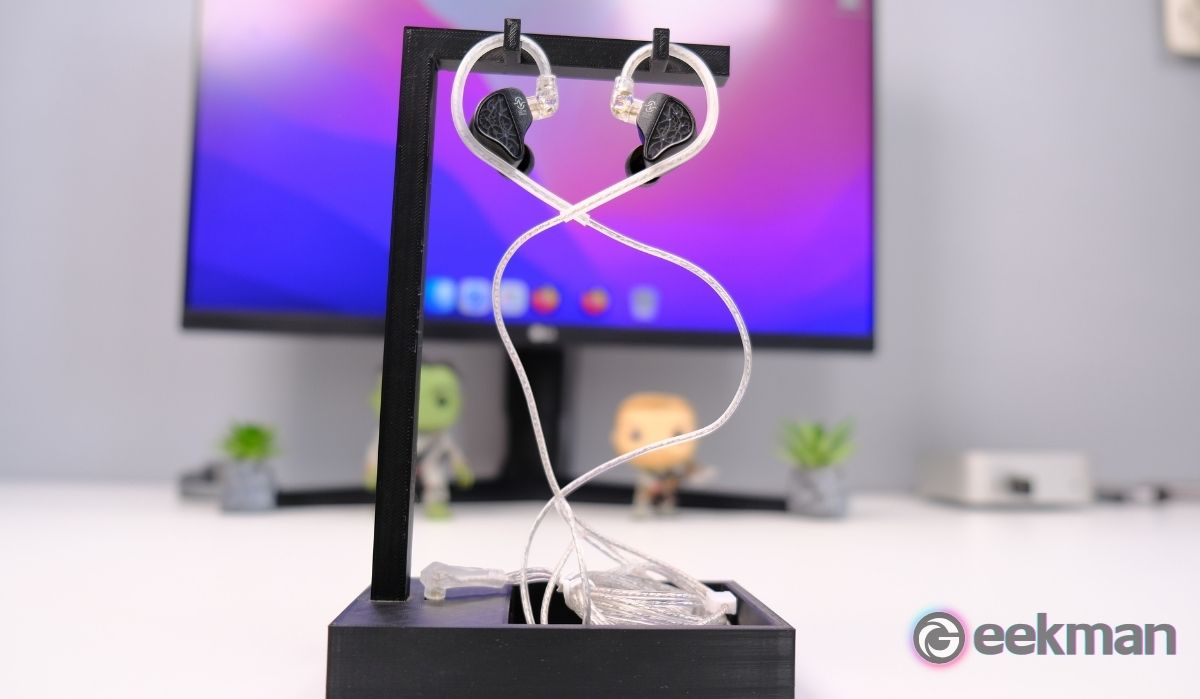
Yes, the metal body does add weight, and some users might notice this. However, once the IEMs are properly seated in your ears, I honestly didn’t notice the weight much during normal use. One thoughtful design choice is the inclusion of small vent holes on the shells, which prevents pressure buildup and the associated discomfort that some sealed IEMs can cause.
SOUND QUALITY: A DEEP DIVE
Now we arrive at the most important part of any IEM review: how does the CCZ TianGong CZ10 actually sound? I’ve spent considerable time analyzing the audio performance, and I want to explain everything in detail so you can make an informed decision.
Driver Configuration
The CZ10 features a hybrid driver setup with five drivers per side, which means ten drivers total. There’s one 10mm dynamic driver with dual magnets that handles all the bass frequencies, while four balanced armature (BA) drivers take care of the mids and treble regions.
Now, you might think that more drivers automatically means better sound. While there’s some truth to that, what really matters is how well these drivers are tuned to work together. After extensive listening, I can say that CCZ has done a commendable job with the tuning on the CZ10. The driver integration is smooth, and there’s no obvious disconnect between the dynamic driver and the BA units.
Sound Signature: V-Shaped Fun
The CCZ CZ10 has what audiophiles call a V-shaped tuning. This means the bass is boosted, the treble has good presence, and the mids sit slightly behind in the overall mix. This type of sound signature is specifically designed for enjoyable, fun listening rather than clinical analysis or studio monitoring.
If you’re someone who wants to enjoy your music, tap your foot to the beat, and feel the energy of your favorite tracks, the V-shaped tuning delivers exactly that experience. It’s not meant for picking apart recordings or doing critical listening, it’s meant for pure musical enjoyment.
Bass Performance
Let me be honest: the bass is the absolute best part of the CCZ CZ10. The 10mm dynamic driver with its dual-magnet design delivers serious low-end authority.
The sub-bass extends impressively deep. We’re talking about the kind of bass you don’t just hear, you actually feel it resonating in your chest. When I put on hip-hop tracks, EDM, or Bollywood songs with heavy beats, the CZ10 absolutely comes alive. The bass has satisfying slam, good punch, and substantial weight that makes these genres genuinely thrilling to listen to.
Is the bass as tight and controlled as you’d find on higher-end IEMs costing three or four times as much? Honestly, no. There’s a slight looseness to the low end. But crucially, it’s not muddy or bloated, and it doesn’t bleed excessively into the midrange. For the price you’re paying, the bass performance is very impressive and very satisfying.
Midrange Performance
Due to the V-shaped tuning, the mids on the CZ10 are slightly recessed. They sit behind the bass and treble in the overall presentation. However, within the midrange itself, CCZ has achieved a nice balance between the upper and lower mids, which isn’t always the case with V-shaped IEMs at this price point.
Male vocals come through warm and smooth. They’re not pushed forward in the mix, but they’re pleasant and natural-sounding. Female vocals actually perform quite well on the CZ10, possessing nice energy and sparkle without any harshness or sibilance. Instrument separation is decent too. You can focus on individual elements like guitar, drums, or vocals if you concentrate, though everything does have that characteristic warm coloration from the BA drivers.
Here’s the honest truth: if your music library consists mainly of vocal-focused tracks like acoustic performances, classical music, or soft ballads where the vocals are the primary focus, the CZ10’s mids might feel somewhat underwhelming. The vocals are present, but they don’t come forward and take center stage the way they do on more neutral or mid-forward IEMs.
Treble Performance
The four balanced armature drivers handling the high frequencies do their job admirably. The treble on the CCZ TianGong CZ10 is smooth and pleasant. There’s no harshness, no piercing peaks, no sibilance that hurts your ears during extended listening sessions.
You can listen to the CZ10 for hours without experiencing listening fatigue, which is genuinely impressive at this price point. Yes, some micro-details in the highest frequencies are missing compared to more analytical IEMs, but for most listeners, this is actually preferable. The smooth, non-fatiguing treble makes these IEMs very easy to enjoy for long periods.
Soundstage and Imaging
The soundstage on the CZ10 is genuinely impressive for an IEM at this price point. You could easily rank it among the best in this budget segment. There’s good width to the presentation, and music doesn’t feel confined or stuck inside your head like it does with some cheaper IEMs. The left and right separation is also well-defined.
Imaging is good but not exceptional. You can easily tell the general direction where instruments and sounds are coming from, but pinpointing exact positions with razor-sharp precision isn’t the CZ10’s strong suit. For music listening, this level of imaging is more than adequate. However, as I’ll discuss in the gaming section, this becomes a consideration for competitive gamers.
GAMING PERFORMANCE
For casual gaming, which includes single-player experiences, story-driven adventures, and action games where immersion is the priority, the CCZ CZ10 is an excellent choice in this price range.
The powerful bass makes explosions and gunshots feel visceral and real. The overall experience becomes cinematic and immersive. Whether you’re exploring ancient ruins, fighting epic bosses, or cruising through an open world, the CZ10 enhances the experience with its engaging, fun sound signature. Movies and streaming content also benefit from the same qualities.
Competitive Gaming Considerations
For competitive gaming, my recommendation becomes more nuanced. Can you play competitive games with the CZ10? Absolutely. You will hear footsteps, ability sounds, and enemy positions. The IEMs are functional for competitive play.
However, the CZ10 isn’t the optimal choice for serious competitive gaming, and here’s why. First, in FPS games, footsteps typically occur in the mid-frequency range. The CZ10’s powerful bass can sometimes mask these subtle footstep sounds, especially during chaotic moments with explosions and gunfire happening simultaneously.
Second, competitive gaming benefits enormously from precise imaging, the ability to know exactly where an enemy is positioned. Is the threat 30 degrees to your left or 45 degrees? With the CZ10’s B-minus imaging, you get good directional information, but not the pinpoint accuracy that can mean the difference between winning and losing in high-stakes competitive scenarios.
For regular competitive gaming with friends or casual ranked matches, the CZ10 works fine. But for tournament play or grinding to the highest ranks, a more neutral IEM with better imaging, such as the 7Hz Salnotes Zero, would serve you better.
MICROPHONE QUALITY
The CCZ CZ10 is available in both mic and non-mic variants, and importantly, there’s no price difference between them. Given this, I strongly recommend getting the mic version regardless of whether you think you’ll need it.
The included microphone delivers clear, intelligible audio for voice calls and Discord conversations. Is it studio quality? No. But for gaming voice chat, phone calls, and online meetings, it gets the job done without issues. Your voice comes through clearly, and the other party can understand you without problems. The inline remote also includes a button for play/pause and call answering functionality.
FINAL VERDICT: SHOULD YOU BUY THE CCZ TIANGONG CZ10?
The CCZ TianGong CZ10 is a genuinely impressive budget IEM that delivers far more than its price tag suggests. The combination of excellent build quality, powerful bass response, and overall fun sound signature makes it a compelling choice for anyone who wants to enjoy their music rather than analytically dissect it.
At $40-45, you’re getting 10 drivers, full metal construction, and a sound that punches well above its weight class. Yes, there are compromises, the mids are recessed, it’s not ideal for competitive gaming, and the fit might not suit everyone. But for the right user, the CCZ CZ10 offers exceptional value and genuine musical enjoyment.
This was my honest experience after two weeks of daily use. I hope this review helps you make an informed decision about whether the CCZ TianGong CZ10 is right for you.
Who Should Buy the CCZ CZ10
- Bass lovers who want to feel their music
- Listeners of hip-hop, EDM, electronic, and Bollywood music
- Casual gamers who prioritize immersion over competition
- Anyone wanting premium metal build quality at a budget price
Who Should NOT Buy the CCZ CZ10
- Vocal-focused music listeners who want forward mids
- Those who prefer neutral, analytical sound signatures
- Competitive esports players
ALTERNATIVES TO CONSIDER
No product is perfect for everyone, so here are some alternatives worth considering depending on your priorities:
Truthear Zero RED (~$50/₹5,000)
If you prioritize vocal clarity and a more balanced sound signature over pure bass impact, the Truthear Zero RED is worth considering. It offers better midrange presence at a slightly higher price point, though the build quality is plastic rather than metal.
KZ Castor Pro (~$20/₹2,000)
At roughly half the price of the CZ10, the KZ Castor Pro offers metal build quality and tuning switches to customize the sound. The bass isn’t as refined as the CZ10, but it’s excellent value for those on a tighter budget.
7Hz Salnotes Zero (~$15/₹1,500)
If competitive gaming is your primary use case, the 7Hz Salnotes Zero offers a neutral sound signature and better imaging at a fraction of the CZ10’s price. The bass is much flatter, but the footstep clarity and positional audio are superior for competitive FPS games.