
I was originally planning to buy the Sennheiser HD 600 or HD 650. Both are legendary headphones that audiophiles swear by. But there was a problem – the budget.
The HD 600 costs around ₹25,000-30,000, and that’s not even the complete story. These headphones need a dedicated amplifier to sound their best. Add another ₹5,000-10,000 for a decent amp. Suddenly, we’re looking at almost ₹40,000 for a complete setup.
That was way beyond what I wanted to spend.
So I started looking for alternatives. And honestly, if you’ve done any research in this space, you already know the answer. For the past 5 years, there’s been one headphone that everyone recommends in this price range – the Sennheiser HD 560S.
I’ve been using it for months now, and in this review, I’ll explain exactly why this headphone is the first choice for audiophiles, content creators, and even competitive gamers. I’ll also tell you why I didn’t choose the Hifiman HE400SE, Beyerdynamic DT 990 Pro, AKG K702, or Audio Technica ATH-M50x.
Let’s get into it.
What Exactly is the Sennheiser HD 560S?
The HD 560S is an open-back headphone designed specifically for audiophiles.
Now, what does “audiophile” really mean? It’s simple – these are people who don’t just want to listen to music. They want to feel it. They want to understand it. They want to hear every single detail in a recording. They want to judge the quality of the audio itself.
Think of it like this – the HD 560S sounds similar to studio monitor speakers, but in a headphone form factor.
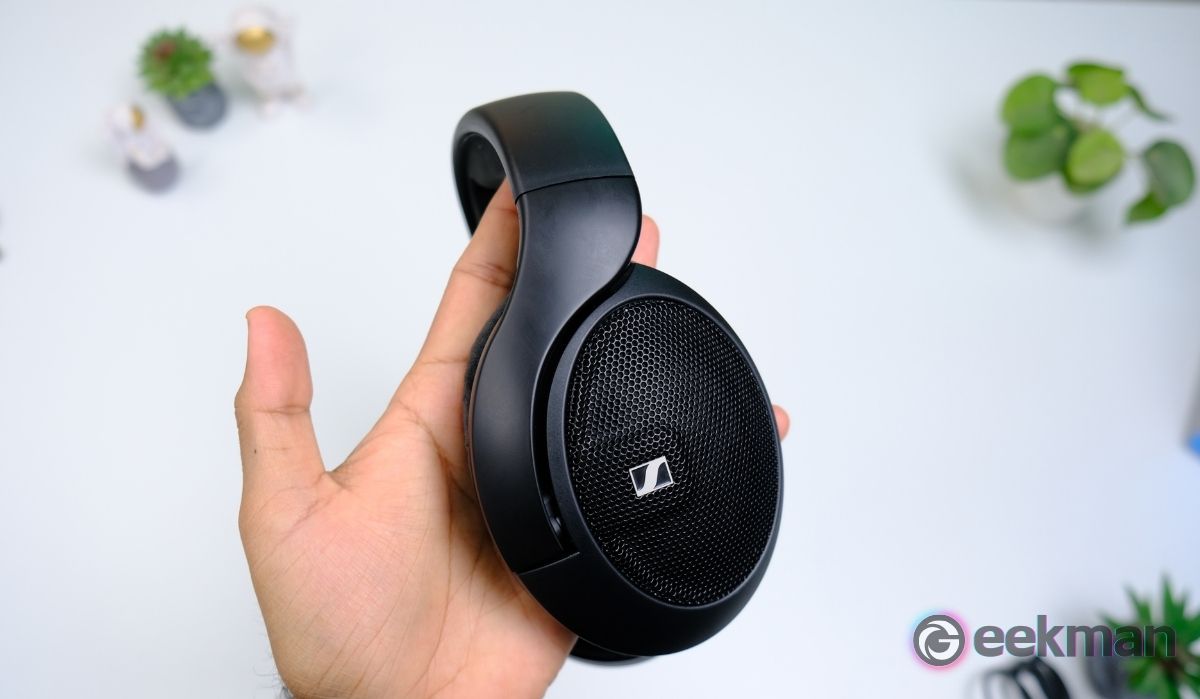
If you want accurate, honest sound without any artificial coloring or boosted bass, this headphone is made for you. It doesn’t try to make your music sound “better” than it actually is. It shows you exactly what’s in the recording – nothing more, nothing less.
And surprisingly, this neutral tuning makes it excellent for almost everything, including competitive gaming. More on that later.
Sennheiser HD 560S Specifications
| Driver Size | 38mm dynamic drivers (angled at 9°) |
| Impedance | 120 ohms |
| Sensitivity | 110 dB SPL |
| Frequency Response | 6 Hz – 38,000 Hz |
| Type | Open-back, Over-ear |
| Cable | 3m detachable (6.3mm plug with 3.5mm adapter) |
| Weight | 240 grams |
| Earpads | Velour (replaceable) |
| Warranty | 2 years |
A few things stand out here:
The 120 ohm impedance with 110 dB sensitivity means you can drive these headphones directly from your phone or laptop. No amplifier needed. Of course, if you have an amp, it’ll sound even better, but it’s not a requirement.
The frequency response of 6Hz to 38,000Hz is incredibly wide. It covers everything from the deepest bass to the highest treble that humans can hear (and beyond).
And the 38mm angled drivers? That’s a clever design choice I’ll explain in the sound quality section.
The Microphone Problem is Finally Solved
Here’s the thing – like most audiophile headphones, the HD 560S doesn’t have a built-in microphone. For years, this has been a deal-breaker for gamers, streamers, and people who take a lot of video calls.
You had two choices: either buy a separate desktop microphone, or skip audiophile headphones entirely and get a gaming headset with mediocre audio quality.
But Sennheiser finally fixed this.
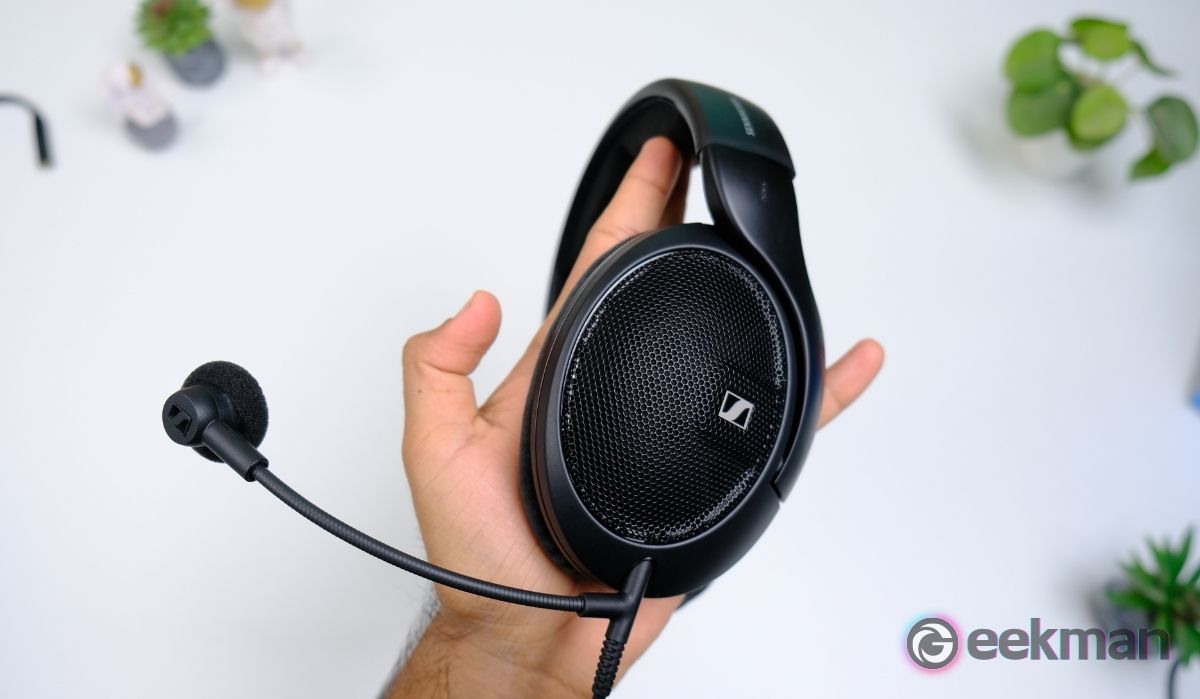
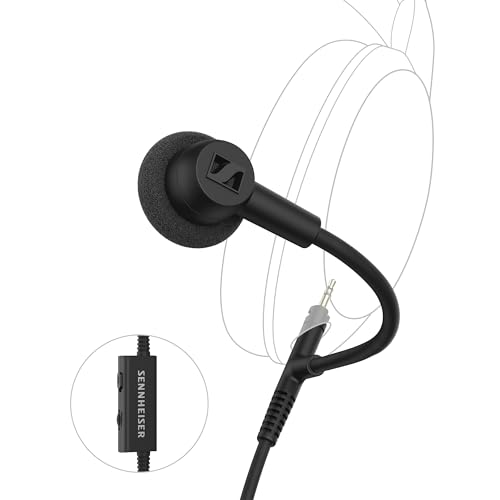
They launched the HD 500 BAM – a professional-grade addon boom arm microphone that connects directly to any Sennheiser 5-series headphone, including the HD 560S.
I bought the combo pack, and honestly, the microphone quality is impressive. It’s a large 10mm condenser mic with balanced, natural, warm voicing. The sound pickup is excellent. In real-world use, it’s better than most gaming headset microphones I’ve tested, and even rivals some budget USB microphones.
The best part? It works on everything – PC, laptop, phone, PlayStation. Same quality across all devices.
This addon mic transforms the HD 560S from a pure listening device into a complete solution for gamers, streamers, content creators, and anyone who needs to attend meetings regularly.
Definitely a game changer. Here is the Detail Review of Sennheiser HD 500 BAM

Build Quality & Comfort
Build Quality
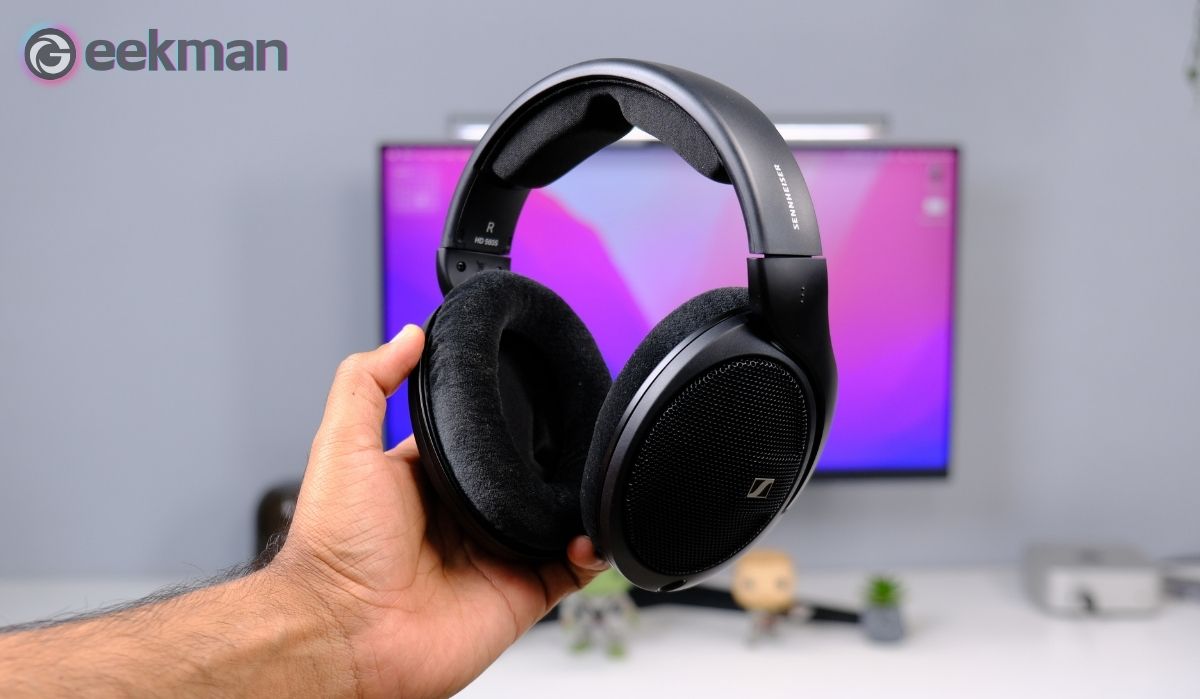
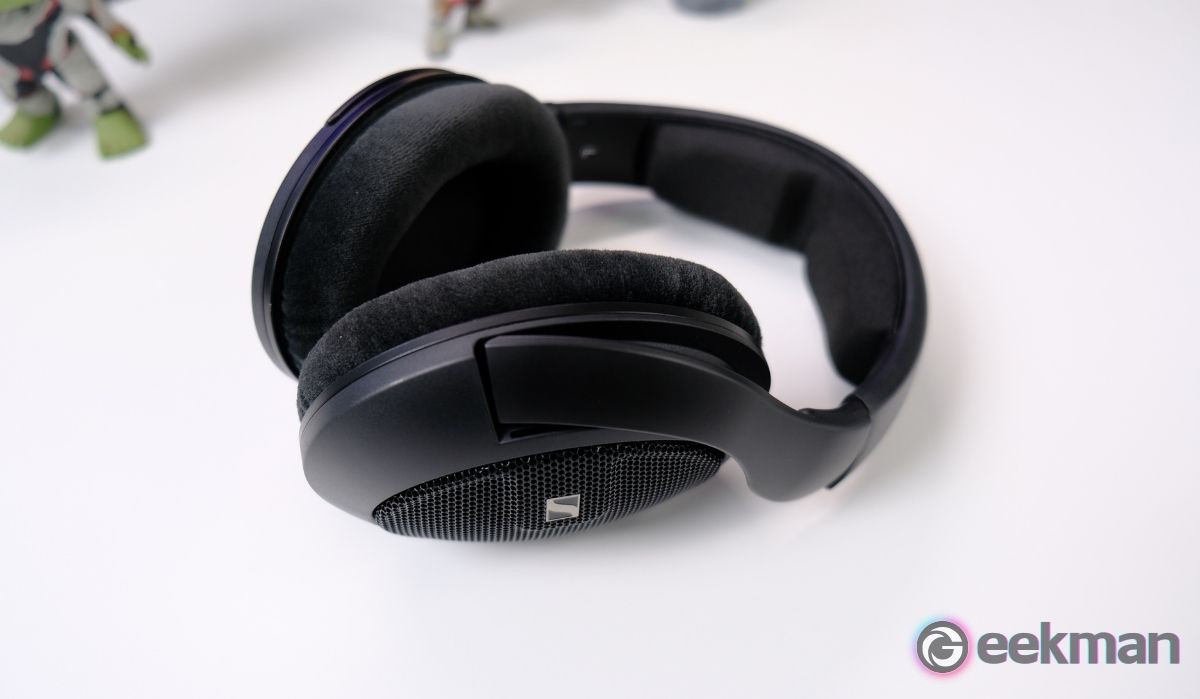
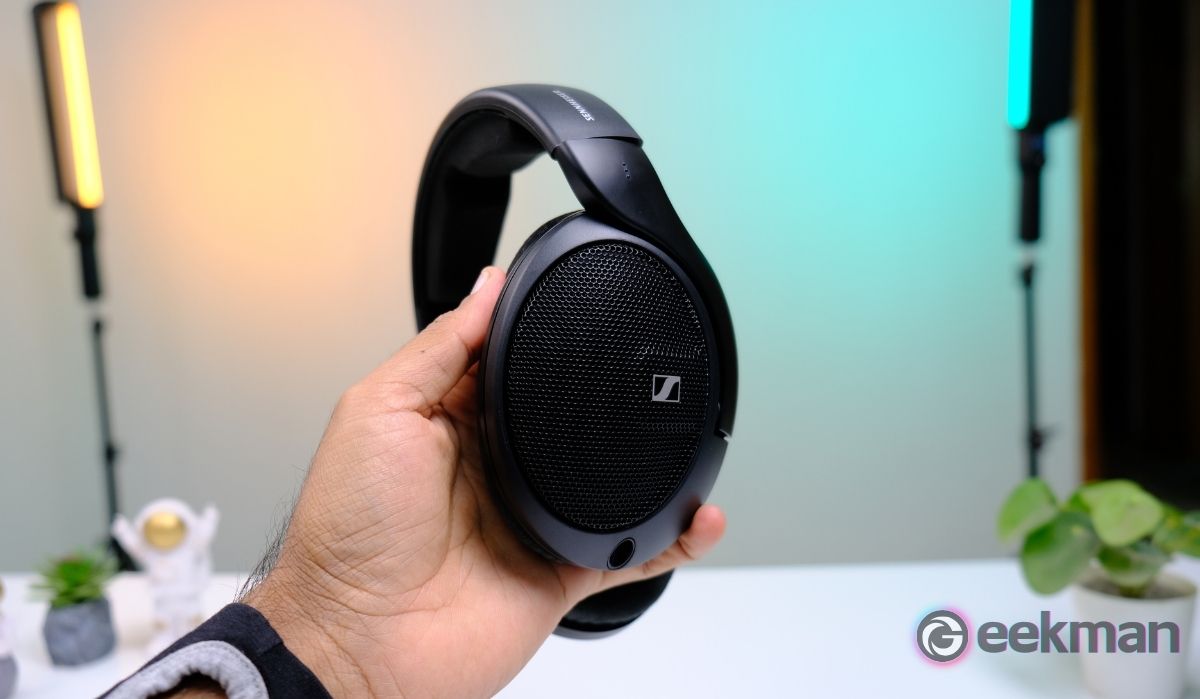
Let me be honest – the HD 560S doesn’t look premium. It’s almost entirely made of plastic, and when you first pick it up, you might be a little underwhelmed.
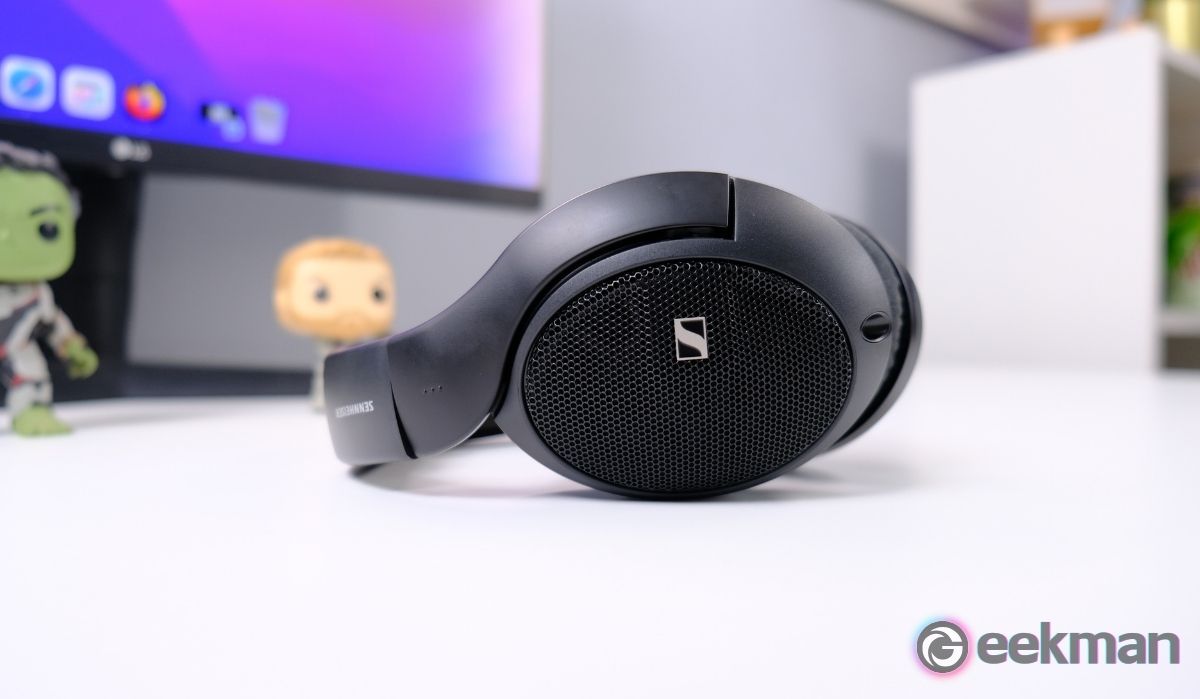
But here’s what I’ve learned about Sennheiser: they use plastic that works. This is solid, durable plastic that feels like it’ll last for years. It’s the same build philosophy they use across their entire 500-series lineup.
The headband is sturdy, the hinges feel robust, and the overall construction inspires confidence. Don’t worry – your friendship with this headphone will be a long one.
Cable Quality
I’ve always liked Sennheiser’s cables, and the HD 560S doesn’t disappoint. It comes with a 3-meter rubber-coated cable that’s largely tangle-free.
The cable uses a 2.5mm connector with a twist-lock mechanism on the headphone end – this ensures the cable stays secure and won’t come loose during use. The other end has a 6.3mm plug with a 3.5mm adapter included.
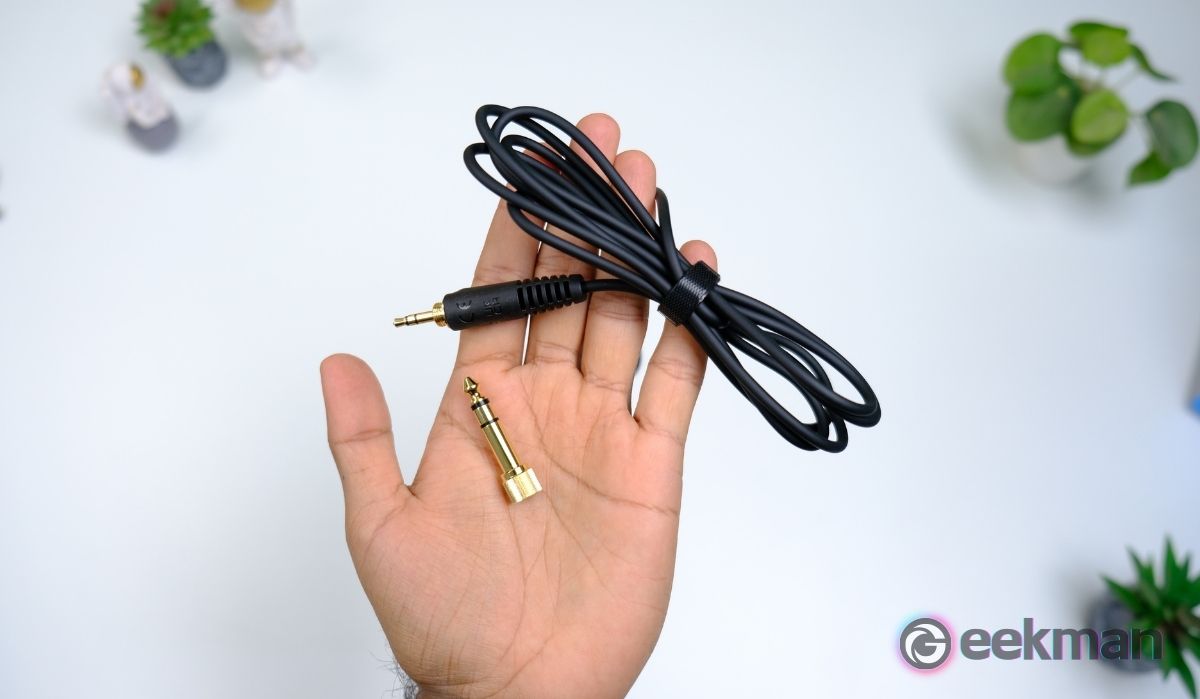
And here’s the best part: the cable is detachable and replaceable. If it gets damaged, you can buy a replacement directly from Sennheiser at an affordable price. No need to throw away the entire headphone.
Replaceable Parts
This is something I really appreciate about Sennheiser.
The earpads, headband cushion, cable – all of these can be replaced. Sennheiser officially sells replacement parts for their headphones. Even internal components like drivers and PCBs can be replaced through Sennheiser service centers or third-party repair shops.
For an expensive headphone, this repairability is crucial. It’s one of the main reasons I prefer Sennheiser over other brands.
Comfort
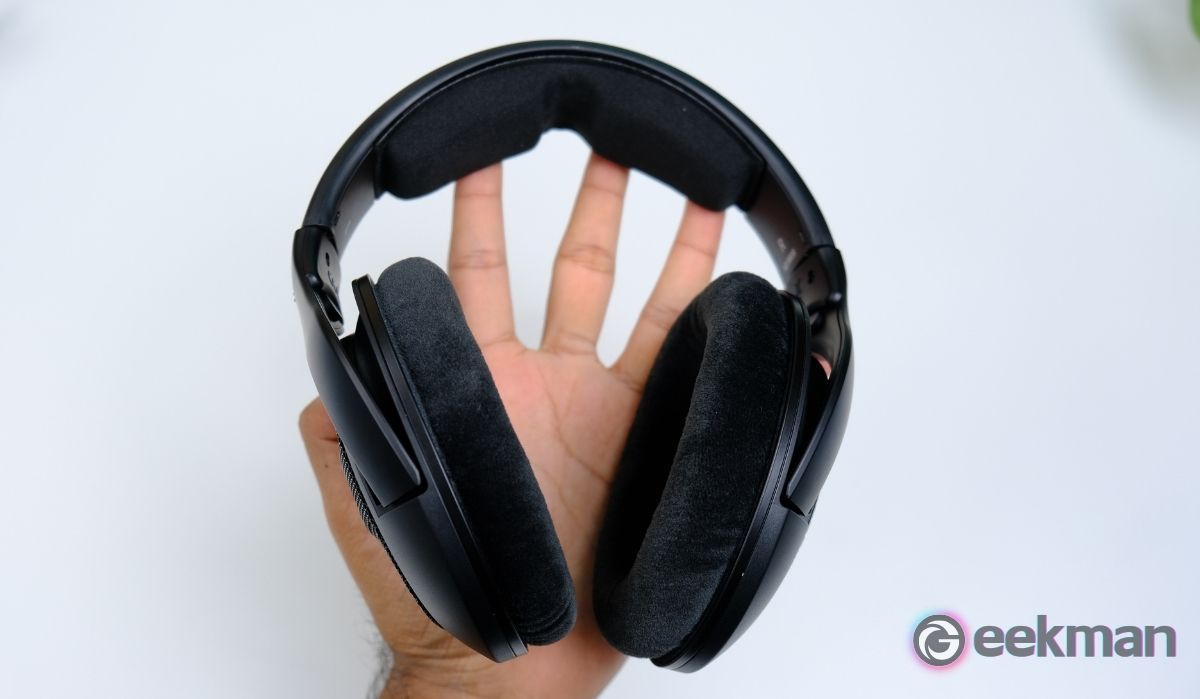
The HD 560S is extremely comfortable. It’s lightweight at just 240 grams, and the around-ear design means the earpads sit around your ears, not on them. No pressure on your ears at all.
The earpads are made of velour material – soft, breathable, and durable. Unlike artificial leather or pleather pads that can get hot and sweaty (especially in Indian weather), velour stays cool and comfortable for hours.
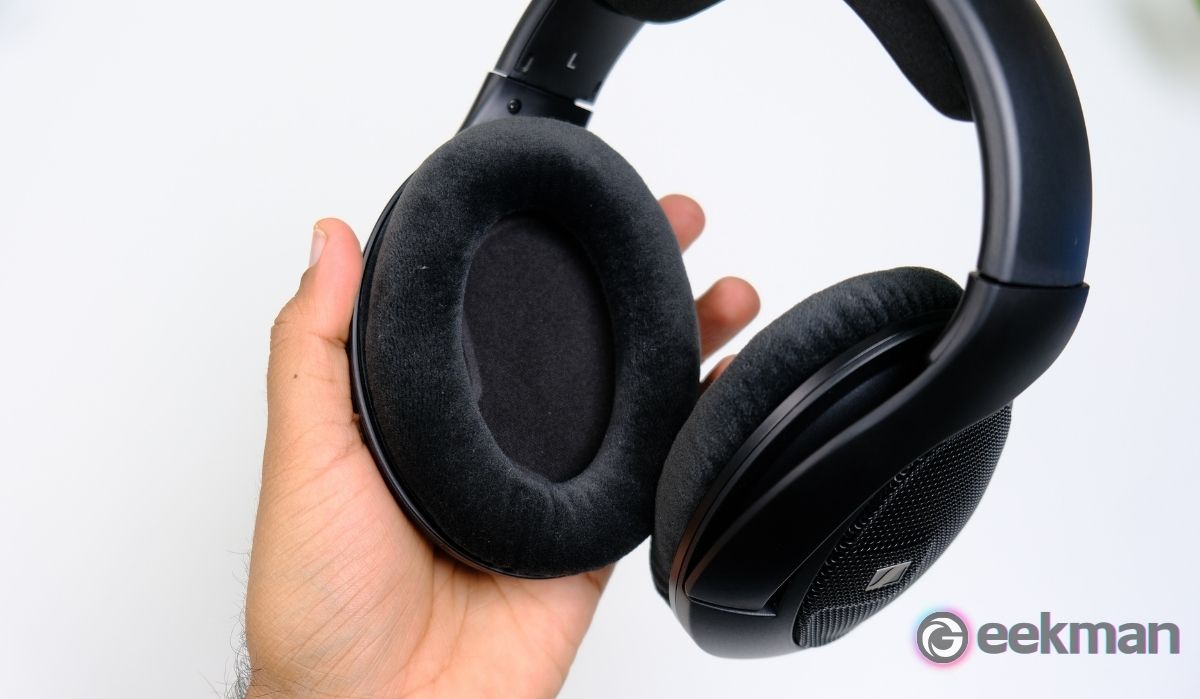
Yes, velour can be a bit harder to clean, but it’s more durable and much better suited for our climate.
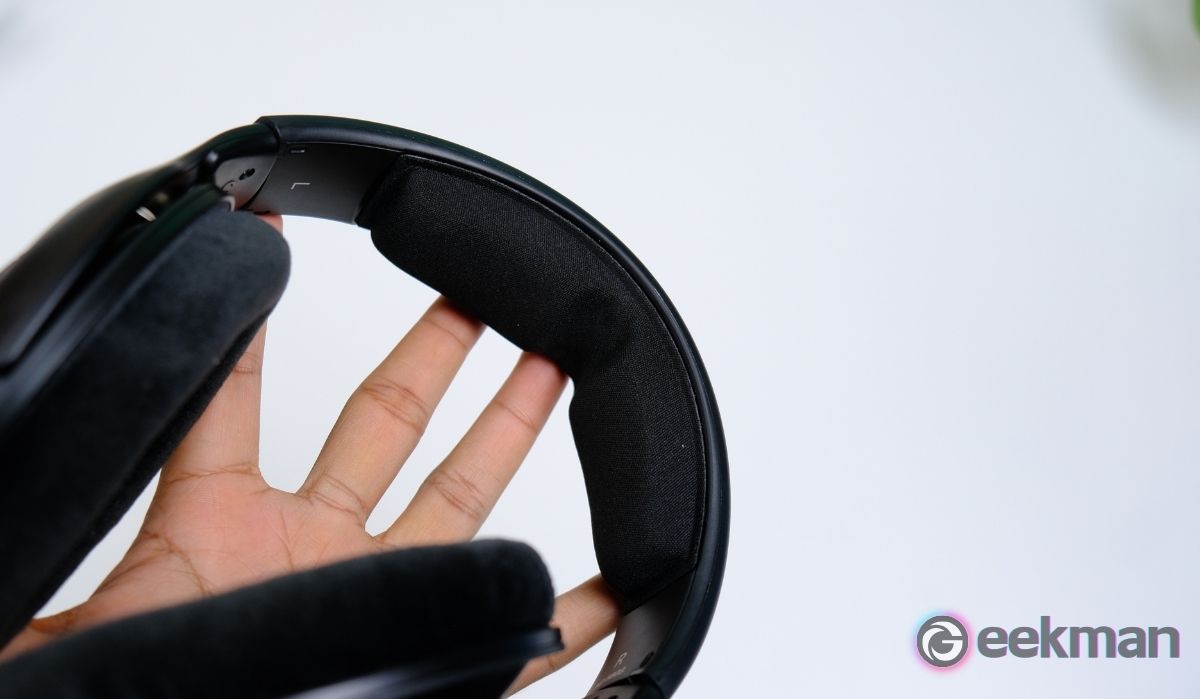
The headband also has the same soft velour cushioning, so there’s no pressure on the top of your head either. Whether you have a small head or a big one, the HD 560S will fit comfortably.
Open-Back vs Closed-Back Headphones: Which is Better?
Since the HD 560S is an open-back headphone, let me quickly explain the difference for those who might be confused.
Closed-Back Headphones
- The back of the ear cups is sealed
- Sound reflects inside the cup
- Better noise isolation (blocks outside sound)
- Sound stays private (others can’t hear your music)
- Good for outdoor use, noisy environments
Open-Back Headphones
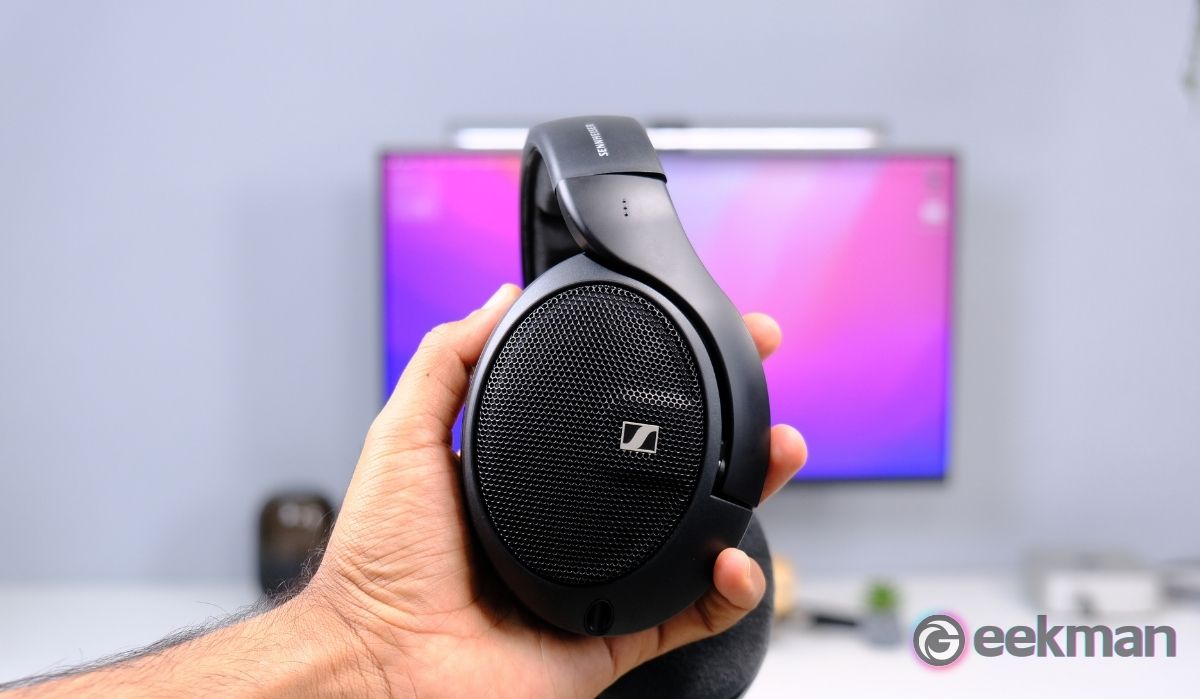
- The back of the ear cups has grills/openings
- Sound doesn’t reflect – feels more natural
- Little to no noise isolation
- Sound leaks out (others nearby can hear your music)
- Better for home use, quiet environments
Why I Prefer Open-Back
The audio advantages of open-back headphones are significant:
- More natural sound – Since sound doesn’t reflect back, the audio feels more natural and lifelike.
- Better bass and treble extension – The drivers can move freely without air pressure building up inside the cup.
- Wider soundstage – Music feels like it’s coming from around you, not inside your head. It’s like listening to speakers.
This is why most audiophiles prefer open-back headphones for critical listening.
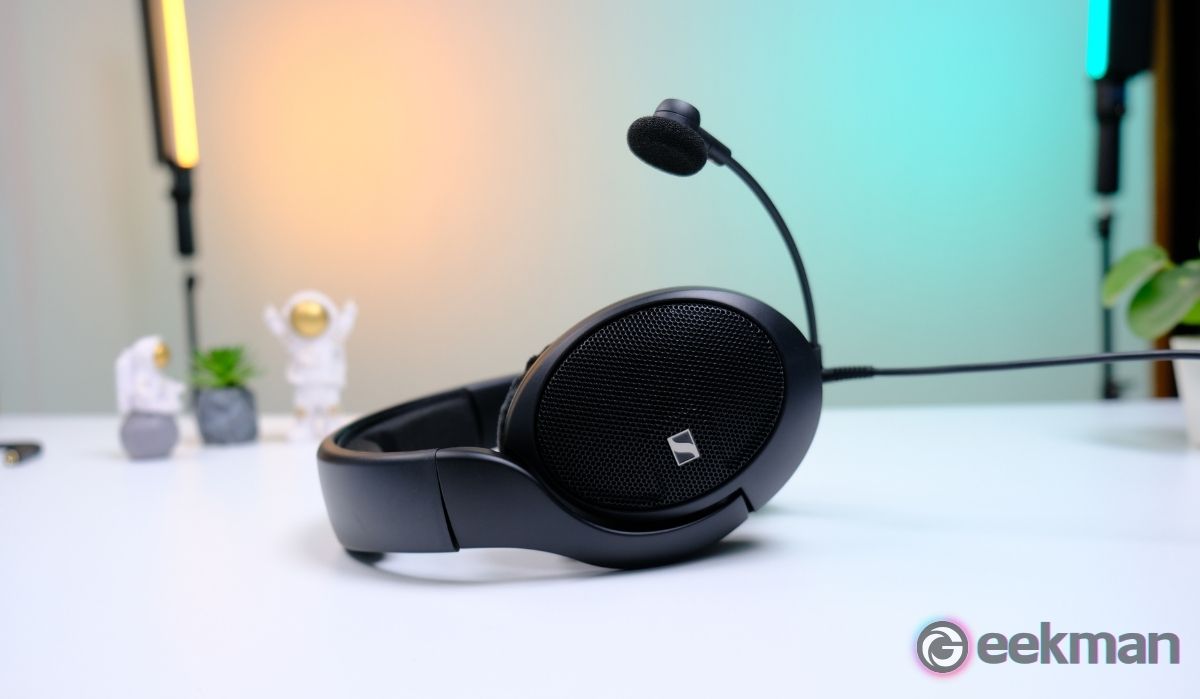
The downside, of course, is that open-back headphones aren’t ideal for noisy environments or public use. They’re meant for quiet home listening.
Interestingly, the HD 560S has better sound isolation than most open-back headphones I’ve used. The fitting is good enough that audio leak is minimal – you can use them without disturbing others too much (unless you’re blasting at full volume).
Sound Quality: A Detailed Breakdown
Now for the most important part – how does the HD 560S actually sound?
The Angled Driver Magic
Remember I mentioned the 38mm drivers are mounted at a 9-degree angle? Here’s why that matters.
When you set up stereo speakers, you place them in a triangular position for the best listening experience. The HD 560S mimics this setup inside the headphone. The angled drivers create a better soundstage and more accurate imaging.
And yes, you can definitely hear the difference.
Overall Sound Signature
The HD 560S has a neutral, slightly bright sound signature. It doesn’t color your music. What’s in the recording is what you hear – no artificial boosts, no “fun” tuning.
Think of it like a studio monitor. If the recording is good, it sounds amazing. If the recording is bad, it sounds bad. The HD 560S doesn’t hide anything.
Bass Performance
If you look at Amazon reviews, many people complain that the HD 560S has “weak bass.” Let me address this.
The bass is not weak. The bass is flat.
The HD 560S doesn’t boost the bass like most consumer headphones or gaming headsets do. If you’re coming from V-shaped or “fun” tuned headphones, yes, the bass will feel less impactful initially.
But here’s the reality: the bass on the HD 560S is actually quite good.
- Sub-bass extends down to 20Hz – excellent for open-back headphones
- Mid-bass is tight and controlled – no muddiness at all
- Bass notes are clearly separated – you can hear drums and bass guitar as distinct instruments
- Bass texture is detailed – not class-leading, but very good for the price
In simple terms: bass feel is less (less physical impact), but bass clarity is excellent. For audiophile listening, this is perfect bass.
Midrange Performance
This is the HD 560S’s strongest area.
The lower mids are completely natural, with no bass bleeding into them. Upper mids are slightly forward – not too much, just enough to bring out vocal clarity.
Both male and female vocals sound excellent. Instruments like guitar, piano, and violin are reproduced with complete transparency and no coloring.
If you care about vocals and acoustic instruments, you’ll love this headphone.
Treble Performance
The HD 560S has extended treble that reaches up to 38kHz (according to Sennheiser’s specs). In practice, the treble is highly detailed.
Cymbals and hi-hats are clearly audible. Air frequencies are present, giving the music a sense of openness.
The lower treble (around 6-8kHz) is slightly elevated, which increases clarity and detail. This is great for analytical listening and mixing work.
However, this elevation means some poorly recorded tracks can sound a bit bright or harsh. Sibilance (harsh “S” sounds) can appear on certain recordings. But on well-recorded music, the treble is beautiful, smooth, and detailed without fatigue.
Soundstage & Imaging
The HD 560S has an excellent soundstage – wide and spacious. It’s even wider than the HD 600 series, thanks to the open-back design and angled drivers.
Instruments are clearly separated in the stereo field. Vocals sit in the center, with different instruments placed distinctly on the left and right. You get a genuine 3D feel – music sounds like it’s playing around you, not inside your head.
The depth is also quite good. Not as good as the HD 600 series, but better than other competitors in this price range.
Imaging is excellent. You can precisely identify where each instrument is placed in the mix. This makes the HD 560S fantastic for critical listening and, surprisingly, competitive gaming.
Gaming Performance: A Pleasant Surprise
I genuinely think Sennheiser should market the HD 560S as a competitive gaming headphone. With the addon microphone, it’s basically perfect.
I’ve tested many gaming headphones in this price range, and honestly, the HD 560S beats most of them for competitive FPS games.
Why? The imaging.
The precise instrument placement that makes this headphone great for music also makes it incredible for gaming. Footsteps, gunshots, environmental sounds – everything is pinpoint accurate. You know exactly where the sound is coming from.
In games like Valorant, CS2, or Apex Legends, this kind of positional accuracy can give you a real competitive advantage.
Combined with the comfortable design (you can wear these for hours without fatigue) and the new addon microphone, the HD 560S is arguably the best choice for competitive gaming under ₹20,000.
Why I Didn’t Choose Other Headphones
Before buying the HD 560S, I considered several alternatives. Here’s why I passed on each:
Sennheiser HD 600 / HD 650
These are legendary headphones, no doubt. But the budget is almost double, and you need an amplifier to drive them properly. The HD 560S gives you 90% of the HD 600’s performance at 50% of the price, without requiring an amp. For most people, that’s the smarter choice.
Hifiman HE400SE
The HE400SE is slightly cheaper and has planar magnetic drivers (which are technically impressive). But I didn’t choose it because:
- It’s bulkier and heavier – I prefer lightweight headphones
- The treble can be harsh on some recordings
- Sennheiser has much better after-sales service in India
- Replacement parts for Sennheiser are easily available
Beyerdynamic DT 990 Pro
The DT 990 Pro is a well-known studio headphone. But if you search online, you’ll find a common complaint: the treble is sharp and harsh. It’s not a smooth, comfortable listen. The HD 560S has much smoother treble in comparison.
AKG K702
The K702 is a legendary analytical headphone. If I hadn’t bought the HD 560S, this would have been my choice. But two things stopped me:
- The design isn’t as comfortable for my head shape
- The bass is quite light, which can be disappointing for general music listening
Audio Technica ATH-M50x
The M50x is probably the most popular headphone in this price range. It’s a solid all-rounder, and I might actually buy it in the future for outdoor use. But it’s a closed-back headphone, and I specifically wanted open-back for home listening. For outdoor portable use, the M50x is still on my radar.
Final Verdict: Should You Buy the Sennheiser HD 560S?
Yes. Absolutely yes.
The Sennheiser HD 560S is the best headphone under ₹15,000 for anyone who values sound quality. It doesn’t matter if you’re an audiophile, a content creator, a video editor, or a competitive gamer – this headphone delivers.
The sound quality, detail, and soundstage you get at this price is genuinely hard to find elsewhere. Add the new addon microphone, and you have a complete solution for every use case.
Who Should Buy This:
- Audiophiles who want accurate, detailed sound
- Music producers and video editors who need neutral tuning
- Competitive gamers who need precise imaging for footsteps and positioning
- Content creators and streamers (with the addon mic)
- Anyone who wants one headphone for everything
Who Should NOT Buy This:
- People who want heavy, thumping bass (look at gaming headsets instead)
- People who need headphones for outdoor/commute use (get closed-back)
- People in very noisy environments (open-back won’t isolate sound)
For everyone else? The HD 560S is my highest recommendation. I’ve been using it daily, and I have zero regrets.
FAQ
Is Sennheiser HD 560S good for gaming?
Yes, the HD 560S is excellent for gaming, especially competitive FPS games. The wide soundstage and precise imaging allow you to pinpoint footsteps and gunshots accurately. With the HD 500 BAM addon microphone, it becomes a complete gaming solution.
No, you don’t need an amplifier. The HD 560S has 120 ohm impedance and 110 dB sensitivity, which means it works well with phones, laptops, and PCs directly. An amplifier can improve the sound, but it’s not required.
The bass is not weak – it’s flat and neutral. If you’re used to bass-boosted headphones or gaming headsets, the HD 560S will initially feel like it has less bass impact. But the bass quality, texture, and clarity are actually very good. It’s audiophile-tuned bass.
The HD 600 is technically superior with better midrange, depth, and layering. However, the HD 560S offers about 90% of the HD 600’s performance at roughly half the price, and it doesn’t require an amplifier. For most users, the HD 560S is the better value.
Yes, the neutral tuning makes it excellent for video editing, audio mixing, and music production. It reveals the true character of your audio without any coloration.
Very comfortable. The lightweight design (240g), velour earpads, and around-ear fit make it suitable for multi-hour listening sessions without fatigue.